

Has the semiconductor shortage hit your pocket or your business? The AI boom has made the shortage worse, especially for memory chips. As more semiconductor companies prioritize memory supply for AI companies, the amount of memory chips available to consumer industries has shrunk significantly. Let’s have a look at how DRAM (Dynamic Random Access Memory) prices have changed recently.
A conventional 32GB (2x16GB) DDR5 memory kit cost around USD 150 (average price) in October 2025, and the same kit now starts at USD 350 in October 2026. This is an estimated increase of around 133%. And the price rises aren't stopping; they are expected to keep rising at least through the end of 2026.
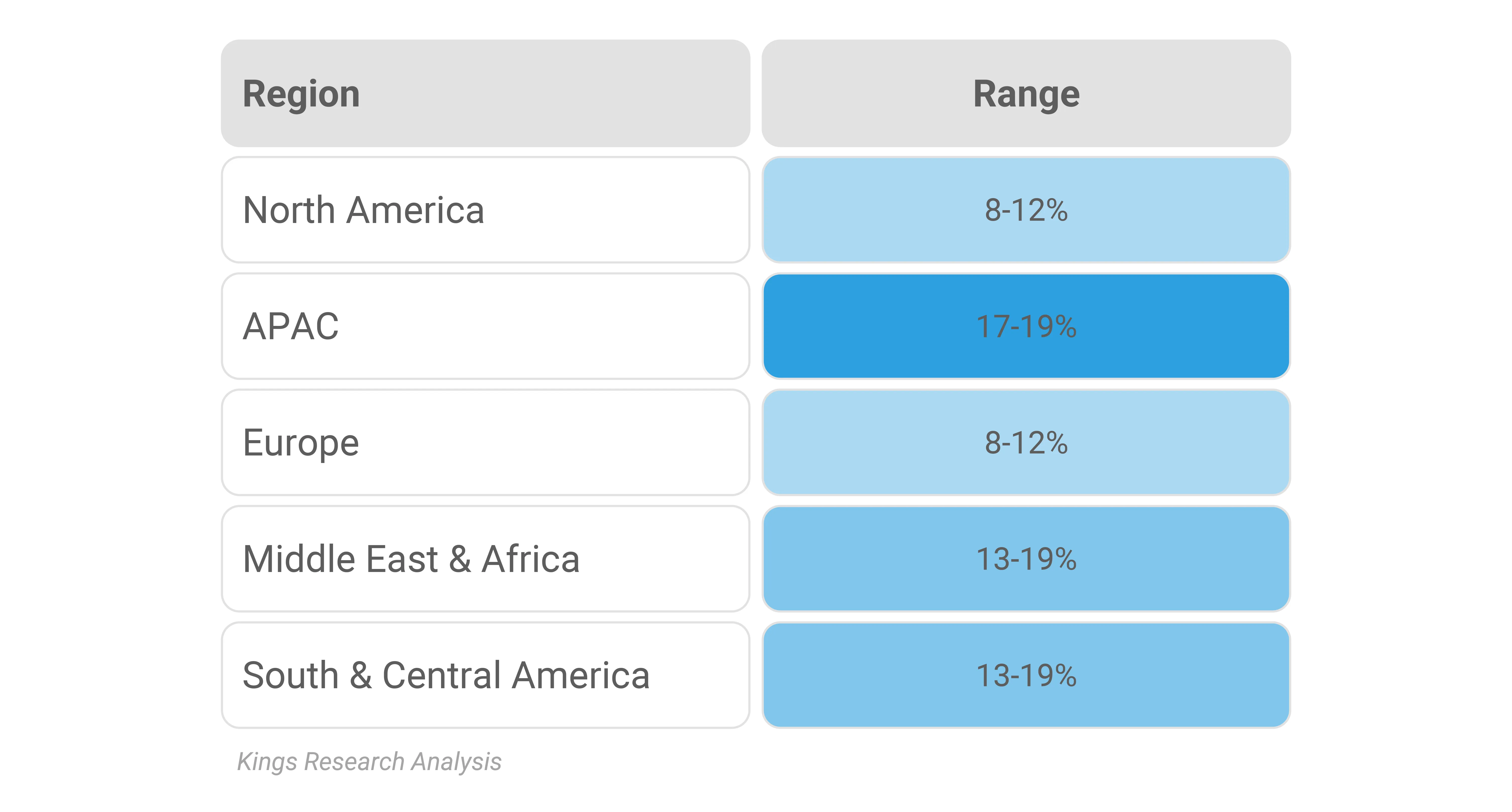
Here’s the average price change for consumer electronics across regions due to the hike in DRAM prices.
Understanding the import and export dynamics of memory chips will be crucial in finding what direction the semiconductor industry is heading.
Kings Research suggests that the real test is therefore not “Who exports more DRAM to whom?” It is who can control the upstream technology and manufacturing ecosystem that determines where the next generation memory chips get produced. China is trying to reduce its import vulnerability; the United States is trying to prevent that localization from reaching the technological frontier. With two countries shaping the global semiconductor market dynamics, the third major influence comes from the companies of the sector itself.
Collectively, SK Hynix, Samsung, and Micron account for around 90% of the global DRAM supply. So, if the supply of DRAM from these companies stays limited, the price stays elevated. Slow expansion of semiconductor fabrication, inefficiencies in production, and AI capacity cannibalization are some other bottlenecks that are contributing to the soaring prices of DRAM.
Can the entry of new Chinese memory manufacturers solve the semiconductor shortage situation? Let’s dive into the semiconductor landscape and understand what could shape the future of the industry over the coming years.
Tug of War for Global Semiconductor Dominance
Semiconductor dominance could shape the worldwide superpower dynamics over the next decade. So, the war for dominance is quite fierce, and every country is expected to contribute soon.
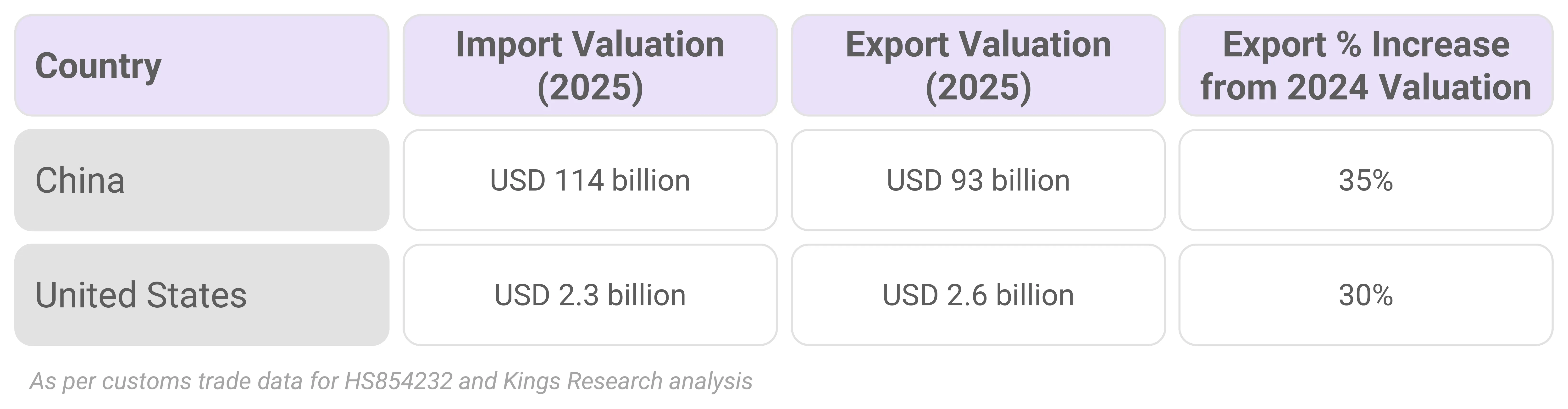 However, the current dominance war is between China and the United States. Export control mandates from both countries have created a Tech Ceiling, resulting in a stalemate. United States’ restrictions have locked out Chinese semiconductor manufacturers from accessing advanced semiconductor manufacturing technology. This has also locked China out of the HBM production race, as it is not allowed to purchase equipment to manufacture sub-18nm nodes.
Politically aligned countries such as the United States, Taiwan, and South Korea have long-term agreements with Western hyperscalers, indicating a greater deficit in the Chinese market. Now, China is not the victim here since it has launched its restrictions on the export of raw materials required for semiconductor manufacturing. A drop in availability of these critical raw materials has also created structural manufacturing deficits across the semiconductor supply chain.
This massive tug of war for dominance is expected to continue to stress the global supply chain. However, the AI boom is making this problem worse.
High Bandwidth Memory Pivot
The majority of memory chip manufacturers are focusing on manufacturing high-bandwidth memory (HBM) chips to capitalize on the AI boom. Concentrated data center investments and the presence of leading AI companies in the United States have made it the most coveted market for HBM suppliers.
Kings Research predicts demand for high-bandwidth memory in the United States to rise at an impressive CAGR of 31.2% over the period of 2026 to 2033.
High concentration of HBM production in South Korea and Taiwan exposes the supply chain to severe geopolitical risks. Here’s our analysis of one key event to depict how geopolitical tensions are affecting the whole semiconductor industry
Event: United States-Iran War and Corresponding Closure or Constrained Traffic Passage through the Strait of Hormuz
Impact: Increased energy costs, heightened freight volatility, and reduced delivery predictability. Qatar accounts for around one-third of the global helium supply. The war disrupted its supply, and since helium is important in semiconductor fabrication, it affected manufacturing at a very basic level. The supply of multiple critical materials for semiconductor manufacturing was also disrupted, ultimately worsening the already worse shortage situation.
HBM and DRAM manufacturers are responding with price hikes to make the most of the shortage of supply. The intention is to capitalize on the generational opportunity that comes with low supply and high demand.
Samsung Electronics Executive Vice President Kim Taewoo stated that HBM is expected to account for nearly 30% of the DRAM industry’s total wafer capacity in 2027. He also stated that HBM expansion could further constrain the supply of conventional DRAM.
Enter China with CXMT and YMTC
Despite sanctions/restrictions and active efforts of the United States to lock out China from winning the semiconductor race, Chinese semiconductor companies have found a way to fight back. Or have they?
CXMT (ChangXin Memory Technologies) has emerged as a key name in the Chinese semiconductor sector. In July 2026, the company managed to raise 57.92 billion yuan (USD 8.6 billion) through its IPO and emerged as the most valuable listed company in mainland China. The share price soared from 8.66 yuan per share at IPO to around 49 yuan at the open, which was an impressive rally of around 466% on debut.
- In August 2026, a Chinese media outlet reported that CXMT had achieved a yield rate exceeding 90% for the production of DDR5 DRAM. This figure is exceptionally close to the 92%-93% yield that Samsung has achieved.
- In September 2026, at the 2026 World Manufacturing Convention in Hefei, Anhui Province, China, CXMT announced the start of mass production of its 5th-generation DRAM technology platform. The company showcased two LPDDR5X memory products based on its new G5 platform.
YMTC (Yangtze Memory Technologies Co. Ltd.) is emerging as another significant player in the semiconductor memory sector. The company’s parent, CCSH Corporation’s application, was accepted by the Shanghai Stock Exchange in August 2026. The company has plans to raise around 33 billion yuan (USD 4.9 billion) through its listing going forward.
- As per a YMTC employee, the company has plans to raise the prices of its memory chips and shift production towards higher-margin products. The employee has also stated that the company estimated the global memory shortage to last until late 2029. The revelations came from an employee in October 2026, who spoke to The Wire China under the condition that he remained anonymous.
So, these Chinese manufacturers, estimated to ease the memory supply chain, don’t seem to be going in that direction. However, that does not mean these won’t impact the industry. Though minimal for now, the impact is expected to widen and change the way semiconductor supply chains work in the long run. China’s effort to replicate the success of the EV industry and leapfrog the world is evident in its relentless support for semiconductor IP and manufacturing development.
What Chinese memory providers can do is target the consumer market for conventional DRAM instead of competing with SK Hynix, Samsung, and Micron on advanced products. In the near term, this could pressure margins and accelerate price competition in commodity memory. However, as the Chinese companies catch up over the next three to five years, the world of semiconductors could look very different.
Want to understand how changes in the semiconductor business could affect yours or looking to invest in the semiconductor industry? Kings Research can resolve your queries and help you understand more about the same.
In an Attempt to Checkmate, the United States Might Just Hit a Paradoxical Stalemate
Efforts of the United States to control the semiconductor IP and supply chain could be shaken by its increasing domestic demand. The memory shortage problem has cut into the profits of major American tech giants, and even Apple isn’t safe from this calamity.
- In June 2026, Apple made an unusual announcement in which it raised the prices of its products. It was unusual because the company almost never did this price hike mid-cycle. Mac, iPad, HomePod, Apple TV, and Vision Pro were the products whose prices were hiked.
Then, soon in June 2026, after the price hike, came the news of Apple lobbying the Trump administration for clearance to buy chips from CXMT. The company aimed to ease the rising financial pressure caused by the surging memory chip prices. No official comments were made about this by Apple or the White House, but multiple media sources echoed the same.
Apple is not the only American company lobbying Chinese semiconductors.
In September 2026, came the news of American chipmakers Nvidia and AMD lobbying the Trump administration to stop the lawmakers from imposing chip export restrictions for China. Companies are asking the government to pressure lawmakers to hold off on enacting China-related chip export restrictions in the annual defense policy bill.
These lobbying efforts show how America’s restrictions on China have hurt them as well in some way. This takes us back to the stalemate that is evident in the quest for dominance on Chinese and American sides. It would be interesting to see if these lobbying efforts succeed and open up American contracts for Chinese companies like CXMT and YMTC.
If these lobbying efforts by Apple, Nvidia, and AMD succeed and Chinese chips reach buyers in the United States, the shortage could end as soon as 2028. The top three DRAM manufacturers could add about 315 thousand wafers against CXMT’s roughly 80 thousand. Beijing funds undercutting despite CXMT’s cost gap of more than 30%. It has absorbed losses before, with CXMT losing USD 2.44 billion in 2023 and USD 1.06 billion in 2024. Demand is expected to stay price-insensitive because AI chip buyers sit on long-term supply agreements. These are the considerations Kings Research analysts have made for a bearish outlook in the future.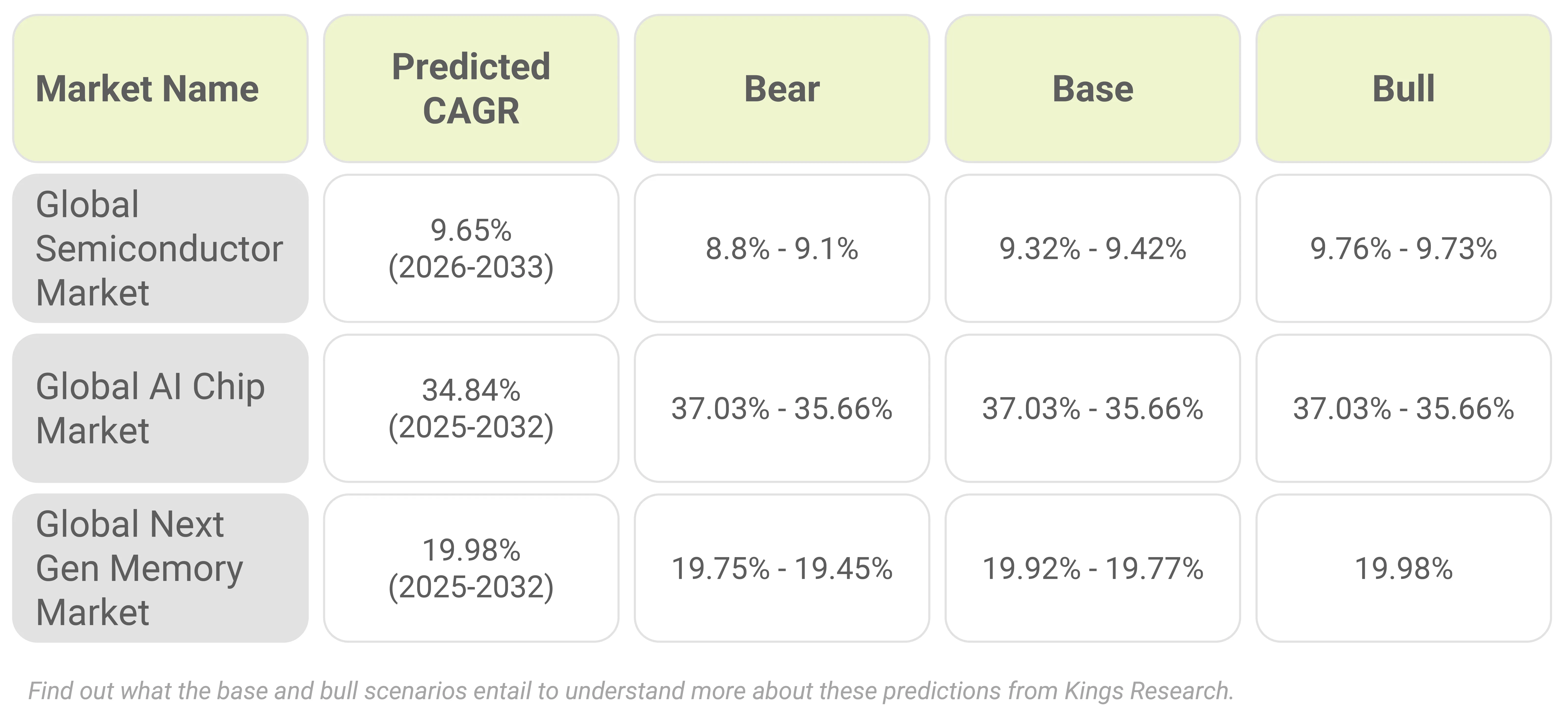
The Class Action Problem Disrupting the Oligopoly
The stronghold of Samsung, SK Hynix, and Micron on the DRAM supply chain has been unchallenged for a long time. The potential entry of Chinese manufacturers was expected to put a dent in this dominance. However, with Chinese impact not coming soon enough, the oligopoly is expected to be shaken by a class action lawsuit.
- In June 2026, an antitrust class action lawsuit was filed in California, United States, against Samsung, Micron, and SK Hynix. The lawsuit alleges that these three chipmakers engaged in collusion and price-fixing amid the global memory chip shortage. The suit alleges that the companies engaged in concerted anticompetitive behavior and have been fixing the prices of DRAM since 2022, resulting in a 700% hike in conventional DRAM prices.
This lawsuit can potentially clear some roadblocks inhibiting the entry of Chinese chipmakers in the DRAM market. The impact will be completely dependent on what the legal outcome of this case is. If defendants are found guilty and in violation of Section 1 of the Sherman Act, the implications for the DRAM and overall semiconductor industry will be notable, to say the least.
|
If defendants win |
If defendants lose |
|
|
Scrutiny of supply decisions |
Suppliers may retain greater confidence in their capacity-allocation strategies, although independent regulatory scrutiny could continue. |
Production cuts and capacity shifts could face closer legal and regulatory examination, potentially encouraging more cautious supply decisions. |
|
Opening for CXMT |
CXMT’s growth opportunity would depend mainly on its ability to scale production, meet quality standards, and compete on price and performance. |
Legal pressure on established suppliers could create opportunities for CXMT in conventional DRAM, provided it can deliver competitive quality and sufficient volume. |
|
Uncertain pricing effects |
DRAM prices would continue to depend on supply-demand conditions, AI-related demand, and capacity allocation. |
A ruling against the suppliers could discourage anticompetitive conduct, but would not automatically lower prices while AI demand remains strong. |
|
Strategic approach |
The industry would avoid an adverse ruling in this case, but export controls and United States vs. China competition would continue to shape market strategy. |
The ruling could add legal and operational uncertainty to an industry already navigating export controls, geopolitical tensions, and competition from Chinese suppliers. |
Note: A loss for the defendants would not automatically prove every allegation or dictate specific market outcomes; the impact would depend on the court’s findings and remedies. The table indicates the movements and changes that our analysts estimate if there is a clear win or loss verdict.
What Should You Take Away from This?
The semiconductor and memory shortage issue is not expected to be resolved any time soon. However, recent market movements and changes in the global geopolitical landscape are expected to introduce some major changes in the conventional supply and demand patterns. Despite the high potential of Chinese companies to ease the memory shortage minimally, they have kept their products relatively expensive. The margins are already thin for Chinese manufacturers, and their limited technology access is further complicating their stance.
The tug of war between China and the United States has shown no signs of slowing down. The changing geopolitical landscape across the world and corresponding boom in AI investments also create a high-demand, irregular supply environment. A lawsuit involving the big three of the DRAM market also adds to the dramatic flair that the industry is not short of.
The Bank of America (BofA) defines 2026 as a “supercycle similar to the boom of the 1990s,” forecasting global DRAM revenue to surge by 51% and NAND by 45% year-over-year. The supercycle analogy fits the semiconductor industry, as it has rallied significantly since the AI boom. These forecasts by BofA further cement the argument that the memory shortage won’t end sooner, even if Chinese companies enter.
All of these factors and considerations point toward some major changes in the DRAM and semiconductor industry outlook over the next decade. Keeping up with the changes and adjusting business strategies accordingly will be essential for all businesses related to the market. Connect with Kings Research analysts to understand how you can optimize your business around the changing industry dynamics.