


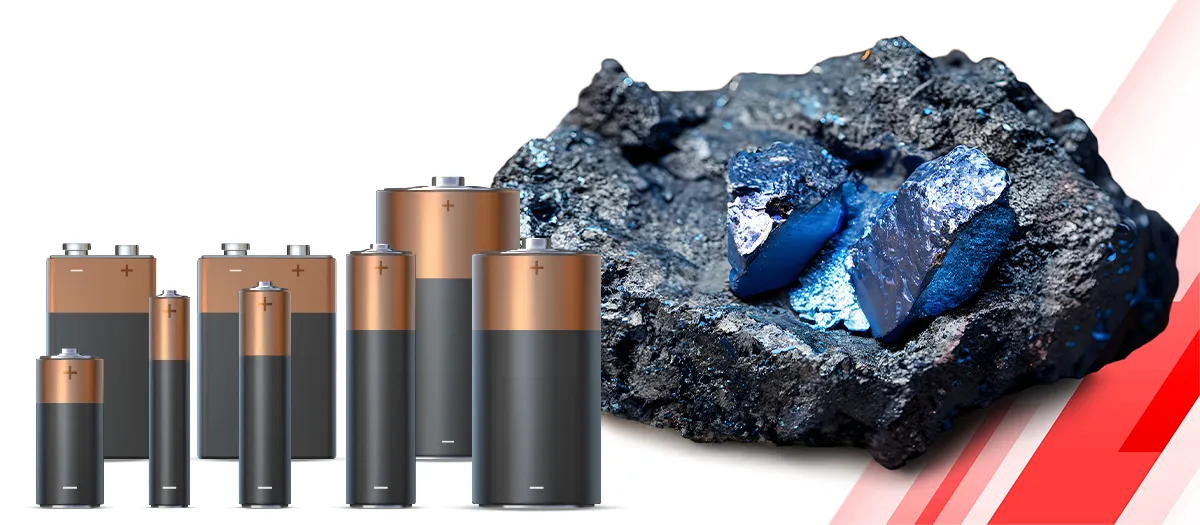
Cobalt-free Batteries in EVs are becoming a central topic as the electric vehicle industry expands and battery technology evolves. Global adoption of electric vehicles is accelerating, and automakers are placing greater focus on battery chemistry because it directly shapes performance, cost, and sustainability outcomes. As battery demand grows, manufacturers are rethinking long-standing material choices, especially the use of cobalt in cathode materials.
For many years, cobalt helped improve energy density and stability in lithium-ion batteries. Today, however, supply chain risks, sustainability concerns, and cost pressures are driving the industry toward alternative chemistries. Cobalt-free solutions, including LFP batteries and other emerging technologies, are increasingly viewed as strategic options for scaling electric vehicles while balancing affordability and lifecycle emissions.
According to Kings Research, the global cobalt-free batteries market was valued at $1,227.2 million in 2022 and is expected to reach USD 3,468.6 million by 2030. The report highlights that the market is projected to grow at a compound annual growth rate (CAGR) of 14.20% by 2030.
Why EV Batteries Traditionally Use Cobalt
Early electric vehicles relied heavily on lithium-ion batteries using cobalt in cathode materials. Cobalt played a critical role in stabilizing battery chemistry and improving energy density, which allowed manufacturers to deliver longer driving range and reliable performance. These characteristics were essential for early EV adoption, when consumers still compared electric vehicles directly with internal combustion engines on range and reliability.
Chemistries such as NMC (nickel-manganese-cobalt) and NCA (nickel-cobalt-aluminum) batteries became dominant because they balanced energy density with safety and operational performance. By enabling higher energy storage in smaller battery packs, cobalt helped automakers reduce weight while maintaining an acceptable range. For many years, this combination made cobalt-based chemistries the preferred solution for premium and long-range electric vehicles.
Why the EV Industry Is Moving Toward Cobalt-Free Batteries?
Several structural factors are now pushing automakers toward cobalt-free battery solutions.
Supply Chain and Critical Materials
Cobalt production remains concentrated in a small number of regions, creating supply chain vulnerability. The International Energy Agency (IEA) notes that critical mineral demand from clean energy technologies, including EV batteries, is rising rapidly and increasing pressure on raw material supply chains. Concentration of production creates risk exposure related to pricing and availability.
Environmental and Ethical Pressures
Sustainability concerns have intensified scrutiny of mining practices associated with critical minerals. Governments and industry stakeholders are increasingly focused on reducing lifecycle emissions and improving transparency in battery supply chains. These pressures encourage innovation in alternative cathode materials that reduce reliance on scarce or complex inputs.
Cost Reduction and EV Accessibility
Battery cost remains one of the largest contributors to electric vehicle pricing. The U.S. Department of Energy (DOE) reports that lithium-ion battery pack prices have declined significantly over the past decade, driven largely by manufacturing scale and chemistry innovation. Moving toward cobalt-free chemistries helps reduce material costs and supports automaker goals of producing more affordable EVs.
Together, these factors explain why the industry is treating battery chemistry choices as a strategic lever rather than only a technical decision.
Types of Cobalt-free Batteries Used in EVs
1. Lithium Iron Phosphate (LFP)
LFP batteries are currently the most widely adopted cobalt-free chemistry in electric vehicles. These batteries replace cobalt with iron and phosphate, resulting in improved thermal stability and safety characteristics. LFP batteries are also known for long cycle life, making them attractive for high-use applications such as fleets and entry-level EVs.
The primary trade-off is lower energy density compared with NMC batteries, which can reduce driving range per charge. However, lower cost and durability have driven rapid adoption, particularly for standard-range vehicles.
2. Organic Cathode Materials
Research institutions and industry groups are exploring organic cathode materials as potential alternatives to traditional metal-based chemistries. These materials offer sustainability advantages because they may reduce reliance on mined metals and improve recyclability. However, they remain largely research-driven at this stage, with technical limitations related to stability and energy performance still being addressed.
3. Sodium-Ion Batteries
Sodium-ion batteries are emerging as another cobalt-free option. Sodium is more abundant than lithium and does not rely on cobalt or nickel, which could improve supply chain stability. While commercialization is at an early stage, sodium-ion technology is being explored for applications where cost and safety are prioritized over high energy density. Continued research is focused on improving performance and scaling manufacturing.
Cobalt-Free vs Cobalt-Based Batteries in EVs
Cobalt-Free and cobalt-based batteries each offer advantages and trade-offs. LFP batteries generally achieve a lower cost because they rely on more abundant materials, while NMC batteries often provide higher energy density and longer range. This difference influences vehicle positioning, with LFP more common in cost-sensitive models and cobalt-based batteries remaining important for premium or long-range EVs.
Safety performance also differs. LFP batteries are widely recognized for their strong thermal stability, reducing risks related to overheating. In contrast, cobalt-based batteries can deliver higher power performance but may require additional management systems. Lifecycle emissions and sustainability considerations increasingly favor chemistries that reduce reliance on complex supply chains, though performance requirements continue to shape deployment choices.
Charging performance and real-world efficiency vary depending on system design. As a result, the industry is moving toward a balanced approach where multiple chemistries coexist rather than one technology replacing another entirely.
EV Manufacturers Already Using Cobalt-Free Batteries
Automakers are already implementing cobalt-free strategies at scale. Tesla has adopted LFP batteries in standard-range Model 3/Y from Shanghai Gigafactory, prioritizing affordability and cycle life in key markets. This reflects industry-wide interest in use-case-specific battery chemistries amid supply chain diversification.
BYD has also advanced cobalt-free deployment through its Blade battery design, which emphasizes safety and structural efficiency. The company’s approach highlights how battery architecture and chemistry are increasingly integrated into vehicle design strategy.
Adoption is especially strong in the Chinese electric vehicle market, where LFP batteries represent a significant share of deployment. As EV platforms globalize, cobalt-free battery options are expanding into North American and European markets as well, reflecting growing confidence in diversified battery strategies.
Industry Trends Driving Cobalt-Free Batteries in EVs
Several trends are accelerating the move toward cobalt-free EV batteries. The IEA reports that global battery demand continues to grow rapidly alongside electric vehicle adoption, pushing manufacturers to diversify chemistry options and scale production.
LFP battery adoption has expanded due to lower costs and manufacturing scalability. At the same time, regional differences are shaping deployment choices. Chinese manufacturers have moved more aggressively toward LFP, while some Western automakers continue to rely on higher-energy-density chemistries for performance-focused models.
Innovation in battery materials is also increasing. Research institutions and industry partnerships are exploring new cathode materials, advanced recycling approaches, and chemistry optimization to improve sustainability and performance simultaneously.
Limitations and Challenges of Cobalt-Free Batteries
Lower energy density compared with cobalt-based chemistries can reduce range, which remains a key consideration for consumers. Cold-weather performance and charging efficiency can also vary depending on battery design.
Fast-charging capability and high-performance applications still present challenges for some cobalt-free options. Ongoing research aims to improve energy density and charging characteristics without sacrificing safety or cost advantages. As a result, cobalt-free solutions are expanding but have not fully replaced cobalt-based batteries.
Future Outlook: Are Cobalt-Free Batteries the Future of EVs?
The most likely outcome is a mixed battery landscape. LFP batteries are expected to continue growing in market share, especially for mainstream and fleet electric vehicles, where cost and durability matter most. At the same time, high-energy-density chemistries will likely remain important for long-range and performance-oriented models.
Innovation in battery chemistry will continue to evolve as automakers seek to balance cost, sustainability, and performance. New materials, improved manufacturing processes, and recycling strategies will play central roles in shaping the future of EV batteries.
Conclusion
Cobalt-free Batteries in EVs represent a major shift in how automakers approach battery chemistry and supply chain strategy. The transition reflects a balance between sustainability goals, cost reduction, and real-world vehicle performance. While cobalt-based lithium-ion batteries remain important, the growing role of LFP batteries and other alternatives shows that the industry is moving toward a multi-chemistry future.
As electric vehicles continue to scale globally, battery evolution will shape the next phase of competition. The companies that succeed will be those that match battery chemical choices to vehicle purpose, balancing energy density, lifecycle emissions, and long-term supply chain resilience.
.webp&w=3840&q=75&dpl=dpl_3pUwJtNgpk6oXgXnK9PBcvvUhHi3 "Recreational Boating Trends Shaping Outboard Engine Demand")