

Manufacturing is changing fast. Companies want better quality, higher speed, and lower costs. This is where machine vision systems in manufacturing play a key role. These systems help machines “see” and make decisions based on images. They reduce errors and improve efficiency.
Today, industries rely on automation more than ever. Kings Research estimated that the global machine vision systems in the manufacturing market is projected to hit USD 70.01 billion by 2033. Visual inspection is no longer done only by humans. Machine vision is now a core part of smart factories.
What Are Machine Vision Systems?
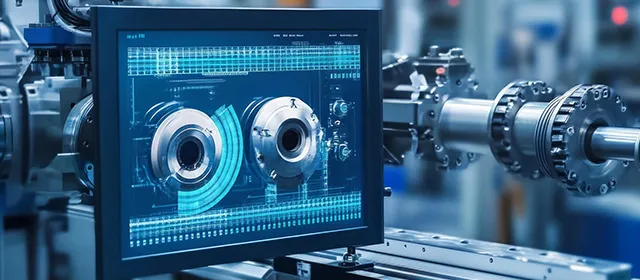
Machine vision systems use cameras, sensors, and software to inspect products. They capture images and analyze them in real time. The goal is simple. Detect defects. Measure dimensions. Ensure quality.
These systems work using:
- Industrial cameras
- Lighting systems
- Image processing software
- AI and deep learning models
In manufacturing, machine vision systems help machines understand what they are looking at. This allows faster and more accurate decisions.
Why Machine Vision Systems in Manufacturing Matter
Quality control is critical in manufacturing. Even a small defect can lead to significant financial losses. Manual inspection is often slow and inconsistent, which is where machine vision systems create real value.
The importance of quality becomes clearer when looking at data from the Institute of Industrial and Systems Engineers (IISE), which highlights that poor quality can cost manufacturers up to 5–35% of their total sales revenue. This makes automated inspection systems not just beneficial but essential for modern production environments.
Machine vision systems operate continuously without fatigue, ensuring consistent output, reduced human error, and improved product quality.
Where Machine Vision Is Used on the Shop Floor
You’ll find machine vision systems in manufacturing at almost every stage of production.
Quality Checks That Actually Work
This is the most common use. Machine vision systems can detect scratches, cracks, or even tiny defects that are hard to see. This improves overall product quality and reduces returns.
Making Sure Assembly Is Done Right
In industries like automotive or electronics, even a small mistake in assembly can cause big problems. Machine vision systems verify if parts are placed correctly. If something is missing or misaligned, it gets flagged immediately.
Measuring with High Accuracy
Precision matters. Especially in industries where tolerances are tight. Machine vision technology can measure dimensions much more accurately than manual tools.
Reading Labels and Barcodes
Tracking products is critical. Machine vision systems scan barcodes and labels quickly, helping with inventory and traceability.
Helping Robots “See”
Robots are fast, but they need guidance. Machine vision systems help robots identify objects and position them correctly. This improves automation and reduces human involvement. The increasing deployment of industrial robots globally highlights this trend, with 553,052 industrial robots installed worldwide in 2022.
Benefits of Machine Vision Systems in Manufacturing
Companies adopt machine vision systems in manufacturing for many reasons. The benefits are clear and measurable.
Improved Product Quality
Machine vision systems detect even the smallest defects. This ensures high-quality output and reduces customer complaints.
Increased Efficiency
These systems work at high speed. They inspect products faster than humans. This increases production rates.
Cost Reduction
By reducing errors and waste, companies save money. Less rework means lower production costs.
Better Data and Insights
Machine vision systems collect data during inspection. This data helps in process improvement and decision-making.
Enhanced Safety
Automation reduces the need for manual inspection in risky environments. This improves worker safety. According to the U.S. Bureau of Labor Statistics, manufacturing injury and illness rates were recorded at 3.3 cases per 100 workers in 2022, reflecting improvements supported by automation and better processes.
How AI Is Making Machine Vision Smarter
Traditional vision inspection systems follow fixed rules. They work well, but they can struggle with variation. Now, with AI in machine vision, things are changing. AI allows systems to learn from data. So instead of being programmed for every scenario, they improve over time. For example, an AI-powered system can learn what a “defect” looks like even if it varies slightly. That’s a big step forward. This is why AI-powered machine vision systems in manufacturing are gaining attention.
Industries That Rely on Machine Vision
Machine vision isn’t limited to one sector. It’s everywhere. In automotive, it ensures parts are assembled correctly. In electronics, it checks tiny components that are impossible to inspect manually. In food and beverage, it helps maintain hygiene and quality standards.
In pharmaceuticals, it ensures correct labeling and packaging. No matter the industry, the goal is the same. Better quality. Faster production.
Challenges in Implementing Machine Vision Systems
Despite many benefits, there are challenges. Companies must address these for successful implementation.
- High Initial Cost: Setting up machine vision systems can be expensive. It requires investment in hardware and software.
- Complex Integration: Integrating these systems with existing processes can be difficult. Proper planning is needed.
- Lighting and Environment Issues: Lighting conditions affect image quality. Poor lighting can reduce accuracy.
- Need for Skilled Workforce: Operating and maintaining machine vision systems requires trained professionals.
How to Choose the Right Machine Vision System
Choosing the right system is important. Not all systems fit every application.
Consider these factors:
- Application Requirements: Understand what you need. Inspection, measurement, or robot guidance.
- Camera Type: Choose the right camera based on resolution and speed.
- Lighting Setup: Proper lighting ensures clear images and accurate analysis.
- Software Capabilities: Look for advanced image processing and AI features.
- Scalability: Choose systems that can grow with your business.
Future Trends in Machine Vision Systems in Manufacturing
Machine vision is evolving rapidly with advancements in AI, IoT, and edge computing. These technologies are enabling real-time data processing, faster decision-making, and improved system flexibility.
However, a major opportunity still lies in data utilization. The European Parliament estimates that around 80% of industrial data remains unused, highlighting a massive untapped potential. Machine vision systems, combined with AI, can play a critical role in converting this unused visual data into actionable insights.
As manufacturing continues to move toward Industry 4.0, machine vision systems will become increasingly essential for building intelligent, efficient, and data-driven production environments.
Best Practices for Implementation
To get the most out of machine vision systems in manufacturing, follow best practices.
- Start with Clear Goals: Define what you want to achieve. Quality improvement, cost reduction, or automation.
- Test Before Full Deployment: Run pilot projects. This helps identify issues early.
- Train Your Team: Ensure your team understands how to use the system.
- Maintain the System: Regular maintenance ensures consistent performance.
- Monitor Performance: Track results and make improvements over time.
Why Machine Vision Systems Are the Future
Manufacturing is moving toward automation and smart systems. Machine vision is a key part of this shift.
These systems provide:
- Faster production
- Better quality
- Lower costs
- Real-time insights
Companies that adopt machine vision systems in manufacturing gain a competitive advantage. They can meet market demands and maintain high standards.
Conclusion
Machine vision systems in manufacturing are no longer optional. They are essential for modern production. These systems improve quality, speed, and efficiency. As technology advances, machine vision will become even more powerful. AI, IoT, and automation will drive further growth. For manufacturers, the message is clear. Investing in machine vision systems is a smart move. It helps improve operations and stay ahead in a competitive market.