

Active implantable medical devices (AIMDs) comprise a class of technologies that reside within the body to monitor, support, or restore biological functions. Devices such as pacemakers, implantable cardioverter-defibrillators (ICDs), deep-brain stimulators, and cochlear implants have transformed treatment paradigms across cardiology, neurology, and sensory rehabilitation.
Advances in biocompatibility, miniaturization, remote monitoring, and regulatory standards have enabled wider adoption. This article examines how AIMDs are redefining patient care globally, reviews evidence of impact, highlights key benefits and limitations, and assesses future potential in light of demographic and disease-burden trends.
According to Kings Research, the global active implantable medical devices market is projected to grow from USD 26.11 billion in 2025 to USD 42.58 billion by 2032, exhibiting a CAGR of 7.24% over the forecast period.
The Growing Influence of Aging and Chronic Disease on Implantable Device Needs
Aging populations worldwide are increasing the prevalence of chronic diseases that often require long-term intervention. In the United States, the burden of cardiovascular disease remains high, and many patients with conduction disorders or heart failure benefit from implantable rhythm-management devices.
Data reported by the U.S. Veterans Health Administration (VHA) in 2023 indicates that roughly 165,000 patients received implantable medical devices in that fiscal year, with about 231,000 devices supplied overall (source: www.gao.gov). As life expectancy increases globally, demand for therapies that manage chronic conditions such as cardiac arrhythmias, conductive abnormalities, neurodegenerative disorders, and hearing loss is likely to grow, positioning AIMDs as essential tools in modern medicine.
Types of Active Implantable Devices and Their Clinical Roles
AIMDs span a range of therapeutic and rehabilitative functions.
Cardiac pacing and defibrillation devices remain among the most widely used. Permanent pacemakers regulate heart rhythm in patients with bradycardia or conduction block disorders.
Resynchronization devices and ICDs support heart failure or prevent sudden cardiac death. A landmark global survey covering 61 countries in 2009 documented over 1,000,000 pacemakers in active use worldwide at that time, with 737,840 new implants and 264,824 replacements in that year alone (source: pubmed.ncbi.nlm.nih.gov).
Neurostimulation devices, including deep brain stimulators for Parkinson’s disease, spinal stimulators for chronic pain, or neuromodulation devices for epilepsy, offer therapy for conditions that resist conventional pharmacological management. Advanced devices adapt stimulation parameters over time and may interface with remote monitoring platforms.
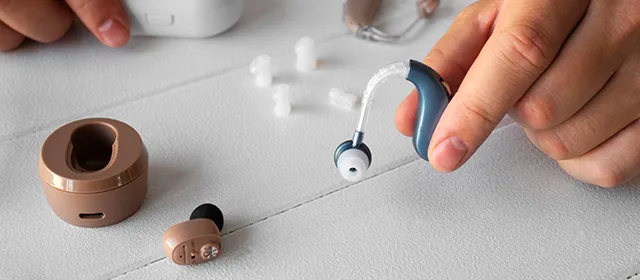
Sensory prostheses such as cochlear implants provide hearing restoration in individuals with sensorineural hearing loss. These devices convert external sound into electrical impulses that stimulate the auditory nerve, restoring hearing function for many recipients and significantly improving quality of life.
Regulatory-approved cochlear implants have benefited hundreds of thousands of patients globally over the past decades. Other implantable devices, such as insulin pumps, neurostimulators for bladder dysfunction, and implantable infusion systems for pain or chemotherapy, further expand the scope of AIMDs across medicine.
How AIMDs Improve Survival, Quality of Life, and Health System Efficiency
Longevity and Survival Outcomes in Cardiac Implantation
Use of pacemakers and ICDs has increased over the decades in response to aging populations and rising detection of arrhythmias. A study analyzing a U.S. national inpatient sample found that in 2004 alone, approximately 178,000 pacemaker implants and 67,000 ICD or Cardiac Resynchronization Therapy (CRT) devices were implanted. Early data from 1990–2002 show that over 2.25 million pacemakers and 415,780 ICDs were implanted in that period in the U.S., reflecting growing adoption.
Clinical follow-up studies indicate that these devices significantly improve survival, reduce morbidity from arrhythmias, and improve cardiac function in heart failure patients. Patients who receive appropriate pacing or defibrillation have reduced risk of sudden cardiac death, improved exercise tolerance, and enhanced quality of life.
Quality of Life Improvements and Chronic Disease Management
Implantable neurostimulation and sensory prosthetic devices extend therapeutic reach for chronic neurological or sensory disorders. For patients with drug-resistant Parkinson’s disease, deep brain stimulators reduce motor symptoms, decrease medication dependency, and improve daily functioning.
Cochlear implants restore hearing, improving communication, social interaction, and mental health outcomes. These benefits demonstrate that AIMDs offer more than life-saving functions; they restore function, autonomy, and dignity.
Remote monitoring capabilities, including battery status alerts, device diagnostics, and data transmission, enhance long-term management. Patients with modern ICDs or pacemakers often receive automatic telemetry alerts about arrhythmia episodes or battery depletion, allowing timely clinical intervention. This reduces emergency hospitalizations and improves continuity of care.
Health-System Efficiency and Resource Optimization
Implantable devices reduce recurrent hospitalizations due to untreated or poorly managed chronic conditions. By stabilizing cardiac rhythm, preventing arrhythmia-induced complications, or managing chronic pain and neurological symptoms, AIMDs decrease the burden on acute-care hospitals. This results in cost savings over time, both for patients and health systems.
A 2024 report on the U.S. Veterans Health Administration revealed that the VHA provided implantable devices to 165,000 patients, indicating the scope and importance of such therapies within publicly funded health systems. This demonstrates governmental recognition of the role of implantable devices in long-term patient care and population health management.
Technological Advances Redefining AIMD Capabilities
Miniaturization, Biocompatibility, and Implant Longevity
Innovations in device design have reduced size, improved biocompatibility, and extended battery life. Leadless pacemakers, for instance, embed entirely within the heart chamber without Trans venous leads, reducing infection risk and simplifying implantation. Advances in battery chemistry and low-power electronics extend device lifespan, reducing the need for frequent replacement surgeries.
MRI-compatible devices expand options for diagnostic imaging post-implantation, removing previous contraindications and simplifying long-term care planning. Enhanced materials and coatings reduce rejection risk, improve tissue integration, and minimize complications.
Remote Monitoring, Telemetry, and Data-Driven Management
Modern AIMDs often include remote telemetry, connectivity, and diagnostics. These capabilities enable physicians to monitor device status, detect arrhythmias or malfunctions, and adjust therapy without requiring in-person visits. Remote monitoring improves follow-up efficiency, reduces clinical workload, and offers continuous oversight, especially valuable for elderly or mobility-limited patients.
Emerging AI-assisted analytics can predict battery depletion, anticipate device failure, or detect early signs of physiologic deterioration, enabling proactive interventions. This data-driven approach shifts care from reactive to predictive models.
Expanded Indications and Integration with Chronic Care Pathways
AIMDs are increasingly integrated into comprehensive chronic-disease management protocols. Patients with heart failure, for example, may receive CRT devices combined with medication and lifestyle management, offering multi-modal therapy. Patients with neurological illnesses or sensory deficits benefit from integrated care pathways combining device therapy, rehabilitation, and long-term monitoring.
Healthcare systems are increasingly including implantable devices as part of standard care guidelines for eligible patients, reflecting the maturity and acceptance of technologies once considered niche.
Challenges, Risks, and Ethical Considerations of AIMDs
Common Risks and Performance Constraints of Implantable Devices
Any implantable device carries the risk of malfunction, infection, lead displacement, or battery depletion. A long-term analysis of pacemaker usage shows that a subset of devices require replacement after several years due to battery life or component failure. Device recalls, or safety alerts, remain a concern for implanted devices; regulatory surveillance and post-market monitoring are essential to manage risk.
Implantation procedures involve surgical intervention, which may pose perioperative risk, especially for elderly or comorbid patients. Follow-up maintenance or battery replacement surgeries impose ongoing care burdens and costs.
Financial and Structural Barriers Limiting Implantable Device Adoption
Availability of AIMDs tends to be higher in high-income countries due to advanced healthcare infrastructure, insurance coverage, and regulatory approval pathways. Many low- and middle-income countries struggle with limited access to implantable therapies, constrained budgets, lack of trained specialists, and weak post-implantation support. This exacerbates global health inequities.
The cost of devices and procedures remains a barrier for uninsured or underinsured patients. Long-term follow-up, device replacement, and maintenance may impose a recurring financial burden. Even in public systems, resource constraints may limit eligibility or availability.
Ethical Risks and Regulatory Needs Surround Implantable Devices
Implantable devices that collect physiologic data, remote monitoring metrics, or neurostimulation parameters raise questions about patient privacy, data security, informed consent, and long-term governance. Regulation must balance innovation with patient safety and data protection.
Long-term dependence on technology, battery replacement cycles, and potential difficulty in device removal or upgrade add complexity to patient consent and care planning. Physicians and patients must carefully consider benefit-risk profiles, life expectancy, quality of life, and long-term resource implications.
Future Directions for Implantable Technologies in Global Health
Demographic shifts, including aging populations, rising chronic disease prevalence, and increased longevity, ensure demand for AIMDs will remain strong. Emerging innovations in biocompatible materials, battery technology, miniaturization, and remote connectivity promise to expand the indication scope, improve safety, and reduce burden.
Integration of AIMDs with telemedicine, wearable health monitoring, and personalized medicine may create holistic care ecosystems. Data collected from implanted devices could feed into population-level health analytics, supporting disease surveillance, preventive care, and precision medicine approaches.
Advances in regenerative medicine and tissue engineering may complement device therapy. Hybrid solutions combining bioengineered tissues with electronic regulation could emerge. For neurological disorders, closed-loop neurostimulation responding to physiologic signals may offer superior symptom control with minimal side effects.
Regulatory harmonization and global collaboration may improve access in low- and middle-income countries. Initiatives that support device subsidies, capacity building, and training of specialists could expand reach.
Finally, patient-centered care models will emphasize quality of life, long-term follow-up, device maintenance, data governance, and shared decision-making. AIMDs will evolve not just as life-saving tools, but as life-enhancing instruments integrated into holistic chronic care.
Conclusion
Active implantable medical devices have transformed patient care across cardiology, neurology, hearing, and chronic disease management. Robust evidence supports their role in improving survival, restoring function, enabling chronic care, and reducing system-level burdens. Technological advances and expanding clinical indications strengthen their value proposition.
Challenges remain in terms of safety risks, device lifespan and replacement, equity of access, cost, regulatory complexity, and ethical considerations. Addressing these challenges requires coordinated effort among health systems, regulators, device manufacturers, clinicians, and policymakers.
The future of AIMDs is promising. Continued innovation, combined with responsible deployment and governance, can expand access globally and deliver substantial improvements in patient quality of life and long-term health outcomes. Active implantable medical devices will redefine patient care as integral elements of comprehensive, technology-enabled, patient-centered medicine in 2026.