


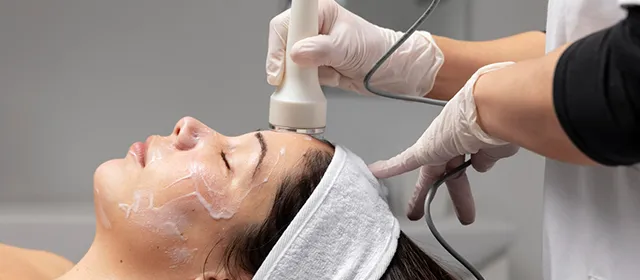
Did you know that nearly 35 million aesthetic procedures were performed around the world in 2023? According to the International Society of Aesthetic Plastic Surgery (ISAPS), the combined number of surgical and non-surgical cosmetic procedures hit 34.9 million, up to 3.4% from 2022.
The National Institute of Health reports that acne affects 9.4 % of the global population, making it the eighth most common disease worldwide. Yet on the beauty front, demand for skin-care treatments is increasing. According to Kings Research, the global skincare devices market was valued at USD 17.66 billion in 2023. It is expected to reach USD 19.70 billion in 2024 and grow to USD 45.49 billion by 2031 at a CAGR of 12.69 percent. This growth highlights the broad use of skincare devices across dermatology clinics, medi-spas, and home environments.
The expanding focus on skin health is supporting steady investment in advanced skincare devices for treatment, diagnosis, and maintenance. This has positioned several companies as key contributors to technology development, regulatory progress, and global market expansion.
Top 10 Skincare Devices Companies to Know About in 2026
1. Alma Lasers
Alma Lasers specializes in developing advanced laser and energy-based skincare devices used in aesthetic and medical treatments. The company focuses on solutions for skin rejuvenation, hair removal, and body contouring, offering technologies designed to deliver safe, effective results across a wide range of skin types and conditions. Its innovations support clinicians with reliable performance and consistent treatment outcomes.
In September 2025, Alma announced a strategic collaboration with celebrity skin-care expert Jamie Sherrill (“Nurse Jamie”) to amplify its global consumer presence and promote its flagship energy-based aesthetic platforms such as Harmony and Opus for clinics and end users.
2. Cynosure
Cynosure manufactures light-based skincare devices for hair removal, tattoo removal, and skin revitalization. These systems are used widely in dermatology and aesthetic clinics.
Cynosure and Lutronic, a South Korea-based laser medical device company specializing in energy-based aesthetic systems, announced a merger to form a global medical aesthetics technology company in January 2024. The combined entity aims to expand its treatment portfolio and strengthen its presence across more than 130 countries.
3. Solta Medical, Inc.
Solta Medical, a subsidiary of Bausch Health, focuses on non-invasive and minimally invasive skincare devices, particularly in skin tightening and fat reduction. Their flagship product, Thermage, uses radiofrequency technology for skin tightening.
In 2024, the company launched “UltraCel Q+,” a next-generation device combining ultrasound and microneedling for enhanced skin rejuvenation and tightening.
4. Cutera, Inc.
Cutera develops and markets energy-based skincare devices for various treatments, including skin resurfacing, vascular lesions, and body contouring. Their products are designed for optimal clinical results with minimal downtime.
In 2024, Cutera launched a new multi-application platform called Xeo, designed to enhance versatility and effectiveness in skincare treatments. This device allows for procedures such as hair removal, skin revitalization, and pigment correction. The xeo platform aims to meet the growing demand for non-invasive solutions.
5. Candela Corporation
Candela Corporation develops laser systems for skin resurfacing, hair removal, and vascular treatments. Its skincare devices are known for precision and clinical reliability.
In 2024, the company introduced GentleMax Pro+, an upgraded dual-wavelength system designed to improve speed and efficiency in hair removal.
6. Canfield Scientific, Inc.
Canfield Scientific is a leader in imaging systems and software for the dermatology and aesthetic markets, providing tools for skin analysis, documentation, and treatment planning to enhance clinical outcomes.
7. NIRA SKIN
NIRA Skin develops at-home skincare devices designed to improve skin health and appearance. The company focuses on non-invasive solutions for anti-aging and rejuvenation.
The NIRA Pro Laser is an FDA-cleared fractional laser device built for home use. It targets fine lines, wrinkles, and uneven skin tone by delivering controlled energy that stimulates collagen production and skin renewal.
8. Ambicare Health Limited
Medical-aesthetic technologies that assist clinics in offering effective skin care solutions are the main focus of Ambicare Health Limited. The company develops skincare devices that adhere to strict professional usability standards while taking into account factors like skin tone, texture, and overall quality.
The non-surgical tightening and rejuvenation products in its portfolio are intended to improve patient satisfaction and treatment predictability. Ambicare's strategy is centered on safe energy delivery, effective operation, and outcomes that meet clinical efficiency requirements.
9. Image Derm, Inc.
Image Derm is an established manufacturer of skincare devices for professional and consumer use. The company designs solutions for aging, pigmentation, and texture concerns, supporting improved outcomes in both clinical and home environments.
Its Revitalite device integrates LED light therapy and ultrasonic technology to support collagen production, improve tone, and reduce fine lines.
10. Fotona
Known for its extensive expertise in laser engineering, Fotona develops advanced skincare devices for both medical and cosmetic applications. The company offers solutions for vascular concerns, hair removal, resurfacing, and rejuvenation, supported by precise laser performance. Its SP Dynamis Pro platform is recognized for its procedural flexibility and multi-wavelength capability, which support accurate and effective aesthetic results.
In 2025, Fotona expanded its portfolio of skincare devices with the introduction of the Dynamis Max, StarWalker PICO Pro, and SkyWave systems. Each system is designed to improve treatment speed, consistency, and user control across a wide range of clinical needs. The SP Dynamis Nx Line received the “Best Device 2025” award at the Aesthetic Awards, reinforcing the company’s strong presence in energy-based skin technologies.
Consumer and Clinical Trends in the Skincare Devices Market
The skincare devices market is advancing as consumers prioritize visible results, improved skin health, and enhanced at-home care routines. Rising awareness of skincare practices is supporting the usage of devices designed for cleansing, tightening, rejuvenation, and overall maintenance.
LED therapy is gaining traction as users seek non-invasive methods to manage acne, wrinkles, and pigmentation concerns, with clinical trials confirming collagen density improvements via 633nm/830nm wavelengths in 128 volunteers. At the same time, demand for cosmetic procedures such as skin tightening, revitalization, and body contouring continues to grow, influenced by appearance-focused professions (source: pmc.ncbi.nlm.nih.gov).
The Evolving Outlook for Skincare Devices
Key players are supporting market growth by reinforcing clinical evidence, improving device safety, and pursuing regulatory clearances for both professional and home-use products. They are also investing in R&D to add user-friendly digital features, expanding distribution and service channels, and working with clinicians to validate claims and educate users. Together, these steps aim to increase adoption of skincare devices while addressing safety and efficacy concerns that matter to regulators and consumers.


.webp&w=3840&q=75&dpl=dpl_9cT76VEyqA3GYX2gzuuRZBM2Vb4x "How Cloud-Based Solutions Are Transforming Modern Dental Practices in 2026")