


Adhesive tapes have become an essential tool because they are remarkably simple, work fast, and significantly reduce effort in everyday tasks.
From sealing boxes to fixing panels, adhesive tapes are part of daily industrial work. They help improve speed and efficiency. They also reduce the need for heavy tools. Their increasing use is fueling the adhesive tapes market to reach USD 120.87 billion by 2033, as per a report published by Kings Research.
This blog focuses on industrial adhesive tapes for packaging and construction. This is a practical and low-competition keyword with strong search demand. You will learn about types, uses, benefits, and how to choose the right tape.
What Are Industrial Adhesive Tapes?
Industrial adhesive tapes are specialized bonding materials consisting of a backing material like paper, plastic, foam, or cloth coated in a high-performance adhesive layer. Since they rely on simple pressure rather than heat or water to activate, these tapes are remarkably easy to use for a wide range of applications.
Furthermore, they are specifically engineered to be stronger than standard tapes, allowing them to handle heavy-duty tasks and remain reliable in tough environments.
Why Industrial Adhesive Tapes Are Important
Industrial adhesive tapes are vital because they save time, reduce labor, and significantly improve overall productivity. Unlike traditional fastening methods such as screws or nails, which are time-consuming and can cause surface damage, adhesive tapes offer a non-destructive alternative that provides a clean finish and distributes stress evenly to enhance durability. In sectors like packaging and construction, these tapes improve safety and minimize material waste, which is particularly critical given that the U.S. Environmental Protection Agency (EPA) reported containers and packaging accounted for over 82.2 million tons of municipal solid waste.
Types of Industrial Adhesive Tapes
Different industries require specialized tapes, with each type engineered to serve a specific purpose and environment.
- Pressure-Sensitive Adhesive Tapes: These tapes are widely used in packaging because they stick instantly when pressure is applied without the need for additional processes, making them ideal for sealing cartons and boxes.
- Double-Sided Adhesive Tapes: Featuring adhesive on both sides to bond two surfaces together, these tapes are a common fixture in construction for tasks like mounting, flooring, and securing panels.
- Masking Tapes: Primarily used during painting to protect specific areas, masking tapes are designed for easy removal and leave behind no sticky residue.
- Duct Tapes: Known for being both strong and flexible, duct tapes are water-resistant and work well on rough surfaces, making them a go-to choice for various repairs and sealing needs.
- Foam Adhesive Tapes: These tapes provide essential cushioning and shock absorption, which makes them highly useful for insulation, gap filling, and specialized automotive or construction work.
- Filament Adhesive Tapes: Reinforced with strong fibers for extreme durability, filament tapes are specifically designed for bundling heavy items and securing demanding industrial packaging.
Key Applications in Packaging and Construction
Industrial adhesive tapes are utilized extensively across various sectors, where their inherent flexibility and strength make them essential tools for modern operations.
Packaging Applications:
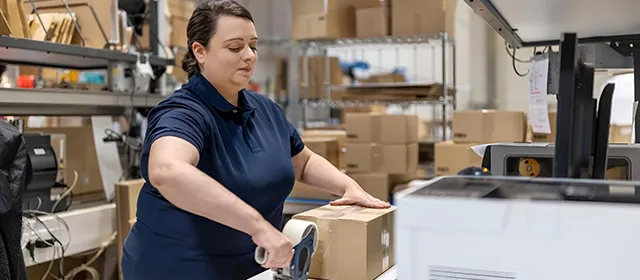
In the packaging industry, adhesive tapes are primarily used to seal cartons, ensuring that goods remain protected and secured against tampering during shipping. High-strength industrial variants are specifically designed to handle heavy loads, providing a dependable seal that maintains product safety throughout the logistics chain. Furthermore, these tapes significantly improve warehouse efficiency by allowing workers to seal boxes quickly and move inventory faster.
Construction Applications:
The construction sector relies on adhesive tapes for bonding materials, such as fixing panels and securing insulation, as well as for sealing joints to prevent air and water leakage. Double-sided adhesive tapes are particularly valuable for flooring because they allow for a rapid installation process without the mess of traditional glues.
Additionally, industrial tapes are used for surface protection to keep materials pristine during active work. Given that the Bureau of Labor Statistics reports that 1 in 5 worker deaths in the U.S. occurs in construction, these non-invasive fastening methods are increasingly prioritized as a safer alternative to mechanical tools.
Benefits of Industrial Adhesive Tapes
Industrial adhesive tapes offer a wide range of benefits that have led to their widespread popularity across various sectors, from manufacturing to interior design.
- Ease of Use: Because these tapes are incredibly simple to apply and require no specialized tools, they save significant time and reduce the need for extensive employee training.
- Strong Bonding: Modern industrial adhesives are engineered for high performance, providing a bond strong enough to handle heavy loads and remain stable under intense pressure.
- Cost-Effective Solution: These tapes serve as an economical choice by eliminating the need for extra materials and decreasing overall labor costs through faster application.
- Versatility: One of their greatest strengths is the ability to bond with a variety of surfaces including metal, plastic, glass, and wood, making them a universal tool for diverse industries.
- Clean and Professional Finish: Unlike traditional fasteners, tapes provide a neat and seamless appearance with no visible marks or damage, which is a critical requirement in high-end construction and design work.
How to Choose the Right Industrial Adhesive Tape
Selecting the appropriate tape is critical for ensuring optimal performance and long-term reliability.
- Understand the Application: Begin by identifying your specific needs, such as whether the task involves packaging or construction, as different applications require specialized tape properties.
- Check Surface Type: Smooth surfaces generally require less adhesive strength, whereas rough or textured surfaces demand stronger bonding capabilities to ensure the tape adheres effectively.
- Consider Temperature Conditions: Environmental factors play a major role, so it is vital to choose temperature-resistant industrial adhesive tapes for areas exposed to extreme heat or cold to maintain durability.
- Select the Right Adhesive: The chemical composition of the adhesive matters; rubber adhesives provide a quick bond, acrylic adhesives offer superior long-term performance, and silicone adhesives are ideal for high-temperature settings.
- Evaluate Load Requirements: Always choose a tape based on the weight it must support, opting for high-strength industrial tapes for heavy-duty tasks and standard tapes for lighter applications.
Common Mistakes to Avoid
Proper usage is essential to prevent failure; as even small errors can significantly reduce the effectiveness of the adhesive.
- Poor Surface Cleaning: Since dust, moisture, and oil can drastically reduce adhesion, you should always thoroughly clean the surface before application.
- Using the Wrong Tape: Because each tape is engineered for a specific purpose, using a version not suited for the environment or material can lead to bond failure.
- Improper Application: To improve bonding strength, apply even pressure across the entire surface and be careful to avoid creating air bubbles.
- Wrong Storage: Tapes should be stored in cool, dry places, as excessive heat and moisture can degrade the adhesive quality over time.
Latest Trends in Industrial Adhesive Tapes
The adhesive tape market is rapidly evolving, with modern innovations consistently improving both performance and environmental impact.
- Eco-Friendly Adhesive Tapes: As sustainability becomes a global priority, many companies are shifting toward tapes made from sustainable materials to reduce their environmental footprint. This trend is particularly visible in packaging, where regulatory goals, such as the EPA’s target of a 50% recycling rate by 2030 are driving the demand for recyclable and biodegradable backings. These efforts are supported by strong recycling infrastructure. In 2024, the U.S. successfully recycled approximately 60%–64% of paper and 69%–74% of cardboard, further encouraging the move toward greener bonding solutions.
- High-Performance Tapes: New chemical formulations have led to tapes that offer superior strength and enhanced resistance to extreme heat and chemicals, making them indispensable for advanced construction projects.
- Lightweight Bonding Solutions: There is a growing focus across the automotive and construction sectors on lightweight materials. Adhesive tapes are increasingly used to replace heavy mechanical fasteners, significantly reducing total weight without sacrificing structural integrity.
Storage and Handling Tips
To maximize the lifespan of your tapes and ensure they remain effective, proper storage and handling are essential.
- Maintain a Stable Environment: Tapes should be kept in a cool, dry place away from direct sunlight and stored at a stable temperature to preserve the quality of the adhesive.
- Protect the Product: Keep tapes in their original packaging to prevent contamination and avoid stacking heavy items on top of them, as excessive weight can damage the rolls.
Expert Tips for Better Results
Achieving the best results with industrial adhesives requires more than just high-quality materials; it also requires the right technique.
- Pre-Use Testing: Always test the tape on a small, inconspicuous area before proceeding with large-scale application to ensure it is compatible with the surface.
- Application Technique: Apply firm, consistent pressure during application to ensure the adhesive fully engages with the surface, and always select the appropriate width and thickness for the specific task at hand.
- Prioritize Quality: Choosing trusted brands is critical in industrial settings, as high-quality manufacturing ensures consistent performance under stress.
Concluding Thoughts
Industrial adhesive tapes have become essential tools in modern industry, providing strong bonding and rapid application that traditional methods often cannot match. By being widely utilized in packaging and construction, these tapes improve overall efficiency and reduce operational costs.
Selecting the right industrial adhesive tape for your specific needs ensures long-lasting performance, and by understanding the various types and selection factors available, you can make informed decisions that enhance both productivity and final results.