
Inquire Now
Key Strategic Points
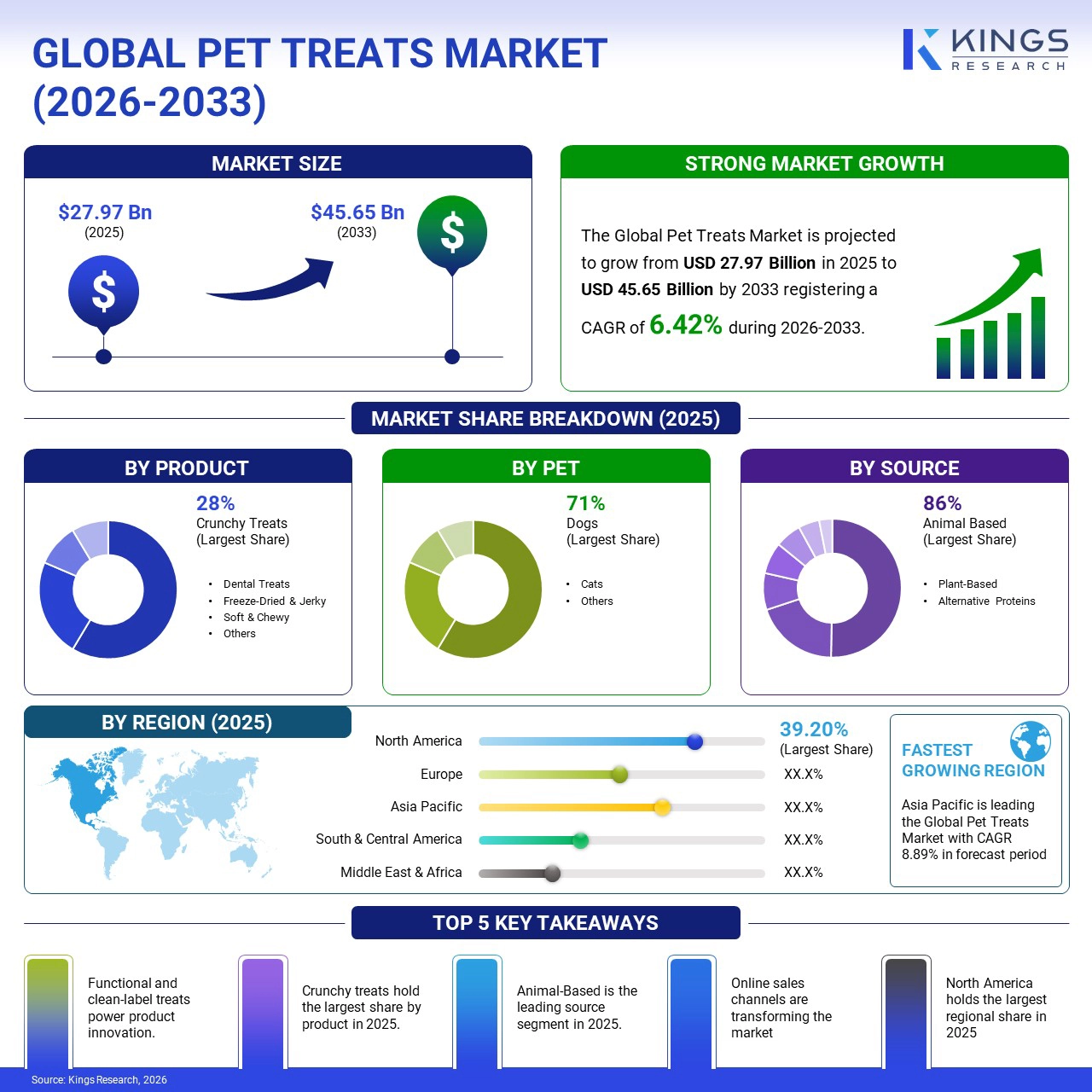
According to Kings Research, the global pet treats market size was valued at USD 27.97 billion in 2025 and is projected to reach USD 45.65 billion by 2033, growing at a CAGR of 6.42% over the forecast period.
Pet treats are formulated edible products for companion animals, including biscuits, dental chews, and functional snacks addressing health needs such as digestion, mobility, or anxiety. These products are fortified with vitamins, minerals, and nutraceuticals, offering benefits beyond basic nutrition and meeting demand for targeted pet wellness solutions.
Rising pet adoption, particularly of dogs and cats, is fueling demand for convenient, healthy, and palatable treat options. Pet humanization is increasing the preference for premium, “clean-label” ingredients and transparent sourcing. Additionally, the expansion of e-commerce is transforming distribution and giving consumers access to niche and specialized brands beyond traditional retail channels.
Evolving regulatory frameworks emphasizing safety, labeling transparency, and ingredient quality are supporting product innovation. Consequently, investments in R&D, advanced processing technologies, and sustainable packaging are strengthening competitive positioning and accelerating premiumization.
Key Insight: The pet treats market is evolving from an impulse-driven, discretionary segment to a core component of pet health and owner engagement. Sustained growth at a 6.42% CAGR underscores the impact of pet humanization, science-backed formulations, and digital-first retail strategies. These factors indicate long-term growth potential, with functional products, premium ingredients, and transparency shaping competitive advantage.
The growth of the global pet treats market is primarily driven by increasing pet ownership, rising humanization of companion animals, and advancements in nutritional science. Regulatory bodies in key markets, including the U.S. Food and Drug Administration (FDA) and the European Food Safety Authority (EFSA), are tightening oversight of pet food labeling, ingredient safety, and nutritional claims. The World Small Animal Veterinary Association (WSAVA) recommends that treats constitute less than 10% of a dog’s daily calorie intake, encouraging manufacturers to develop nutritionally balanced yet palatable products. These developments are prompting a shift toward clean-label ingredients, transparent sourcing, and functional benefits, including dental health, joint support, and anxiety relief.
Simultaneously, the shift toward premiumization is accelerating demand for single-ingredient, grain-free, and protein-rich treats aligned with human food trends. The expansion of e-commerce channels is enhancing product accessibility, supporting the growth of direct-to-consumer brands and niche offerings. As pet owners increasingly seek products tailored to specific health concerns, innovation in functional treats enriched with probiotics, omega fatty acids, and botanical extracts is emerging as a key differentiator.
Companies are gaining a competitive edge by investing in advanced manufacturing technologies, robust supply chains, and sustainable packaging solutions. Partnerships with veterinarians and pet nutritionists are further enhancing product credibility and fostering long-term brand loyalty.
Key Insight: The focus of pet treat demand is moving beyond occasional indulgence to encompass targeted health benefits and daily wellness routines. This shift favors brands that deliver science-backed formulations, transparent sourcing, and seamless e-commerce experiences, positioning them for leadership as the industry continues to mature.
As pet owners demand more health-oriented, transparent, and diverse treat options, the global pet treats market is facing growing challenges related to ingredient quality, regulatory compliance, wellness positioning, and product freshness across multiple treat formats. Leading brands are responding with targeted innovations to enhance quality, safety, and consumer appeal.
|
CHALLENGE |
INNOVATION RESPONSE |
|
Ingredient consistency Maintaining quality across crunchy, dental, freeze-dried, and chewy treats. |
Advanced quality control Standardizing ingredient sourcing and processing for all treat formats. |
|
Regulatory variation Ensuring compliance across diverse markets. |
Regulatory expertise Aligning product development with local and global regulatory requirements. |
|
Health positioning Addressing wellness claims such as dental and digestive benefits. |
Functional enhancements Incorporating targeted health benefits for dental, digestive, and immune support. |
|
Shelf-life stability Preserving freshness and texture across multiple treat formats. |
Packaging solutions Utilizing packaging that maintains product freshness and quality. |
|
Consumer preference shifts Responding to trends for natural, functional, and novel treat varieties. |
Product diversification Expanding offerings in crunchy, dental, freeze-dried, soft, and other emerging treat categories. |
Key Insight: Success in the evolving pet treats market will depend on strong quality control, regulatory alignment, and functional benefits. Brands that consistently deliver fresh, health-focused, and diverse products supported by effective packaging and clear product differentiation will be well-positioned to capture growth and strengthen consumer trust.
Animal-based treats accounted for the largest share of the pet treats market, making up 86% of share in 2025, as owners continue to favor traditional proteins for their perceived nutritional benefits and taste appeal. While plant-based and alternative protein treats hold a smaller share, they are gaining traction as consumers explore options for sustainability and food sensitivities.
Freeze-dried and jerky treats are emerging as the fastest-growing product type, estimated to grow at a CAGR of 8.96% (2026-2033). Growth is driven by consumer perception that these formats retain natural nutrients and flavors through gentle processing methods. These products are often viewed as convenient alternatives to raw diets, offering extended shelf life without spoilage risks. Their premium positioning and strong visual appeal further support adoption for training and enrichment purposes.
Key Insight: Future growth will be shaped by rising demand for premium, minimally processed options like freeze-dried and jerky treats, alongside growing interest in sustainable and alternative proteins. Brands that anticipate these shifts and diversify beyond traditional animal-based treats will be better positioned to capture emerging opportunities and drive long-term expansion.
The global pet treats market is led by multinational food conglomerates and established pet care specialists, including Mars, Incorporated, Nestlé Purina PetCare, The J.M. Smucker Co., General Mills Inc., and Hill's Pet Nutrition, Inc. These companies leverage extensive R&D capabilities, strong distribution networks, and multi-brand portfolios to dominate shelf space and rapidly respond to shifting consumer trends.
Regional and specialty players such as Spectrum Brands, Inc., Central Garden & Pet Company, Wellness Pet, LLC, and freshpet differentiate through natural, limited-ingredient, and functional treat offerings. European firms like Vitakraft pet care GmbH & Co. KG, Tiernahrung Deuerer GmbH, and heristo aktiengesellschaft are focusing on product innovation and sustainable packaging, strengthening their presence in both local and export markets.
Recent developments include increased launches of premium, clean-label, and functional treats, alongside growing investment in e-commerce and direct-to-consumer channels. For instance, freshpet expanded its production capacity in 2024 to meet rising demand for refrigerated, minimally processed treats. Meanwhile, Unicharm Corporation, Simmons Foods, Inc. & Affiliates, and Farmina Pet Foods are targeting growth in emerging markets through localized formulations and digital strategies.
Innovation strategies focus on advanced ingredient sourcing, functional health benefits (dental, joint, and digestive support), and sustainable packaging solutions. Strategic partnerships, acquisitions, and capacity expansions are increasingly adopted to strengthen supply chains and accelerate global penetration.
Key Insight: Competitive advantage is shifting from brand legacy and distribution scale to innovation, transparency, and product efficacy. Companies aligned with health-focused and sustainability-driven demand are best positioned to capture premium value and sustain growth
North America pet treats market accounted for the largest share of 39.20% in 2025. This dominance is reinforced by high pet ownership rates, advanced retail infrastructure, and strong pet humanization trends. The availability of premium and functional treats, along with ongoing investment in production capacity, further strengthens regional dominance.
In March 2026, NRGene Canada launched MaxBites, a premium, all-natural pet treat made from 100% dried Black Soldier Fly larvae, supporting gut and immune health while offering an eco-friendly alternative. This marks NRGene’s entry into the North American pet nutrition space.
Asia Pacific, while currently holding a smaller share, is emerging as the fastest-growing region with a projected CAGR of 8.89%. Growth is driven by rapid urbanization, increasing disposable income, and a surge in pet adoptions. Local and international brands are intensifying product development and marketing efforts, while the expansion of e-commerce platforms accelerates access to a diverse range of pet treat offerings.
In May 2026, Friends & Family Pet Food launched the world’s first cultivated meat treats for cats and dogs in Singapore. Featuring up to 70% cultivated meat, these products support pet health and represent the first ongoing retail sale of such a product in Asia.
Key Insight: Long-term regional leadership in the pet treats market will depend on innovation, localization, and distribution scalability. While North America leads in premiumization and demand maturity, Asia Pacific is emerging as a key growth engine driven by evolving consumer behavior.
How We Gather This Information
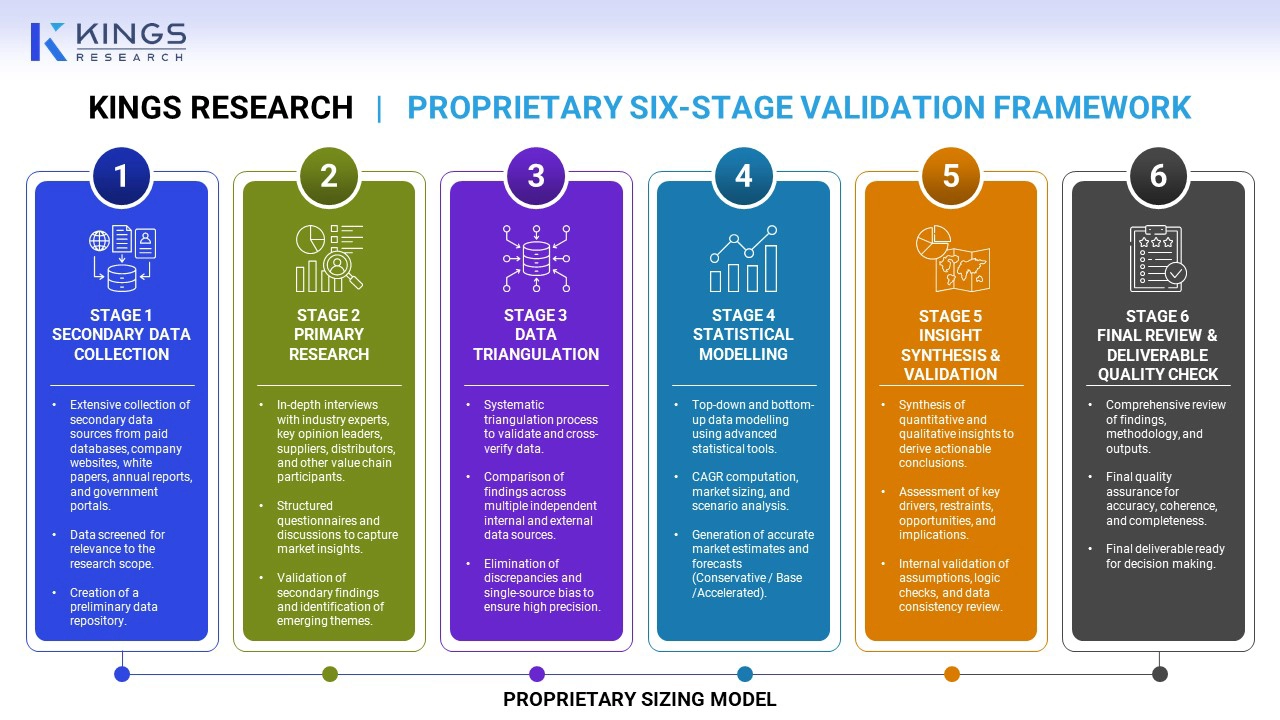
Our methodology triangulates findings across independent and publicly available research databases, which is further validated against regulatory filings and public company disclosures. No single-source estimates are presented without cross-checking.
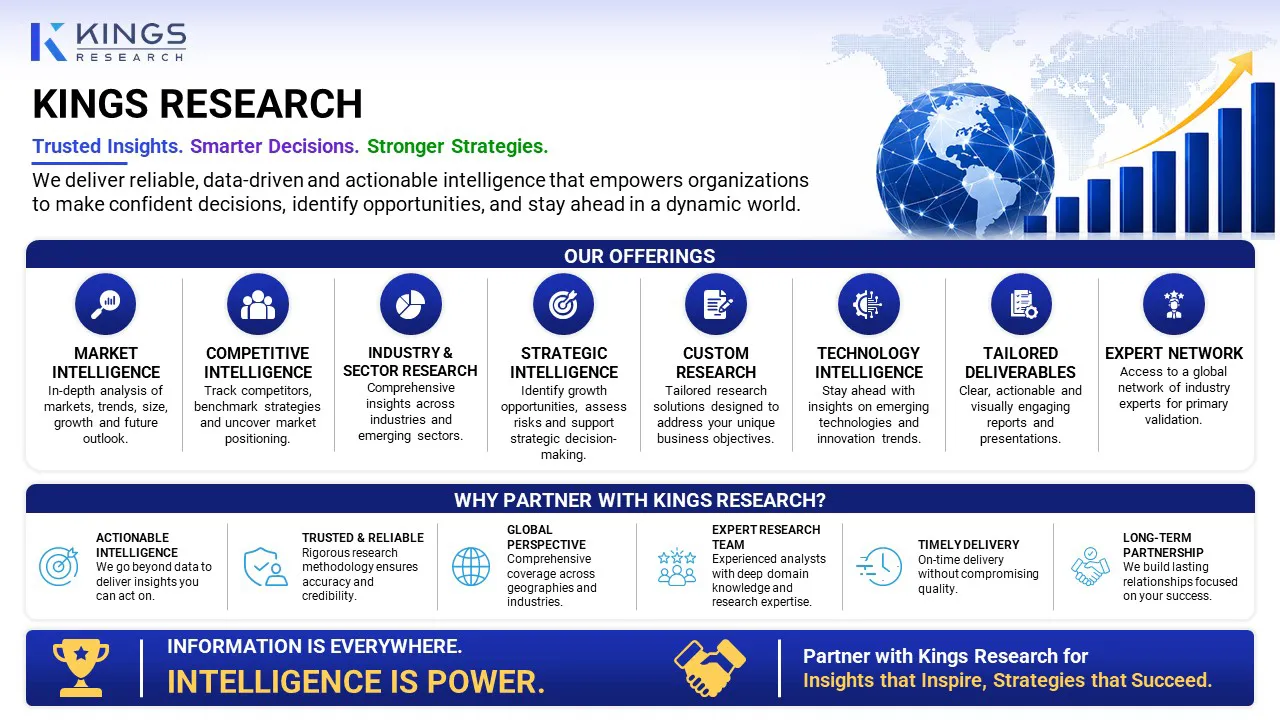
Our custom offerings deliver tailored, data-driven intelligence and strategic guidance to help organizations identify, evaluate, and capitalize on key market opportunities.
Frequently Asked Questions

Aswathi holds cross-domain expertise, translating market trends and competitive intelligence into decision-ready insights. Her work helps clients interpret evolving market conditions and identify growth opportunities. She brings a focused, insight-led approach to research execution. She translates these findings into clear, prioritized action plans that align with client capabilities. Her research often includes scenario modeling to test growth strategies under varying economic conditions. She maintains a rigorous validation process, cross-checking primary and secondary sources to ensure reliability. Clients value her ability to synthesize noisy data into concise executive summaries that drive board-level discussions. Her sector-specific lens, combined with a pragmatic focus on execution, consistently delivers high-impact, commercially sound recommendations. Her structured yet flexible research frameworks adapt to client timelines without compromising depth. She is known for distilling complex trade-offs into straightforward, defensible positions that facilitate confident decision-making.
Habi is a seasoned research and consulting leader with renowned experience in guiding clients on strategic growth and transformation initiatives across global markets. He has led high-performing research teams that deliver actionable insights on market expansion, M&A strategies, opportunity assessment, new business development, and product launches. His project portfolio spans large petrochemical producers, electronic device manufacturers, lubricants companies, and other leading enterprises across diverse industrial and consumer sectors. He currently heads the research department at Kings Research, where he is responsible for setting the research agenda, mentoring analysts, and ensuring client-ready deliverables that support executive decision-making. With extensive experience in market intelligence, strategic research, and consulting, Habi brings a strong understanding of evolving industry dynamics, competitive landscapes, emerging opportunities, and business growth challenges. His expertise includes developing research frameworks, translating complex market data into actionable strategic recommendations, and working closely with senior stakeholders to address critical business questions. He has also contributed to building research capabilities, strengthening analytical methodologies, and driving a culture of quality and insight-led decision-making within research teams. His cross-industry exposure enables him to connect market trends with broader business implications and provide perspectives that help organizations identify opportunities, mitigate risks, and make informed strategic decisions.