
Inquire Now
Key Strategic Points
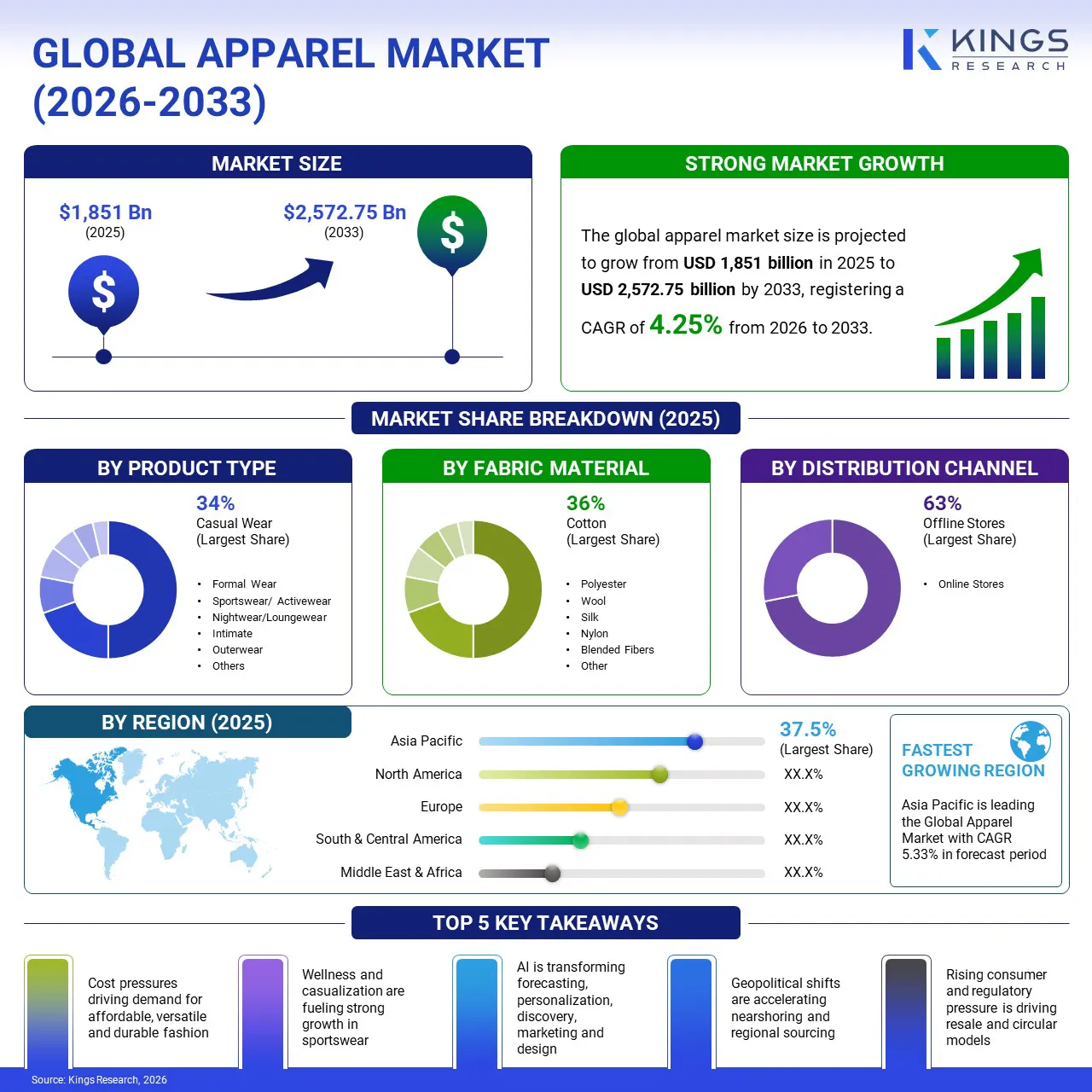
According to Kings Research, the global apparel market is projected to grow from USD 1,851 billion in 2025 to USD 2,572.75 billion by 2033, reflecting a CAGR of 4.25%. This growth is largely fueled by the rapid expansion of e-commerce, rising disposable incomes, and accelerating urbanization, particularly in emerging markets.
Increasing demand for branded and premium apparel, alongside a greater variety in styles, fabrics, and price points, is shaping a market that caters to an ever-diversifying global consumer base. At the same time, sustainability concerns are prompting brands to invest in eco-friendly materials and transparent supply chains. The fast-fashion model, characterized by accelerated trend cycles and rapid inventory turnover, is intensifying competition and pressuring traditional retailers.
Key industry players are responding to this trend by adopting digital technologies such as AI-driven trend forecasting, virtual try-ons, and automated supply chain management. Regulatory and consumer demands for ethical sourcing and reduced environmental impact are influencing production and marketing strategies across the value chain. As a result, investments in sustainability, digital transformation, and omnichannel distribution have become central to maintaining competitiveness and capturing immense growth.
In July 2024, G-III Apparel Group increased its investment in All We Wear Group (AWWG) to 19%. This expanded partnership is expected to accelerate G-III’s international brand growth, particularly in Europe and India, while allowing AWWG to leverage G-III’s North American operations, creating new opportunities for both companies’ global expansion.
The growth of the global apparel market is driven primarily by changing consumer preferences, technological advancements, and increased focus on sustainability. Shifting lifestyles, the rise of digital retail, and evolving global supply chains are fundamentally transforming apparel design, production, and consumption lifecycles.
Regulatory initiatives promoting ethical practices and environmental stewardship, including government guidelines on sustainable manufacturing and transparency in sourcing, are pushing brands to adopt greener materials and responsible labor practices. At the same time, the rapid proliferation of e-commerce platforms and social media marketing is accelerating the discovery and adoption of new styles, enabling brands to scale globally and respond swiftly to emerging trends.
The market is evolving along two key dimensions: leadership in sustainability and innovation in digitalization. Major brands are investing in circular fashion models, recycled materials, and transparent supply chains to establish leadership in sustainable apparel. Meanwhile, companies are adopting AI-driven design tools, virtual fitting rooms, and advanced logistics to enhance personalization and operational efficiency.
Sustainable Materials: Increased use of organic cotton, recycled polyester, and eco-friendly dyes.
Digital Transformation: Integration of AI-powered trend forecasting, virtual try-on experiences, and automated inventory management.
Omnichannel Retailing: Seamless integration of online and offline sales channels for enhanced customer experiences.
Fast Fashion & Agility: Accelerated product development cycles to keep pace with rapidly changing trends.
Ethical Sourcing & Transparency: Emphasis on fair labor practices and traceable supply chains.
Competitive advantage in the apparel industry increasingly relies on the ability to combine sustainable practices with digital innovation, positioning brands to address global challenges and meet shifting consumer demands.
Key Insight: The apparel market is shifting from traditional, seasonal retail models toward agile, consumer-centric approaches fueled by sustainability, technology, and transparency. Brands that lead in these areas are well-positioned to capture future market share.
As the global apparel market grows increasingly complex, companies face a multifaceted set of regulatory, operational, and reputational challenges. Successfully navigating these obstacles while fulfilling consumer expectations for quality, sustainability, and innovation requires apparel brands to adopt forward-thinking, adaptive strategies.
|
CHALLENGE |
INDUSTRY RESPONSE |
|
Regulatory complexity and compliance |
Investment in robust compliance teams, regional expertise, and adaptive labeling to meet global standards. |
|
Sustainability pressures |
Adoption of recycled materials, eco-friendly manufacturing, and transparent supply chains. |
|
Supply chain disruptions |
Diversification of suppliers, local manufacturing, and agile inventory management for continuity. |
|
Input cost volatility |
Dynamic pricing strategies, improved demand forecasting, and enhanced operational efficiency. |
|
Counterfeiting and brand dilution |
Blockchain-based authentication, tamper-evident packaging, and consumer awareness campaigns. |
Key Insight: The ability to convert challenges into strategic innovation is becoming a key differentiator in the global apparel industry. Brands that prioritize compliance, operational resilience, and transparent consumer engagement are best positioned to adapt to regulatory shifts and capture new opportunities in a dynamic market environment.
|
Segmentation |
Details |
|
By Product Type |
Casual Wear, Sportswear/Activewear, Formal Wear, Intimate, Outerwear, Nightwear/Loungewear, and Others |
|
By Season |
All-season, Summer, and Winter |
|
By Fabric Material |
Cotton, Polyester, Blended Fibers, Wool, Nylon, Silk, and Others |
|
By Category |
Mass, Mid-Range, and Luxury/Premium |
|
By End User |
Women, Men, and Children |
|
By Distribution Channel |
Offline Stores and Online Stores |
|
By Region |
North America: U.S., Canada, Mexico |
|
Europe: France, UK, Spain, Germany, Italy, Russia, Rest of Europe |
|
|
Asia-Pacific: China, Japan, India, Australia, ASEAN, South Korea, Rest of Asia-Pacific |
|
|
Middle East & Africa: Turkey, U.A.E., Saudi Arabia, South Africa, Rest of Middle East & Africa |
|
|
South and Central America: Brazil, Argentina, Rest of South and Central America |
The casual wear segment holds the highest share of the apparel market, accounting for 34% in 2025, as consumers increasingly prioritize comfort and versatility in everyday clothing choices. While formal wear and sportswear remain significant segments, the ongoing shift toward athleisure and relaxed dress codes continues to drive the segment's sustained dominance.
The blended fibers segment is emerging as the fastest-growing fabric material segment, projected to grow at a CAGR of 5.28% over the forecast period. Brands are leveraging these versatile materials to manufacture apparel that balances comfort, durability, and performance. Concurrently, cotton and polyester maintain strong demand due to their affordability and established global supply chains.
The offline stores segment accounted for the majority of apparel sales, generating USD 1,166.13 billion in 2025. Despite rapid e-commerce expansion, traditional retail formats remain highly preferred for apparel purchases across multiple regions, supported by in-store experiences and immediate product access.
Key Insight: While consumer preferences are evolving, the majority of market value remains heavily rooted in established categories and distribution channels. Brands that integrate innovative materials with omnichannel retail strategies are likely to capture emerging growth opportunities.
Asia-Pacific leads the global apparel market, accounting for 37.5% of total revenue in 2025. This dominance is underpinned by a large and youthful population, rising urbanization, and expanding disposable incomes across key markets within the region. The region serves as both a primary demand hub and the central hub of global apparel production, with international brands and retailers investing in localized collections and omnichannel experiences to capture diverse consumer segments.
In December 2025, CLO Virtual Fashion inaugurated its office in Dongguan, China, integrating the swatchbook digital materials platform. This strategic move enhances CLO’s localized presence, facilitates the adoption of advanced 3D and digital material technologies, and strengthens connections between China’s apparel sector and global industry resources to drive a comprehensive digital transformation.
The Middle East & Africa is witnessing steady expansion, with a projected CAGR of 4.61% from 2026 to 2033. This growth is fueled by an expanding middle class, increased investment in retail infrastructure, and rising demand for both affordable and premium apparel. International and regional brands are focusing on omnichannel distribution and local partnerships to strengthen their presence in these emerging markets.
In August 2026, Gap Inc. formed a strategic partnership with the Chalhoub Group to expand Gap, Banana Republic, and Athleta brands across the GCC. The collaboration will deliver a seamless omnichannel experience, launching online in the UAE, Saudi Arabia, and Kuwait, followed by the opening of physical stores by 2027.
Key Insight: Asia-Pacific’s scale and dynamism continue to define the global apparel landscape, while regions like the Middle East & Africa are increasingly recognized for their untapped growth potential. Brands that combine local market expertise with supply chain adaptability will be best positioned to capture new demand and effectively respond to evolving regional preferences.
The global apparel market is led by a mix of international fast fashion retailers, sportswear giants, and luxury conglomerates such as Inditex, S.A., H&M Group, Lululemon Athletica, FAST RETAILING CO., LTD., Adidas AG, SHEIN, Primark Limited, Nike, Inc., LVMH, Hermès, CHANEL, Kering, The TJX Companies, Inc., VF Corporation, and PVH Corp. These companies maintain their positions through expansive retail footprints, vertically integrated supply chains, and the ability to rapidly adapt to shifting consumer trends across global markets.
Key players are accelerating innovation across digital retailing, brand protection, and supply chain optimization. For instance, in May 2026, Digital Brands Group launched a strategic AI and brand protection collaboration with a leading outdoor apparel brand. Supported by SECUR3D’s technology, the initiative aims to combat counterfeiting and unauthorized digital assets, strengthening intellectual property protection and digital trust for global brands in evolving online retail environments. Similarly, Lululemon has expanded its European apparel presence by opening a new distribution center in the Netherlands, enhancing its ability to efficiently serve customers and support ongoing growth in the region.
Sustainability Initiatives: Expanding the use of recycled fibers, low-impact dyes, and closed-loop production models to address consumer and regulatory pressure.
Digital Transformation: Investing in AI-powered personalization, virtual fitting technology, and seamless omnichannel integration to enhance customer experience and operational efficiency.
Global Expansion: Entering new markets through both physical stores and robust online platforms, often with localized product assortments and region-specific collaborations.
As industry dynamics continue to shift, competitive advantage is increasingly defined by the ability to deliver measurable value through sustainable innovation and digital agility, rather than scale alone. The expansion of data-driven fast fashion players such as SHEIN is accelerating product development timelines and increasing the speed of demand response across global supply chains.
Key Insight: Sustained leadership in the apparel industry depends on a company’s ability to align ethical sourcing practices with responsive design frameworks and advanced digital capabilities. Companies prioritizing supply chain transparency, data-led consumer engagement, and flexible manufacturing systems are expected to influence the next phase of global fashion and retail development.
The global apparel market is expected to undergo continued transformation as consumer behavior, regulatory landscapes, and global trade dynamics shift. In the years ahead, competitive differentiation will increasingly rely on the ability to anticipate and adapt to change, including shifts in fashion cycles, geopolitical uncertainties, and advancements in design and manufacturing technologies.
Leading apparel companies are expected to explore new business models such as rental and resale platforms to address changing ownership preferences and extend product life cycles. Strategic mergers, acquisitions, and partnerships are likely to intensify as brands seek access to new markets, niche segments, and innovative capabilities. Investments in workforce upskilling and digital infrastructure will remain essential for managing operational complexity and enhancing efficiency across global supply chains.
The outlook further reflects an increased emphasis on risk management and scenario planning, as organizations aim to strengthen resilience against economic volatility, regulatory changes, and unforeseen disruptions. The capacity to respond swiftly, supported by advanced data analytics and agile organizational structures, will serve as a key differentiator among industry participants.
Key Insight: Over the next decade, apparel companies that adopt forward-looking strategies, prioritize operational agility, and invest in building resilient, future-ready organizations are expected to achieve sustainable growth. Strategic foresight, adaptability, and disciplined execution will play a critical role in capturing long-term value and navigating the evolving landscape of the global apparel industry.
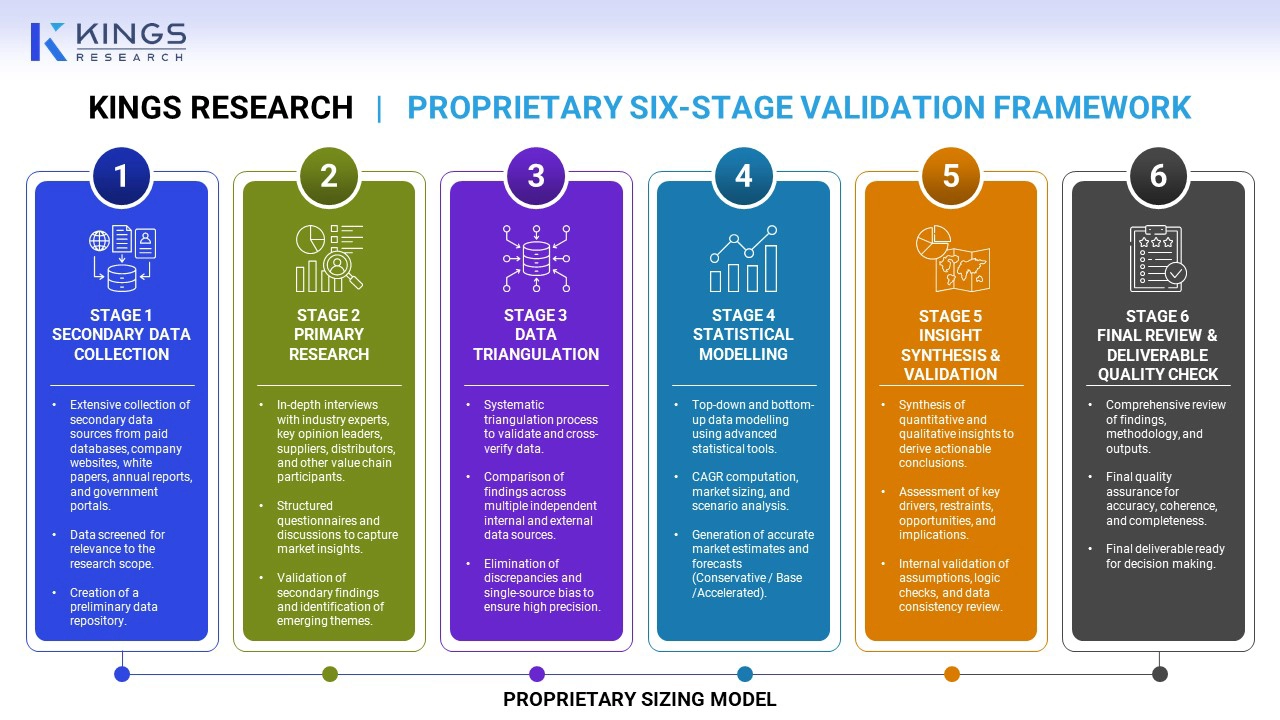
How We Gather This Information
Our methodology triangulates insights from multiple independent and publicly available research databases, which is further validated against regulatory filings and public company disclosures. All estimates are cross-verified; no single-source data is presented without validation.
 Why Kings Research?
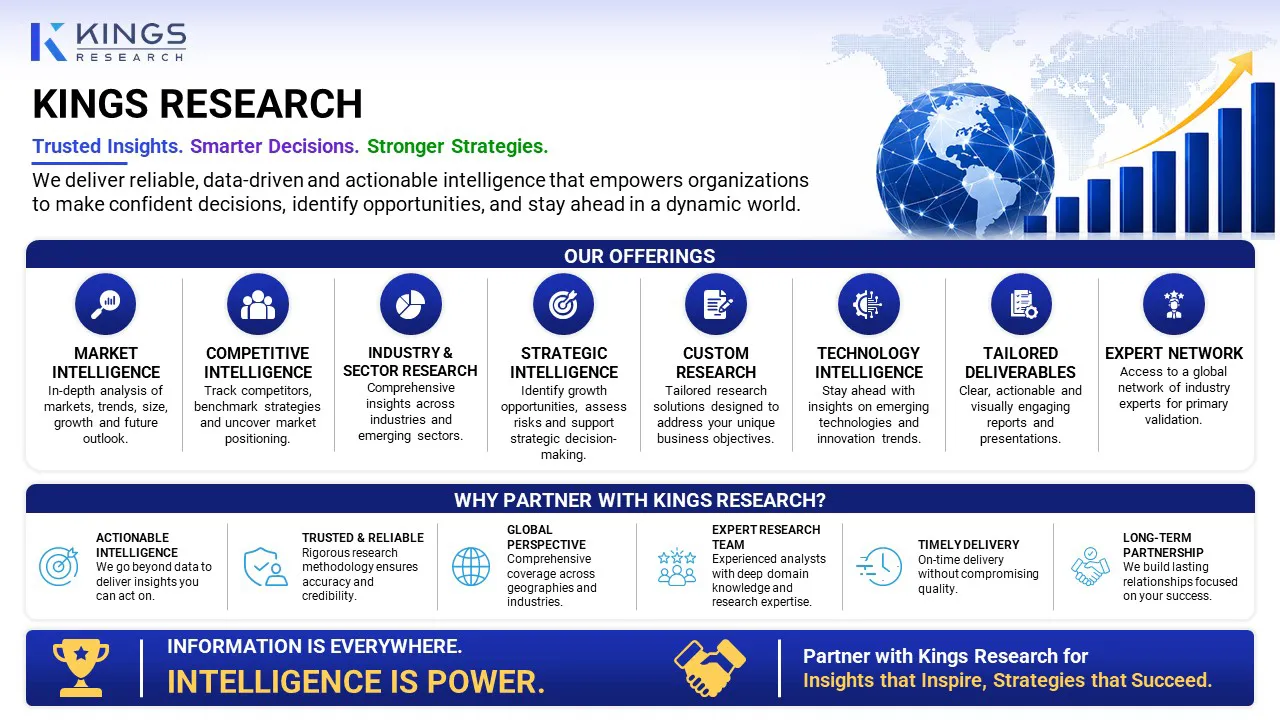
Our custom offerings deliver tailored, data-driven intelligence and strategic guidance to help organizations identify, evaluate, and capitalize on key market opportunities.
Frequently Asked Questions

Aswathi holds cross-domain expertise, translating market trends and competitive intelligence into decision-ready insights. Her work helps clients interpret evolving market conditions and identify growth opportunities. She brings a focused, insight-led approach to research execution. She translates these findings into clear, prioritized action plans that align with client capabilities. Her research often includes scenario modeling to test growth strategies under varying economic conditions. She maintains a rigorous validation process, cross-checking primary and secondary sources to ensure reliability. Clients value her ability to synthesize noisy data into concise executive summaries that drive board-level discussions. Her sector-specific lens, combined with a pragmatic focus on execution, consistently delivers high-impact, commercially sound recommendations. Her structured yet flexible research frameworks adapt to client timelines without compromising depth. She is known for distilling complex trade-offs into straightforward, defensible positions that facilitate confident decision-making.
Habi is a seasoned research and consulting leader with renowned experience in guiding clients on strategic growth and transformation initiatives across global markets. He has led high-performing research teams that deliver actionable insights on market expansion, M&A strategies, opportunity assessment, new business development, and product launches. His project portfolio spans large petrochemical producers, electronic device manufacturers, lubricants companies, and other leading enterprises across diverse industrial and consumer sectors. He currently heads the research department at Kings Research, where he is responsible for setting the research agenda, mentoring analysts, and ensuring client-ready deliverables that support executive decision-making. With extensive experience in market intelligence, strategic research, and consulting, Habi brings a strong understanding of evolving industry dynamics, competitive landscapes, emerging opportunities, and business growth challenges. His expertise includes developing research frameworks, translating complex market data into actionable strategic recommendations, and working closely with senior stakeholders to address critical business questions. He has also contributed to building research capabilities, strengthening analytical methodologies, and driving a culture of quality and insight-led decision-making within research teams. His cross-industry exposure enables him to connect market trends with broader business implications and provide perspectives that help organizations identify opportunities, mitigate risks, and make informed strategic decisions.