


Cosmetics play an important role in modern personal care. They are used not only for appearance but also for hygiene, protection, and skin maintenance. From daily skincare routines to professional makeup applications, cosmetics influence how people care for their skin, hair, and overall presentation.
The cosmetics industry has expanded steadily as consumer expectations evolve. Innovation in formulation science, ingredient development, and e-commerce experiences continues to reshape how products are designed and chosen. At the same time, awareness around safety, ingredient transparency, and sustainability has increased. Understanding how cosmetics work, what they contain, and how they are regulated is now as important as product choice itself.
This guide explains the main types of cosmetics, common ingredients, safety considerations, and emerging industry trends to help readers make informed decisions. Kings Research also notes that the global cosmetics market is anticipated to be around $474 billion by 2031.
What Are Cosmetics?
The U.S. Food and Drug Administration (FDA) defines cosmetics as products intended to be applied to the human body for cleansing, beautifying, promoting attractiveness, or altering appearance. Cosmetics are not intended to treat or prevent disease, which differentiates them from drugs.
Common cosmetic uses include improving appearance, protecting the skin, enhancing features, and maintaining cleanliness. Products may be applied to the face, hair, nails, lips, or body, depending on their purpose. Understanding this definition helps clarify why some products fall under cosmetic regulations while others require medical approval.
Main Types of Cosmetics
- Makeup Products
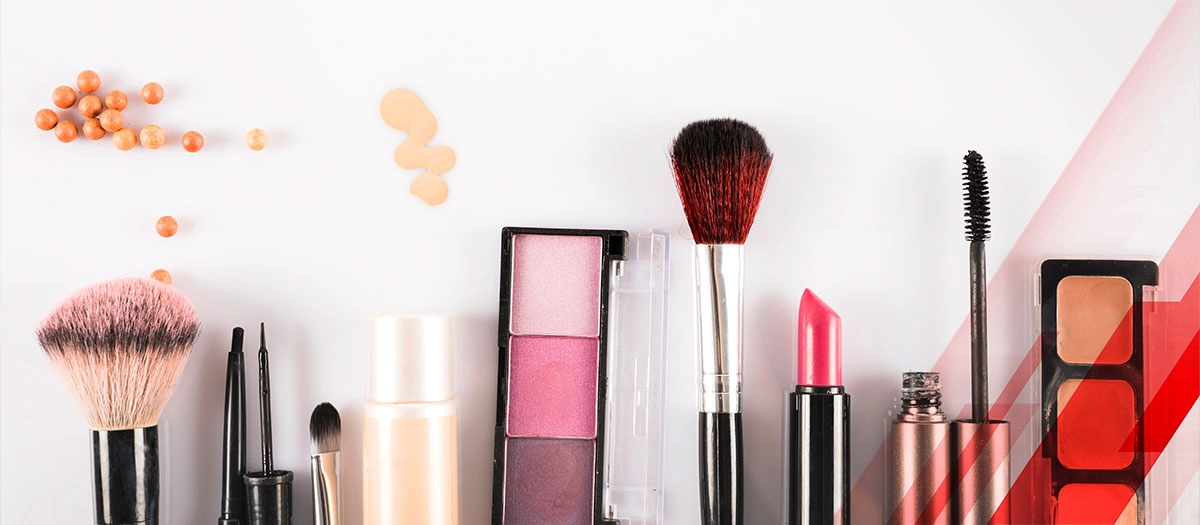
Makeup products are designed to enhance or alter appearance temporarily. Common examples include foundation, lipstick, mascara, eyeshadow, and blush. Foundation helps create an even skin tone, while products like mascara and eyeliner emphasize eye features. Lipstick adds color and definition to the lips. These products rely heavily on pigments and texture-enhancing ingredients to achieve desired visual effects.
- Skincare Cosmetics
Skincare cosmetics focus on protecting and maintaining the skin’s condition. Moisturizers help reduce dryness by supporting the skin barrier, while sunscreens protect against ultraviolet radiation. Serums often contain concentrated ingredients aimed at hydration or appearance improvement. Although many skincare products offer cosmetic benefits, they remain classified as cosmetics unless they make therapeutic claims.
- Hair & Personal Care Cosmetics
Hair and personal care cosmetics include shampoos, conditioners, hair styling products, deodorants, and body lotions. These items support grooming and hygiene while improving the appearance or feel of hair and skin. Formulation balance is important in these products because they must clean effectively without causing irritation.
How Cosmetics Are Made
Cosmetic manufacturing combines chemistry, formulation science, and quality control. The process typically begins with ingredient selection based on function, safety, and product goals. Scientists then create formulations that balance texture, stability, and performance.
Ingredient testing plays a key role during development. Manufacturers evaluate compatibility between ingredients to ensure stability and consistent performance over time. Formulation scientists test factors such as pH levels, viscosity, and skin feel to achieve desired results.
Quality assurance is another essential step. Products must meet safety and manufacturing standards before reaching consumers. Testing for contamination, stability, and packaging compatibility helps maintain consistency across batches.
Key Ingredients Commonly Found in Cosmetics
Cosmetic products contain a wide range of ingredients, each serving a specific function.
- Emulsifiers: Help mix oil and water-based ingredients, creating stable and smooth textures in creams and lotions.
- Preservatives: Prevent microbial growth and extend shelf life, helping keep products safe during normal use.
- Fragrances: Add scent, enhancing user experience, although they may be a concern for sensitive skin users.
- Pigments: Provide color in makeup products such as lipstick, foundation, and eyeshadow.
- Moisturizers: Help maintain hydration by reducing water loss from the skin, supporting smoother texture and comfort.
Understanding ingredient roles helps consumers evaluate products based on function rather than marketing claims.
Are Cosmetics Safe?
Cosmetic safety is a major concern for consumers and regulators. The FDA oversees cosmetics sold in the United States and requires that products be safe for intended use. While most cosmetics do not require pre-market approval, companies remain responsible for ensuring safety through proper testing and manufacturing practices.
Patch testing is often recommended for individuals with sensitive skin. Applying a small amount of product to a limited skin area can help identify potential irritation before full use.
Research supported by institutions such as the National Institutes of Health (NIH) and the National Cancer Institute emphasizes the importance of evaluating ingredient exposure and long-term safety. Consumers should follow usage instructions and discontinue use if irritation occurs. Claims that one category, such as “natural” or “organic,” is always safer are not supported universally; safety depends on formulation and individual sensitivity.
How to Choose Cosmetics for Different Skin Types
Selecting cosmetics based on skin type improves both comfort and results.
- Oily skin often benefits from lightweight, non-comedogenic products designed to reduce shine and prevent clogged pores.
- Dry skin typically requires hydrating formulations with moisturizing ingredients that support the skin barrier.
- Sensitive skin users may prefer fragrance-free or simplified formulations to reduce irritation risk.
- Acne-prone skin usually benefits from products labeled non-comedogenic and lightweight to avoid pore blockage.
Testing products gradually and reading ingredient labels helps users identify what works best for their individual needs.
Latest Trends in the Cosmetics Industry
Innovation continues to reshape cosmetic development and consumer experience. Virtual try-on technology allows customers to test makeup digitally before purchase. Personalization is also growing, with brands offering products tailored to skin tone or preferences.
Smaller independent brands are gaining visibility by focusing on niche needs and transparent marketing. These trends reflect broader changes in consumer expectations, where customization and digital experiences influence purchasing decisions.
Sustainable & Clean Beauty Movement
Sustainability has become an important topic in cosmetics. Consumers are increasingly interested in smart packaging, ethical sourcing, and environmentally responsible formulations. The clean beauty movement emphasizes ingredient transparency and simpler formulations, although definitions can vary across brands.
Sustainable practices may include recyclable packaging, reduced water usage in manufacturing, and responsible sourcing of raw materials. While these initiatives continue to evolve, they reflect growing awareness that environmental considerations are shaping future cosmetic development.
Future of the Cosmetics Industry
The cosmetics industry is expected to continue evolving through science, technology, and consumer demand. Advances in formulation chemistry, data-driven personalization, and digital retail tools will influence how products are designed and marketed.
Regulatory attention to safety and transparency is likely to increase, encouraging companies to maintain clearer ingredient communication. Innovation in sustainability and ingredient research will also shape long-term product development.
Overall, the future of cosmetics will balance performance, safety, and environmental responsibility while adapting to changing consumer expectations.
Conclusion
Cosmetics are a central part of personal care and self-expression, supported by evolving science and consumer expectations. Understanding product types, ingredients, and safety considerations helps users make informed choices while navigating a growing and innovative industry.
As regulations, sustainability priorities, and technology continue to shape the market, cosmetics will increasingly combine performance with transparency and responsibility. For both consumers and industry observers, informed evaluation remains the key to choosing products that balance safety, effectiveness, and long-term value.