

Protein plays an essential role in muscle repair, metabolism, and overall health. Many people rely on protein supplements to meet daily nutrition needs, especially athletes and individuals following high-protein diets. Egg protein powder, made from dehydrated egg whites, offers a complete, dairy-free source of protein with all essential amino acids.
According to USDA FoodData Central, egg white protein offers a highly balanced amino acid profile that supports muscle repair and recovery. According to the latest Kings Research report is growing at a rapid pace and is projected to be valued at USD 13.45 billion by 2030.
What Is Egg Protein Powder?
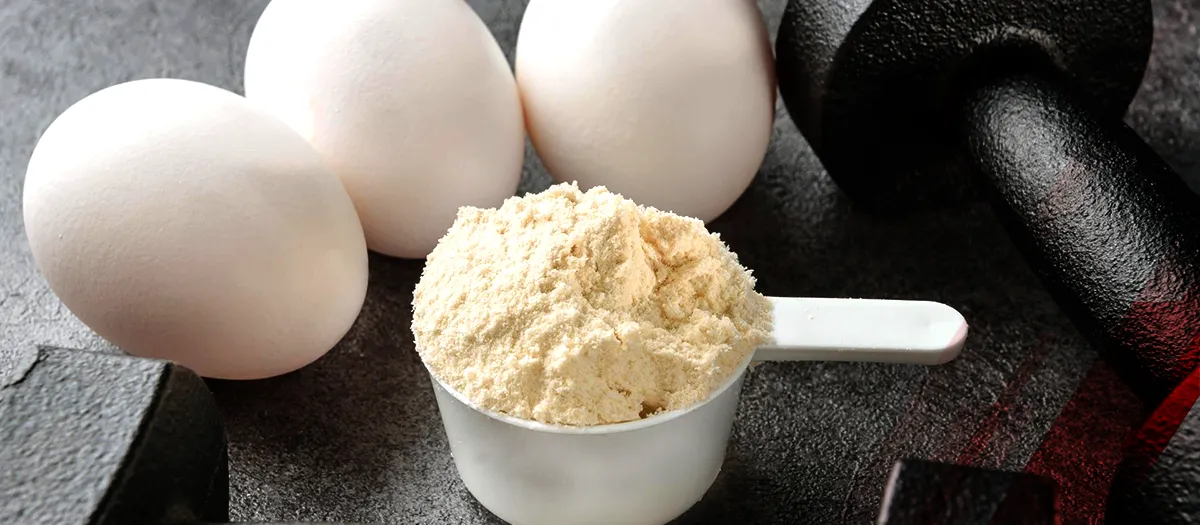
Egg protein powder is a protein supplement made from egg whites, also called albumen, that have been dried and processed into a fine powder. The powder contains concentrated protein and essential amino acids while keeping fat and carbohydrates very low.
Egg whites provide all nine essential amino acids, making egg protein a nutritionally complete protein with a biological value of 94, comparable in quality to whey protein. As egg white protein powder contains no lactose, it is often used by people who cannot tolerate dairy-based protein powders.
It is important to distinguish egg protein powder from whole egg powder. Whole egg powder contains both the egg white and the yolk, which increases fat and cholesterol content. Egg white powder contains only the albumen portion of the egg, so it remains almost entirely protein with very little fat.
How Is Egg Protein Powder Made?
The production follows several controlled steps designed to maintain safety and nutritional quality.
1. Egg Breaking and Albumen Separation
The process begins with whole eggs that are mechanically broken in specialized equipment. The egg whites are separated from the yolks to isolate the protein-rich albumen.
2. Filtration
The liquid egg whites pass through filtration systems that remove shell fragments and other impurities. This step ensures a smooth and consistent raw material before further processing.
3. Pasteurization
Egg whites are pasteurized to eliminate harmful pathogens such as Salmonella.
4. Drying Process
The pasteurized egg whites are dried using spray-drying or drum-drying technology. This process removes most of the moisture while preserving the protein structure.
5. Milling and Sifting
The dried material is milled into a fine powder and sifted to create a uniform texture that dissolves easily in liquids.
6. Quality Testing and Packaging
Manufacturers test the powder for microbial safety, protein content, and moisture levels before packaging. Production facilities follow USDA egg product inspection standards to ensure product safety and quality.
Egg Protein Powder Nutrition Profile
Egg white protein powder provides a concentrated source of protein with minimal fat and carbohydrates.
- Nutrient: Per 30g Serving (Approx.)
- Calories: 100–110 kcal
- Protein: 24–26 g
- Total Fat:0–0.5 g
- Carbohydrates:1–2 g
- Sodium:300–400 mg
- Leucine:~2.1 g
- Lysine~1.8 g
Leucine is especially important for athletes. Research published in PubMed shows that leucine plays a key , the biological process that helps muscles repair and grow after exercise.
Egg White Protein vs. Whey Protein vs. Plant Protein
Different protein powders have distinct nutritional characteristics, making each suitable for different dietary needs and goals. Egg white protein powder typically provides approximately, with around 100-108 calories and less than 0.1% fat content.
It is naturally lactose-free and contains all nine essential amino acids, confirming its status as a complete protein with a biological value of 94. Egg protein digests at a moderate rate, allowing a steady release of amino acids into the bloodstream, making it effective for sustained protein delivery and suitable for culinary applications such as baking due to its gelling and foaming properties.
Whey protein is a complete protein containing all essential amino acids, but it is derived from dairy and contains lactose, making whey concentrate potentially unsuitable for individuals with lactose intolerance, though whey isolate undergoes additional processing that substantially reduces lactose content.
Plant-based proteins such as pea protein usually provide 15–20 grams of protein per serving and around 100–120 calories, with about 2 grams of fat. They are lactose-free and suitable for vegan diets, though some plant proteins may lack all essential amino acids unless combined with other plant sources. Plant proteins tend to digest more slowly than whey, providing a more gradual release of amino acids.
Health Benefits of Egg Protein Powder
-
Supports Muscle Protein Synthesis
It contains essential amino acids that help stimulate muscle protein synthesis after exercise. Research published in PMC/NIH shows that amino acids such as leucine activate cellular pathways involved in muscle repair and growth.
-
Promotes Muscle Growth and Recovery
Athletes often increase protein intake to support recovery after resistance training. Adequate protein intake helps repair muscle fibers damaged during exercise and supports the development of lean muscle mass.
-
Aids in Weight Management
Protein can increase feelings of fullness. High-protein foods may help regulate appetite hormones and reduce hunger, which may support weight management strategies.
-
Dairy-Free and Lactose-Free
Egg white protein powder provides a dairy-free alternative to whey protein. This is important because the National Institutes of Health (NIH) reports that approximately 68 percent of the global population experiences some level of lactose malabsorption.
-
Rich in Essential Vitamins and Minerals
Egg whites contain nutrients such as riboflavin (vitamin B2), selenium, and phosphorus. Selenium supports antioxidant defense systems and contributes to thyroid hormone metabolism.
-
Low in Fat and Carbohydrates
Egg protein powder contains very little fat and carbohydrates compared with whole eggs. This makes it suitable for calorie-controlled diets and certain low-carbohydrate nutrition plans.
-
Egg Protein Powder in the Food Industry and Culinary Uses
Egg white protein powder is widely used in food service, its production, and home cooking because of its functional properties.
-
Baking and Pastry Applications
Egg white powder can act as a binding agent, emulsifier, and foaming agent in baked goods. When reconstituted with water, it can replace fresh egg whites in many recipes.
-
Royal Icing and Cake Decoration
Bakers often use powdered egg whites in royal icing because it provides a consistent texture and eliminates the safety concerns associated with raw egg whites.
-
Macaron Making
Macarons require stable meringue to achieve the correct texture. Powdered egg whites help stabilize the foam structure and reduce the risk of over-whipping during preparation.
-
Cocktails and Beverages
Egg whites are traditionally used to create foam in cocktails such as whiskey sours or Pisco sours. Powdered egg whites provide the same texture while reducing food safety concerns.
-
Protein Shakes and Smoothies
Many fitness enthusiasts use egg white protein powder in shakes and smoothies. It blends easily with milk alternatives, fruits, and nut butters without the strong flavors sometimes associated with plant proteins.
How to Use Egg Protein Powder?
Egg protein powder can be used in several ways:
- Post-workout shakes: Mix about 30 grams with water or milk alternatives after exercise.
- Overnight oats: Add protein powder to oats for additional protein content.
- Pancake or waffle batter: Replace part of the flour with egg white powder for higher protein.
- Smoothie bowls: Blend with fruit and yogurt alternatives.
- Baking recipes: Substitute for fresh egg whites when rehydrated with water.
- Soups or broths: Stir into hot liquids to increase protein content.
Protein needs vary depending on activity level. According to the NIH Office of Dietary Supplements, athletes and active individuals require 1.2 to 2.0 grams of protein per kilogram of body weight per day, depending on training intensity and activity type, compared to the standard recommended dietary allowance of 0.8 grams per kilogram per day for sedentary adults.
Potential Side Effects and Who Should Avoid Them
Egg protein powder is safe for most people when consumed in moderate amounts, but some considerations are important.
- Egg allergies: Individuals with egg allergies must avoid egg protein powder completely.
- High sodium levels: Some egg white powders contain moderate sodium levels, which may be relevant for people managing high blood pressure.
- Excess protein intake: Very high protein consumption (1.3g/kg) may place stress on the kidneys in people with pre-existing kidney disease.
- Biotin absorption: Raw egg whites contain avidin, which can interfere with biotin absorption. Pasteurized egg white powder neutralizes this effect during processing.
- Digestive discomfort: Large servings of protein supplements may cause bloating or digestive discomfort in some individuals.
Conclusion
Egg protein powder provides a complete, lactose-free protein source that supports muscle repair, weight management, and general nutrition. Because it contains all essential amino acids and very little fat or carbohydrates, it works well for athletes, health-conscious consumers, and individuals avoiding dairy products. Beyond fitness supplements, egg white powder also plays an important role in baking, food production, and culinary applications.
As interest in high-protein diets and alternative protein sources continues to grow, egg protein powder is likely to remain a versatile option for both nutrition and cooking in the coming years.