Inquire Now
Key Strategic Points
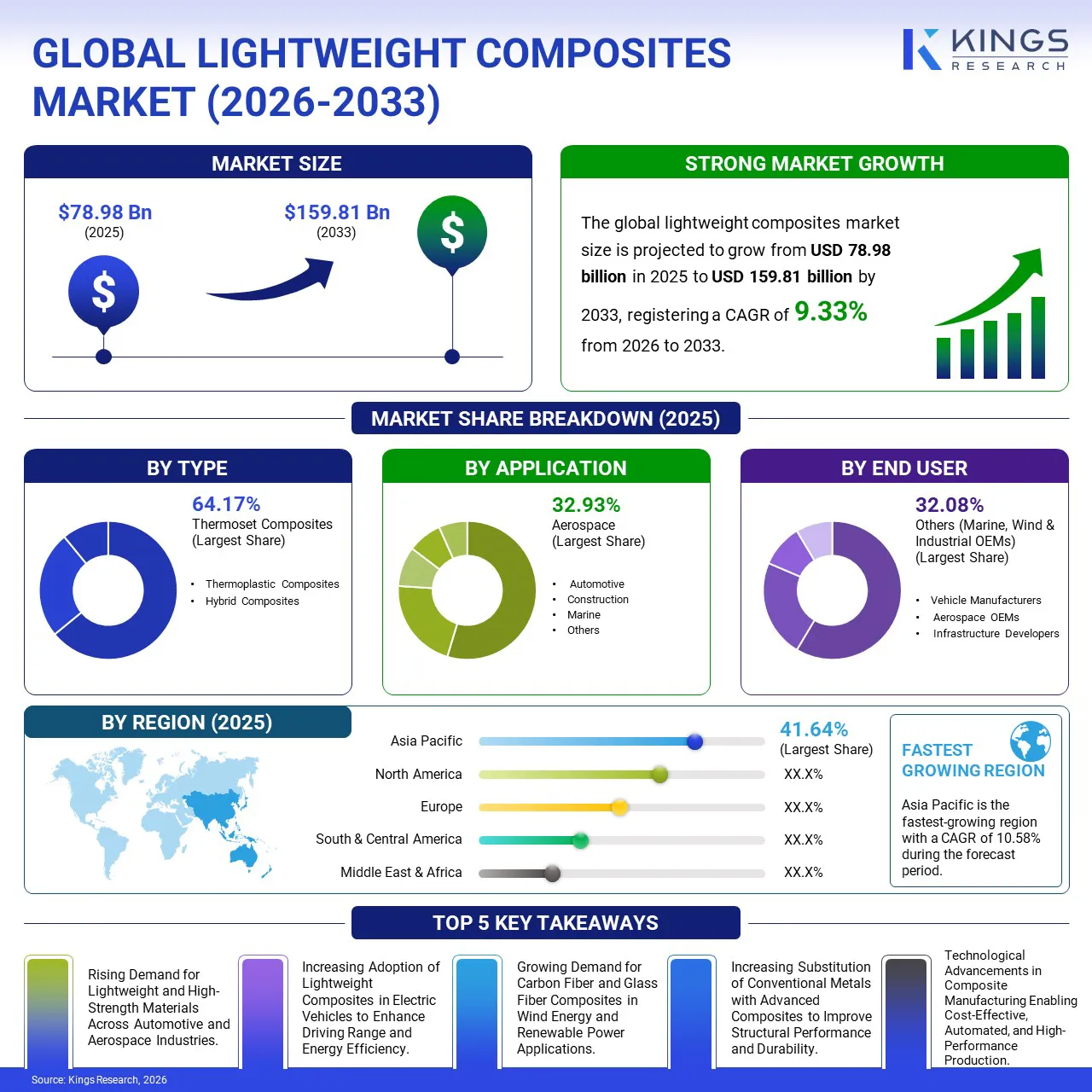
According to Kings Research, the global lightweight composites market size was USD 78.98 billion in 2025 and is projected to reach USD 159.81 billion by 2033, exhibiting a CAGR of 9.33% during the forecast period (2026-2033).
Market growth is driven by rising demand for fuel-efficient, lightweight vehicles, increasing commercial aircraft production, and expanding wind energy installations. The growing adoption of electric vehicles further supports demand for lightweight composites, as these materials help reduce vehicle weight, improve energy efficiency, and extend driving range. Moreover, a surge in investments in aerospace modernization, rail infrastructure development, marine applications, and lightweight construction materials further creates market development avenues for lightweight composites.
The market covers fiber-reinforced polymer-matrix composites made from glass, carbon, aramid, natural, and hybrid fibers in thermoset or thermoplastic matrices. These materials serve weight-critical applications across automotive, aerospace, construction, marine, wind, rail, sporting goods, and drones. The market is expanding beyond high-value aerospace programs into broader industrial applications. Thermoplastic composites are gaining traction due to weldability, reshaping capabilities, and recyclability, while carbon fiber producers are restructuring capacity following a period of oversupply.
Rising production of commercial and business aircraft is fueling demand for lightweight composite materials. Aircraft manufacturers are increasingly incorporating carbon fiber-reinforced polymers and other advanced composites into wings, fuselage sections, tail structures, and engine nacelles. Their high strength-to-weight ratios help reduce aircraft structural weight, improve fuel efficiency, and enhance aircraft performance. Aircraft production growth and fleet expansion driven by modernization are further increasing demand for composite prepregs, carbon fibers, honeycomb cores, and finished composite components.
According to the General Aviation Manufacturers Association (GAMA), the total aircraft deliveries increased by 2.2% year-over-year to 3,230 units in 2025. Piston aircraft shipments rose marginally to 1,782 units, while business jet deliveries grew by 11.8%, to 854 units. This growth in aircraft deliveries supports fleet expansion and the adoption of lightweight composites in aerospace manufacturing.
The focus on fuel efficiency, weight reduction, and aircraft performance is further boosting demand for high-strength, lightweight composite materials. Aircraft manufacturers are further integrating advanced testing methodologies and next-generation aircraft technologies to optimize fuel efficiency and accelerate development timelines.
In September 2026, Airbus announced plans to reduce testing lead times for its next-generation single-aisle aircraft by 50% through integrated physical and virtual testing methods. The program targets a 20–30% improvement in fuel efficiency, highlighting the focus on lightweight aircraft structures and advanced composite materials in next-generation aircraft.
The expansion of wind energy systems is further contributing significantly to market development. Wind turbine blades primarily use glass fiber composites, while longer blades for higher-capacity turbines need more material per unit. Consequently, new installations increase demand for glass and carbon fiber reinforcements, epoxy resins, and structural core materials.
According to the Global Wind Energy Council (GWEC), global wind capacity additions increased by approximately 40% year-over-year to a record 165 GW in 2025, bringing cumulative installed capacity to 1,299 GW. Rising electricity demand, energy security concerns, and accelerating digitalization are supporting this expansion. The growth in wind energy installations is increasing demand for larger, lightweight, and structurally efficient wind turbine blades, supporting the adoption of lightweight composite materials.
High dependence on foreign suppliers, limited domestic manufacturing capacity, and supply-chain vulnerabilities limit market expansion. Geopolitical tensions and trade restrictions disrupt raw material availability, affecting supply security. Additionally, lengthy supplier qualification processes, particularly in aerospace and defense, make switching suppliers difficult and threaten supply continuity. These challenges, coupled with reduced domestic carbon fiber manufacturing capacity, increase the risk of supply disruptions and hamper market growth.
In October 2026, SGL Carbon announced the sale of its former carbon fiber manufacturing facility in Moses Lake, U.S., to Refactor Moses Lake LLC for USD 70 million. Production at the facility had ceased in August 2025 following the termination of unprofitable operations. This underscores the financial pressures facing carbon fiber manufacturers and the potential for supply-side disruptions in the global market.
Circular economy mandates are creating growth opportunities by encouraging investment in lifecycle extension, design-for-disassembly, and scalable recycling. Stricter regulations across transportation and energy sectors are driving manufacturers to shift from conventional, difficult-to-recycle thermosets toward thermoplastic composites, recyclable epoxy systems, and chemical solvolysis technologies.
In the automotive sector, stringent vehicle recovery requirements are encouraging adoption of lightweight composite materials. In June 2026, the European Composites Industry Association (EuCIA) highlighted the EU’s newly passed End-of-Life Vehicles (ELV) Regulation, which sets mandatory post-consumer recycled plastic targets of 15% within six years and 25% within ten years. To meet these targets while maintaining lightweighting objectives, OEMs and tier-1 suppliers are redesigning structural assemblies around mechanically and chemically recyclable thermoplastic matrices.
These measures are anticipated to boost investment in advanced recycling technologies, expand secondary raw material markets, and create opportunities for circular composite materials.
Similarly, wind turbine manufacturers are collaborating with resin and adhesive suppliers to develop formulations that improve bonding performance, durability, and manufacturing efficiency of wind turbines. These advanced material systems support longer, lightweight composite blades while improving process consistency and reducing manufacturing defects. For instance, in July 2026, Gurit secured a two-year supply contract worth approximately USD 14.87 million with a leading global wind turbine manufacturer. The agreement covers epoxy-based resins and adhesives, including customized formulations, for wind turbine blade manufacturing. It also expands Gurit's formulated products portfolio and strengthens its position as an integrated composite solutions provider in the wind energy sector.
|
Segmentation |
Details |
|
|
By Type |
Thermoset Composites, Thermplastic Composites, and Hybrid Composites |
|
|
By Application |
Automotive, Aerospace, Construction, Marine, and Others |
|
|
By End User |
Vehicle Manufacturers, Aerospace OEMs, Infrastructure Developers, and Others |
|
|
By Region |
North America |
U.S., Canada, and Mexico |
|
Europe |
France, UK, Spain, Germany, Italy, Russia, and Rest of Europe |
|
|
Asia Pacific |
China, Japan, India, Australia, ASEAN, South Korea, and Rest of Asia Pacific |
|
|
Middle East & Africa |
Turkey, U.A.E., Saudi Arabia, South Africa, and Rest of Middle East & Africa |
|
|
South & Central America |
Brazil, Argentina, and Rest of South & Central America |
|
The thermoset composites segment held the majority share of 64.17% in 2025 and is projected to reach USD 94.08 billion by 2033. The superior strength-to-weight ratio, high mechanical strength, and excellent dimensional stability under extreme temperatures contribute significantly to their high demand. Additionally, the high corrosion, chemical, and fatigue resistance of thermoset composites further ensures long service life and reduced maintenance requirements across demanding applications, including aerospace, automotive, marine, energy, and infrastructure applications.
The aerospace segment accounted for the largest share of 32.93% in 2025. The dominance is driven by the demand to reduce aircraft weight, improve fuel efficiency, and enhance aircraft structural performance. The high durability, strength-to-weight ratios, fatigue resistance, and the ability to withstand extreme temperatures and environmental conditions make them widely applicable for critical aircraft components. Additionally, the design flexibility and compatibility of lightweight composites with advanced automated manufacturing processes enable the production of complex structures, reduce component weight, and lower long-term maintenance and operating costs.
The global lightweight composites market is segmented into North America, Europe, Asia Pacific, Middle East & Africa, and South & Central America.
Asia Pacific
Asia Pacific held the largest share of 41.64% in 2025, valued at USD 32.89 billion. This dominance is reinforced by concentrated manufacturing capacity, extensive renewable energy installations, and supply chain proximity across China, Japan, South Korea, and India. China leads regional demand through wind turbine installations, electric vehicle production, and large-scale glass fiber manufacturing.
The International Council on Clean Transportation (ICCT) reported sales of over 20 million electric vehicles in 2025, with growth across major markets. In China, EVs accounted for 52% of light-duty vehicle sales, and the country represented 62% of global light-duty EV sales and 71% of global EV production. This underscores the importance of lightweight composites in automotive applications, as they help offset the additional weight of battery packs, which can affect vehicle range and acceleration, thereby supporting longer driving ranges per charge and lower energy consumption.
Extensive manufacturing and industrial ecosystems across South Korea, Japan, India, and Southeast Asia further support regional demand. Expanding manufacturing capacity, a large marine economy, growing transportation industries, renewable energy investments, and demand for corrosion-resistant infrastructure contribute to domestic market growth. Thailand's established automotive and boatbuilding industries, Vietnam's developing industrial manufacturing, marine construction, and wind energy sectors, Indonesia's demand across boats, tanks, pipes, infrastructure, and transportation, and the Philippines' marine, infrastructure, and renewable energy sectors further strengthen demand for lightweight composites.
North America
The North America lightweight composites market is expected to register a CAGR of 8.39% over the forecast period, driven by the region’s established aerospace, defense, automotive, and wind energy industries. The U.S. leads regional demand as a major aircraft producer, defense platform manufacturer, and composite material supplier. Growing interest in sustainable aviation materials is creating opportunities for natural fiber composites, particularly hybrid structures combining natural fibers with carbon and glass fibers. These materials offer lower structural weight, improved vibration damping, and reduced embodied energy, although certification, durability, and large-scale manufacturing challenges remain. Meanwhile, Mexico’s wind blade and automotive component manufacturing industries serve U.S. and export markets, while Canada's established aerospace supply base further supports regional demand. Continued investment in aircraft production and wind blade capacity is anticipated to boost regional market expansion.
Europe, Middle East & Africa and South & Central America
The Europe lightweight composites market is poised to register steady growth, propelled by strong demand from the aerospace, automotive, and renewable energy industries. Increasing emphasis on aircraft fuel efficiency, vehicle lightweighting, stringent carbon emission regulations, and the expansion of offshore wind energy capacity is expected to support the adoption of advanced composite materials.
France and Germany host major aircraft assembly facilities and composite component manufacturers, while the UK has a strong aerospace and wind energy composites industry. However, European composite producers face competition from lower-cost imports and high energy prices, prompting restructuring among some suppliers. Sustained demand from commercial aircraft programs, offshore wind installations, and premium automotive manufacturers is expected to support regional market growth through 2033.
The Middle East & Africa lightweight composites market is projected to grow at a CAGR of 8.89% over the forecast period, driven by investments in infrastructure, aerospace manufacturing, transportation, and renewable energy projects. Government-led economic diversification initiatives, expanding industrial capabilities, and investments in advanced manufacturing technologies are creating new growth opportunities.
Large-scale infrastructure projects and expanding manufacturing programs are driving demand for composite structures. Additionally, renewable energy development across GCC countries, particularly wind energy installations, is supporting adoption of lightweight composites. Increasing investments in aerospace, construction, and transportation infrastructure are also expected to create favorable growth opportunities throughout the forecast period.
South & Central America is poised to register a steady growth rate over the forecast period. Regional growth is supported by extensive manufacturing facilities requiring advanced lightweight composites. An established aerospace manufacturing ecosystem, coupled with renewable energy infrastructure investments, is boosting the use of composite materials in aircraft structures, wind turbine components, and other industrial applications.
In October 2026, Embraer S.A. reported 66 aircraft deliveries in the third quarter of 2026, its highest third-quarter total on record and a 6% year-over-year increase. Rising aircraft production in Brazil is expected to strengthen demand for lightweight composite materials used in aircraft structures and components, supporting regional market expansion over the forecast period.
The global lightweight composites market is fragmented, with competition shaped by strategic partnerships, supply chain realignments, portfolio optimization, and ownership restructuring. Market players are strengthening long-term supply agreements and securing critical raw material supplies, particularly for aerospace, defense, and wind energy applications. Companies are further streamlining operations and divesting non-core businesses to enhance operational efficiency and focus on high-growth end-use markets.
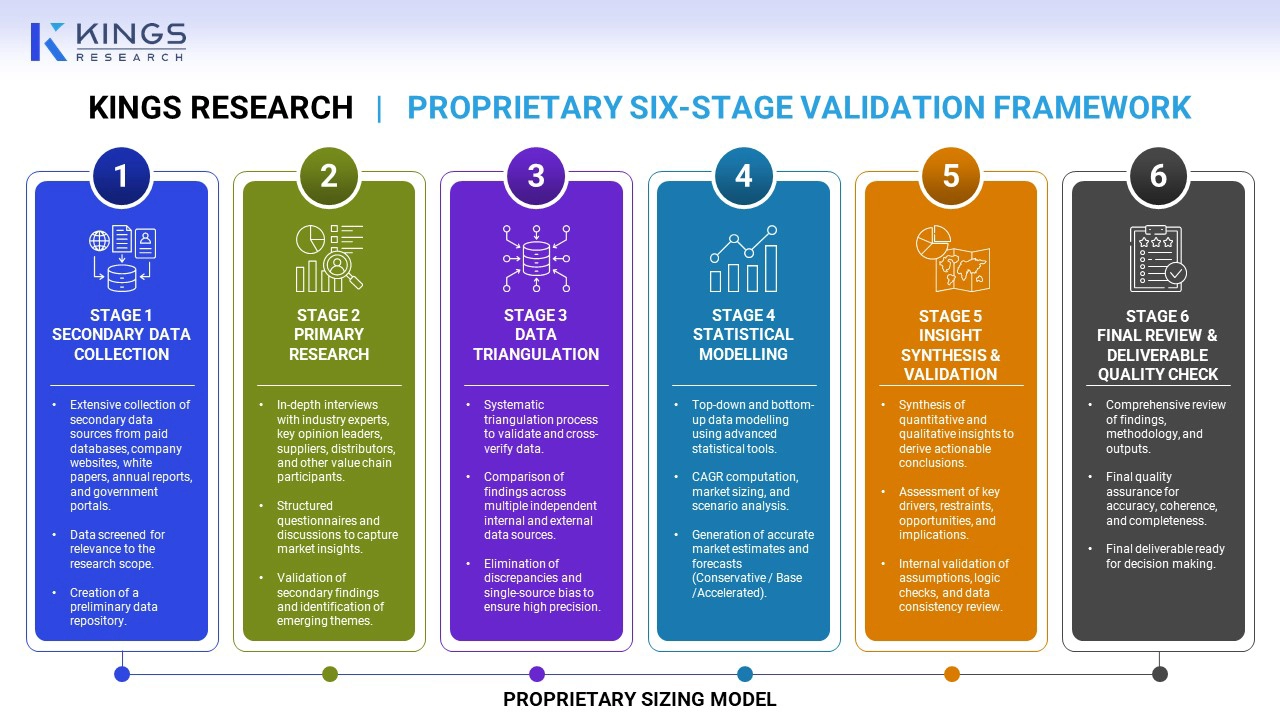
Our methodology triangulates insights from multiple independent and publicly available research databases, which are further validated against regulatory filings and public company disclosures. All estimates are cross-verified; no single-source data is presented without validation.
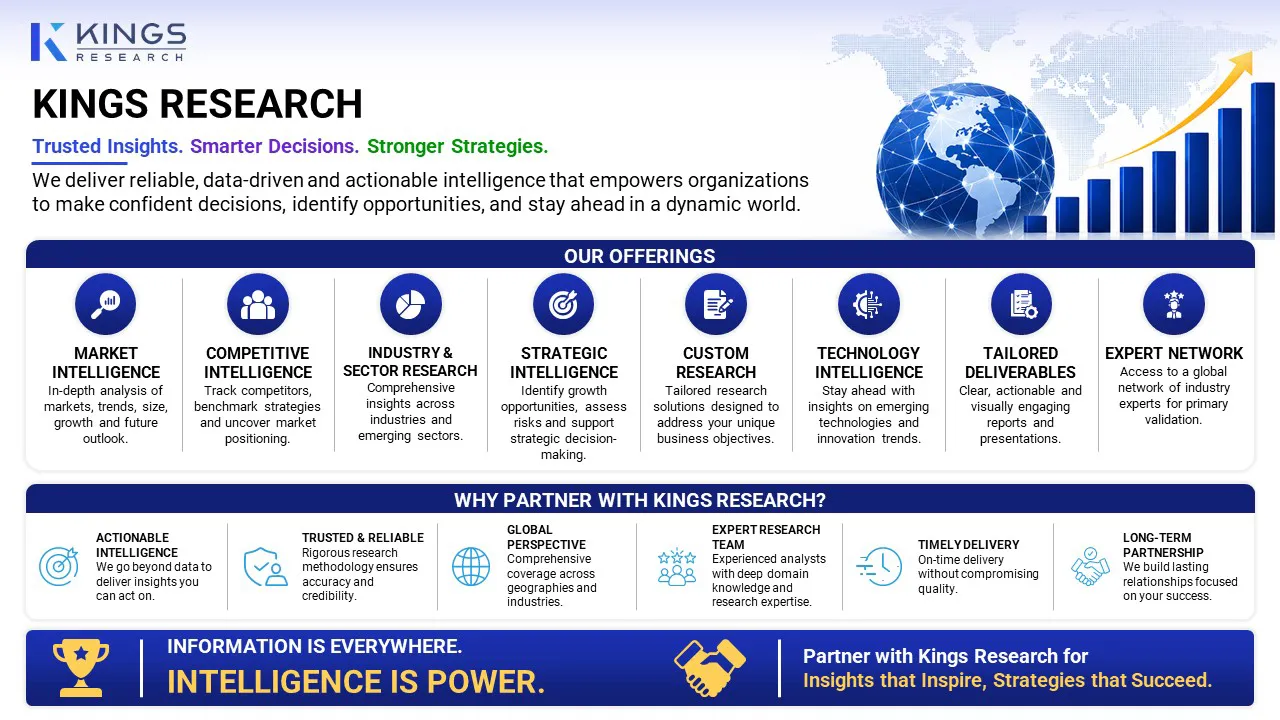
We deliver tailored, data-driven intelligence and strategic guidance to help organizations identify, evaluate, and capitalize on key market opportunities.
Frequently Asked Questions

Faizy brings over four years of experience in market research and consulting, with a proven ability to support strategic engagements across diverse industries and business environments. His work focuses on understanding complex market structures, identifying emerging opportunities, and translating research findings into clear, commercially relevant insights. With strong analytical capabilities and a structured approach to problem-solving, he evaluates industry trends, competitive landscapes, customer dynamics, and evolving business models. His expertise encompasses market research, competitive intelligence, market sizing and forecasting, industry assessment, company benchmarking, and strategic analysis. Faizy combines technical proficiency with a strong research orientation, enabling him to interpret both qualitative and quantitative information effectively. He has contributed to projects that help organizations assess growth potential, strengthen market positioning, and evaluate strategic priorities. His adaptable approach allows him to work across sectors while maintaining a consistent focus on accuracy, relevance, and delivering insights that support informed decision-making for clients and stakeholders.
With many years of consulting experience across global pharma, biotech, and MedTech markets, Minaz brings deep domain expertise, strategic clarity, and analytical rigor to every engagement. She has led 130+ consulting assignments spanning market entry, competitive landscaping, and portfolio prioritization, helping clients navigate complex, high-stakes decisions with confidence. Known for her ability to synthesize primary and secondary research into executive-ready recommendations, Minaz has built forecasting models and market sizing frameworks that have informed multi-million dollar investment decisions in oncology, diagnostics, and peptide therapeutics. Beyond her analytical strength, Minaz is a trusted client partner, translating complex datasets into clear, actionable insights for senior stakeholders. She currently leads a team of research analysts, driving business expansion, and shaping client engagement strategy.