
Inquire Now
Key Strategic Points
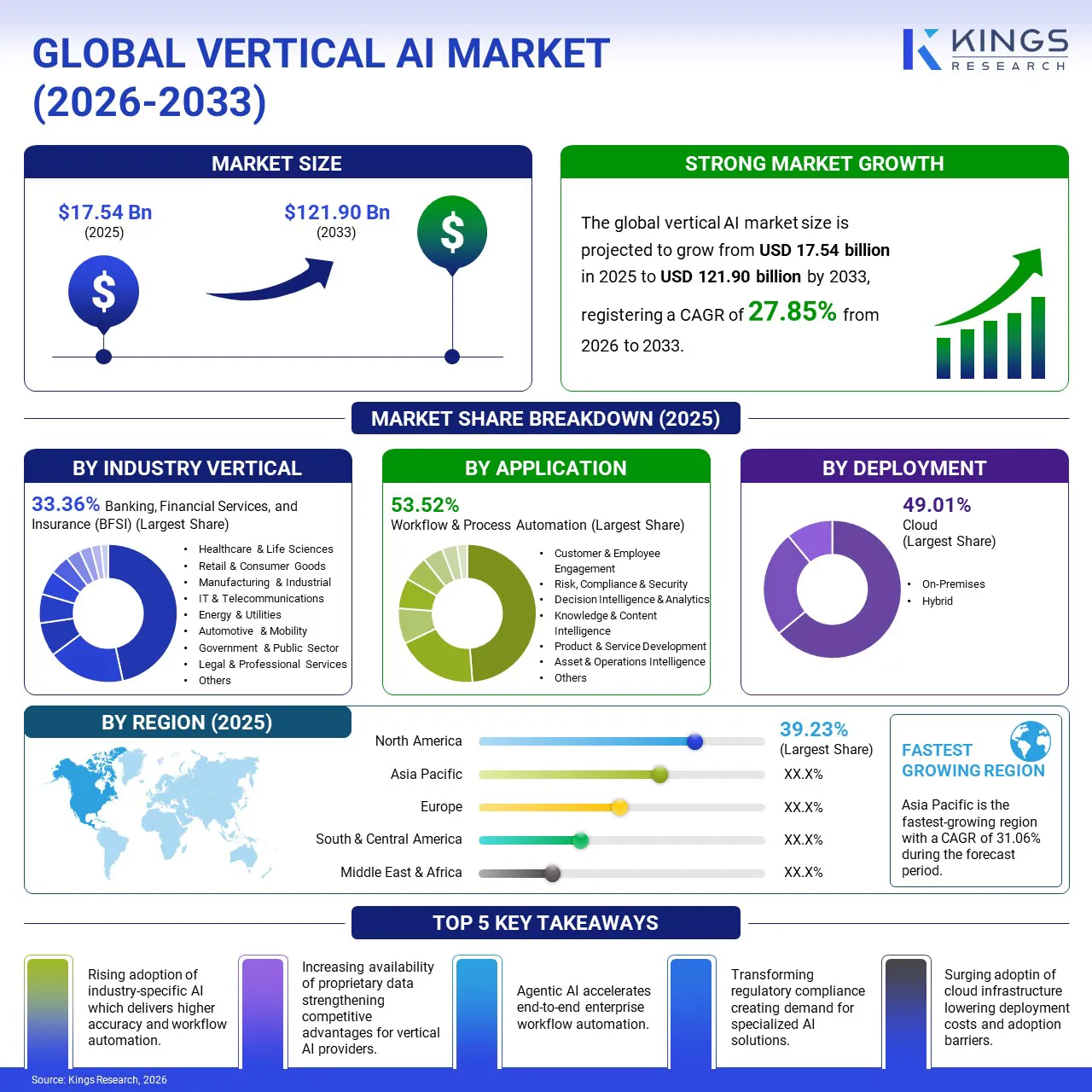
According to Kings Research analysis, the global vertical AI market size was recorded at USD 17.54 billion in 2025 and is projected to reach USD 121.90 billion by 2033, growing at a CAGR of 27.85% over the forecast period from 2026 to 2033.
The market expansion is driven by rising demand for industry-specific solutions that address complex business processes and mission-critical workflows. Additionally, the limitations of generalized AI platforms, including insufficient domain-specific expertise and limited contextual understanding, support this growth. The inclusion of domain-specific proprietary data, industry expertise, adherence to regulatory requirements, and enterprise systems boosts the applicability of vertical AI systems. Opportunities in cloud-based deployment and AI-as-a-Service models further enhance scalability and cost efficiency, presenting growth opportunities.
Increasing demand across diverse end-use verticals to address high-value, mission-critical workflows where generic AI falls short fuels the integration of vertical AI. The ability of vertical AI to combine domain expertise, proprietary industry data, terminology patterns, regulatory knowledge, operational scenarios, and deep workflow integration contributes significantly to its adoption.
Vertical AI enables the automation of actual business processes and the achievement of business objectives through deep knowledge of one specific domain, resulting in fewer errors and quantifiable financial gains. Furthermore, it benefits from stronger defensibility owing to continuous workflow feedback, which improves model accuracy over time. Growing integration of domain-specific AI agents with enterprise data and existing operational platforms enables organizations to automate complex, high-stakes workflows while improving accuracy, traceability, regulatory compliance, and operational efficiency.
For instance, in August 2026, Everlaw strengthened its position in the legal technology sector through a strategic integration with Harvey, which combines agentic legal AI capabilities with a governed evidence layer. The integration establishes a foundation for broader interoperability between legal AI and eDiscovery platforms, thereby supporting large-scale litigation and investigation workflows by enabling AI-driven access to millions of documents and complex case data.
The platform facilitates users to search, retrieve, analyze, and contextualize evidence through natural-language workflows, thereby reducing the need to switch between disconnected systems.
Moreover, in September 2025, Prophia launched the Abstract AI Assistant, an AI-powered lease intelligence tool developed for commercial real estate (CRE) professionals, including brokers, investors, analysts, and asset managers. The vertical AI tool enables users to interact with uploaded lease documents through natural-language questions and receive instant, verified, source-backed answers about key lease terms, including expiration dates, rent escalation schedules, renewal options, and maintenance responsibilities.
Vertical AI agents leverage domain-specific data, which is scattered across enterprise resource planning systems (ERPS), customer relationship management systems (CRMS), legacy systems, and cloud platforms, each of which has its own schema, access protocols, and governance rules. Preparing data for vertical AI engines requires substantial data cleansing and integration efforts and costs, particularly when addressing inconsistent annotations for training and labeling.
Moreover, the effectiveness of data moats, which rely on proprietary customer data and act as a key competitive advantage for vertical AI companies, can be constrained by privacy and confidentiality requirements. The availability of public and synthetic data, along with user interaction metadata, rarely provides a sustainable competitive edge, limiting the extent to which data moats can differentiate vertical AI models.
Vertical AI SaaS solutions embed artificial intelligence directly into industry-specific workflows, thereby enabling stakeholders to capture value that horizontal AI platforms cannot readily address. The rising adoption of AI to automate sector-specific processes and improve operational efficiency is driving end users toward specialized software solutions.
The wide availability of large language models (LLMs) erodes the defensibility of purely technology-led offerings, making proprietary data a key differentiator for AI-native vertical SaaS companies. Unstructured industry data, which has long been underutilized, can be leveraged to enhance product performance and deliver measurable customer value.
Continuous generation of usage data further strengthens these solutions over time, raising switching costs and improving customer retention. Consequently, proprietary data, domain expertise, and effective AI integration are expected to remain the principal sources of competitive differentiation and long-term value creation in the global vertical AI market.
|
Segmentation |
Details |
|
|
By Industry Vertical |
Healthcare & Life Sciences, Banking, Financial Services, and Insurance (BFSI), Retail & Consumer Goods, Manufacturing & Industrial, IT & Telecommunications, Energy & Utilities, Automotive & Mobility, Government & Public Sector, Legal & Professional Services, Others |
|
|
By Application |
Workflow & Process Automation, Customer & Employee Engagement, Risk, Compliance & Security, Decision Intelligence & Analytics, Knowledge & Content Intelligence, Product & Service Development, Asset & Operations Intelligence, Others |
|
|
By Deployment |
Cloud, On-Premises, Hybrid |
|
|
By Organization Size |
Large Enterprises, Small and Medium-sized Enterprises (SMEs) |
|
|
By Region |
North America |
U.S., Canada, Mexico |
|
Europe |
France, UK, Spain, Germany, Italy, Russia, Rest of Europe |
|
|
Asia-Pacific |
China, Japan, India, Australia, ASEAN, South Korea, Rest of Asia-Pacific |
|
|
Middle East and Africa |
Turkey, U.A.E., Saudi Arabia, South Africa, Rest of Middle East & Africa |
|
|
South and Central America |
Brazil, Argentina, Rest of South and Central America |
|
The banking, financial services, and insurance (BFSI) segment accounted for the largest share of 17.65%, with a valuation of USD 3.11 billion in 2025. This high share is mainly attributed to the vast volume of document-heavy workflows, strict regulatory compliance demands, and the critical need for high data accuracy. The adoption of domain-specific AI models by financial institutions enables the automation of complex processes, including fraud detection, credit risk assessment, KYC pack assembly, and regulatory reporting, thereby contributing to segmental growth.
The product and service development segment is estimated to grow at a CAGR of 31.08% from 2026 to 2033. This growth is propelled by the increasing adoption of vertical AI to foster product innovation, automate development processes, and deliver industry-specific solutions. This growth reflects rising demand for AI-powered tools that enhance operational efficiency, reduce development costs, and enable faster time-to-market across industries.
The global market analysis is segmented into North America, Europe, Asia Pacific, the Middle East & Africa, and South & Central America.
North America held the majority market share of 39.23% in 2025, with a valuation of USD 6.88 billion. This dominance is reinforced by the region's position as the global hub for enterprise AI tools, generative AI, and cloud-driven digital transformation. The region attracts substantial AI investments and drives innovation, supported by robust cloud infrastructure and a dynamic ecosystem of start-ups, enterprises, and research institutions. The surge in enterprise automation, the rapidly expanding generative AI landscape, and digital transformation initiatives across diverse end-use verticals are further boosting demand for domain-specific AI models, strengthening North America's leading position.
Asia Pacific is expected to grow at the fastest CAGR of 31.06% over the forecast period. This rapid expansion is attributed to its advanced AI infrastructure, manufacturing capabilities, and increasing demand for automation across diverse end-use verticals. The semiconductor industry in Taiwan, South Korea's leadership in high-bandwidth memory, and large-scale AI adoption across China collectively support the region's AI ecosystem.
Additionally, accelerating demand for AI-driven automation to enhance productivity and efficiency positions Asia-Pacific as a key market for industry-specific AI solutions across manufacturing, industrial automation, and other sectors, presenting growth opportunities for the Asia Pacific vertical AI market.
The European vertical AI market is experiencing strong growth, mainly due to increasing enterprise digitalization, supportive AI regulations, and rising adoption of AI-driven automation across manufacturing, healthcare, financial services, and automotive industries. The strong emphasis on industrial efficiency, data governance, and advanced manufacturing highlights the need for industry-specific AI solutions across Europe.
Growth in the Middle East and Africa is driven by government-led digital transformation initiatives, investments in AI infrastructure, and economic diversification strategies, particularly in the UAE, the Kingdom of Saudi Arabia, and other GCC nations. The increasing adoption of AI in energy, financial services, healthcare, and public-sector operations is further creating growth opportunities for vertical AI solutions in the Middle East and Africa.
In South and Central America, the vertical AI market expansion is fueled by the growing adoption of vertical AI to improve operational efficiency, automate workflows, and reduce costs amid ongoing digital transformation. Growing demand for AI applications in financial services, agriculture, retail, and logistics is anticipated to support regional market growth.
The global vertical AI industry is fragmented, with global and regional market players engaging in strategic acquisitions, collaborations, and partnerships to advance their growth strategies, acquire domain-specific datasets, and defend incumbent positions. Financial sponsors, including venture capitalists, are investing in vertical AI platforms to scale portfolios, accelerate commercialization, and capture growth opportunities across industry-specific AI applications. In 2025, venture capitalists participated in 4,395 VC financings totaling USD 186 billion, with vertical AI startups capturing 53% of deal volume and 30% of capital deployed.
Healthcare and financial services dominated vertical AI investments by collectively accounting for nearly 1,100 deals. The legal sector also attracted significant funding, with legal AI firm Clio raising USD 850 million in November 2025 in a funding round led by New Enterprise Associates (NEA), and Filevine securing USD 400 million in September 2025 to scale legal intelligence. The investments reflect the growing focus among market participants on embedding domain-specific AI capabilities to strengthen competitive positioning in the vertical AI sector.
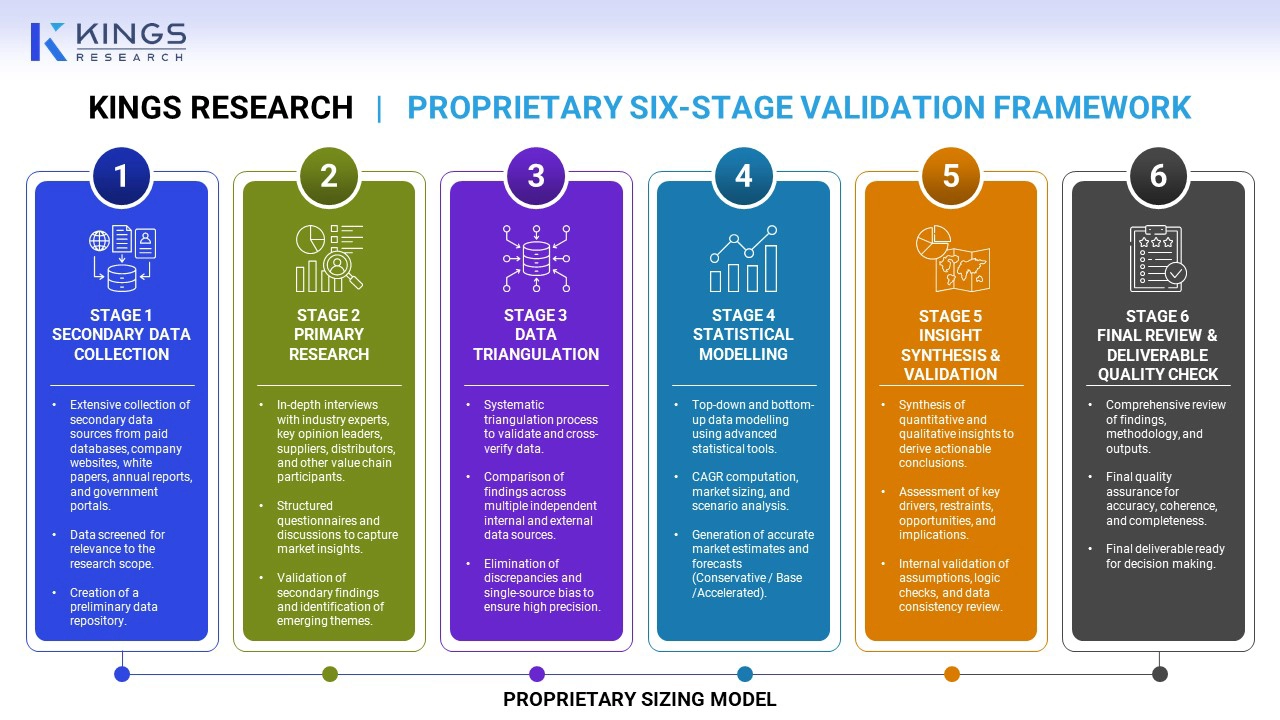
Our methodology triangulates insights from multiple independent and publicly available research databases and is further validated against regulatory filings and public company disclosures. All estimates are cross-verified; no single-source data is presented without validation.
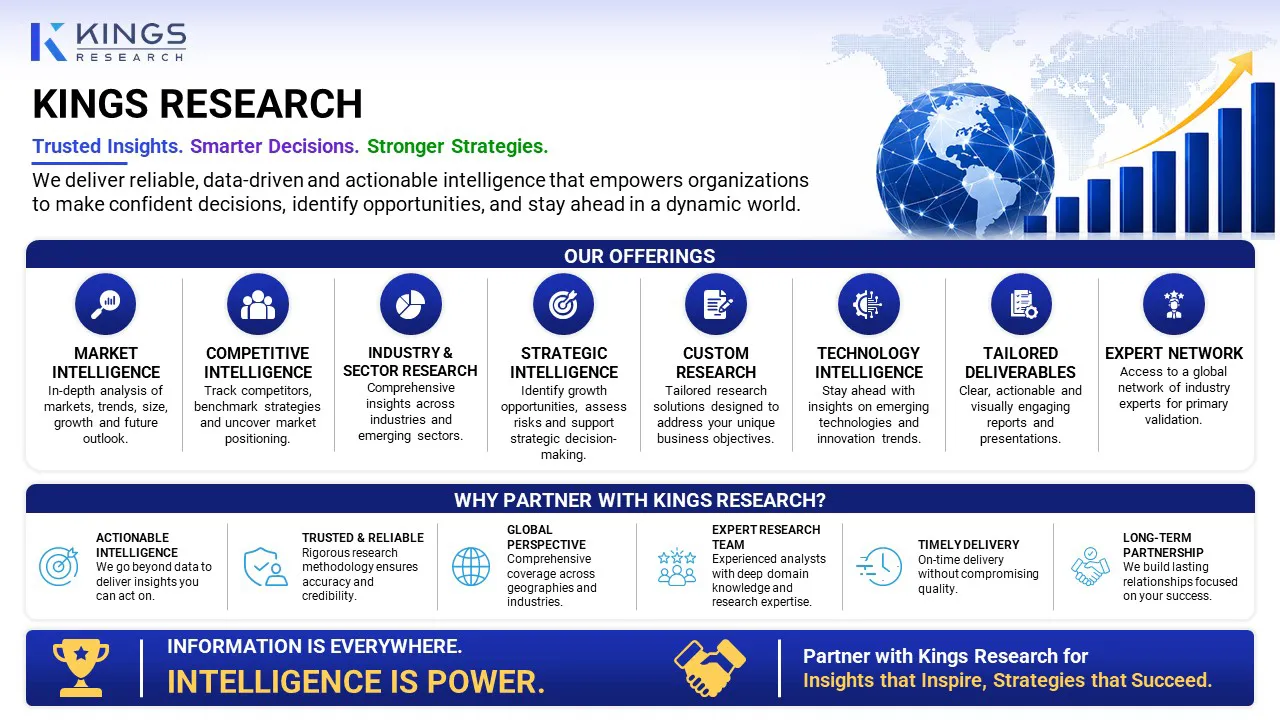
Our custom offerings deliver tailored, data-driven intelligence and strategic guidance to help organizations identify, evaluate, and capitalize on key market opportunities.
Frequently Asked Questions

Faizy brings over four years of experience in market research and consulting, with a proven ability to support strategic engagements across diverse industries and business environments. His work focuses on understanding complex market structures, identifying emerging opportunities, and translating research findings into clear, commercially relevant insights. With strong analytical capabilities and a structured approach to problem-solving, he evaluates industry trends, competitive landscapes, customer dynamics, and evolving business models. His expertise encompasses market research, competitive intelligence, market sizing and forecasting, industry assessment, company benchmarking, and strategic analysis. Faizy combines technical proficiency with a strong research orientation, enabling him to interpret both qualitative and quantitative information effectively. He has contributed to projects that help organizations assess growth potential, strengthen market positioning, and evaluate strategic priorities. His adaptable approach allows him to work across sectors while maintaining a consistent focus on accuracy, relevance, and delivering insights that support informed decision-making for clients and stakeholders.
Habi is a seasoned research and consulting leader with renowned experience in guiding clients on strategic growth and transformation initiatives across global markets. He has led high-performing research teams that deliver actionable insights on market expansion, M&A strategies, opportunity assessment, new business development, and product launches. His project portfolio spans large petrochemical producers, electronic device manufacturers, lubricants companies, and other leading enterprises across diverse industrial and consumer sectors. He currently heads the research department at Kings Research, where he is responsible for setting the research agenda, mentoring analysts, and ensuring client-ready deliverables that support executive decision-making. With extensive experience in market intelligence, strategic research, and consulting, Habi brings a strong understanding of evolving industry dynamics, competitive landscapes, emerging opportunities, and business growth challenges. His expertise includes developing research frameworks, translating complex market data into actionable strategic recommendations, and working closely with senior stakeholders to address critical business questions. He has also contributed to building research capabilities, strengthening analytical methodologies, and driving a culture of quality and insight-led decision-making within research teams. His cross-industry exposure enables him to connect market trends with broader business implications and provide perspectives that help organizations identify opportunities, mitigate risks, and make informed strategic decisions.