
Inquire Now
Key Strategic Points
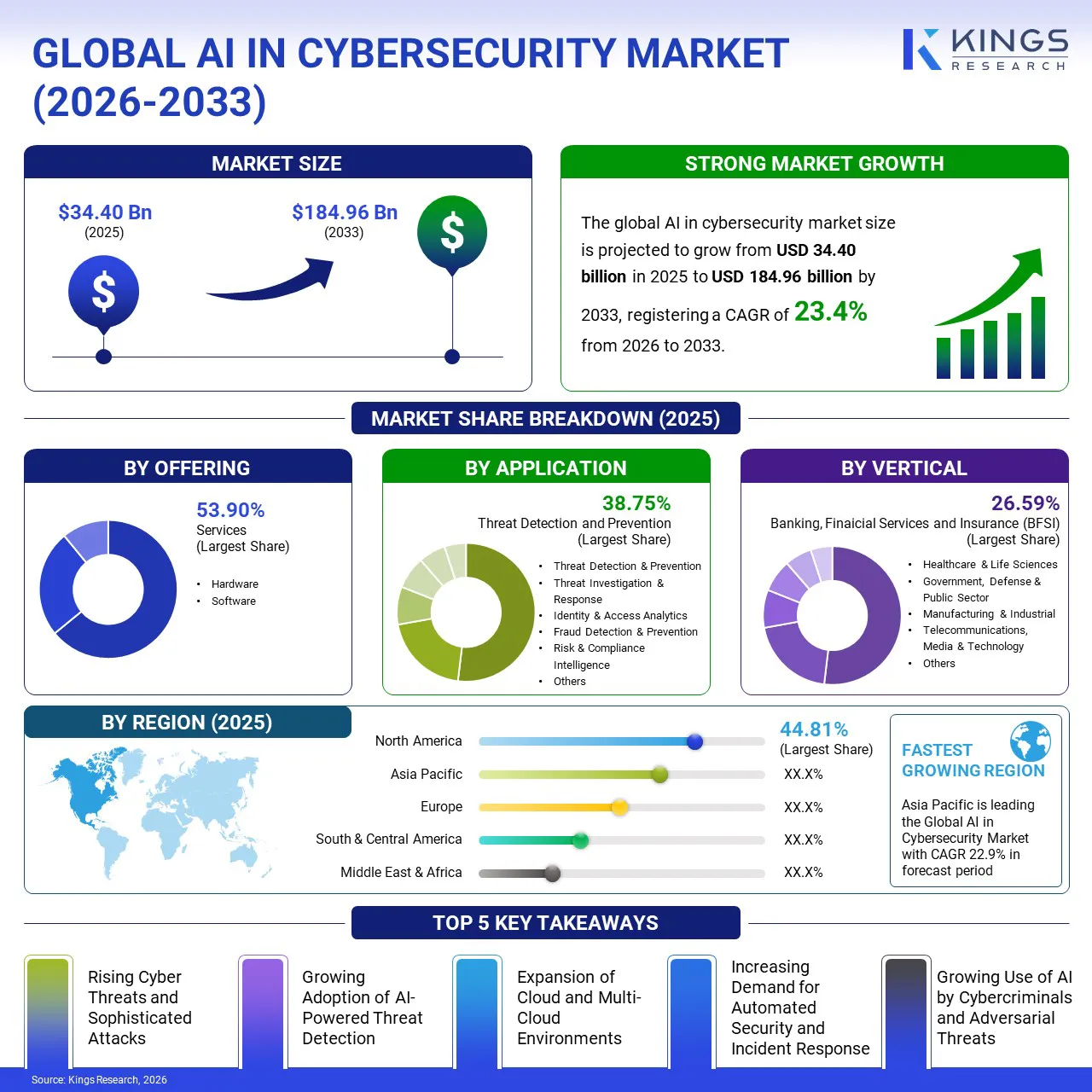
According to Kings Research analysis, the global AI in cybersecurity market was valued at USD 34.40 billion in 2025 and is estimated to reach USD 184.96 billion in 2033, registering a CAGR of 23.4% over the forecast period (2026-2033).
AI in the cybersecurity market is witnessing significant growth owing to the increasing sophistication of cyber threats and the growing complexity of digital environments. The utilization of artificial intelligence to improve threat detection, identify unusual activity, automate security processes, and support faster incident response is creating novel growth opportunities for the cybersecurity sector.
The expansion of cloud computing, multi-cloud environments, and identity-based systems is increasing the exposure of commercial-grade digital systems to cyberattacks. Misconfigured cloud resources, stolen credentials, and unauthorized access further expose organizations to significant risks, thereby boosting the demand for AI in cybersecurity solutions. Moreover, the emerging threat landscape, driven by the rising use of artificial intelligence to develop advanced attacks, bypass security controls, and exploit vulnerabilities, is creating a dual-use challenge, where AI strengthens both cybersecurity defenses and cyber threats, thereby creating additional growth opportunities for the sector.
Cyber attackers are leveraging artificial intelligence and automation to bypass traditional security mechanisms. Artificial intelligence enables threat actors to scan vulnerabilities, create phishing campAIgns, and launch attacks faster and on a larger scale. Additionally, AI allows cyber attackers to develop highly personalized phishing messages, fake websites, and deepfake content, enabling them to evade conventional security controls.
The ability of AI to process and analyze enormous volumes of data generated by networks, including datasets reaching the petabyte scale, is increasing its applicability in the cybersecurity sector. This enables organizations to adopt AI-assisted threat detection and automated incident response capabilities to counter AI-driven threats. The implementation of security platforms that correlate threat signals using AI across infrastructure layers and respond to suspicious activity in real time is fueling market growth.
Market players are innovating defensive tools to address cyber threats and safeguard critical infrastructure systems. These efforts include integrating AI into operational technology and industrial control systems to enhance real-time threat detection and facilitate automated countermeasures. AI-driven, edge-based security solutions AId in mAIntAIning operational performance and uptime while strengthening security across different end-use sectors.
Integrating AI technologies with existing cybersecurity infrastructure requires significant technical expertise to address system compatibility issues, retrofit legacy infrastructure, and adapt data formats to support AI models. The complexities increase implementation time and resource requirements, thus hindering adoption. Legacy infrastructure acts as a key challenge to the implementation of AI-based cybersecurity solutions owing to the presence of fragmented, outdated, or incompatible security systems across enterprises. Addressing these limitations requires significant investments in infrastructure modernization, system upgrades, data migration, and technical expertise, which increase implementation costs and deployment timelines, thus hampering growth opportunities.
To address these challenges, market players are developing solutions that facilitate seamless integration with existing cybersecurity infrastructure, thereby reducing deployment complexities, improving AI model performance, and supporting broader adoption of AI-based cybersecurity solutions.
Agentic AI enables autonomous identification and continuous monitoring of networks, recognition of emerging attack patterns, and autonomous deployment of countermeasures to neutralize cyber threats before escalation. Machine learning models trAIned on vast cybersecurity datasets anticipate future threats, assess vulnerabilities, and recommend proactive measures. Additionally, the ability of agentic AI to analyze attack surfaces in real time empowers organizations to fortify their security and develop robust cyber threat mitigation strategies.
For instance, agentic AI is being adopted in the banking and finance sector to analyze transaction patterns in real time to spot anomalies that could indicate potential fraud. The evolution of financial fraud tactics creates new opportunities for the adoption of agentic AI systems in cybersecurity, enabling them to continuously refine their cyber threat detection methodologies, thereby providing enhanced security for banking, e-commerce, and digital payments.
|
Segmentation |
DetAIls |
|
|
By Offering |
Hardware, Software, Services |
|
|
By Technology |
Machine Learning (ML), Deep Learning & Neural Networks, Natural Language Processing (NLP), Generative AI & Large Language Models (LLMs), Others |
|
|
By Security Type |
Endpoint Security & Management, Application Security, Network Security, Cloud Security, Identity & Access Management, Others |
|
|
By Application |
Threat Detection & Prevention, Threat Investigation & Response, Identity & Access Analytics, Fraud Detection & Prevention, Risk & Compliance, Intelligence, Others |
|
|
By Vertical |
Banking, Financial Services, and Insurance (BFSI), Healthcare & Life Sciences, Government, Defense & Public Sector, Manufacturing & Industrial, Telecommunications, Media & Technology (TMT), Others |
|
|
By Region |
North America |
U.S., Canada, Mexico |
|
Europe |
France, UK, SpAIn, Germany, Italy, Russia, Rest of Europe |
|
|
Asia-Pacific |
China, Japan, India, Australia, ASEAN, South Korea, Rest of Asia-Pacific |
|
|
Middle East and Africa |
Turkey, U.A.E., Saudi Arabia, South Africa, Rest of Middle East & Africa |
|
|
South and Central America |
Brazil, Argentina, Rest of South and Central America |
|
The services offering accounted for the largest share of 53.90%, with a valuation of USD 18.55 billion in 2025. The presence of security assessments, penetration testing, vulnerability assessments, threat intelligence, incident response, and data governance as core cybersecurity services contributes to its high share.
The banking, financial services, and insurance (BFSI) vertical is anticipated to register the fastest CAGR of 21.7% over the forecast period from 2026 to 2033. The growth is attributed to heightened cybersecurity risks arising from sensitive financial data, evolving threats, regulatory requirements, legacy infrastructure, and identity-related vulnerabilities.
The global AI in cybersecurity industry is fragmented, with competition distributed across leading global cybersecurity companies and regional players that mAIntAIn strong positions in their respective markets. Market players are strengthening strategic technical partnerships and mergers and acquisitions to expand their reach into untapped areas of cybersecurity. The surge in demand for cybersecurity solutions that integrate AI capabilities and enable autonomous threat response is driving vendors to develop cybersecurity solutions that support a shift toward proactive defense mechanisms.
By region, the global market is segmented into North America, Europe, Asia Pacific, the Middle East and Africa, and South and Central America.
North America
North America accounted for the dominant share of 44.81% in 2025, registering a valuation of USD 15.42 billion. This high share is attributable to the position of the U.S. as a global leader in AI-driven cybersecurity and the high volume of financial transactions across the BFSI vertical, highlighting a critical cyber threat environment. The interconnected economy in the region, which spans power grids, manufacturing end-use industries, and supply chAIn operations, drives the demand for cyber-resilient infrastructure. Regional market players are developing advanced solutions comprising AI-powered security platforms and cloud-native AI assistants to manage high volumes of attacks such as ransomware and web compromises.
The U.S. accounts for the largest share of the North America market, owing to its advanced technological capabilities, significant investment in cybersecurity infrastructure, and high concentration of leading tech firms developing AI-driven security solutions. Regional market players in the region are developing AI-fused cybersecurity products to capture a wider market share and differentiate offerings in the booming market landscape.
Asia Pacific
Asia Pacific is anticipated to register the fastest CAGR of 22.9% over the forecast period (2026-2033). This rapid growth rate is primarily attributable to the increasing frequency and sophistication of cyberattacks, with economies including TAIwan, South Korea, and Japan reporting serious incidents involving cyberespionage, ransomware, data breaches, and attacks on critical industries.
Rapid digital transformation, extensive use of cloud services, IoT devices, digital banking, and complex third-party ecosystems contribute significantly to the rise in cyberattacks in the region. This highlights the demand for AI-powered cybersecurity solutions to counter the increasing volume of cyber threats, detect and respond to attacks in real time, safeguard critical infrastructure and sensitive data, and thus strengthen cybersecurity resilience in the region. Market players in the region are strengthening strategic technical partnerships to expand market access.
Europe emerges as a notable market for cybersecurity solutions equipped with AI, with key trends including ongoing digital transformation across sectors, the rapid expansion of the Internet of Things (IoT), and the adoption of artificial intelligence (AI) across diverse end-use verticals fueling the demand for advanced authentication solutions. This creates potential growth avenues for the AI in cybersecurity market in the region. Additionally, strategic policies, including the Action Plan on Cybersecurity and AI introduced by the European Commission, emphasize stronger cyber defense and the expansion of the region's AI capabilities through investment, innovation, and collaboration.
The Middle East and Africa are accelerating AI infrastructure through policies and strategic investments, with the UAE and Saudi Arabia leveraging long-term national strategies, including the National Cyber Security Policy for Artificial Intelligence and Vision 2030, respectively. The policies are AImed at establishing the region as a global hub for AI and thus utilizing the technology in cybersecurity to counter emerging cyber threats.
The rapid adoption of AI in South and Central America and digital growth create new cyber vulnerabilities. Increasing sophistication of cyberattacks due to the emergence of AI-assisted tools is lowering the barrier to entry for attackers, making smaller startups and mid-sized companies in the region more vulnerable. This drives the demand for proactive cybersecurity solutions to safeguard the commercial ecosystem in South and Central America.
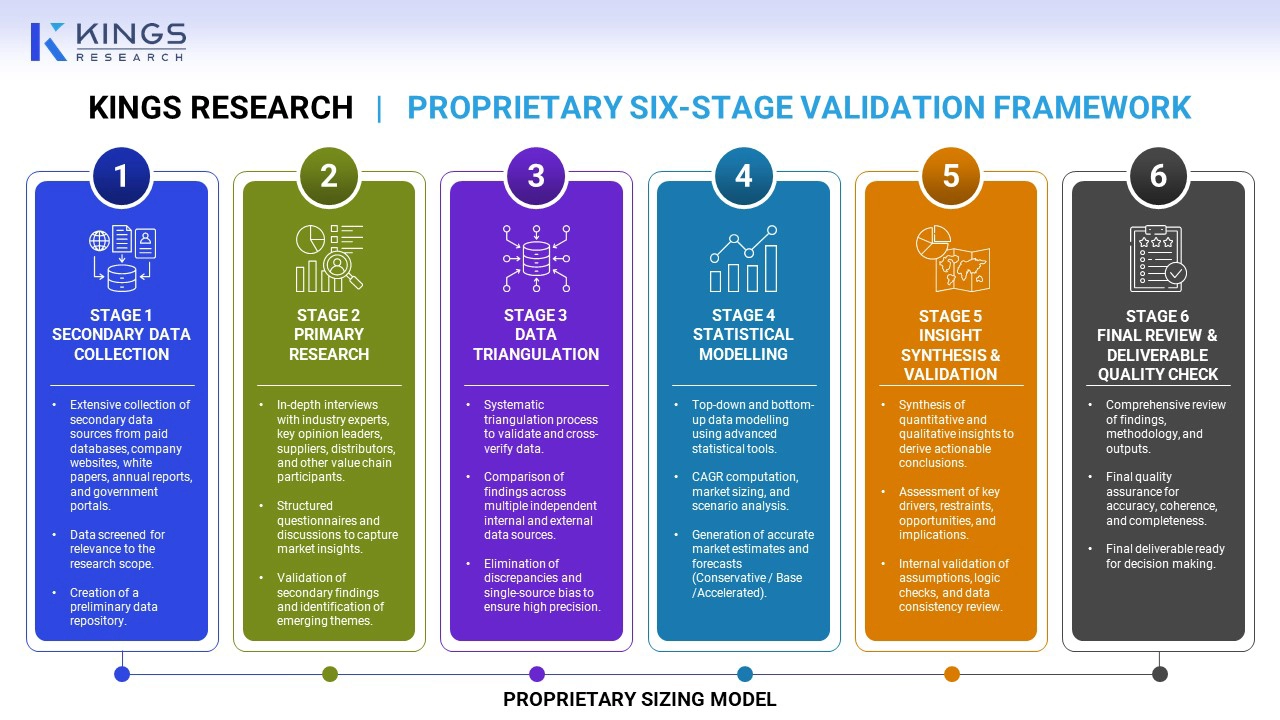
Our methodology triangulates insights from multiple independent and publicly avAIlable research databases, which is further validated agAInst regulatory filings and public company disclosures. All estimates are cross-verified; no single-source data is presented without validation.
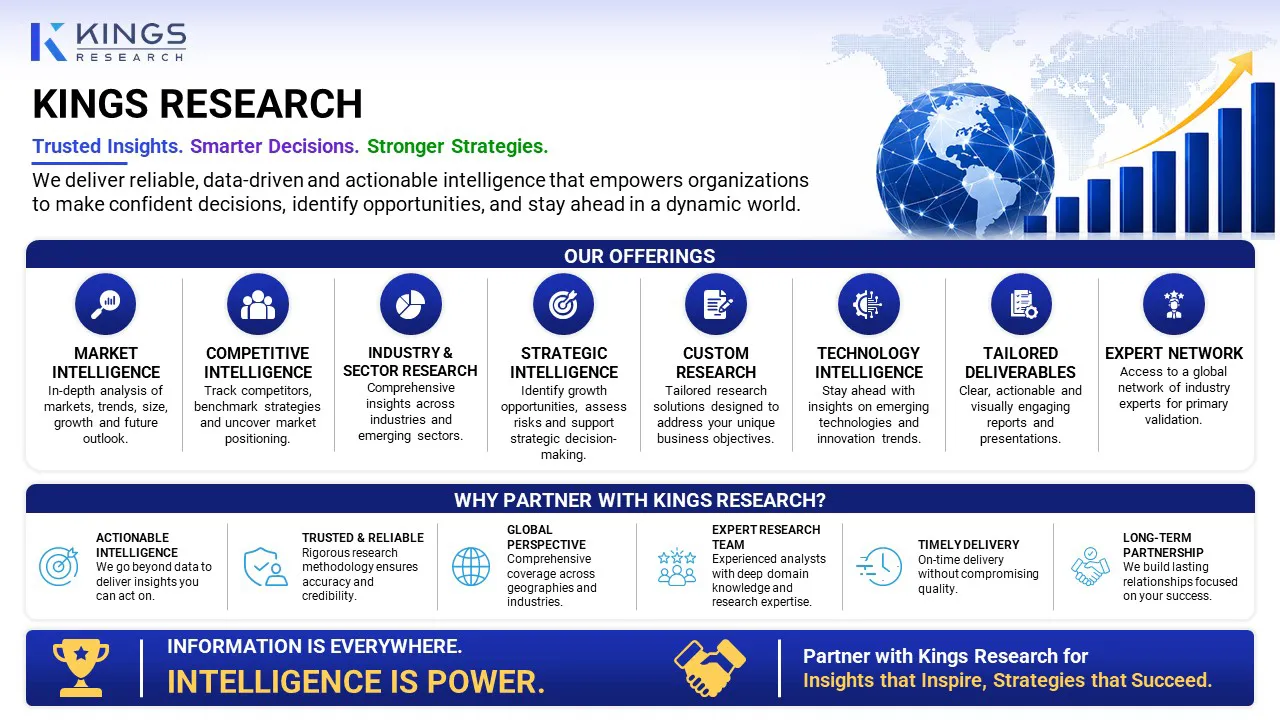
Our custom offerings deliver tAIlored, data-driven intelligence and strategic guidance to help organizations identify, evaluate, and capitalize on key market opportunities.
Frequently Asked Questions

Faizy brings over four years of experience in market research and consulting, with a proven ability to support strategic engagements across diverse industries and business environments. His work focuses on understanding complex market structures, identifying emerging opportunities, and translating research findings into clear, commercially relevant insights. With strong analytical capabilities and a structured approach to problem-solving, he evaluates industry trends, competitive landscapes, customer dynamics, and evolving business models. His expertise encompasses market research, competitive intelligence, market sizing and forecasting, industry assessment, company benchmarking, and strategic analysis. Faizy combines technical proficiency with a strong research orientation, enabling him to interpret both qualitative and quantitative information effectively. He has contributed to projects that help organizations assess growth potential, strengthen market positioning, and evaluate strategic priorities. His adaptable approach allows him to work across sectors while maintaining a consistent focus on accuracy, relevance, and delivering insights that support informed decision-making for clients and stakeholders.
Habi is a seasoned research and consulting leader with renowned experience in guiding clients on strategic growth and transformation initiatives across global markets. He has led high-performing research teams that deliver actionable insights on market expansion, M&A strategies, opportunity assessment, new business development, and product launches. His project portfolio spans large petrochemical producers, electronic device manufacturers, lubricants companies, and other leading enterprises across diverse industrial and consumer sectors. He currently heads the research department at Kings Research, where he is responsible for setting the research agenda, mentoring analysts, and ensuring client-ready deliverables that support executive decision-making. With extensive experience in market intelligence, strategic research, and consulting, Habi brings a strong understanding of evolving industry dynamics, competitive landscapes, emerging opportunities, and business growth challenges. His expertise includes developing research frameworks, translating complex market data into actionable strategic recommendations, and working closely with senior stakeholders to address critical business questions. He has also contributed to building research capabilities, strengthening analytical methodologies, and driving a culture of quality and insight-led decision-making within research teams. His cross-industry exposure enables him to connect market trends with broader business implications and provide perspectives that help organizations identify opportunities, mitigate risks, and make informed strategic decisions.