

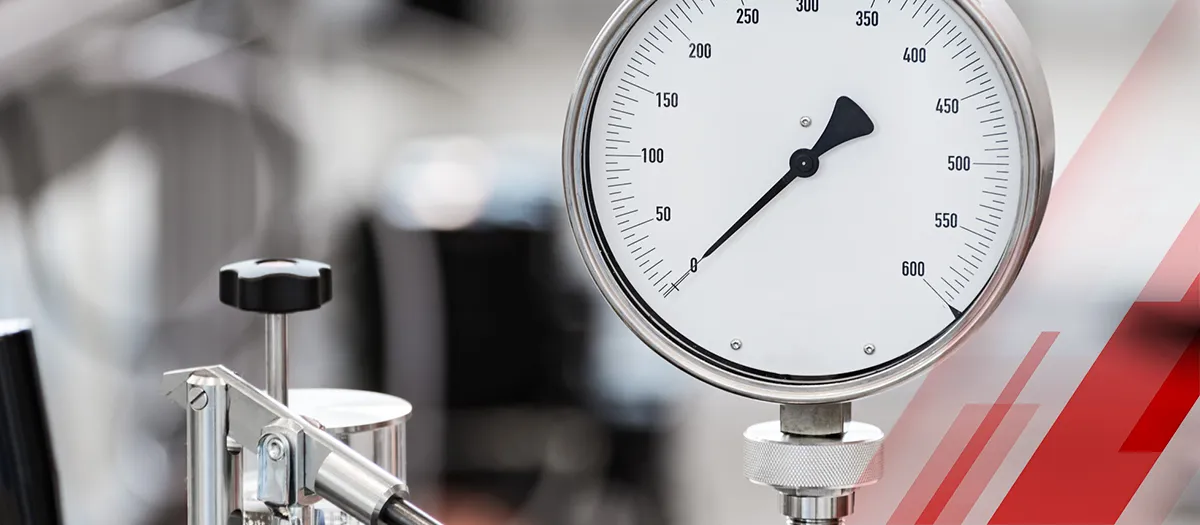
Pressure measurement plays a critical role across modern industries, from manufacturing and energy to healthcare and automotive engineering. At the center of this measurement ecosystem is the industrial pressure sensor, a device designed to accurately detect, measure, and monitor pressure levels in liquids and gases under demanding operating conditions. As industrial processes become more automated and safety-driven, the relevance of industrial pressure sensors continues to grow. Kings Research projects the global pressure sensor market to reach revenues of USD 29.28 billion by 2031.
An industrial pressure sensor converts physical pressure into an electrical signal that can be read, analyzed, and used for process control. These sensors are engineered for high accuracy, long-term stability, and resistance to harsh environments, making them indispensable in industrial automation and control systems.
What Is an Industrial Pressure Sensor?
An industrial pressure sensor is a transducer that measures pressure relative to a reference point, such as atmospheric pressure, vacuum, or a sealed reference. Unlike consumer-grade sensors, industrial pressure sensors are designed to operate reliably under extreme temperatures, high pressures, vibrations, and corrosive environments.
Pressure sensors are commonly integrated into control systems to ensure that processes remain within safe and efficient operating limits. By continuously monitoring pressure levels, industrial facilities can prevent equipment failure, reduce downtime, and improve overall operational efficiency.
According to the U.S. Department of Commerce, process control equipment, including industrial sensors, accounts for nearly USD 7 billion in annual U.S. exports, highlighting the critical role of sensor technologies in industrial operations and manufacturing systems (Source: www.trade.gov).
How an Industrial Pressure Sensor Works
The working principle of an industrial pressure sensor is based on the conversion of mechanical force into an electrical output. When pressure is applied to the sensing element, it causes a physical deformation. This deformation is then converted into an electrical signal using various sensing technologies.
Most industrial pressure sensors consist of three core components: a sensing element, a transduction mechanism, and signal conditioning electronics. The sensing element reacts to pressure changes, while the transduction mechanism converts this reaction into a measurable signal. Signal conditioning ensures the output is stable, accurate, and compatible with industrial control systems.
The U.S. National Institute of Standards and Technology (NIST) notes that sensors enable real-time feedback in automated systems, improving measurement accuracy, adaptive control, and system reliability in industrial environments (Source: tsapps.nist.gov).
Types of Industrial Pressure Sensors
Different industrial applications require different types of pressure measurement solutions. As a result, industrial pressure sensors are available in multiple configurations based on measurement reference, sensing technology, and application environment.
- Absolute Pressure Sensors: Absolute pressure sensors measure pressure relative to a perfect vacuum. These sensors are commonly used in applications such as altitude measurement, vacuum systems, and sealed process monitoring, where atmospheric pressure variations must not affect readings.
- Gauge Pressure Sensors: Gauge pressure sensors measure pressure relative to ambient atmospheric pressure. They are widely used in hydraulic systems, pneumatic equipment, and industrial machinery where pressure deviations from atmospheric levels are critical.
- Differential Pressure Sensors: Differential pressure sensors measure the difference between two pressure points. In industrial settings, they are frequently used for flow measurement, filter monitoring, and level detection in tanks and pipelines.
Based on Sensing Technology
Industrial pressure sensors also vary based on their internal sensing technology. Common types include piezoresistive pressure sensors, capacitive pressure sensors, strain gauge pressure sensors, and piezoelectric pressure sensors. Each technology offers unique advantages in terms of accuracy, sensitivity, and suitability for specific operating conditions.
Key Features of Industrial Pressure Sensors
The performance of an industrial pressure sensor is defined by several important characteristics. Accuracy is one of the most critical factors, as even minor deviations can impact process efficiency and safety. Long-term stability ensures that the sensor maintains consistent performance over extended periods without frequent recalibration.
Environmental resistance is another defining feature. Industrial pressure sensors are often designed with rugged housings, corrosion-resistant materials, and ingress protection ratings to withstand dust, moisture, and chemicals. Fast response time, high overload capacity, and compatibility with digital and analog outputs further enhance their industrial usability.
The U.S. Department of Energy identifies sensors and automation technologies as essential tools for improving industrial energy efficiency and reducing operational losses across manufacturing facilities.
Applications of Industrial Pressure Sensors
The industrial pressure sensor finds extensive use across a wide range of industries due to its versatility and reliability.
In the oil and gas industry, pressure sensors are essential for monitoring pipelines, drilling operations, and refining processes. Accurate pressure measurement helps prevent leaks, equipment damage, and safety incidents. In power generation facilities, industrial pressure sensors are used in boilers, turbines, and cooling systems to ensure stable and efficient operation.
Manufacturing and industrial automation rely heavily on pressure sensors for process control, quality assurance, and predictive maintenance. Hydraulic and pneumatic systems depend on consistent pressure monitoring to maintain optimal performance. In the chemical and pharmaceutical industries, pressure sensors help maintain precise conditions during mixing, reaction, and storage processes.
The U.S. Census Bureau reports increasing adoption of advanced technologies, including sensor-based monitoring systems, across U.S. industrial establishments as automation becomes more widespread (Source: www.census.gov).
Industrial pressure sensors are also widely used in water and wastewater treatment plants to monitor pumps, filtration systems, and distribution networks. In the automotive sector, they support applications such as engine testing, fuel system monitoring, and brake system validation.
Importance of Industrial Pressure Sensors in Process Control
Modern industrial operations demand high levels of precision and automation. An industrial pressure sensor plays a vital role in closed-loop control systems, where real-time pressure data is used to adjust valves, pumps, and actuators automatically.
By integrating industrial pressure sensors with programmable logic controllers and industrial control systems, operators can detect anomalies early, reduce manual intervention, and improve process consistency. This capability not only enhances productivity but also supports compliance with safety and quality standards.
According to NIST, sensor-driven monitoring systems are foundational to modern industrial control architectures, enabling real-time process optimization and fault detection (Source: nvlpubs.nist.gov).
Factors to Consider When Selecting an Industrial Pressure Sensor
Choosing the right industrial pressure sensor requires careful evaluation of application requirements. Pressure range is one of the first considerations, as the sensor must operate accurately within the expected minimum and maximum pressure levels.
Media compatibility is equally important. The sensor’s wetted materials must be compatible with the fluid or gas being measured to prevent corrosion or contamination. Environmental factors such as temperature extremes, vibration, and exposure to chemicals should also be considered.
Output type is another key factor. Industrial pressure sensors may offer analog outputs, such as 4–20 mA or 0–10 V, as well as digital outputs for integration with modern industrial networks. Installation requirements, maintenance needs, and total cost of ownership further influence sensor selection.
Role of Industrial Pressure Sensors in Safety and Compliance
Safety is a top priority in industrial environments, and industrial pressure sensors contribute directly to risk mitigation. By providing continuous pressure monitoring, these sensors help prevent overpressure conditions that could lead to equipment failure or hazardous incidents.
In regulated industries, pressure sensors support compliance with safety standards and operational guidelines. Accurate and traceable pressure measurement is often required to meet regulatory requirements, making industrial pressure sensors an essential component of compliance strategies.
Technological Advancements in Industrial Pressure Sensors
Advancements in sensor technology are driving continuous improvements in industrial pressure sensors. The integration of digital electronics and smart features allows sensors to provide self-diagnostics, remote calibration, and real-time data transmission.
Industrial pressure sensors are increasingly being integrated with Industrial Internet of Things platforms, enabling predictive maintenance and advanced analytics. Wireless pressure sensors are also gaining adoption in applications where cabling is impractical or costly.
Miniaturization and material innovation have further expanded the application range of industrial pressure sensors, allowing them to operate reliably in extreme environments while maintaining high accuracy.
Future Outlook for Industrial Pressure Sensors
The demand for industrial pressure sensors is expected to remain strong as industries continue to adopt automation, digitalization, and smart manufacturing practices. Increased focus on energy efficiency, safety, and sustainability is driving the need for precise pressure monitoring across industrial processes.
As sensor technologies evolve, industrial pressure sensors are likely to become more intelligent, connected, and energy-efficient. These advancements will further enhance their role in optimizing industrial operations and supporting data-driven decision-making.
Conclusion
The industrial pressure sensor is a foundational component of modern industrial systems, enabling accurate pressure measurement, reliable process control, and enhanced operational safety. With a wide range of types, technologies, and applications, industrial pressure sensors support diverse industries and operating environments.
By selecting the right industrial pressure sensor and integrating it effectively into control systems, industries can achieve greater efficiency, improved safety, and long-term reliability. As technology continues to advance, industrial pressure sensors will remain a critical element in the future of industrial automation and process optimization.