
Inquire Now
Key Strategic Points
According to Kings Research analysis, the global biosimilars market size was recorded at USD 37.88 billion in 2025 and is projected to reach USD 133.08 billion by 2033, growing at a CAGR of 17.01% over the forecast period from 2026 to 2033.
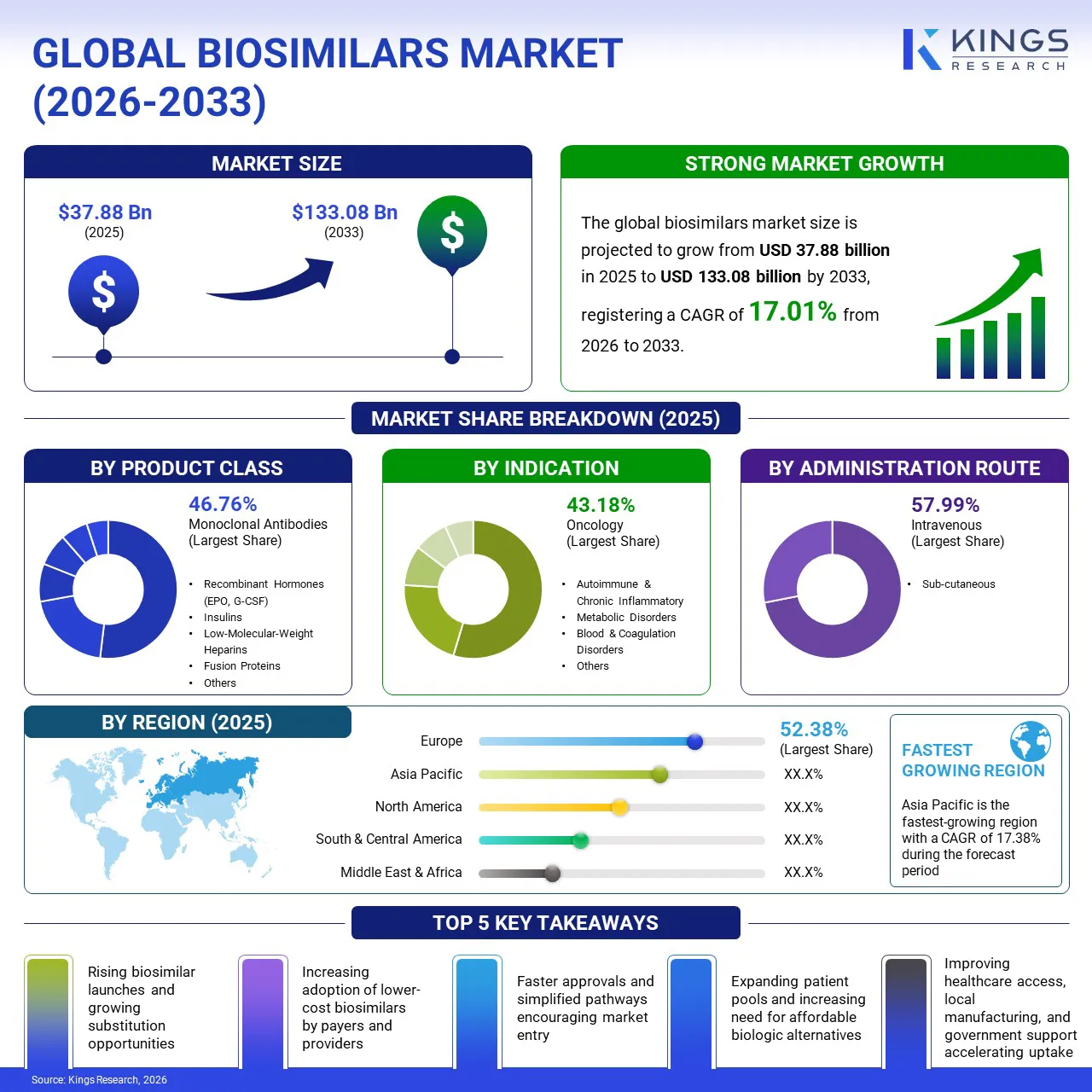
Market growth is mainly driven by the increasing demand for cost-effective alternatives to biologic medicines and the rising prevalence of chronic and complex diseases. Growing acceptance of biosimilars among healthcare providers and patients, along with expanding applications across oncology, autoimmune, metabolic, and other therapeutic areas, is further supporting market development. Moreover, advancements in biotechnology, manufacturing capabilities, and government initiatives are encouraging biosimilar adoption by improving access to affordable biologic treatments.
Biosimilars extend access to crucial therapeutics, thereby minimizing healthcare expenses through the adoption of affordable versions of high-cost biologics and improving treatment accessibility across a range of therapeutic areas. The adoption of biosimilars in oncology, autoimmune diseases, metabolic disorders, and other chronic conditions is fueled by their cost advantages and comparable therapeutic performance. Moreover, the rising demand for controlling treatment costs without compromising patient outcomes and the rapidly transforming pharmaceutical manufacturing landscape across the globe are contributing significantly to market growth.
Limited acceptance among healthcare providers and patients, owing to physician reluctance to prescribe biosimilars due to limited experience and concerns regarding clinical stability or uncertainty regarding formulary coverage, restrains widespread adoption. Uncertainty regarding the effectiveness and quality of biosimilars at the patient level, combined with potentially similar or higher out-of-pocket costs, reduces willingness to transition from established reference biologics.
Moreover, challenges associated with manufacturing variability, which can influence efficacy, safety, and immunogenicity compared with reference biologics, restrain market development. Additionally, evolving regulatory frameworks or the rejection of biosimilars due to CMC deficiencies, analytical comparability issues, and manufacturing compliance problems hamper market growth opportunities. Key challenges, including differences in glycosylation, charge variants, protein aggregation, impurities, and formulation stability, act as significant barriers to biosimilar approvals.
Governments and industry players are adopting policies targeted at expanding the production and applicability of biosimilars. These efforts focus on simplifying approval processes, reducing regulatory barriers, and improving access to more affordable biologic treatments. Countries are further emphasizing the strengthening of domestic biosimilar production, boosting investment, and promoting competition.
|
Segmentation |
Details |
|
|
By Product Class |
Monoclonal Antibodies, Recombinant Hormones (EPO, G-CSF), Insulins, Low-Molecular-Weight Heparins, Fusion Proteins, and Others |
|
|
By Indication |
Oncology, Autoimmune & Chronic Inflammatory, Metabolic Disorders, Blood & Coagulation Disorders, and Others |
|
|
By Manufacturing Type |
In-House and Contract/Outsourced (CMO/CDMO) |
|
|
By Administration Route |
Intravenous and Subcutaneous |
|
|
By End User |
Hospitals, Specialty Clinics, and Retail & Mail-Order Pharmacies |
|
|
By Region |
North America |
U.S., Canada, Mexico |
|
Europe |
France, UK, Spain, Germany, Italy, Russia, Rest of Europe |
|
|
Asia Pacific |
China, Japan, India, Australia, ASEAN, South Korea, Rest of Asia Pacific |
|
|
Middle East and Africa |
Turkey, U.A.E., Saudi Arabia, South Africa, Rest of Middle East & Africa |
|
|
South and Central America |
Brazil, Argentina, Rest of South and Central America |
|
The monoclonal antibodies segment captured the largest share of 46.76% in 2025, registering a valuation of USD 17.71 billion. This high share is attributed to the widespread applicability of monoclonal antibodies in the treatment of autoimmune and other chronic diseases, where specificity and therapeutic effectiveness drive strong adoption. The rising prevalence of chronic diseases, expanding biologic markets, and increasing competition from biosimilars are boosting demand for cost-efficient monoclonal antibody alternatives.
The subcutaneous segment is poised to register the fastest CAGR of 17.60% over the forecast period, reaching USD 58.19 billion by 2033. This rapid growth is propelled by greater patient convenience, shorter treatment times, and reduced healthcare infrastructure requirements. Furthermore, the increasing preference for patient-centric drug delivery methods that enable convenient outpatient treatment and potentially at-home administration is supporting segmental expansion.
By region, the global biosimilars market has been segmented into North America, Europe, Asia Pacific, the Middle East and Africa, and South and Central America.
Europe
Europe held the largest share of 52.38% in 2025, with a valuation of USD 19.84 billion. The region is positioned as a global hub for biosimilar manufacturing, driven by strong R&D investment, advanced infrastructure, and a unified regulatory framework. The presence of skilled talent, established manufacturing capabilities, and an integrated market of 27 countries favors the development of biosimilars in the region.
Asia Pacific
Asia Pacific is emerging as the fastest-growing region, and it is anticipated to register the fastest CAGR of 17.38% over the forecast period, reaching a valuation of USD 8.44 billion by 2033. The high growth rate is driven by the rapid growth of biologics manufacturing across India, South Korea, Singapore, Malaysia, Thailand, and Indonesia. The rising demand for biosimilars, supported by increased healthcare spending across the region, is creating growth avenues for monoclonal antibodies, mRNA vaccines, recombinant proteins, cell and gene therapies, and biosimilars.
North America, South and Central America and Middle East and Africa
The North America biosimilars market is witnessing significant growth, led by the U.S. and Canada, with growth supported by regulatory approvals, patent expiries, and demand for lower-cost biologic therapies. The expansion of healthcare systems in the Middle East and Africa, aimed at improving access to biologic therapies and managing treatment costs, is creating strong demand for biosimilars. Prioritization of cost containment and broader access to biologic treatments are boosting demand for biosimilars in South and Central America.
The global biosimilars market is consolidated, with established multinational pharmaceutical companies and regional players driving strategic activity through mergers and acquisitions, portfolio expansion, and collaborations to strengthen market presence and broaden their biosimilar offerings across key therapeutic areas.
Moreover, market players are pursuing new product launches and pipeline expansion strategies aimed at broadening their biosimilar portfolios across high-value therapeutic areas. These developments are intended to expand access to biologic therapies while strengthening market positions through differentiated products and expanded indications.
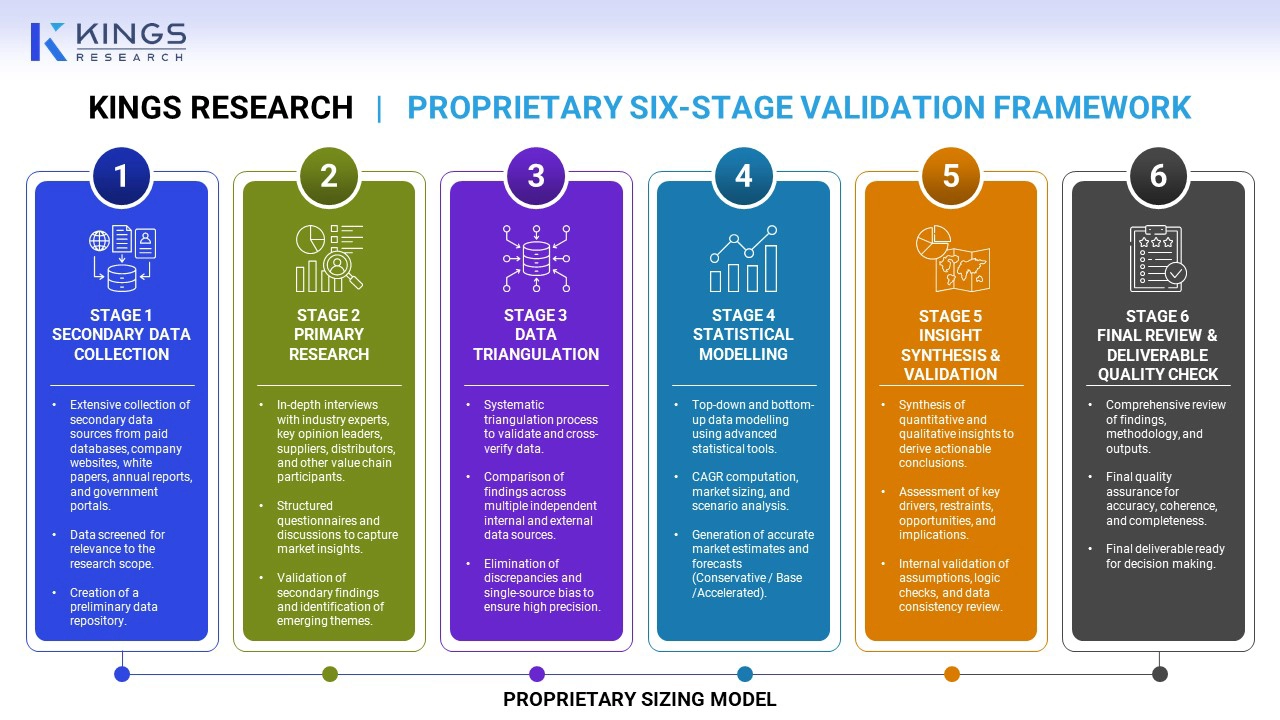
Our methodology triangulates insights from multiple independent and publicly available research databases and is further validated against regulatory filings and public company disclosures. All estimates are cross-verified; no single-source data is presented without validation.
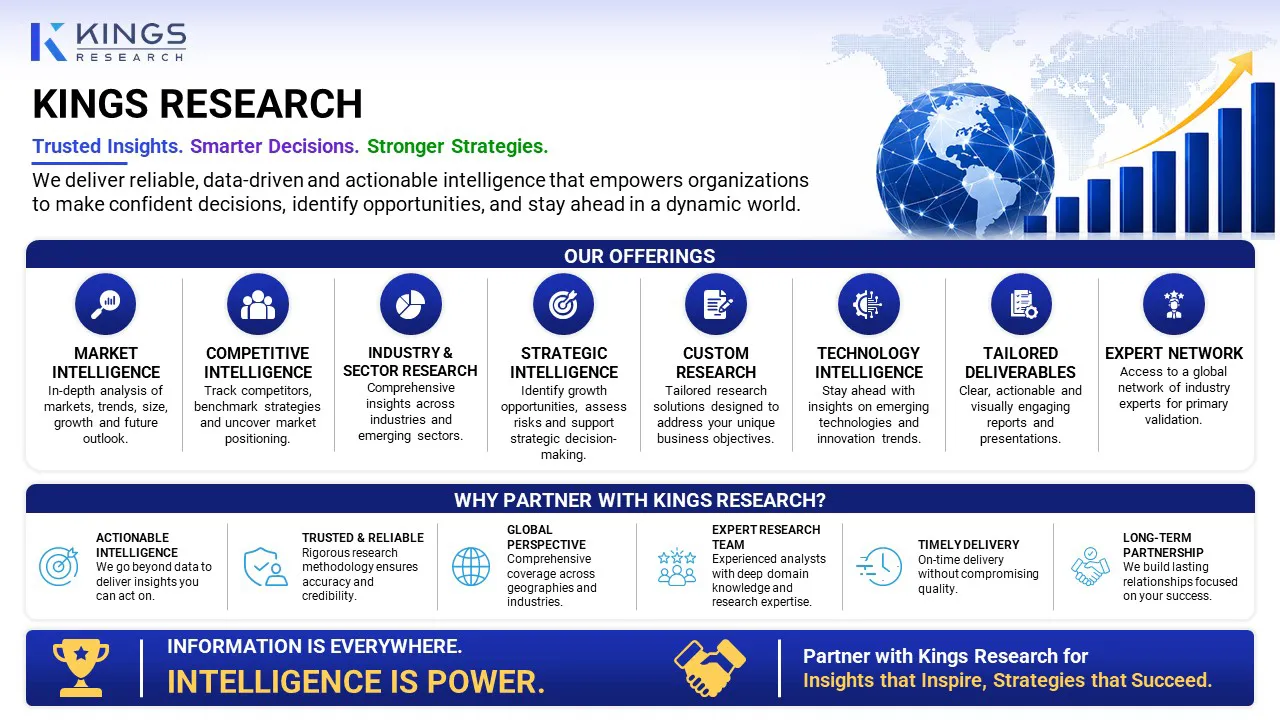
Our custom offerings deliver tailored, data-driven intelligence and strategic guidance to help organizations identify, evaluate, and capitalize on key market opportunities.
Frequently Asked Questions

Faizy brings over four years of experience in market research and consulting, with a proven ability to support strategic engagements across diverse industries and business environments. His work focuses on understanding complex market structures, identifying emerging opportunities, and translating research findings into clear, commercially relevant insights. With strong analytical capabilities and a structured approach to problem-solving, he evaluates industry trends, competitive landscapes, customer dynamics, and evolving business models. His expertise encompasses market research, competitive intelligence, market sizing and forecasting, industry assessment, company benchmarking, and strategic analysis. Faizy combines technical proficiency with a strong research orientation, enabling him to interpret both qualitative and quantitative information effectively. He has contributed to projects that help organizations assess growth potential, strengthen market positioning, and evaluate strategic priorities. His adaptable approach allows him to work across sectors while maintaining a consistent focus on accuracy, relevance, and delivering insights that support informed decision-making for clients and stakeholders.
Habi is a seasoned research and consulting leader with renowned experience in guiding clients on strategic growth and transformation initiatives across global markets. He has led high-performing research teams that deliver actionable insights on market expansion, M&A strategies, opportunity assessment, new business development, and product launches. His project portfolio spans large petrochemical producers, electronic device manufacturers, lubricants companies, and other leading enterprises across diverse industrial and consumer sectors. He currently heads the research department at Kings Research, where he is responsible for setting the research agenda, mentoring analysts, and ensuring client-ready deliverables that support executive decision-making. With extensive experience in market intelligence, strategic research, and consulting, Habi brings a strong understanding of evolving industry dynamics, competitive landscapes, emerging opportunities, and business growth challenges. His expertise includes developing research frameworks, translating complex market data into actionable strategic recommendations, and working closely with senior stakeholders to address critical business questions. He has also contributed to building research capabilities, strengthening analytical methodologies, and driving a culture of quality and insight-led decision-making within research teams. His cross-industry exposure enables him to connect market trends with broader business implications and provide perspectives that help organizations identify opportunities, mitigate risks, and make informed strategic decisions.