
Inquire Now
Key Strategic Points
HDPE Pipes Market Overview
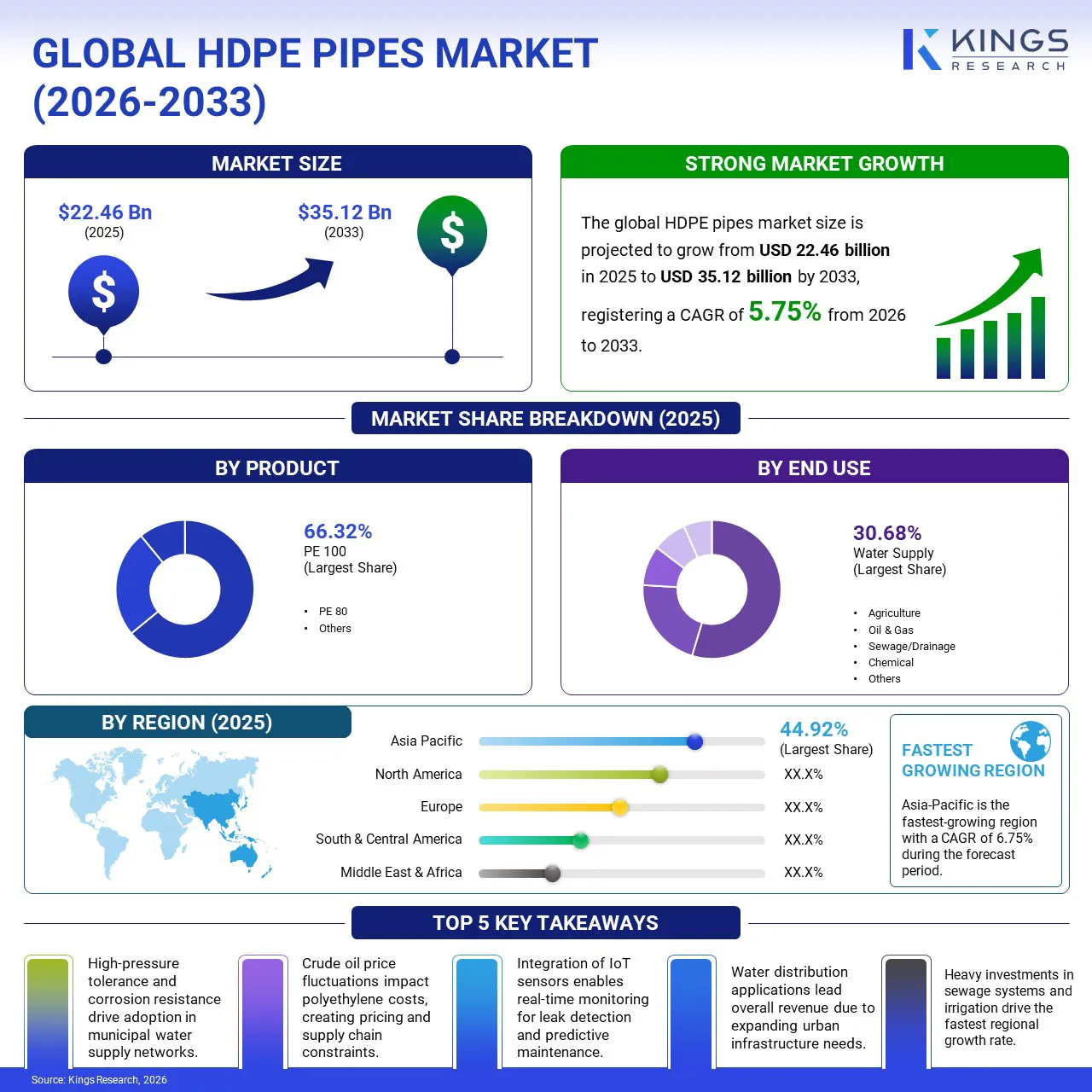
According to Kings Research, the global HDPE pipes market was valued at USD 22.46 billion in 2025 and is projected to reach USD 35.12 billion by 2033, growing at a CAGR of 5.75% during the forecast period (2026-2033).
The HDPE pipes market is growing significantly, driven by rising demand in water supply, sewage management, agriculture, oil & gas, telecommunications, mining, and industrial applications. Increasing demand for sustainable, cost-effective, and long-lasting piping solutions is further supporting market expansion.
Properties associated with HDPE pipes over traditional materials comprising steel and concrete, including superior durability, corrosion resistance, flexibility, lightweight construction, and ease of installation, drive their demand across diverse end-use verticals and critical applications such as water distribution, sewage systems, gas networks, and industrial fluid handling.
Additionally, technological advancements in manufacturing, particularly improved extrusion processes aimed at enhancing pipe quality, dimensional precision, wall-thickness uniformity, strength, and resistance to external pressures, further boost market growth of HDPE pipes.
The increasing demand for durable, cost-effective, and environmentally friendly piping solutions across multiple industries is driving growth in the HDPE pipes market. One of the primary drivers of the market is the growing need for efficient water management and wastewater treatment infrastructure.
Governments and private sector entities are investing heavily in modernizing water distribution networks, particularly in urban and rural areas where aging pipelines need replacement. HDPE pipes offer superior resistance to corrosion, chemicals, and extreme environmental conditions, making them a preferred choice for water supply, sewage systems, and irrigation.
Additionally, the oil and gas industry's rising demand for lightweight, flexible, and high-pressure-tolerant piping solutions drives the growth of HDPE pipes for transporting natural gas and other hydrocarbons.
For instance, in January 2025, the California Public Utilities Commission (CPUC) granted Rockpoint Lodi Gas Storage, LLC a waiver to use FlexSteel pipe, incorporating HDPE PE4710 inner and outer layers, for the remediation of a 0.78-mile natural gas pipeline in California. The approval supports the use of HDPE-based composite piping for pipeline rehabilitation, highlighting its corrosion resistance and trenchless installation benefits.
The HDPE pipes market faces a significant challenge in the form of fluctuating raw material prices. HDPE pipes are primarily made from petroleum-based raw materials, and their prices are highly volatile due to fluctuations in crude oil prices. Sudden spikes in raw material costs can disrupt production, increase manufacturing expenses, and squeeze profit margins for manufacturers.
Thus, companies are prioritizing recycling and sustainable polyethylene (PE) sourcing. Using recycled HDPE in production reduces reliance on virgin resin and helps stabilize costs. Additionally, forming strategic partnerships with suppliers enables long-term contracts with fixed pricing, minimizing exposure to market volatility.
The HDPE pipes market is increasingly shifting toward recycled and bio-based HDPE materials as sustainability becomes a key industry focus. Amid stringent environmental regulations and corporate sustainability commitments, manufacturers are prioritizing eco-friendly alternatives to reduce dependence on virgin PE.
The use of recycled HDPE helps lower carbon footprints while maintaining the durability and performance required for applications such as water supply, sewage systems, and gas distribution. Governments and industries are actively promoting green infrastructure projects, further driving the demand for sustainable HDPE pipes. Bio-based and PE alternatives are also gaining traction as material science advances, offering long-term growth opportunities in the market.
For instance, in February 2026, LyondellBasell (LYB) showcased its portfolio of virgin, recycled, and renewable bio-based polymer solutions for infrastructure and other applications. Its Hyperzone PE technology produces high-performance HDPE grades for applications including pipes.
|
Segmentation |
Details |
|
|
By Product |
PE 80, PE 100, and Others |
|
|
By End Use |
Agriculture, Water Supply, Oil & Gas, Sewage/Drainage, Chemical, and Others |
|
|
By Region |
North America |
U.S., Canada, Mexico |
|
Europe |
France, the UK, Spain, Germany, Italy, Russia, and the Rest of Europe |
|
|
Asia Pacific |
China, Japan, India, Australia, ASEAN, South Korea, Rest of Asia-Pacific |
|
|
Middle East and Africa |
Turkey, U.A.E., Saudi Arabia, South Africa, Rest of Middle East & Africa |
|
|
South and Central America |
Brazil, Argentina, and the Rest of South and Central America |
|
The PE 100 segment held a market share of 66.32% in 2025, due to its high flexibility, pressure resistance, and cost-effectiveness. This contributes to its applicability across water supply, gas distribution, irrigation, and industrial end-use verticals, thus positioning it as a cost-effective and reliable piping solution.
The water supply segment held a 28.55% share of the market in 2025, due to increasing investments in modernizing water distribution networks, replacing aging infrastructure, and ensuring efficient water management in urban and rural areas. The corrosion-resistant, leak-proof, lightweight, and durable nature of HDPE pipes makes them easy to install and maintain and thus contributes to their applicability in transporting drinking and utility water.
Based on region, the global market has been classified into North America, Europe, Asia Pacific, the Middle East & Africa, and South and Central America.
Asia Pacific accounted for the largest share of 44.92% in 2025, with a valuation of USD 10.09 billion. The region is forecasted to register the fastest growth of 6.75% during the forecast period. Rapid urbanization, industrial expansion, and increasing infrastructure projects drive market growth.
The emphasis of major Asian economies comprising China, India, and Japan on investing heavily in water supply, sewage systems, and agricultural irrigation boosts the demand for HDPE pipes. Government policies promoting sustainable and cost-effective piping solutions further accelerate market growth.
For instance, the Government of India launched AMRUT 2.0, which aims to achieve universal tap-water coverage and improve sewerage/septage management across urban areas by the financial year 2025-2026.
The scheme was launched in October 2021 with a total indicative outlay of INR 2,99,000 crore (approximately USD 36 billion) over five years. The initiative is expected to drive investment in urban water infrastructure, supporting demand for water supply, wastewater management, and related HDPE piping solutions.
The HDPE pipes market in North America is fueled by sustainable and durable piping solutions, which have led to increased market growth, with government initiatives, funding programs, and regulatory mandates supporting the replacement of aging pipelines. The adoption of HDPE pipes in the oil & gas industry for efficient, corrosion-resistant, and high-pressure transportation further strengthens market growth.
Additionally, the rise in infrastructure developments across the U.S. and Canada is prompting companies to expand market reach through diversified offerings by undertaking strategic technical partnerships and acquisitions.
The HDPE pipes market in Europe is expected to be supported by investments in water supply, wastewater management, and replacement of aging infrastructure. Increasing emphasis on sustainable and durable piping solutions is poised to drive the adoption of HDPE pipes across municipal and industrial applications.
The Middle East and Africa HDPE pipes market is forecasted to benefit from infrastructure development, urbanization, and investments in water supply and wastewater networks. Rising demand for efficient, corrosion-resistant, and durable piping solutions, particularly in water-scarce regions and oil and gas facilities, is anticipated to drive market expansion. The South and Central America HDPE pipes market is forecasted to be driven by increasing infrastructure investments, urbanization, and the expansion of water supply, sewage, and agricultural irrigation networks.
The global HDPE pipes market is fragmented, characterized by a large number of participants, including established corporations and emerging companies that capture significant share in their respective markets.
Key market players are actively driving innovation and advancing technology to distinguish offerings and capture share in applications spanning water supply, sewage management, agriculture, oil & gas, and industrial fluid transportation.
Companies are further prioritizing regional penetration through strategic mergers and acquisitions and diversifying their product offerings to address infrastructure requirements, regulatory frameworks, and environmental sustainability goals, while simultaneously scaling operations to capture opportunities in broader international markets.
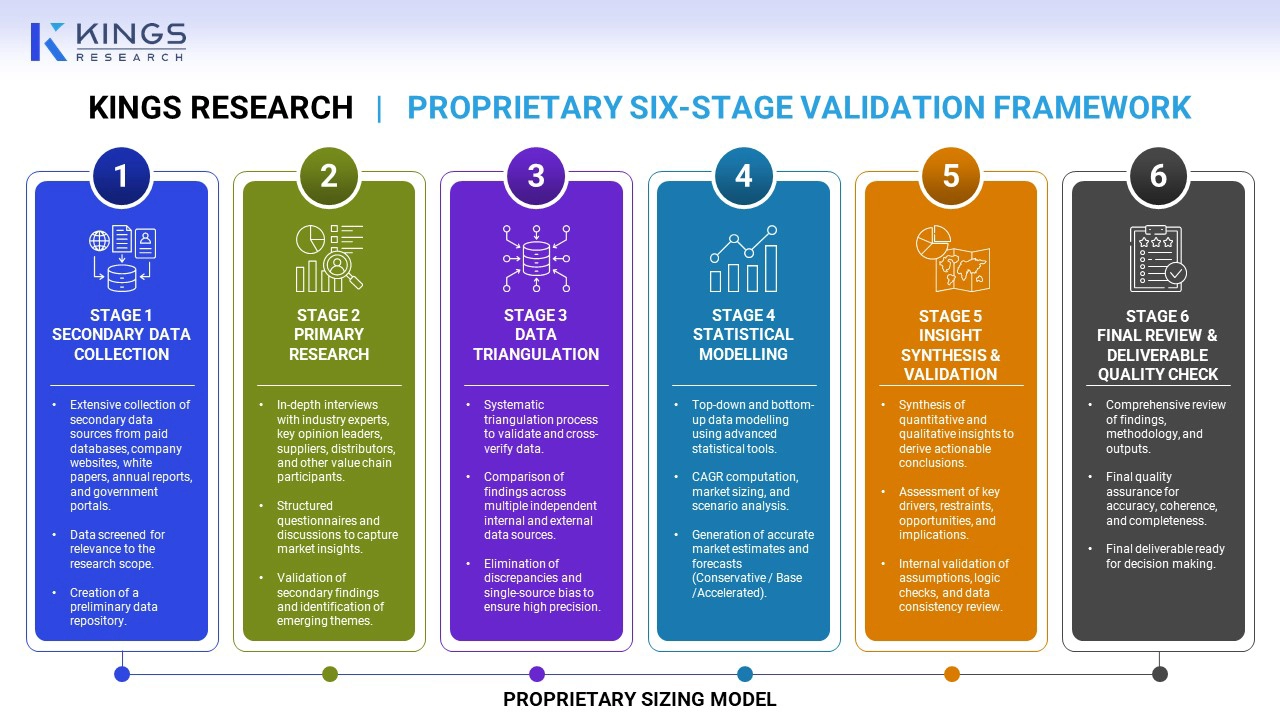
Our methodology triangulates insights from multiple independent and publicly available research databases, which are further validated against regulatory filings and public company disclosures. All estimates are cross-verified; no single-source data is presented without validation.
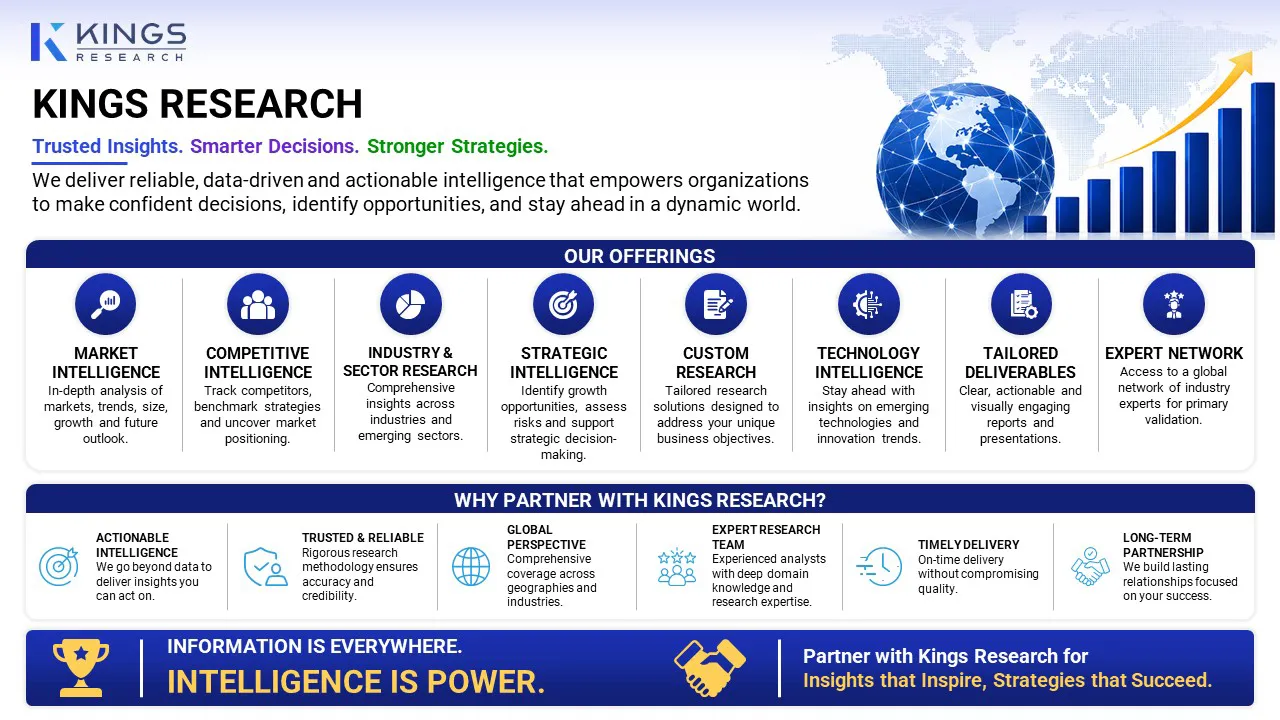
We deliver tailored, data-driven intelligence and strategic guidance to help organizations identify, evaluate, and capitalize on key market opportunities.
Frequently Asked Questions

Over the years, Versha brings over 15 years of experience managing consulting assignments across industries, including Food and Beverage, Consumer Goods, ICT, Aerospace, and more. Her work has spanned diverse sectors. Her cross-domain expertise and adaptability make her a versatile and dependable professional. She is known for her keen business insight and foresight. With sharp analytical skills and a curious mindset, Versha excels at transforming complex data into actionable insights. She has a proven track record of unraveling market dynamics, identifying trends, and delivering tailored solutions to meet client needs. As a skilled leader, Versha has successfully mentored research teams and directed projects with precision, ensuring high-quality outcomes. Her collaborative approach and strategic vision enable her to turn challenges into opportunities and consistently deliver impactful results. Whether analyzing markets, engaging stakeholders, or crafting strategies, Versha draws on her deep expertise and industry knowledge to drive innovation and deliver measurable value.
Habi is a seasoned research and consulting leader with renowned experience in guiding clients on strategic growth and transformation initiatives across global markets. He has led high-performing research teams that deliver actionable insights on market expansion, M&A strategies, opportunity assessment, new business development, and product launches. His project portfolio spans large petrochemical producers, electronic device manufacturers, lubricants companies, and other leading enterprises across diverse industrial and consumer sectors. He currently heads the research department at Kings Research, where he is responsible for setting the research agenda, mentoring analysts, and ensuring client-ready deliverables that support executive decision-making. With extensive experience in market intelligence, strategic research, and consulting, Habi brings a strong understanding of evolving industry dynamics, competitive landscapes, emerging opportunities, and business growth challenges. His expertise includes developing research frameworks, translating complex market data into actionable strategic recommendations, and working closely with senior stakeholders to address critical business questions. He has also contributed to building research capabilities, strengthening analytical methodologies, and driving a culture of quality and insight-led decision-making within research teams. His cross-industry exposure enables him to connect market trends with broader business implications and provide perspectives that help organizations identify opportunities, mitigate risks, and make informed strategic decisions.


