
Inquire Now
Key Strategic Points
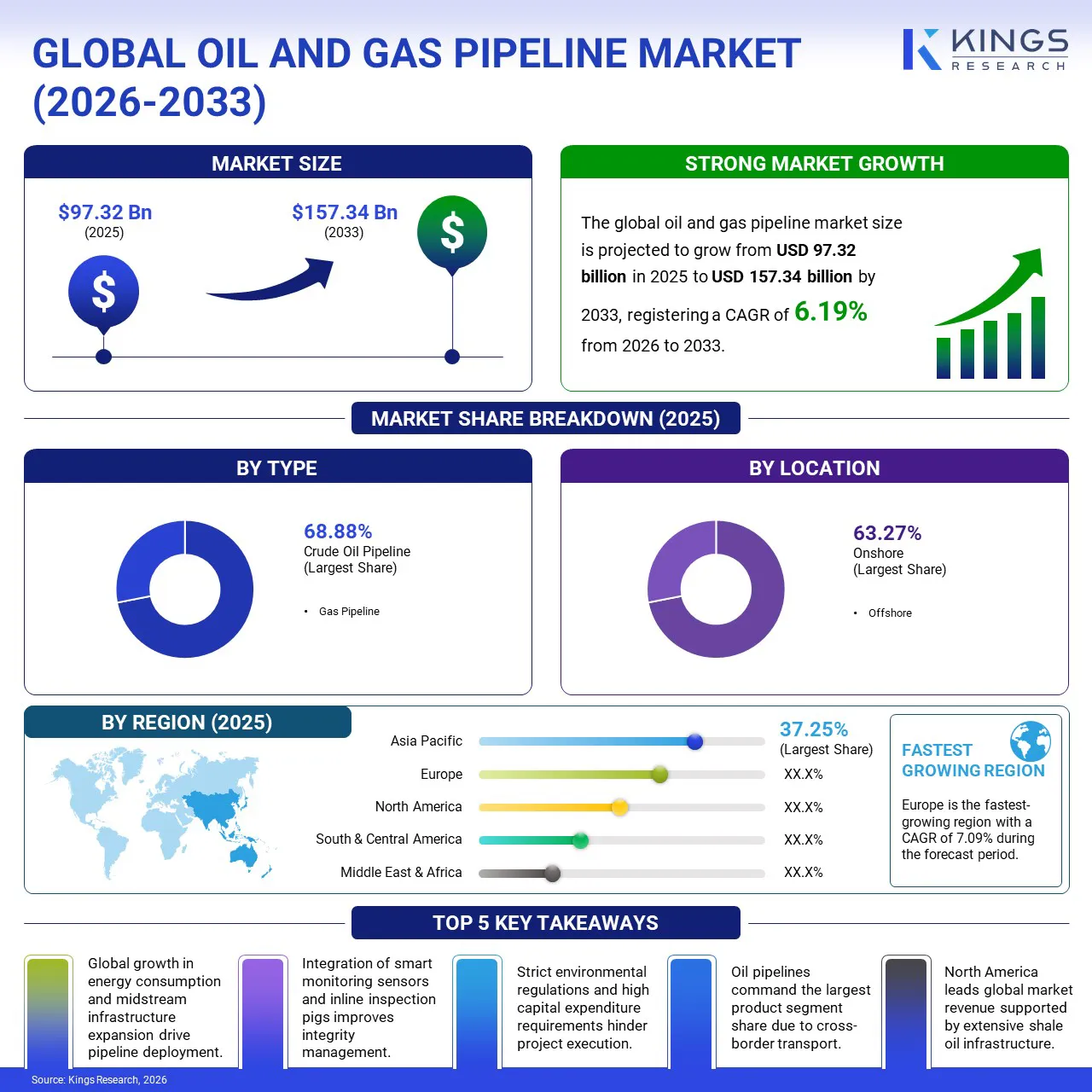
According to Kings Research, the global oil and gas pipeline market size was valued at USD 97.32 billion in 2025 and is projected to reach USD 157.34 billion by 2033, exhibiting a CAGR of 6.19% during the forecast period (2026–2033).
The market encompasses cross-border, regional, onshore, and offshore pipeline distribution networks delivering crude oil, refined petroleum products, and natural gas across midstream energy supply chains. The report explores key drivers of market development, offering detailed regional analysis and a comprehensive overview of the competitive landscape shaping future opportunities.
The market is expanding steadily, driven by increasing energy consumption, expanding oil and gas exploration in remote and offshore locations, and a rising focus on secure, cost-effective resource conveyance. These pipelines connect production areas (such as oil fields and gas reservoirs) to refineries, distribution points, and end consumers.
Major companies operating in the oil and gas pipeline market include Tenaris, TMK, Vallourec, Evraz, Baosteel Co., Ltd., TechnipFMC plc, NOV Inc., Welspun Corp. Limited, Rezayat Group, and DiScho Vermögensverwaltung GmbH & Co. KG.
For instance, in August 2026, Phillips 66, Kinder Morgan, and HF Sinclair approved the USD 5 billion Western Gateway Pipeline project, a 1,300-mile refined-products pipeline designed to transport up to 230,000 barrels per day from the U.S. Midwest and Gulf Coast to Arizona and California. The project is expected to strengthen fuel supply security and create a new transportation route for refined petroleum products, with completion targeted for 2029.
The global oil and gas pipeline market is witnessing steady expansion, driven by the discovery of new conventional oil and gas reserves and expanding offshore exploration activities. These discoveries drive investments in pipeline construction, maintenance, and technological innovations, supporting market expansion.
Additionally, growing global energy demand requires the expansion and modernization of existing pipeline distribution infrastructure to ensure reliable energy delivery.
In August 2026, Enbridge formed a joint venture with KKR and Apollo to invest approximately USD 1.95 billion in expansions of its Westcoast natural gas pipeline system in British Columbia. The investment is aimed at increasing pipeline capacity and supporting growing natural gas demand, highlighting continued investments in pipeline infrastructure to strengthen energy transportation and supply reliability.
A primary restraint facing the oil and gas pipeline market involves high capital expenditure required for pipeline construction, right-of-way acquisition, and deepwater offshore installation. Complex environmental permitting processes and stringent regulatory safety oversight delay project execution and increase development costs.
Furthermore, geopolitical tensions and cross-border transit disputes impose operational risks on international pipeline projects. Increasing public scrutiny surrounding pipeline leaks, carbon emissions, and land displacement also complicates new pipeline approvals.
The market is undergoing significant technological evolution driven by the adoption of smart pipeline monitoring systems, automated internal inspection gauges (smart pigs), and fiber-optic leak detection platforms. Leveraging distributed fiber optic technology, this innovation enables real-time monitoring of strain, temperature, and acoustic vibrations along pipeline routes, mitigating catastrophic failure risks and reducing maintenance costs.
Simultaneously, pipeline operators are evaluating hydrogen-blend readiness and upgrading steel metallurgy to accommodate hydrogen-natural gas mixtures, aligning midstream infrastructure with long-term decarbonization targets.
|
Segmentation |
Details |
|
By Location |
Onshore and Offshore |
|
By Type |
Crude Oil Pipeline and Gas Pipeline |
|
By Region |
North America: U.S., Canada, Mexico |
|
Europe: France, UK, Spain, Germany, Italy, Russia, and the rest of Europe |
|
|
Asia-Pacific: China, Japan, India, Australia, ASEAN, South Korea, Rest of Asia-Pacific |
|
|
Middle East & Africa: Turkey, UAE, Saudi Arabia, South Africa, Rest of Middle East & Africa |
|
|
South & Central America: Brazil, Argentina, and the rest of South & Central America |
Based on the location, the market has been segmented into onshore and offshore. The onshore segment has the market share of 63.27% in the oil and gas pipeline market in 2025. This growth is largely attributed to the increasing demand for energy resources, particularly in emerging economies.
The growing demand for transporting crude oil and natural gas from production fields to refineries, distribution centers, and consumers is highlighting the need for onshore pipelines. Technological advancements in pipeline construction, monitoring, and safety measures have improved operational efficiency and safety, attracting more investment.
Additionally, onshore pipelines offer lower costs and faster installation compared to offshore systems. The focus on energy security and regional infrastructure development further supports the growth of onshore oil and gas pipeline projects.
Based on type, the market has been bifurcated into crude oil pipelines and gas pipelines. The crude oil pipeline segment secured the largest revenue share of 68.88% in 2025.
Crude oil pipelines are gaining traction due to increasing global demand for crude oil and the need for efficient transportation systems. As production rises, particularly from non-conventional sources such as shale, the demand for pipelines to transport crude to refineries and distribution centers increases.
These pipelines are cost-effective and offer high-capacity transportation over long distances, making them an ideal solution for transporting large volumes of oil. Additionally, advancements in pipeline technology, safety measures, and a focus on energy security are contributing to the growth of the segment.
Based on region, the global market has been classified into North America, Europe, Asia-Pacific, MEA, and South and Central America.
The Asia-Pacific Oil and Gas Pipeline Market held a substantial share of around 37.25% in 2025. This dominance is reinforced by the region’s rapid industrialization, growing energy demand, and expanding infrastructure development.
Countries such as China and India are creating a strong demand for energy, necessitating the development of extensive pipeline networks for efficient oil and natural gas transportation. Moreover, the region is prioritizing modernizing aging infrastructure and expanding pipeline networks to ensure energy security.
Additionally, the presence of major energy producers and increasing cross-border trade have positioned Asia-Pacific as a key market for oil and gas pipelines.
The Europe Oil and Gas Pipeline Market is expected to witness significant growth of around 7.09% CAGR over the forecast period. Europe is emerging as a fast-growing region due to its strategic focus on diversifying energy sources and improving energy security. European countries are intensifying efforts to reduce dependency on external energy supplies by significantly investing in expanding pipeline networks to enhance intra-region energy trade.
Additionally, the region’s focus on sustainability and decarbonization is accelerating the development of efficient, eco-friendly pipeline technologies. Government policies supporting infrastructure projects and efforts to modernize existing pipelines are propelling regional market growth.
The Middle East & Africa region is witnessing steady growth, supported by massive oil and gas export infrastructure investments, cross-border pipeline projects in GCC countries, and expanding offshore field developments in West Africa. South and Central America is experiencing expanding pipeline investments, led by Brazil and Argentina, propelled by offshore pre-salt basin developments and shale gas transport infrastructure from the Vaca Muerta formation.
The global oil and gas pipeline market report will provide valuable insight with an emphasis on the fragmented nature of the industry. Prominent players are focusing on several key business strategies such as partnerships, mergers and acquisitions, product innovations, and joint ventures to expand their product portfolio and increase their market shares across different regions.
Strategic initiatives, including investments in R&D activities, the establishment of new manufacturing facilities, and supply chain optimization, could create new opportunities for market growth.
How We Gather This Information
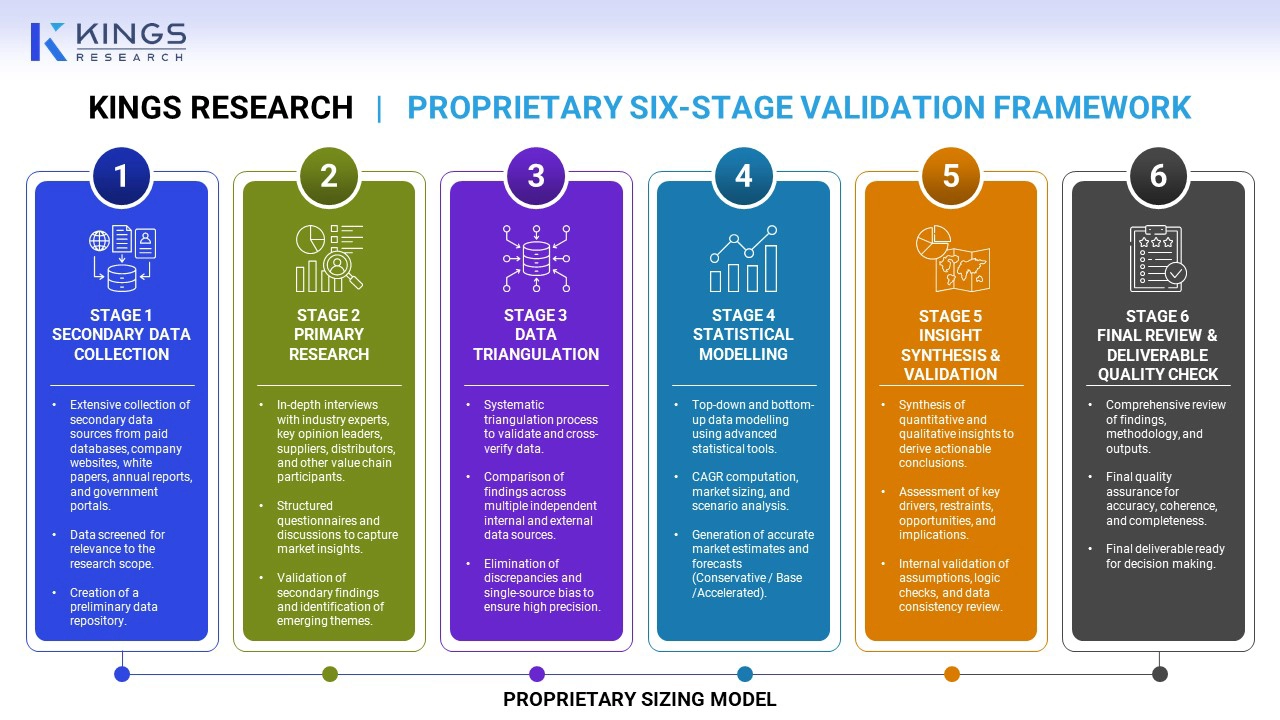
Our methodology triangulates insights from multiple independent and publicly available research databases and is further validated against regulatory filings and public company disclosures. All estimates are cross-verified; no single-source data is presented without validation.
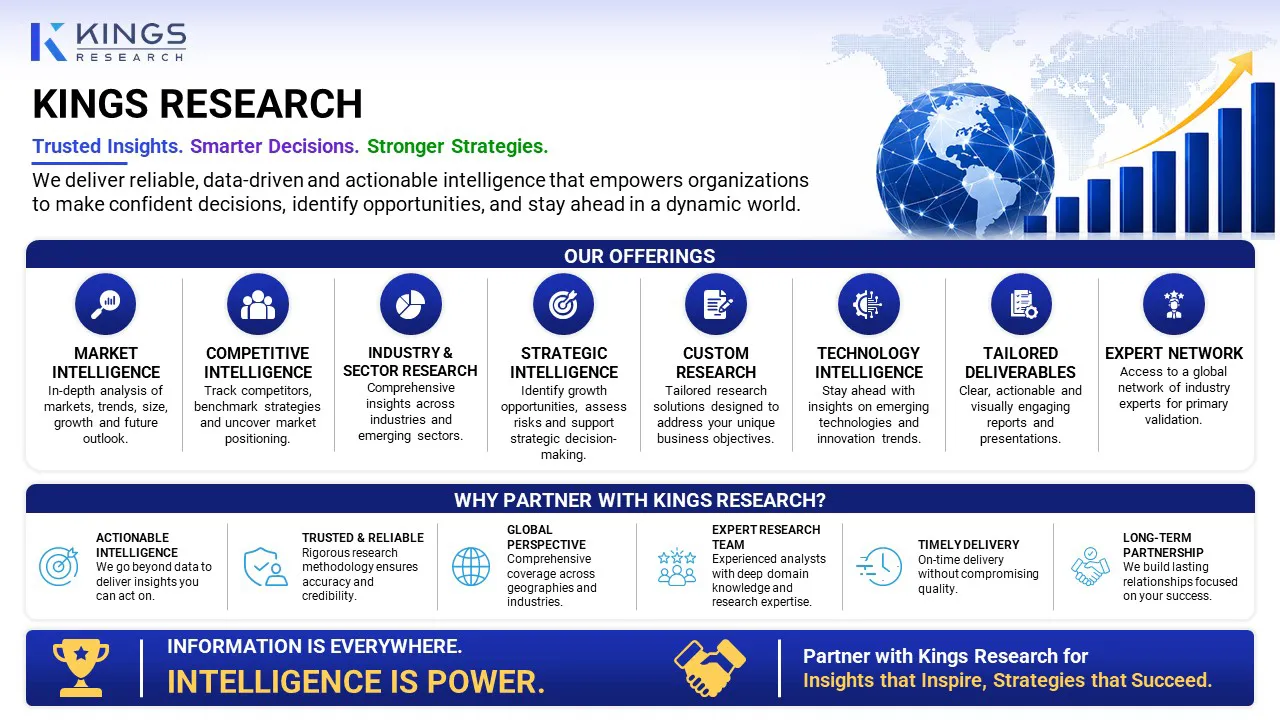
Our custom offerings deliver tailored, data-driven intelligence and strategic guidance to help organizations identify, evaluate, and capitalize on key market opportunities.
Frequently Asked Questions

Omkar is an accomplished research analyst with experience across a wide range of industries, including but not limited to pharmaceuticals, biotechnology, healthcare, chemicals & materials, energy, and consumer goods. His cross-domain expertise allows him to analyze complex market dynamics, uncover actionable insights, and provide high-value research that supports strategic decision-making. Skilled in both qualitative and quantitative analyses, Omkar synthesizes large datasets to create insightful, stakeholder-focused reports. His broad industry knowledge enables him to identify synergies across sectors, adding value to his research. Outside of work, Omkar is a passionate movie enthusiast. His love for cinema fuels his creativity and enhances his ability to think critically-skills that complement his research capabilities. Omkar’s data validation skills and cross-industry expertise make him a partner. He translates complex findings into strategic narratives. His commitment to continuous learning keeps him ahead of evolving markets, while his collaborative nature strengthens team synergy, driving stakeholder confidence and impactful outcomes.
Habi is a seasoned research and consulting leader with renowned experience in guiding clients on strategic growth and transformation initiatives across global markets. He has led high-performing research teams that deliver actionable insights on market expansion, M&A strategies, opportunity assessment, new business development, and product launches. His project portfolio spans large petrochemical producers, electronic device manufacturers, lubricants companies, and other leading enterprises across diverse industrial and consumer sectors. He currently heads the research department at Kings Research, where he is responsible for setting the research agenda, mentoring analysts, and ensuring client-ready deliverables that support executive decision-making. With extensive experience in market intelligence, strategic research, and consulting, Habi brings a strong understanding of evolving industry dynamics, competitive landscapes, emerging opportunities, and business growth challenges. His expertise includes developing research frameworks, translating complex market data into actionable strategic recommendations, and working closely with senior stakeholders to address critical business questions. He has also contributed to building research capabilities, strengthening analytical methodologies, and driving a culture of quality and insight-led decision-making within research teams. His cross-industry exposure enables him to connect market trends with broader business implications and provide perspectives that help organizations identify opportunities, mitigate risks, and make informed strategic decisions.



.webp&w=128&q=75&dpl=dpl_DPva2LrvfsBdTJm1XZj67UTrvMHL)
