
Inquire Now
Key Strategic Points
According to Kings Research, the global online grocery market size is projected to grow from USD 814.73 billion in 2025 to USD 1,850.34 billion by 2033, registering a CAGR of 7.4% from 2026 to 2033.
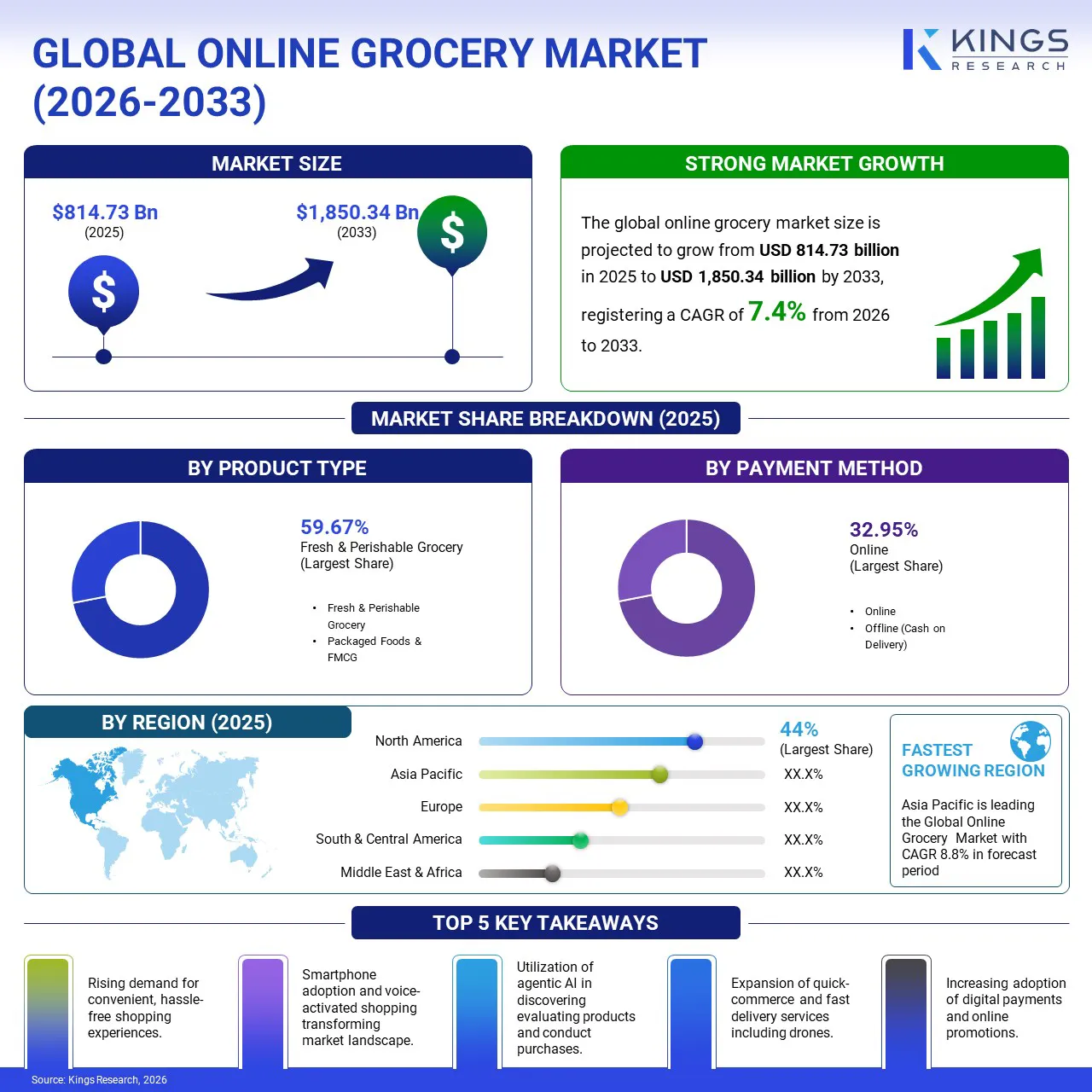
The online grocery market landscape is transitioning into a mainstream purchasing channel, driven by the advancements in e-commerce platforms, omnichannel retail strategies, and improved last-mile delivery capabilities. The COVID-19 pandemic acted as a major catalyst, prompting retailers to digitize their grocery offerings and presenting growth opportunities. The market continues to demonstrate long-term growth potential owing to its expansion across developing markets and the emergence of regional-level market players.
Key Insight: Digitalization of the global retail sector is fueling technological advancements in e-commerce distribution channels, enabling retail channels to leverage AI-driven analytics, automation, omnichannel integration, and real-time inventory management to enhance customer experience and operational efficiency.
|
Segmentation |
Details |
|
By Product Type |
Fresh and Perishable Grocery (Fresh Produce, Dairy Products, Meat & Poultry, Seafood, Bakery, Frozen Foods, Ready-to-Cook Fresh Kits, Organic Produce), Packaged Foods and FMCG (Staple Foods, Ready-to-Eat Meals, Snacks, Frozen Convenience Foods, Coffee & Tea, Beverages, Baby Nutrition, Health Foods) |
|
By Payment Method |
Online, Offline (Cash on Delivery) |
|
By Region |
North America: U.S., Canada, Mexico |
|
Europe: France, UK, Spain, Germany, Italy, Russia, Rest of Europe |
|
|
Asia-Pacific: China, Japan, India, Australia, ASEAN, South Korea, Rest of Asia-Pacific |
|
|
Middle East & Africa: Turkey, U.A.E., Saudi Arabia, South Africa, Rest of Middle East & Africa |
|
|
South and Central America: Brazil, Argentina, Rest of South and Central America |
The rising demand for convenient, seamless shopping experiences, coupled with time-saving features such as recurring orders, personalized recommendations, and on-demand accessibility, is driving market growth. According to the U.S. Department of Agriculture (USDA), time constraints are the primary factor influencing consumers to purchase groceries online, followed by convenience, transportation limitations, and physical safety concerns. The growth in online grocery shopping is further creating pressure on market players to optimize the channel's unit economics to ensure long-term sustainability and profitability. Technological advancements, including the adoption of mobile apps, voice-activated shopping, drone delivery systems, and AI/ML, are empowering consumers with more personalized and efficient services, thereby accelerating the adoption of online grocery services across the globe.
Key Insight: Convenience has evolved from a differentiator to a baseline expectation, pushing retailers to compete on speed, personalization, and frictionless fulfillment rather than product availability alone.
Challenges associated with maintaining accurate inventory and on-time deliveries, owing to the perishable nature of grocery products, hinder the widespread adoption of the online grocery services. Operational disruptions, including inventory shortages, delivery delays, and failures in cold chain logistics, lead to increased operational costs, resulting in reduced customer retention. The growing consumer preference for same-day and rapid delivery services further escalates pressure on last-mile logistics, thereby making it increasingly difficult for retailers to consistently meet delivery expectations while maintaining operational efficiency.
Additionally, intense competition and pricing pressure from established retailers, as well as emerging regional and niche grocery platforms, impact profit margins across the market. To address these challenges, market players are investing in AI-powered inventory management, computer vision-based shelf intelligence, and automated fulfillment centers. These investments are targeted at improving inventory accuracy, enhancing e-commerce fulfillment, streamlining in-store operations, and reducing operating costs.
Key Insight: Margin discipline is becoming as important as growth, with leading players prioritizing automation and inventory intelligence over discount-led customer acquisition to protect long-term profitability.
The adoption of artificial intelligence (AI) in shopping increasingly influencing the discovery and consideration of grocery products. The technology enables consumers to synthesize product research, compare prices across retailers, and align decisions with personal buying habits and shopping experiences. AI and machine learning algorithms extract data from first-party data sources, including purchase history and consumer profiles, to analyze a customer's baskets and recommend complementary items or premium alternatives. The integration of generative and agentic AI is further contributing significantly to market expansion.
Additionally, the emergence of quick commerce is further creating new growth avenues for the online grocery market, fueled by consumer demand for the instant delivery of fresh produce, dairy products, packaged foods, and daily essentials. This paradigm shift requires online grocery retailers to balance inventory across stores, fulfillment centers, and online channels while ensuring freshness, pricing accuracy, and rapid order processing. The adoption of curbside pickup and click-and-collect (BOPIS), which offer zero delivery charges and flexible pickup windows, is further bolstering market expansion.
Key Insight: Quick commerce and agentic AI are increasingly converging into a unified competitive landscape, wherein successful retailers will be those capable of integrating sub-hour fulfillment capabilities with AI-driven product discovery at scale.
The global online grocery market is moderately fragmented, with competition distributed among e-commerce platforms, omnichannel retailers, quick commerce providers, and regional grocery chains. Market leadership varies by geography and business model, while ongoing investments in digital technologies, fulfillment infrastructure, and last-mile delivery capabilities are strengthening the position of leading players without resulting in significant market concentration. Moreover, strategic partnerships, acquisitions, and expansion into new markets are enabling companies to broaden their service offerings, enhance customer experience, and drive recurring revenue through customer-centric subscription programs.
Key Insight: Competitive differentiation is shifting from price alone toward delivery speed, fulfillment reliability, and AI-personalized experience, with M&A activity increasingly targeted at closing capability gaps rather than simply adding scale.
North America is the dominant region in the global online grocery market, capturing 44% market share and USD 358.48 billion revenue in 2025. This high share is attributed to the widespread adoption of e-commerce, well-established retail infrastructure, and strong consumer preference for convenient shopping experiences. The presence of leading market players such as Amazon, Walmart, Instacart, and Kroger, coupled with advanced logistics and fulfillment networks, further accelerates the adoption of online grocery shopping in the region.
Asia Pacific is anticipated to register the fastest CAGR of 8.8% over the forecast period (2026-2033), propelled by a large consumer base, increased disposable income, smartphone adoption, and expanding internet connectivity. This growth is further supported by rising urbanization, traffic congestion, and long working hours across key Asian markets including China, India, Japan, Malaysia, Indonesia, and South Korea. Busier lifestyles, rising disposable income levels, and increased penetration of digital payments, alongside growing familiarity with e-commerce platforms, boost the adoption of convenient, time-saving online shopping solutions.
Key Insight: North America continues to set the benchmark in the online grocery sector through mature e-commerce infrastructure and retailer investment, while Asia-Pacific is emerging as the major market, mainly due to a large digitally native consumer base and rapidly expanding quick commerce ecosystems.
The regulatory framework governing the global online grocery market is evolving as governments and international organizations are strengthening laws to improve food safety, consumer protection, and fair competition. International bodies such as the Food and Agriculture Organization (FAO) recommend that countries establish clear regulations for grocery e-commerce platforms to facilitate greater transparency and stronger monitoring and enforcement mechanisms, thereby ensuring safe and reliable online grocery and food sales. For instance, in December 2025, the U.S. Federal Trade Commission (FTC) ordered Instacart to pay USD 60 million in consumer refunds for deceptive "free delivery" claims, inadequate refund practices, and unclear subscription enrollments.
Additionally, individual countries have established their own regulatory frameworks to govern the online grocery market.
Key Insight: Regulatory authorities are increasingly emphasizing fee transparency and platform accountability as central compliance priorities in the online grocery sector. Consequently, clear disclosure practices and transparent subscription structures are emerging as critical areas of preparedness for both new entrants and established participants.
A resilient and digitally connected supply chain ensures uninterrupted sourcing, inventory availability, order fulfillment, and last-mile delivery from suppliers to consumers.
1.Raw Material & Product Sourcing
2.Procurement & Inventory Management
3.Warehousing & Fulfillment
4.Order Processing & Last-Mile Delivery
5.Customer Delivery & Returns
An integrated, technology-enabled supply chain improves inventory visibility, supplier reliability, fulfillment efficiency, and delivery performance, enabling online grocery retailers to meet evolving consumer demand while minimizing operational disruptions.
Key Insight:The market is witnessing a notable shift towards supplier diversification, localized fulfillment, and digital supply chain technologies to improve resilience and ensure consistent product availability.
How We Gather This Information
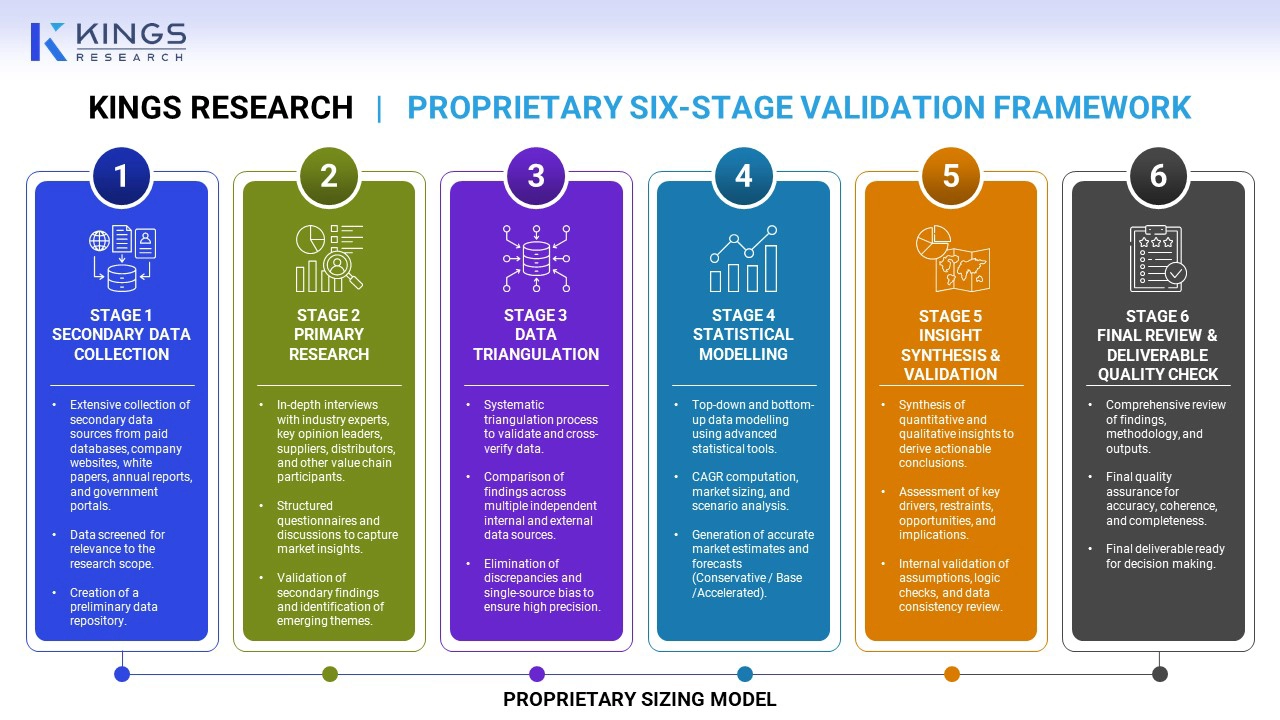
Our methodology triangulates insights from multiple independent and publicly available research databases and is further validated against regulatory filings and public company disclosures. All estimates are cross-verified; no single-source data is presented without validation.
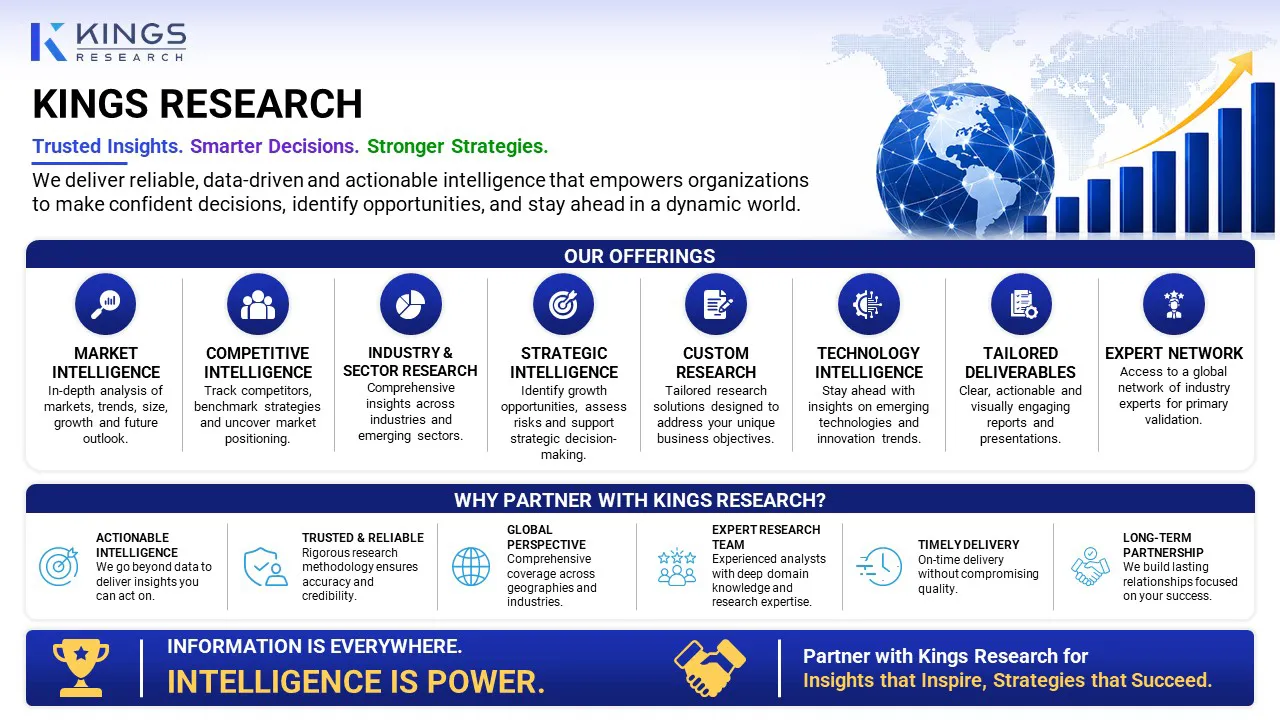
Our custom offerings deliver tailored, data-driven intelligence and strategic guidance to help organizations identify, evaluate, and capitalize on key market opportunities.
Frequently Asked Questions

Faizy brings over four years of experience in market research and consulting, with a proven ability to support strategic engagements across diverse industries and business environments. His work focuses on understanding complex market structures, identifying emerging opportunities, and translating research findings into clear, commercially relevant insights. With strong analytical capabilities and a structured approach to problem-solving, he evaluates industry trends, competitive landscapes, customer dynamics, and evolving business models. His expertise encompasses market research, competitive intelligence, market sizing and forecasting, industry assessment, company benchmarking, and strategic analysis. Faizy combines technical proficiency with a strong research orientation, enabling him to interpret both qualitative and quantitative information effectively. He has contributed to projects that help organizations assess growth potential, strengthen market positioning, and evaluate strategic priorities. His adaptable approach allows him to work across sectors while maintaining a consistent focus on accuracy, relevance, and delivering insights that support informed decision-making for clients and stakeholders.
Habi is a seasoned research and consulting leader with renowned experience in guiding clients on strategic growth and transformation initiatives across global markets. He has led high-performing research teams that deliver actionable insights on market expansion, M&A strategies, opportunity assessment, new business development, and product launches. His project portfolio spans large petrochemical producers, electronic device manufacturers, lubricants companies, and other leading enterprises across diverse industrial and consumer sectors. He currently heads the research department at Kings Research, where he is responsible for setting the research agenda, mentoring analysts, and ensuring client-ready deliverables that support executive decision-making. With extensive experience in market intelligence, strategic research, and consulting, Habi brings a strong understanding of evolving industry dynamics, competitive landscapes, emerging opportunities, and business growth challenges. His expertise includes developing research frameworks, translating complex market data into actionable strategic recommendations, and working closely with senior stakeholders to address critical business questions. He has also contributed to building research capabilities, strengthening analytical methodologies, and driving a culture of quality and insight-led decision-making within research teams. His cross-industry exposure enables him to connect market trends with broader business implications and provide perspectives that help organizations identify opportunities, mitigate risks, and make informed strategic decisions.