Inquire Now
Key Strategic Points
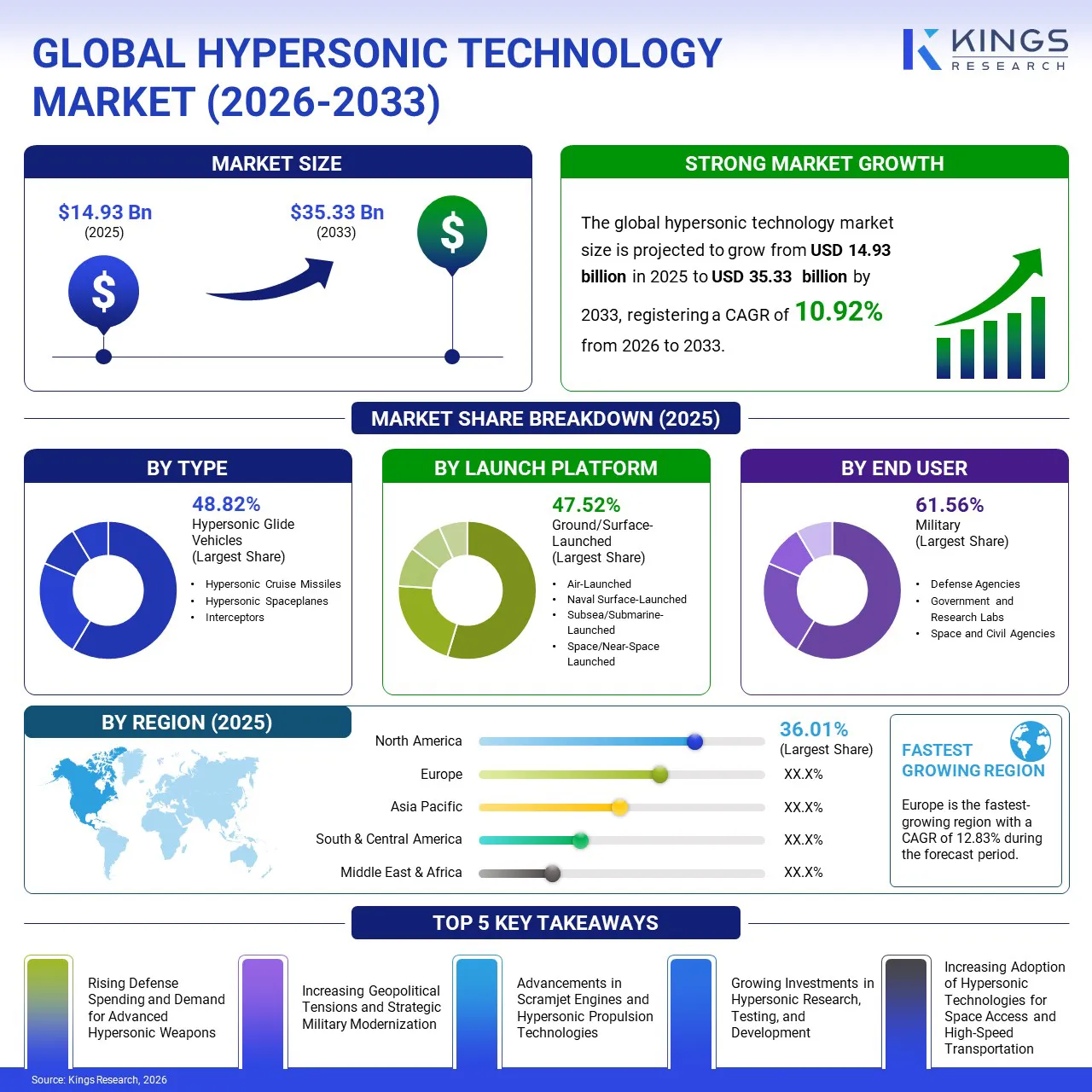
According to Kings Research, the global hypersonic technology market size was USD 14.93 billion in 2025 and is projected to reach USD 35.33 billion by 2033, growing at a CAGR of 10.92% over the forecast period from 2026 to 2033.
The market is growing rapidly, driven by rising defense spending, geopolitical tensions, and increased investment in advanced strike and missile defense systems. Growth spans offensive hypersonic weapons, counter-hypersonic defense technologies, propulsion systems, and testing infrastructure. Demand for satellite-based threat detection, high-speed reconnaissance, and reusable hypersonic platforms is creating new opportunities. Strategic research and development, technical collaborations, and advanced testing capabilities are improving system performance and accelerating innovation, further boosting market growth.
Growing demand for advanced hypersonic missile detection and tracking capabilities is fueling market expansion. Governments are investing in space-based defense infrastructure, including satellite constellations equipped with advanced infrared and electro-optical sensors to monitor hypersonic glide vehicles, cruise missiles, and ballistic missile threats. These systems improve real-time threat detection and facilitate integration with existing missile defense systems. Investments in satellite manufacturing, ground-based command and control systems, and prototype demonstrations are supporting the development of resilient space-based surveillance networks. Defense companies are advancing infrared sensors, onboard processing, secure communications, and satellite-based missile warning and tracking to improve threat detection and defense capabilities.
For instance, in July 2026, L3Harris Technologies secured a USD 955 million contract from the U.S. Space Development Agency to manufacture 18 satellites for the Golden Dome missile defense system. The contract brings its program backlog to at least 70 satellites and supports proliferated low Earth orbit (LEO) constellations designed to track hypersonic and ballistic missile threats.
Moreover, in October 2026, the U.S. Space Development Agency (SDA) issued a Request for Information (RFI) to evaluate satellite-based missile-tracking technologies for Tranche 4 of its Proliferated Warfighter Space Architecture (PWSA). The initiative focuses on advanced infrared and electro-optical sensors to track hypersonic glide vehicles and cruise missiles throughout their flight trajectories. It aims to enhance continuous threat tracking, accelerate data transmission to defense forces, and reduce integration risks through prototype demonstrations ahead of full-scale procurement.
Similarly, in June 2025, BAE Systems secured a USD 1.2 billion contract from U.S. Space Systems Command to develop 10 satellites under the Resilient Missile Warning & Tracking (RMWT) Medium Earth Orbit Epoch 2 program. The system will detect and track ballistic missiles and advanced threats, including hypersonic glide vehicles, and includes ground-system development, command and control, and five years of operational support following spacecraft delivery.
Limited flight-testing infrastructure, high development costs, and technical challenges associated with extreme aerodynamic and thermal conditions hinder market expansion. Conventional ground-based wind tunnels typically provide only seconds-long test runs, limiting their ability to replicate sustained hypersonic flight under realistic atmospheric conditions. Extensive flight testing, aircraft integration, and system validation further prolong development timelines and increase program costs. In response, aerospace and defense companies are innovating hypersonic test solutions to expand testing capacity, improve operational flexibility, and accelerate development while reducing costs.
For instance, in October 2026, Starfighters Space, Inc. completed its first flight hardware for the Wind Tunnel in the Sky program, advancing reusable Mach 2+ airborne testing capabilities. The platform is designed to support hypersonic technology testing, advanced materials, defense systems, and scientific payloads, with potential future applications for its STARLAUNCH air-launch system.
Moreover, in October 2026, the U.S. announced plans to establish an advanced military testing range in Montana to support the development and testing of autonomous weapons, space warfare, electronic warfare, and hypersonic technologies. In September 2026, Stratolaunch expanded its hypersonic flight-testing infrastructure by acquiring a Boeing 777-200ER carrier aircraft. The addition is anticipated to increase flight capacity by 35%, improve global deployment capabilities, and ease scheduling constraints through parallel missions. The aircraft is scheduled for modifications to support air-launch operations for reusable Talon-A hypersonic test vehicles by 2027.
High temperatures and aerodynamic drag also complicate material selection, propulsion system development, and vehicle design. These challenges are encouraging material manufacturers to invest in advanced composite materials and thermal protection systems to improve heat resistance, minimize ablation, and maintain structural integrity under extreme hypersonic flight conditions.
Additionally, key players are securing funding to develop high-temperature-resistant materials and advance hypersonic technology. In October 2025, Kratos Defense & Security Solutions, Inc. secured a USD 68.3 million contract to develop Project Helios, an advanced arc jet and fiber laser facility for hypersonic materials testing. The facility aims to address testing infrastructure limitations and accelerate the evaluation and development of thermal protection materials.
Countries are strengthening defense strategies and accelerating the development of hypersonic detection and defeat capabilities. Weapons developers are advancing hypersonic intelligence, reconnaissance, and surveillance drones, thus creating new growth opportunities. These drones offer strategic advantages through rapid deployment and reconnaissance missions, encouraging technological innovation, improved testing infrastructure, greater operational efficiency, and the commercialization of next-generation defense technologies.
In October 2026, Kratos Defense & Security Solutions began constructing new hypersonic testing and radar facilities in Indiana (U.S.), with USD 35 million in funding from the U.S. Department of War and company contributions. The HELIOS facility will support hypersonic technology development through advanced testing of thermal protection materials using high-powered arc jet and laser systems. The initiative aims to strengthen U.S. hypersonic testing capabilities, accelerate materials evaluation, and support next-generation missile defense technologies.
In July 2026, Stratolaunch achieved 10 successful hypersonic flights with its reusable, autonomous Talon-A aircraft, capable of speeds exceeding Mach 5. This achievement demonstrates improved reliability and cost efficiency, strengthening Stratolaunch's market position.
|
Segmentation |
Details |
|
|
By System Type |
Offensive Hypersonic Strike Systems, Counter-Hypersonic & Defensive Systems, Propulsion & Enabling Technologies, Hypersonic Test & Evaluation Systems, Hypersonic Aircraft & Space Access, and Hypersonic Projectiles & Hypervelocity Munitions |
|
|
By Type |
Hypersonic Glide Vehicles, Hypersonic Cruise Missiles, Hypersonic Spaceplanes, and Interceptors |
|
|
By Launch Platform |
Ground/Surface-Launched, Air-Launched, Naval Surface-Launched, Subsea/Submarine-Launched, and Space/Near-Space-Launched |
|
|
By End User |
Military, Defense Agencies, Government & Research Labs, and Space & Civil Agencies |
|
|
By Region |
North America |
U.S., Canada, and Mexico |
|
Europe |
France, the UK, Spain, Germany, Italy, Russia, and the Rest of Europe |
|
|
Asia Pacific |
China, Japan, India, Australia, ASEAN, South Korea, and the Rest of Asia Pacific |
|
|
Middle East & Africa |
Turkey, U.A.E., Saudi Arabia, South Africa, and the Rest of the Middle East & Africa |
|
|
South & Central America |
Brazil, Argentina, and the Rest of South & Central America |
|
The offensive hypersonic strike systems segment held the largest market share of 60.46% in 2025, valued at USD 9.03 billion. This high share is driven by rising defense expenditures, geopolitical tensions, and demand for advanced long-range precision-strike capabilities. These systems' ability to penetrate advanced air defense networks and rapidly strike strategic targets further supports segmental growth.
The defense agencies segment is poised to register the fastest CAGR of 12.78% over the forecast period, reaching USD 9.65 billion by 2033. This rapid growth is mainly attributed to government investments in missile arsenal upgrades, hypersonic system integration, defense procurement programs, and collaborations with aerospace and defense contractors.
The global hypersonic technology market analysis is segmented into North America, Europe, Asia Pacific, Middle East & Africa, and South & Central America.
North America dominated the global hypersonic technology market in 2025, accounting for a majority share of 36.01%, with a valuation of USD 5.38 billion. The region's dominance is supported by high defense spending, sustained government investments in hypersonic research and development, advancement of major military programs, and the presence of an extensive defense manufacturing ecosystem. The U.S. spent USD 929.16 billion on defense in 2025, equivalent to approximately 3.15% of its GDP, positioning it as the world's largest military spender. This expenditure supports the development and deployment of hypersonic weapons, next-generation hypersonic missile systems, and integrated hypersonic offensive and defensive technologies to strengthen strategic deterrence.
Key hypersonic programs, including the Dark Eagle Long-Range Hypersonic Weapon (LRHW), Conventional Prompt Strike (CPS), Hypersonic Attack Cruise Missile (HACM), and Air-Launched Rapid Response Weapon (ARRW), further demonstrate North America's strong position in the hypersonic technology market.
The U.S. Department of Defense's acquisition reforms, including the Warfighting Acquisition System announced on November 7, 2025, aim to streamline procurement processes and expand the role of commercial technologies in defense programs. These changes could improve market access for emerging suppliers, accelerate technology integration, and strengthen the domestic hypersonic technology supply chain. Investments in advanced hypersonic technologies, modular payload systems, and long-range strike capabilities also support missile interception and integrated defense architectures, creating growth opportunities.
In August 2026, Lockheed Martin announced a multimillion-dollar investment in its Modular Payload Delivery System (MPDS), which features a modular architecture designed to accommodate diverse payloads for applications including long-range strike and missile defense. Furthermore, in August 2025, the U.S. Army deployed its Dark Eagle in Australia during Talisman Sabre 2025. Designed to strike heavily defended, time-sensitive targets, the system reportedly reaches speeds of Mach 5 or higher and has a range of approximately 1,725 miles (2,776 km).
The Europe hypersonic technology market is estimated to register the fastest growth rate of 12.83% over the forecast period, driven by shifting regional defense priorities toward accelerated procurement and deployment of hypersonic technology. Russia’s invasion of Ukraine has heightened security tensions, prompting European NATO members and EU states to revise defense strategies, increase military spending, and prioritize advanced precision-strike and counter-hypersonic capabilities. Russia’s deployment of systems such as the Avangard hypersonic glide vehicle (HGV) and Zircon missile has further intensified these efforts, alongside Germany’s defense modernization fund and increased spending across Eastern and Western Europe.
Indigenous programs such as ASN4G and VMAX of France, collaborative procurement through NATO and PESCO frameworks, and allied deployments such as the U.S. Long-Range Hypersonic Weapons (LRHW) in Europe are strengthening regional capabilities. Investments in indigenous counter-hypersonic defense systems are also expanding missile interception capabilities and addressing evolving security threats.
For instance, the European Hypersonic Defence Interceptor System (HYDIS) program, led by MBDA with European Commission support, has advanced through the selection of a preferred concept for the AQUILA interceptor to counter hypersonic and ballistic missile threats. Involving France, Germany, Italy, and the Netherlands, the program is progressing toward completion of its concept phase in May 2027, supporting Europe’s indigenous counter-hypersonic defense capabilities and integrated missile interception systems.
The Asia Pacific hypersonic technology market is gaining momentum as regional powers accelerate defense modernization and invest in advanced missile systems to strengthen strategic preparedness. Rising geopolitical tensions and demand for high-speed, maneuverable strike capabilities are driving hypersonic technology research, development, and deployment.
China leads regional hypersonic technology development, supported by state-backed R&D programs, an integrated civil-military-industrial ecosystem, and advances in propulsion and hypersonic glide vehicle programs. The country is enhancing long-range strike capabilities to complicate adversary air and missile defense operations. For instance, in September 2025, China revealed four previously unseen missile systems, designated YJ-15, YJ-17, YJ-19, and YJ-20, highlighting advances in high-speed strike capabilities. The systems reportedly feature ramjet/scramjet propulsion, hypersonic glide technology, and ballistic configurations, with potential maritime and land-attack missions.
Similarly, India is advancing its indigenous hypersonic capabilities through the BrahMos-II hypersonic cruise missile, with its first flight reportedly targeted for 2028. This reflects India's growing focus on high-speed, next-generation precision-strike systems.
The threat posed by hypersonic weapons is prompting the Middle East to strengthen missile defense, invest in advanced detection technologies, and enhance regional defense cooperation. The escalating Iran–Israel conflict is accelerating counter-hypersonic technology deployment across Saudi Arabia, the UAE, and other GCC nations. Near-term investments are expected to prioritize integrated air and missile defense (IAMD), advanced sensors, and interception systems over large-scale offensive hypersonic weapons procurement. For instance, in October 2026, Israel accelerated the development of advanced defense technologies against hypersonic missile and unmanned aerial vehicle (UAV) threats. Rafael Advanced Defense Systems unveiled its Sky Sonic hypersonic missile interceptor. These initiatives, supported by increased defense spending and efforts to strengthen domestic weapons manufacturing, are strengthening Israel’s position in next-generation missile defense and counter-drone systems.
Moreover, Iran reportedly launched its Fattah-2 hypersonic glide vehicle in March 2026, potentially advancing its missile strike capabilities and highlighting growing demand for advanced missile detection, tracking, and interception technologies.
The South & Central America hypersonic technology market is expected to develop gradually, driven by defense modernization and efforts to strengthen national security. Limited defense budgets and indigenous hypersonic R&D may constrain near-term growth. Investments are likely to focus on radar, surveillance, air defense, and missile detection upgrades, while partnerships with the U.S. and other suppliers may provide access to advanced technologies and expertise.
Brazil is strengthening its aerospace and defense capabilities through investments in advanced technologies, including hypersonic propulsion. Its 14-X project focuses on developing scramjet propulsion technology capable of supporting hypersonic flight at speeds of approximately Mach 10. The program emphasizes advanced aerodynamics, air-breathing propulsion, and thermal management to validate engine performance under extreme flight conditions, reflecting regional efforts to strengthen domestic aerospace research capabilities and advance hypersonic technology.
The global market has a concentrated competitive landscape, with a limited number of established players holding significant market share. Significant capital requirements, technological complexity, specialized expertise, and substantial research and development (R&D) expenditures for designing, developing, testing, and manufacturing hypersonic systems create high barriers to entry. Dependence on government-funded defense programs and military contracts further strengthens established manufacturers and limits new entrants.
Key players are increasingly pursuing strategic technical collaborations to strengthen market presence and accelerate innovation. Partnerships focused on hypersonic propulsion, high-temperature-resistant materials, aerodynamic designs, and advanced guidance, navigation, and control technologies create growth opportunities by improving flight performance, operational efficiency, and mission capabilities.
Companies in the hypersonic technology market specialize in advanced propulsion, thermal protection, hypersonic glide vehicles, cruise missiles, and defense systems. Key players include:
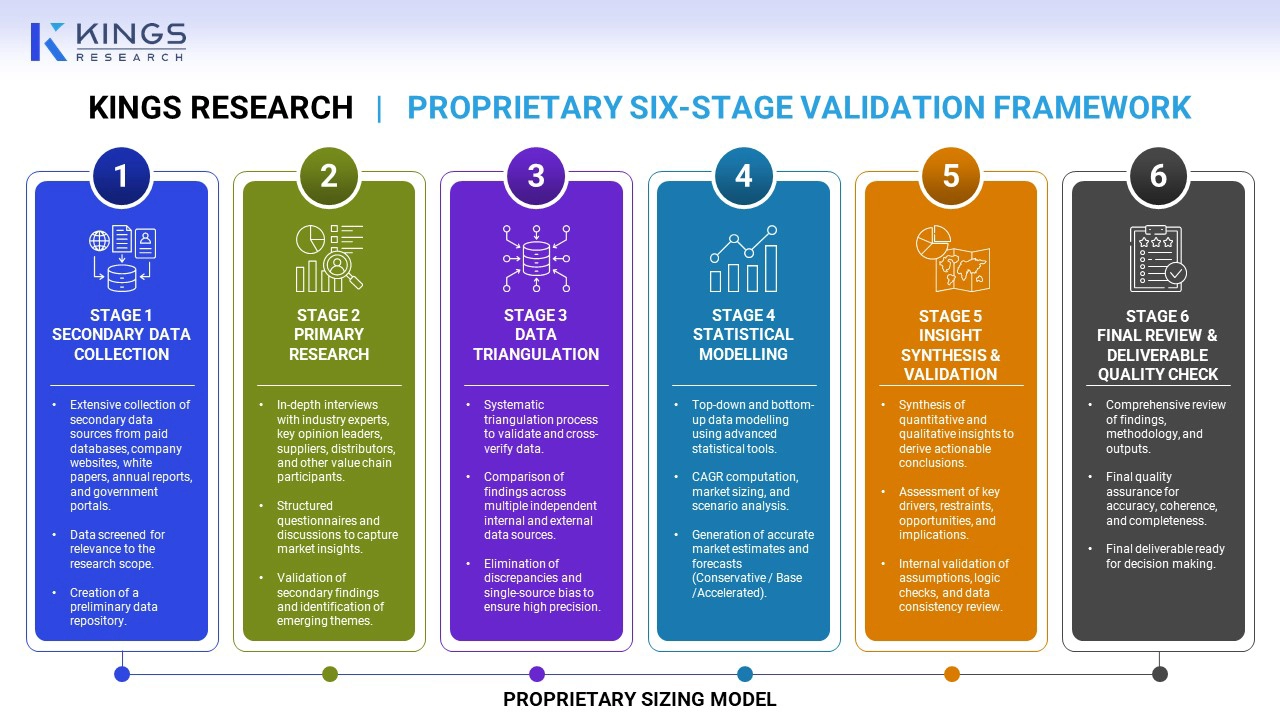
Our methodology triangulates insights from multiple independent and publicly available research databases and is further validated against regulatory filings and public company disclosures. All estimates are cross-verified; no single-source data is presented without validation.
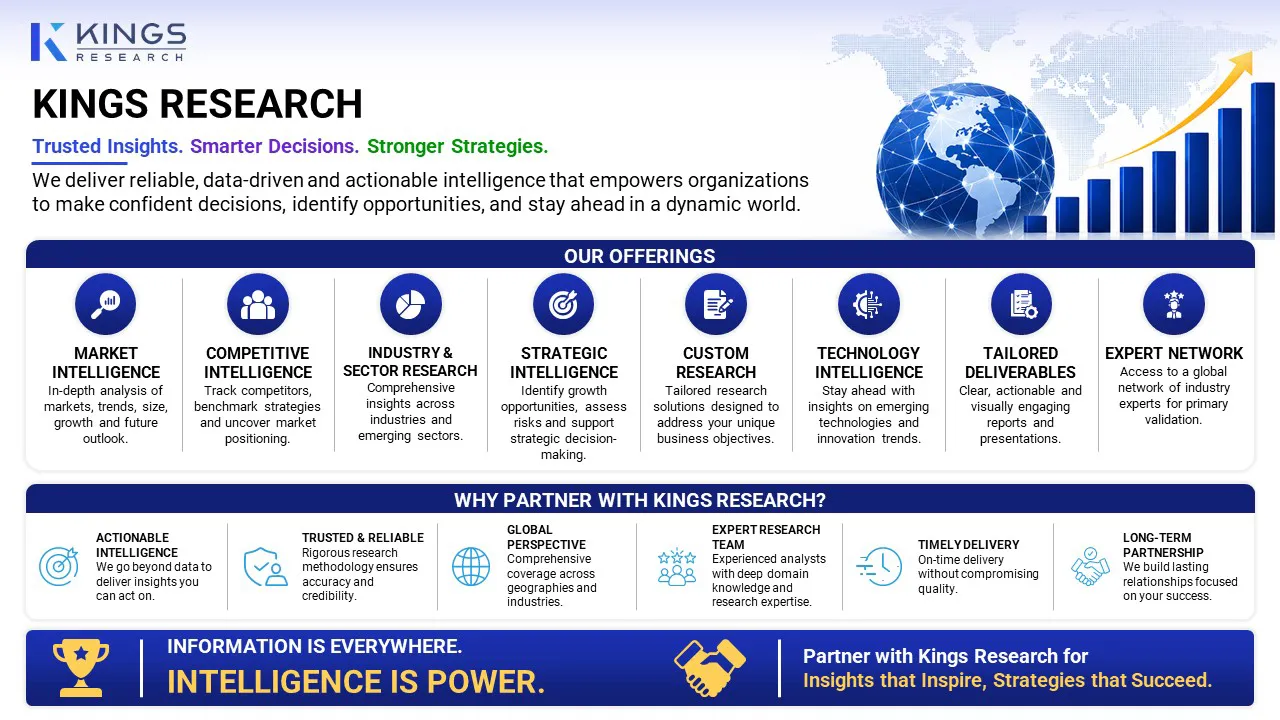
We deliver tailored, data-driven intelligence and strategic guidance to help organizations identify, evaluate, and capitalize on key market opportunities.
Frequently Asked Questions

Faizy brings over four years of experience in market research and consulting, with a proven ability to support strategic engagements across diverse industries and business environments. His work focuses on understanding complex market structures, identifying emerging opportunities, and translating research findings into clear, commercially relevant insights. With strong analytical capabilities and a structured approach to problem-solving, he evaluates industry trends, competitive landscapes, customer dynamics, and evolving business models. His expertise encompasses market research, competitive intelligence, market sizing and forecasting, industry assessment, company benchmarking, and strategic analysis. Faizy combines technical proficiency with a strong research orientation, enabling him to interpret both qualitative and quantitative information effectively. He has contributed to projects that help organizations assess growth potential, strengthen market positioning, and evaluate strategic priorities. His adaptable approach allows him to work across sectors while maintaining a consistent focus on accuracy, relevance, and delivering insights that support informed decision-making for clients and stakeholders.
With many years of consulting experience across global pharma, biotech, and MedTech markets, Minaz brings deep domain expertise, strategic clarity, and analytical rigor to every engagement. She has led 130+ consulting assignments spanning market entry, competitive landscaping, and portfolio prioritization, helping clients navigate complex, high-stakes decisions with confidence. Known for her ability to synthesize primary and secondary research into executive-ready recommendations, Minaz has built forecasting models and market sizing frameworks that have informed multi-million dollar investment decisions in oncology, diagnostics, and peptide therapeutics. Beyond her analytical strength, Minaz is a trusted client partner, translating complex datasets into clear, actionable insights for senior stakeholders. She currently leads a team of research analysts, driving business expansion, and shaping client engagement strategy.