
Inquire Now
Key Strategic Points
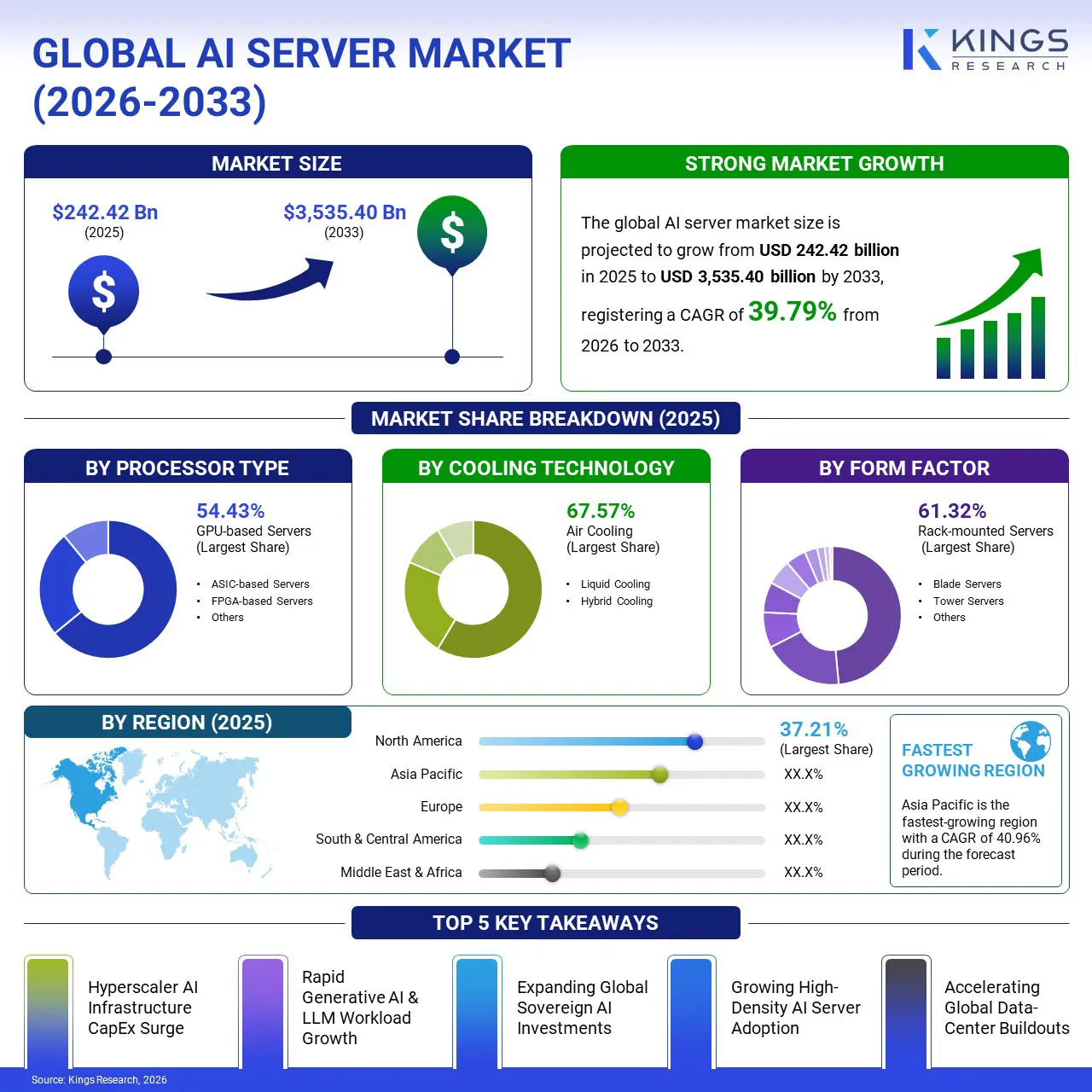
According to Kings Research analysis, the global AI server market size was recorded at USD 242.42 billion in 2025 and is projected to reach USD 3,535.40 billion by 2033, growing at a CAGR of 39.79% over the forecast period of 2026 to 2033.
The rapid expansion of artificial intelligence, large language models, and data-intensive workloads is driving the growth of AI servers across the globe. Rising demand for accelerated computing is supporting the deployment of GPU and ASIC-based servers across hyperscale, enterprise, cloud, and on-premises environments. Additionally, increasing AI model complexity is creating opportunities for the adoption of high-bandwidth memory, advanced processors, and innovative cooling technologies, thereby supporting market development.
The rise in adoption of graphics processing unit (GPU) deployments aimed at enabling faster training of large language models (LLMs) is creating a strong demand for AI servers. GPUs drive artificial intelligence (AI) with massive parallel computing capabilities and high bandwidth memory (HBM), optimized for AI-class matrix multiplication and convolution. They further enable complex calculations, process large amounts of data, and drive advanced applications in AI/ML.
The increase in demand for faster innovation, automation, data-driven decision-making, and personalized digital services is further fueling the demand for GPUs for LLMs. The exponential growth of enterprise data and demand for advanced NLP applications, including chatbots, virtual assistants, content generation, and translation, accelerates LLM adoption. This flexibility enables market players to develop customized LLMs to achieve greater data privacy, control, scalability, and cost efficiency, thus boosting market growth.
Challenges associated with high power consumption, thermal management, infrastructure requirements, and high operating expenses restrain market growth. This transition to higher GPU workloads results in data centers operating at a higher density per rack, leading to higher power utilization and increased heat generation. This necessitates the deployment of advanced liquid cooling systems for AI server racks exceeding 200 kW, including direct-to-chip cooling with cold plates, cooling distribution units (CDUs), and rear-door heat exchangers (RDHx) as key technologies for efficiently dissipating heat.
According to the International Energy Agency (IEA), electricity consumption in AI servers is driven mainly by AI adoption, which is projected to grow by 30% annually. The growth is attributed to the increase in AI server deployments across enterprise, colocation, edge, and hyperscale data centers, enabling manufacturers to incorporate solutions, including high-density server architectures and innovative cooling technologies, to improve the efficiency and reliability of AI servers.
The rapid expansion of custom AI accelerators deployed by major hyperscalers, including Google, AWS, Meta, and Microsoft, is boosting adoption of high-bandwidth memory in AI servers. The widespread deployment of HBM for large-model training, high-throughput inference, AI reasoning, and scientific and HPC workloads is transforming AI server demand dynamics.
The rising complexity of AI models is increasing average HBM density per ASIC to nearly 5x in AI servers, leading to greater memory content per chip and higher computational power. Additionally, the surging adoption of AI training and inference is increasing the need for higher memory bandwidth in AI servers, boosting adoption of advanced HBM generations, including HBM3E and HBM4, aimed at improving performance.
|
Segmentation |
Details |
|
|
By Processor Type |
GPU-based Servers, ASIC-based Servers, FPGA-based Servers, Others |
|
|
By Cooling Technology |
Air Cooling, Liquid Cooling, Hybrid Cooling |
|
|
By Form Factor |
Rack-mounted Servers, Blade Servers, Tower Servers, Others |
|
|
By Deployment |
On-Premises, Cloud |
|
|
By End User |
IT & Telecommunications, Banking, Financial Services, and Insurance (BFSI), Healthcare & Life Sciences, Automotive & Transportation, Manufacturing & Industrial, Retail & E-commerce, Government & Defense, Energy & Utilities, Media & Entertainment, Education & Research, Others |
|
|
By Region |
North America |
U.S., Canada, Mexico |
|
Europe |
France, UK, Spain, Germany, Italy, Russia, Rest of Europe |
|
|
Asia-Pacific |
China, Japan, India, Australia, ASEAN, South Korea, Rest of Asia-Pacific |
|
|
Middle East and Africa |
Turkey, U.A.E., Saudi Arabia, South Africa, Rest of Middle East & Africa |
|
|
South and Central America |
Brazil, Argentina, Rest of South and Central America |
|
The GPU-based server segment held the largest share of 54.43%, valued at USD 131.95 billion in 2025. This notable growth is attributed to its applicability in AI operations, including matrix multiplication and tensor processing. This enables higher performance and better power efficiency compared to general-purpose processors for specific AI workloads. The suitability for large-scale, repetitive AI inference tasks, where lower power consumption and lower cost per operation are crucial, contributes significantly to segmental growth.
The retail and e-commerce segment is estimated to register the fastest CAGR of 42.13% over the forecast period. This growth is fueled by the adoption of artificial intelligence in retail and e-commerce through personalization, predictive analytics, and real-time customer engagement. The integration of AI enables retailers to analyze customer preferences, provide personalized recommendations, forecast demand, optimize inventory, and improve pricing strategies. Additionally, the inclusion of value-added AI services through chatbots, virtual assistants, and technologies such as virtual try-ons contributes significantly to the demand for AI servers capable of handling high computational workloads.
The global market is moderately consolidated due to the presence of major AI server manufacturers that hold significant market shares and possess advanced technological capabilities. Key market players are pursuing strategic mergers, acquisitions, and technical collaborations to strengthen their competitive positioning and capture a larger share of the rapidly growing AI server market. Companies are further innovating their AI server offerings to enhance server performance, scalability, energy efficiency, and processing capabilities, thereby addressing the rising demand for AI workloads.
By region, the global AI server market is segmented into North America, Europe, Asia Pacific, the Middle East and Africa, and South and Central America.
North America captured the largest share of 37.21%, valued at USD 90.20 billion in 2025. This high share is attributed to the rapid growth of AI data centers in the U.S., driven largely by increasing data usage and the surging adoption of generative AI. The U.S. is designated as a premier hub for artificial intelligence development, facilitating the development of allied hardware products and services.
The U.S. AI Action Plan, introduced in January 2025, established a national framework to guide AI infrastructure initiatives and federal policymaking across priority areas. This supports the rising deployment and utilization of artificial intelligence, enabling companies to establish AI data centers across commercial, industrial, and government sectors, fueling demand for AI servers.
In September 2025, Microsoft developed Fairwater, an advanced AI data center in Mount Pleasant, Wisconsin (U.S.), with the facility expected to become operational in early 2026, thereby increasing demand for AI servers.
The Asia-Pacific AI server market is poised to grow at the fastest CAGR of 40.96% from 2026 to 2033. This rapid growth is propelled by AI adoption, cloud expansion, and enterprise digitization across emerging economies, including China, Japan, India, South Korea, and Southeast Asia. The region holds the largest share in the production of AI servers, with Taiwan holding the dominant position, attributed to the presence of notable AI server manufacturers, including Foxconn, Quanta Computer, Wistron, and Wiwynn, which assemble the bulk of the global AI server racks. Wistron closed 2025 with a record revenue of USD 68.9 billion, and Quanta reached approximately USD 67 billion, up 50.5%, with AI servers exceeding 70% of its Q4 server revenue, indicating strong growth in regional AI server production.
The Europe AI server market is witnessing steady growth, driven by increasing AI adoption, cloud infrastructure expansion, and investments in data centers. Growing regulatory focus and initiatives promoting AI development are further expected to encourage the deployment of AI infrastructure across key European economies.
The Middle East is emerging as a growing market for AI servers, driven by digital transformation, government-led AI initiatives, and investments in large-scale data center infrastructure across the UAE and Saudi Arabia, boosting demand for high-performance computing and AI servers. Increasing cloud adoption, digitalization, and rising investments in AI infrastructure across Brazil, Argentina, and Chile are boosting the demand for AI servers in South and Central America.
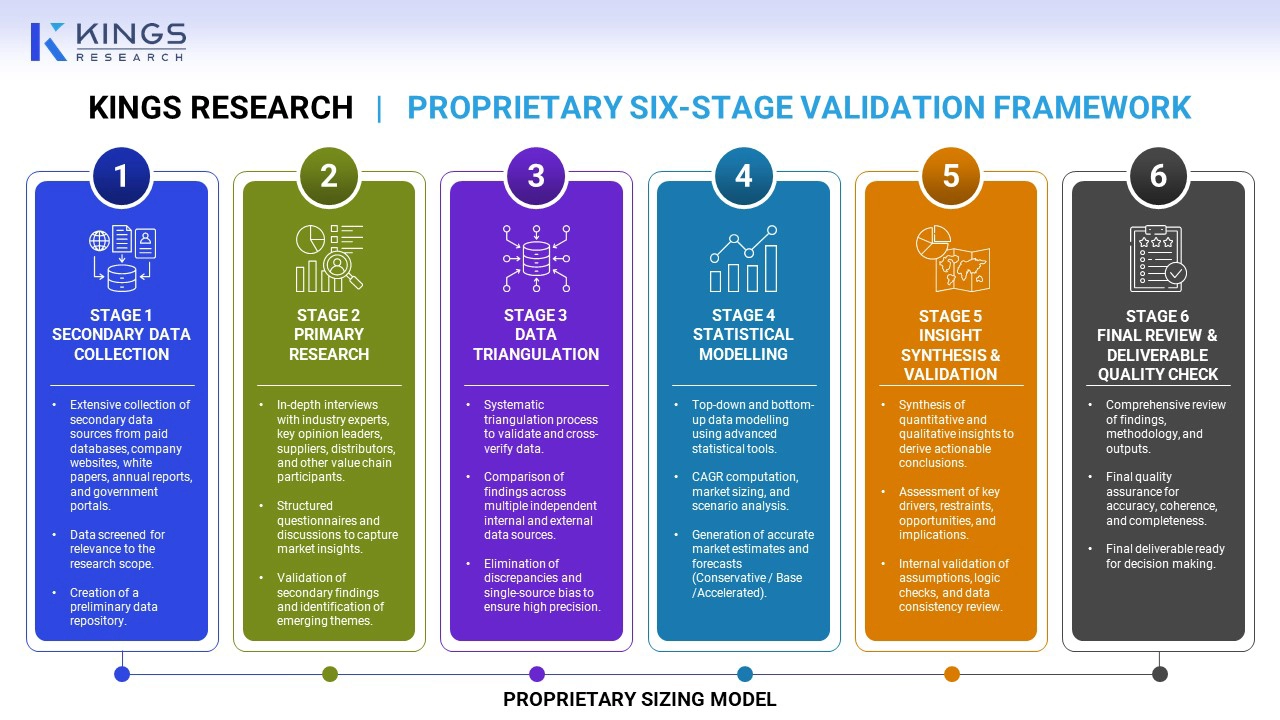
Our methodology triangulates insights from multiple independent and publicly available research databases and is further validated against regulatory filings and public company disclosures. All estimates are cross-verified; no single-source data is presented without validation.
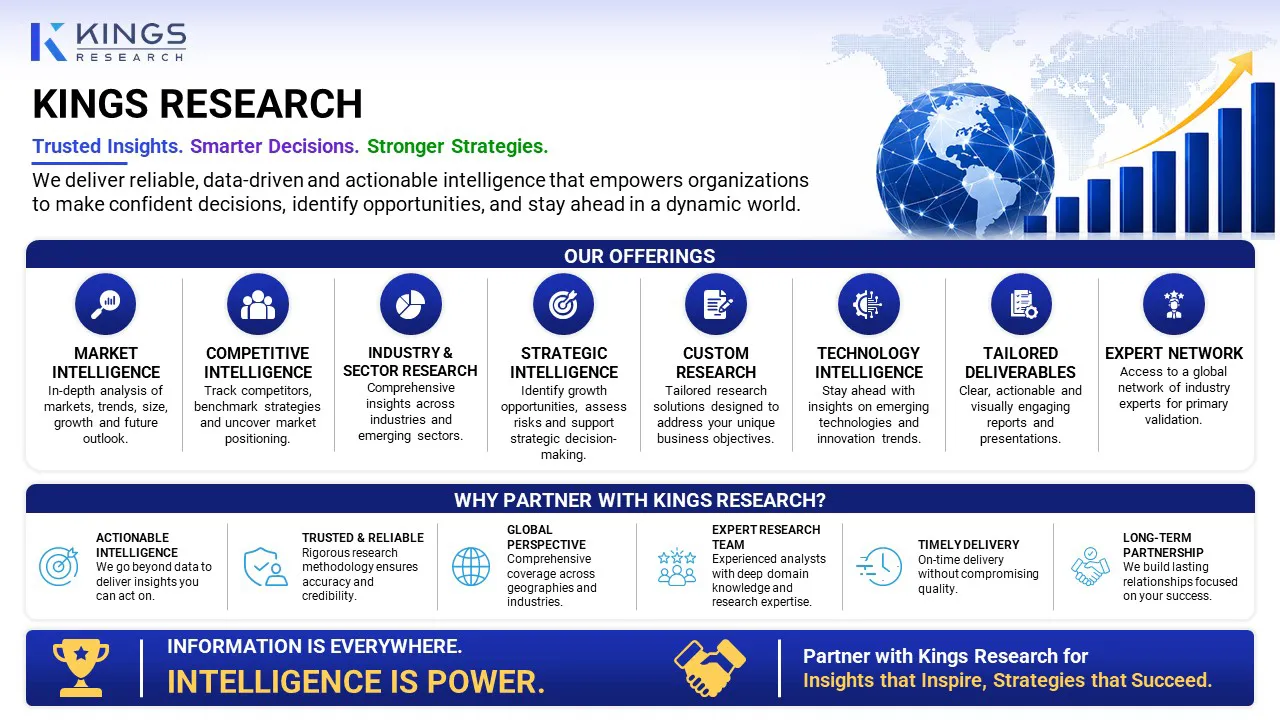
Our custom offerings deliver tailored, data-driven intelligence and strategic guidance to help organizations identify, evaluate, and capitalize on key market opportunities.
Frequently Asked Questions

Faizy brings over four years of experience in market research and consulting, with a proven ability to support strategic engagements across diverse industries and business environments. His work focuses on understanding complex market structures, identifying emerging opportunities, and translating research findings into clear, commercially relevant insights. With strong analytical capabilities and a structured approach to problem-solving, he evaluates industry trends, competitive landscapes, customer dynamics, and evolving business models. His expertise encompasses market research, competitive intelligence, market sizing and forecasting, industry assessment, company benchmarking, and strategic analysis. Faizy combines technical proficiency with a strong research orientation, enabling him to interpret both qualitative and quantitative information effectively. He has contributed to projects that help organizations assess growth potential, strengthen market positioning, and evaluate strategic priorities. His adaptable approach allows him to work across sectors while maintaining a consistent focus on accuracy, relevance, and delivering insights that support informed decision-making for clients and stakeholders.
Habi is a seasoned research and consulting leader with renowned experience in guiding clients on strategic growth and transformation initiatives across global markets. He has led high-performing research teams that deliver actionable insights on market expansion, M&A strategies, opportunity assessment, new business development, and product launches. His project portfolio spans large petrochemical producers, electronic device manufacturers, lubricants companies, and other leading enterprises across diverse industrial and consumer sectors. He currently heads the research department at Kings Research, where he is responsible for setting the research agenda, mentoring analysts, and ensuring client-ready deliverables that support executive decision-making. With extensive experience in market intelligence, strategic research, and consulting, Habi brings a strong understanding of evolving industry dynamics, competitive landscapes, emerging opportunities, and business growth challenges. His expertise includes developing research frameworks, translating complex market data into actionable strategic recommendations, and working closely with senior stakeholders to address critical business questions. He has also contributed to building research capabilities, strengthening analytical methodologies, and driving a culture of quality and insight-led decision-making within research teams. His cross-industry exposure enables him to connect market trends with broader business implications and provide perspectives that help organizations identify opportunities, mitigate risks, and make informed strategic decisions.