
Inquire Now
Key Strategic Points
According to Kings Research analysis, the global ceramic tube market size was valued at USD 1.39 billion in 2025 and is projected to reach USD 2.26 billion by 2033, growing at a CAGR of 6.21% during the forecast period from 2026 to 2033. This growth is driven by rising demand for materials offering high thermal resistance and superior electrical insulation.
Furthermore, advancements in 3D printing technologies are enabling the production of ceramic tubes with complex internal geometries, expanding their applications across various industries.
Major companies operating in the global ceramic tube industry are KYOCERA Corporation, Engineering Ceramic Co., Ltd., LSP Industrial Ceramics, Inc., CoorsTek Inc., Kilncera, Corning Incorporated, CeramTec GmbH, Materion Corporation, Active Enterprises, STC Material Solutions, Morgan Technical Ceramics, Mingrui Ceramic, Srishti Ceramics, Carborundum Universal Limited (CUMI), and McDanel Advanced Material Technologies LLC.
Companies are combining precision machining procedures to meet the strict dimensional standards of the industry for ceramic tubes. This process includes diamond tooling and laser machining to achieve close tolerances in semiconductor and medical device manufacturing. These processes enhance the mechanical strength and reliability of the tubes and offer high-quality surfaces. The use of these finishing techniques, therefore, improves the performance of advanced ceramic solutions.
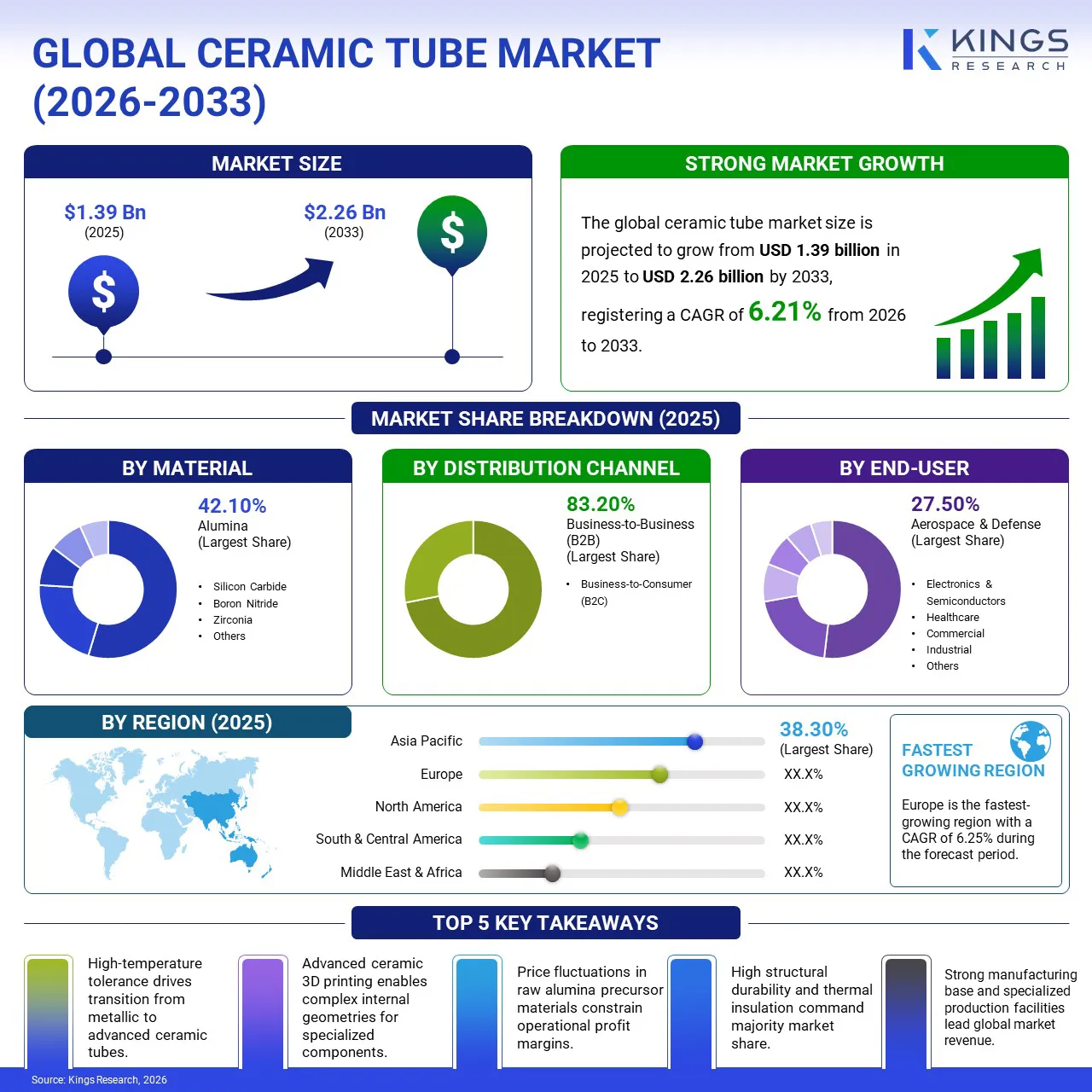
The ceramic tube market is growing rapidly due to the increasing adoption of materials that maintain structural integrity even under extreme heat and electrical stress. This demand is backed by a shift from conventional materials such as metallic components towards more advanced ceramics, which can withstand temperatures beyond the limits of industrial alloys. The operational lifespan of thermal processing equipment and furnace systems is being extended to minimize downtime and energy loss in high-temperature environments.
Such high-performance materials also provide important dielectric strength and aid in avoiding dielectric interference in sensitive semiconductor equipment. This focus on thermal and electrical stability is an important component of heat management and electronic packaging. These properties allow for a more reliable and low-cost option for operating high-stress, complex circuit industrial systems across the energy and aerospace sectors.
One of the major issues in the market is the high cost of production due to expensive raw materials and specialized manufacturing procedures. Advanced ceramics require high-temperature firing and precision machining using diamond tools. These requirements significantly increase energy consumption and instrumentation costs when compared to standard metal parts. These factors create financial constraints for companies seeking cost-effective alternatives to traditional materials.
To solve this issue, manufacturers are adopting technologies such as automated sintering and energy-efficient kilns to reduce the fixed costs. They are also enhancing and streamlining their supply chain operations to receive raw materials in bulk at a low cost. This strategy reduces the production costs of the ceramic tube while ensuring high-quality performance for buyers worldwide.
The use of 3D printing for the production of ceramic tubes is increasing. 3D printing enables the creation of ceramic tubes with complex internal geometries and shapes that are highly specific. These systems are different from traditional machining, which often results in higher material waste.
This manufacturing shift addresses the growing need for specialized industrial components across diverse sectors. By adopting additive techniques, the aerospace & defense and healthcare industries have established more efficient, customizable production standards. These advancements allow for precise engineering while significantly reducing the overhead associated with conventional fabrication methods.
|
Segmentation |
Details |
|
By Material |
Alumina, Silicon Carbide, Boron Nitride, Zirconia, Others |
|
By Distribution Channel |
Business-to-Business (B2B), Business-to-Consumer (B2C) |
|
By End-User Vertical |
Aerospace & Defense, Electronics & Semiconductors, Healthcare, Commercial, Industrial, Others |
|
By Region |
North America: U.S., Canada, Mexico |
|
Europe: France, UK, Spain, Germany, Italy, Russia, Rest of Europe |
|
|
Asia-Pacific: China, Japan, India, Australia, ASEAN, South Korea, Rest of Asia-Pacific |
|
|
Middle East & Africa: Turkey, U.A.E., Saudi Arabia, South Africa, Rest of Middle East & Africa |
|
|
South America: Brazil, Argentina, Rest of South America |
Based on region, the market has been classified into North America, Europe, Asia Pacific, Middle East & Africa, and South America.
The Asia-Pacific ceramic tube market accounted for a substantial share of 38.10% in 2024, valued at USD 503.0 million. The reason behind this dominance is the strong manufacturing base and the high rate of special ceramic production plant development in the region. China, Japan, and India are also key centers of large-scale production of ceramics with favorable industrial policies and low-cost production.
The developed electronics and semiconductor fabrication infrastructure in South Korea and Taiwan is also a contributing factor to the demand for high-performance ceramic components. This pooling of production power enables local manufacturers to produce in large quantities while catering to the needs of both the local and international markets.
The market in Europe is expected to register the fastest CAGR of 6.25% over the forecast period. This rapid growth is fueled by the expansion of global companies into the region to meet the rising demand for high-quality ceramic materials. Leading manufacturers are establishing new research and production centers in Germany and France to support the automotive and aerospace sectors. Such investments are focused on the creation of precision-engineered tubes that are in accordance with the stringent European safety and environmental standards.
The major participants in the ceramic tube industry are aggressively forming strategic alliances with research centers to advance material science capabilities. Major producers are negotiating Memorandums of Understanding (MOUs) to conduct collective research and development on silicon carbide and other high-performance materials. The goal of these activities is to improve the thermal conductivity and mechanical strength required for high-stress applications.
At the same time, manufacturers are collaborating with academic laboratories to explore the properties of advanced ceramic compositions. This form of cooperation enables companies to share technical risks and enhance the development of specialized products within the aerospace and semiconductor industries. These endeavors also focus on improving thermal conductivity and mechanical strength of high-stress applications.
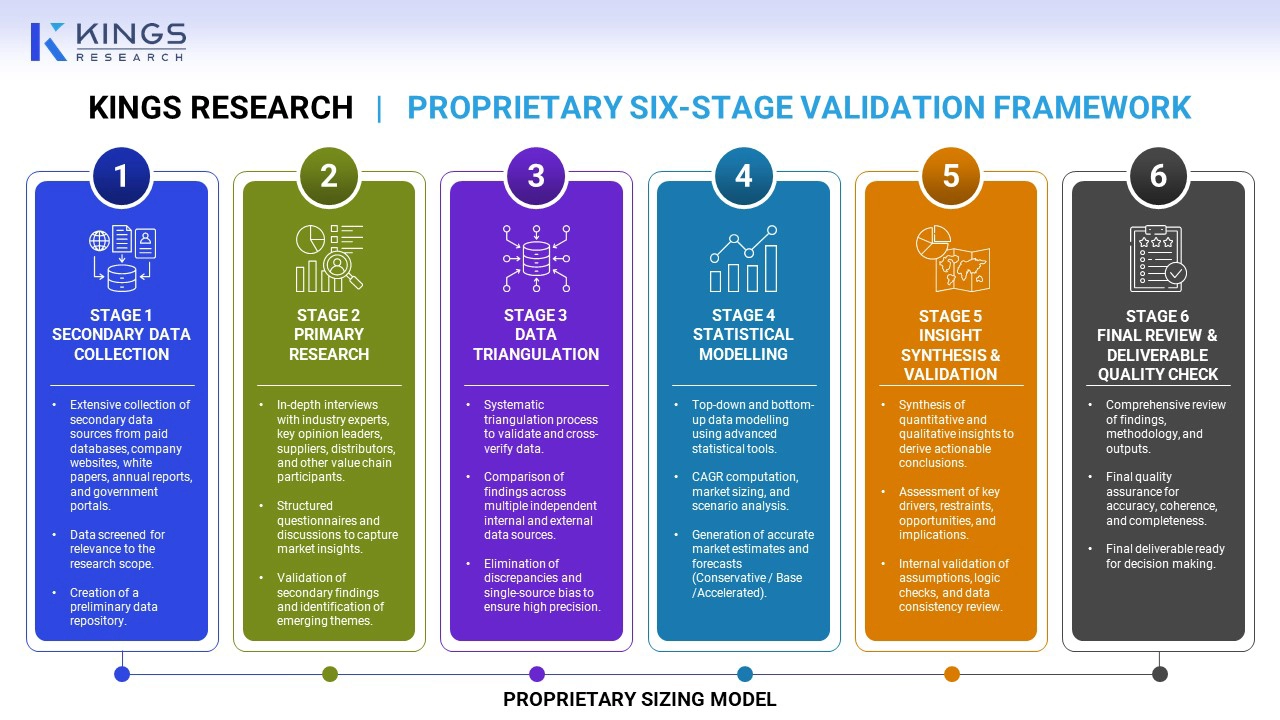
How We Gather This Information
Our methodology triangulates insights from multiple independent and publicly available research databases and is further validated against regulatory filings and public company disclosures. All estimates are cross-verified; no single-source data is presented without validation.
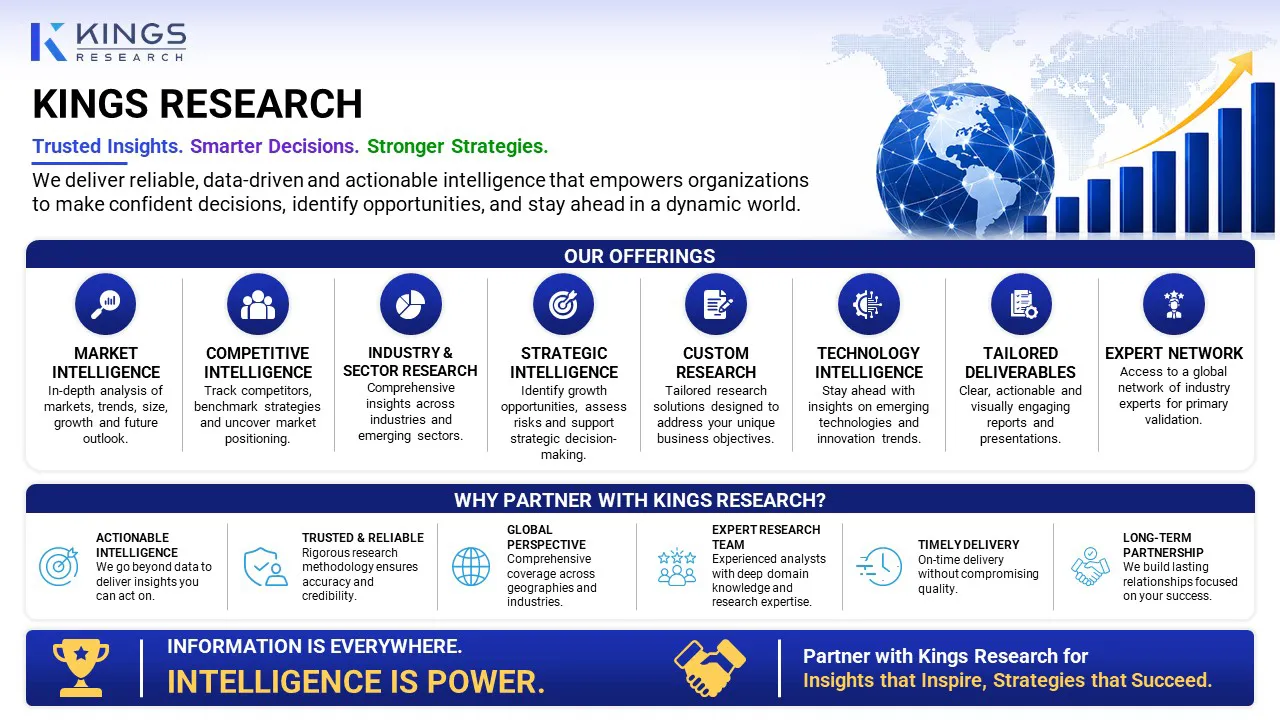
Our custom offerings deliver tailored, data-driven intelligence and strategic guidance to help organizations identify, evaluate, and capitalize on key market opportunities.
Frequently Asked Questions

Tejasv specializes in secondary research and data validation, transforming complex information into clear market insights. He supports multi-industry research initiatives by delivering reliable intelligence that informs planning and strategic direction. With a disciplined and detail-focused approach, he emphasizes analytical clarity and practical application. His interest in geopolitics and history informs his broader market perspective. This unique lens allows him to contextualize industry shifts within larger socio-political frameworks, adding depth to his analyses. He maintains rigorous documentation standards, making his findings auditable and easily reproducible. His ability to distill vast amounts of secondary data into concise, decision-ready summaries has earned him the trust of project leads across multiple verticals. Tejasv actively tracks regulatory changes and economic indicators, which he incorporates into his research to enhance its forward-looking relevance. His methodical work ethic, combined with a calm demeanor under tight deadlines, ensures that his contributions remain both timely and impactful.
Habi is a seasoned research and consulting leader with renowned experience in guiding clients on strategic growth and transformation initiatives across global markets. He has led high-performing research teams that deliver actionable insights on market expansion, M&A strategies, opportunity assessment, new business development, and product launches. His project portfolio spans large petrochemical producers, electronic device manufacturers, lubricants companies, and other leading enterprises across diverse industrial and consumer sectors. He currently heads the research department at Kings Research, where he is responsible for setting the research agenda, mentoring analysts, and ensuring client-ready deliverables that support executive decision-making. With extensive experience in market intelligence, strategic research, and consulting, Habi brings a strong understanding of evolving industry dynamics, competitive landscapes, emerging opportunities, and business growth challenges. His expertise includes developing research frameworks, translating complex market data into actionable strategic recommendations, and working closely with senior stakeholders to address critical business questions. He has also contributed to building research capabilities, strengthening analytical methodologies, and driving a culture of quality and insight-led decision-making within research teams. His cross-industry exposure enables him to connect market trends with broader business implications and provide perspectives that help organizations identify opportunities, mitigate risks, and make informed strategic decisions.