
Inquire Now
Key Strategic Points
According to Kings Research, the global market size was valued at USD 4.18 billion in 2025 and is projected to grow to USD 10.68 billion by 2033, exhibiting a CAGR of 12.42% during the forecast period. In the scope of work, the report includes solutions offered by companies such as Altium Limited, Autodesk Inc., Novarm Limited, Cadence Design Systems, Inc., KiCad, Siemens AG, KLA Corporation, Zuken, Labcenter Electronics, Emerson Electric (National Instruments Corporation), and others.
The market is growing because there is more demand for advanced design tools that can keep up with changing technology, new innovations like AI-enabled design capabilities and simulation tools, and the need for businesses to streamline processes and improve efficiency in a competitive landscape. For instance, in July 2026, Cadence introduced AuraStack AI Super Agent, an agentic AI platform built on Allegro AI Studio for PCB and advanced packaging design. The platform is designed to automate tasks across the PCB development process, from system planning through final product design, and Cadence reports up to 2× faster time-to-market and 15× higher productivity. This demonstrates the industry's increasing focus on AI-driven design automation and advanced tools to manage increasingly complex electronic systems.
The PCB design software market is positively impacted by technological advancements, increasing demand for miniaturized electronic devices, and the growing adoption of automation across various industries. Additionally, the rise in electronic component complexity and the pressing need for efficient design solutions are fueling market growth. Moreover, the growth of IoT and the automotive sector drives demand for PCB design software, as these industries need advanced circuitry and layout designs to meet their connectivity and functionality requirements.
The PCB design software tools aid in the creation, modification, and analysis of PCB layouts, helping engineers and designers to develop efficient and reliable electronic systems. The market includes a wide range of offerings, from basic entry-level tools to advanced solutions with comprehensive features for complex designs. These software applications enable engineers and designers to create schematic designs, place components, route traces, and perform various analyses to ensure the functionality, reliability, and manufacturability of PCBs.
The market encompasses both standalone PCB design software packages and integrated suites within broader EDA software platforms. Key players in the market include software vendors offering specialized PCB design solutions, as well as larger EDA companies providing comprehensive design and simulation tools for the entire electronic product development process.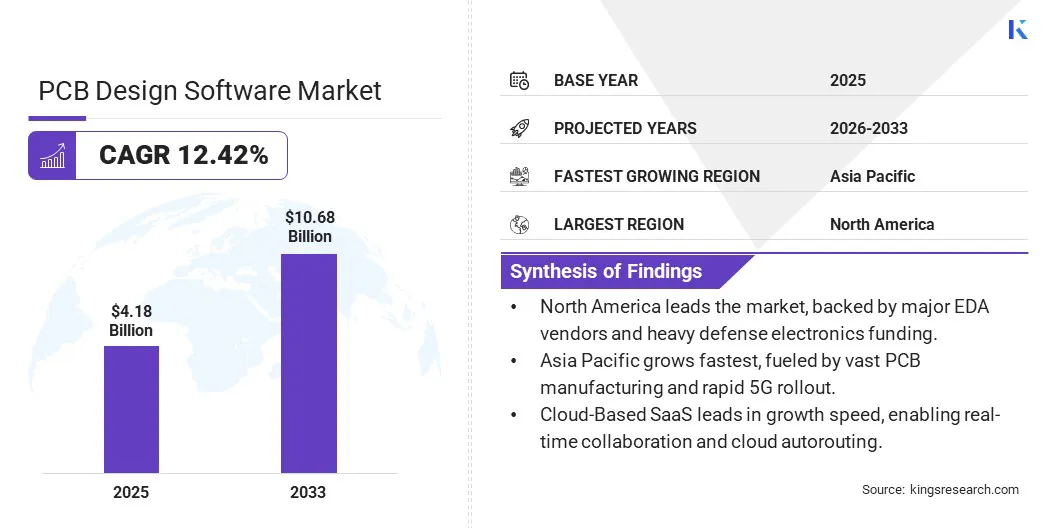
The increasing demand for high-speed and high-density electronic devices contributes to the growth of the PCB design software market. The continued advancement of technologies is resulting in a growing need for PCB designs that support faster data transmission rates and accommodate more components in smaller form factors.
This demand is further driven by industries such as telecommunications, automotive, and consumer electronics that require PCBs to handle complex circuitry without compromising on performance or reliability. To satisfy this growing need, software designers are continually improving their PCB design tools with advanced features like high-speed signal integrity, optimized routing algorithms, and 3D modeling.
A significant challenge faced by the market is the complexity of designing for emerging technologies such as 5G, IoT, and AI, which demand highly specialized expertise and resources. To overcome this challenge, industry players are investing heavily in the development of user-friendly design tools with intuitive interfaces and built-in automation features.
Additionally, industry players are establishing collaboration and knowledge-sharing platforms to facilitate communication among designers and provide access to expert guidance and best practices. Moreover, comprehensive training and educational programs are being offered to equip engineers with the skills and knowledge required to tackle the complexities associated with designing cutting-edge applications.
A notable trend shaping the market landscape is the increasing integration of artificial intelligence (AI) and machine learning (ML) capabilities into design tools. AI and ML algorithms are being utilized to automate routine design tasks, optimize PCB layouts, and predict potential design flaws or performance issues.
This trend is driven by the growing need for faster design iterations and improved design quality, as well as the growing complexity of modern electronic systems. AI and ML can help designers accelerate the design process, get products to market faster, and improve the overall reliability and performance of PCBs.
The growing shift toward cloud-based design solutions impacts the PCB design software industry. Cloud computing offers several advantages, including increased accessibility, scalability, and collaboration capabilities. This enables design teams to work collaboratively on PCB projects from different locations, ensuring they have simultaneous access to the same design data in real time.
Additionally, cloud-based design tools eliminate the need for costly hardware investments and software installations, thereby providing a more cost-effective and flexible solution for design teams of all sizes. Moreover, cloud-based platforms often offer built-in version control and data management features, significantly enhancing productivity and efficiency.
|
Segmentation |
Details |
|
By Component |
Software and Services |
|
By Deployment |
On-Premises and Cloud |
|
By Application |
Consumer Electronics, Telecommunication, Automotive, Aerospace & Defense, Healthcare, and Others |
|
By Region |
North America: U.S., Canada, Mexico |
|
Europe: France, UK, Spain, Germany, Italy, Russia, Rest of Europe |
|
|
Asia-Pacific: China, Japan, India, South Korea, Australia, ASEAN, Rest of Asia-Pacific |
|
|
Middle East & Africa: Turkey, UAE, Saudi Arabia, South Africa, Rest of Middle East & Africa |
|
|
South & Central America: Brazil, Argentina, Rest of South & Central America |
Based on the component, the market is categorized into software and services. According to Kings Research, the software segment led the PCB design software market in 2025. This growth is primarily fueled by increasing demand for advanced design tools to meet evolving technological requirements.
Companies across industries are increasingly adopting software solutions to optimize PCB design workflows and accelerate time-to-market. Furthermore, the growth of this segment is being driven by innovations such as AI-enabled design capabilities and simulation tools, which cater to the ever-increasing complexity of electronic systems.
Based on deployment, the market is classified into on-premises and cloud-based solutions. The cloud segment is set to witness significant growth through the forecast period (2026-2033). This surge is primarily attributed to the inherent advantages of cloud-based solutions, including scalability, flexibility, and cost-effectiveness.
The rise of remote work and collaborative design processes is showing the benefits of cloud-based PCB design platforms, which provide seamless accessibility and real-time collaboration, resulting in their widespread use across many industries. Furthermore, advancements in cloud technology, such as enhanced security measures and improved performance, are building confidence among businesses and supporting segment expansion.
Based on application, the market is segmented into consumer electronics, telecommunication, automotive, aerospace & defense, healthcare, and others. The automotive segment secured the largest market share in 2025, driven by expanding vehicle production and the increasing integration of advanced electronics, connectivity, electrification, and software-defined vehicle technologies. India's passenger vehicle sales reached a record 4.64 million units in FY 2025–26, while the industry's transition toward software-defined vehicles is increasing the complexity of electronic architectures and creating greater demand for advanced PCB design and layout solutions.
Consumer electronics manufacturers are working to introduce cutting-edge products with enhanced features and functionalities, resulting in increased demand for sophisticated PCB designs. Moreover, evolving consumer preferences toward compact, lightweight, and energy-efficient devices necessitate intricate PCB layouts and optimized designs, thus bolstering the growth of the segment.
Additionally, the proliferation of IoT devices and wearables is amplifying the need for customized PCB solutions tailored to specific applications, contributing to the robust growth of the consumer electronics segment.
Based on region, the global market is classified into North America, Europe, Asia-Pacific, MEA, and South & Central America.
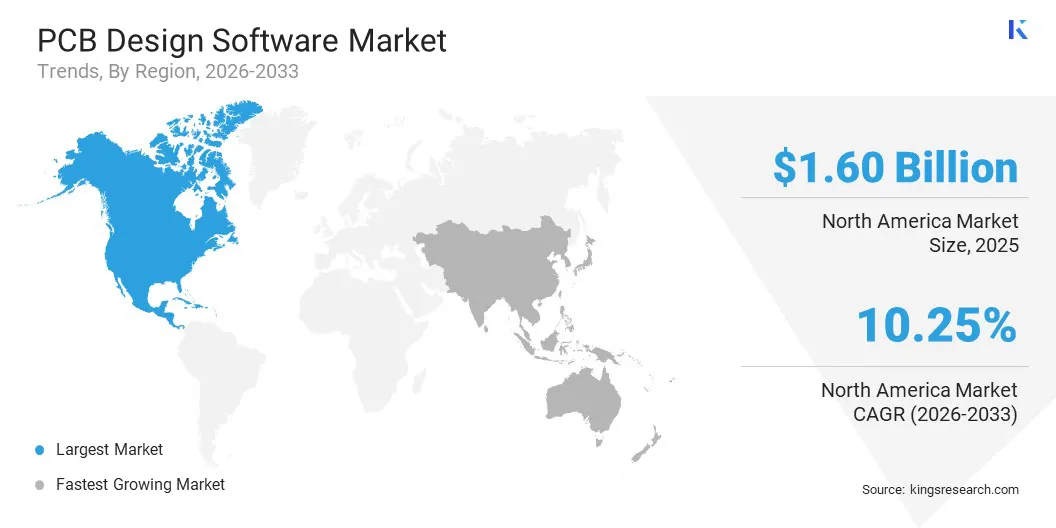
According to Kings Research, North America is leading the PCB design software industry. This significant share is due to the presence of leading technology companies and a well-established semiconductor industry. The regional market growth is greatly aided by the emphasis on innovation and leading-edge design tools and methodologies.
Moreover, increasing investments in the IoT, AI, and other emerging technologies are driving the demand for advanced designs of PCBs. High-tech industry support from the government, along with a focus on strengthening domestic manufacturing capacities, is also an important driver for the regional market.
The Asia-Pacific region is expected to witness significant growth during the forecast period, driven by its robust electronics manufacturing ecosystem, particularly in China, Japan, South Korea, and Taiwan. These countries serve as major hubs for consumer electronics, automotive electronics, telecommunications, and semiconductor manufacturing, supporting the demand for advanced PCB design solutions. Furthermore, the growing adoption of advanced manufacturing technologies, the presence of leading PCB manufacturers and design solution providers, increasing government support for industrial digitalization, and rising investments in R&D and semiconductor capabilities are expected to further accelerate the growth of the regional PCB design software market.
The PCB design software market report will offer insightful information, with an emphasis on the fragmented nature of the industry. Prominent players are focusing on several key business strategies such as partnerships, mergers and acquisitions, product innovations, and joint ventures to expand their product portfolio and increase their market shares across different regions.
Manufacturers are adopting a range of strategic initiatives, including investments in R&D activities, the establishment of new manufacturing facilities, and supply chain optimization, to strengthen their market standing.
How We Gather This Information
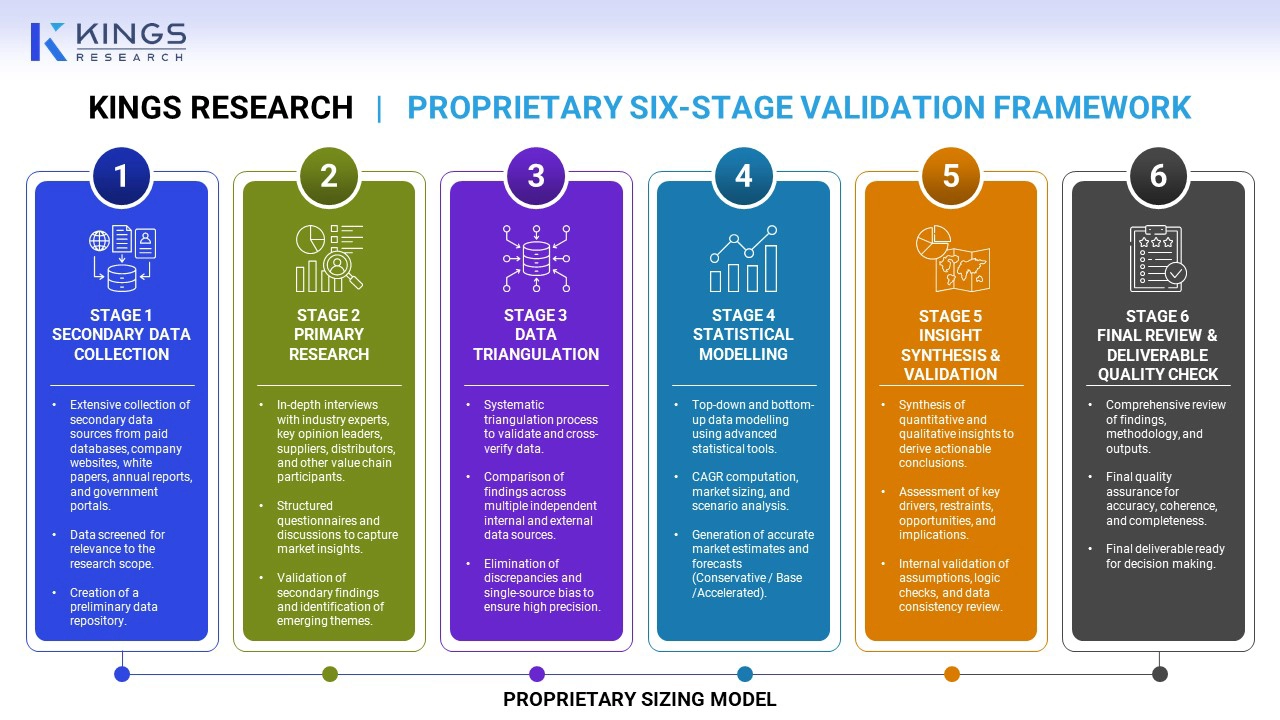
Our methodology triangulates insights from multiple independent and publicly available research databases and is further validated against regulatory filings and public company disclosures. All estimates are cross-verified; no single-source data is presented without validation.
Our custom offerings deliver tailored, data-driven intelligence and strategic guidance to help organizations identify, evaluate, and capitalize on key market opportunities.
Frequently Asked Questions

Ashim Lakhera is a market intelligence professional specializing in the Agriculture and Food & Beverage industry. His work focuses on emerging markets, competitive dynamics, industry trends, and the factors driving market growth and transformation. He has experience in market sizing, forecasting, strategic analysis, and industry research across food, FMCG, and life sciences. His research interests span the broader food and agriculture value chain, with a particular focus on how innovation, changing consumer behavior, sustainability priorities, and evolving production systems are influencing markets. He examines these developments to understand their impact on demand, competition, business models, and growth opportunities across the agri-food ecosystem. His work combines quantitative market analysis with an understanding of the broader industry forces shaping food and agriculture markets. He is particularly interested in the structural changes taking place across global food systems and how businesses are adapting to evolving consumer expectations, technological developments, and sustainability requirements.
Habi is a seasoned research and consulting leader with renowned experience in guiding clients on strategic growth and transformation initiatives across global markets. He has led high-performing research teams that deliver actionable insights on market expansion, M&A strategies, opportunity assessment, new business development, and product launches. His project portfolio spans large petrochemical producers, electronic device manufacturers, lubricants companies, and other leading enterprises across diverse industrial and consumer sectors. He currently heads the research department at Kings Research, where he is responsible for setting the research agenda, mentoring analysts, and ensuring client-ready deliverables that support executive decision-making. With extensive experience in market intelligence, strategic research, and consulting, Habi brings a strong understanding of evolving industry dynamics, competitive landscapes, emerging opportunities, and business growth challenges. His expertise includes developing research frameworks, translating complex market data into actionable strategic recommendations, and working closely with senior stakeholders to address critical business questions. He has also contributed to building research capabilities, strengthening analytical methodologies, and driving a culture of quality and insight-led decision-making within research teams. His cross-industry exposure enables him to connect market trends with broader business implications and provide perspectives that help organizations identify opportunities, mitigate risks, and make informed strategic decisions.