
Inquire Now
Key strategic points
According to Kings Research, the global cat food industry was valued at USD 52.65 billion in 2025 and is projected to reach USD 90 billion by 2033, growing at a CAGR of 7.09% from 2026 to 2033.
This report covers products offered by leading companies, including Colgate-Palmolive Company, General Mills Inc, Heristo AG, Mars, Incorporated, Nestlé S.A., Wellness Pet, LLC, PLB International, Diamond Pet Foods, The J.M. Smucker Company, Tiernahrung Deuerer GmbH, Thai Union Group PCL, Monge & C. S.p.A., Perfect Companion, and Simmons Foods, Inc.
The global cat food market is experiencing significant growth, driven by rising pet ownership, evolving consumer preferences, and the increasing humanization of pets. There is a noticeable shift toward premium and natural ingredients, as pet owners become more health-conscious regarding their pets' diets. This trend is accelerating market growth and prompting manufacturers to adapt their offerings to meet changing consumer demands. Innovation in product development, expansion of distribution channels, and rising disposable incomes in emerging markets are also contributing to the market's ongoing expansion. The market spans wet food, dry food, and snacks/treats, with the treats sub-segment increasingly used by pet owners for everyday feeding occasions and reward-based routines, not just occasional indulgence.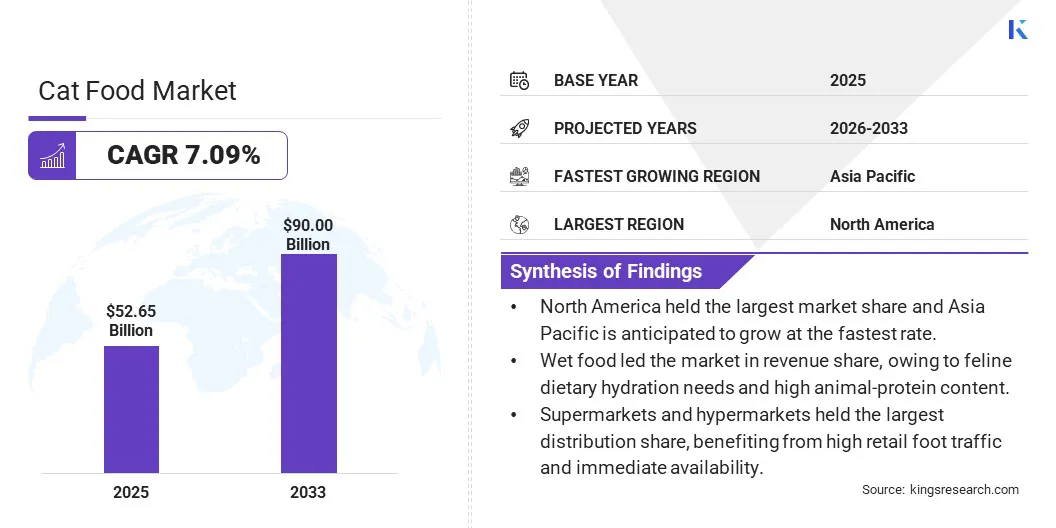
1- The global cat food market was valued at USD 52.65 billion in 2025.
2- The market is projected to reach USD 90 billion by 2033, growing at a CAGR of 7.09% from 2026 to 2033.
3- The wet food segment has the highest market share in 2025.
4- The online distribution channel is expected to register the highest CAGR during 2026–2033.
5- North America accounted for the largest market share in 2025.
The growing demand for functional and specialty cat food is a major factor contributing to the market's expansion. Pet owners are looking for cat food products that provide targeted health benefits or meet specific dietary requirements. This is particularly evident in the growing interest in functional ingredients such as probiotics, antioxidants, and omega-3 fatty acids, which are widely marketed for their potential to support digestive health, immune function, and overall feline wellness.
Additionally, there is increasing demand for specialty cat foods, such as grain-free, hypoallergenic, and organic options - variants that are available across all three main product types (wet food, dry food, and snacks/treats) as consumers place greater emphasis on premium and natural ingredients for their pets. According to Kings Research, the market for functional and specialty cat food is expected to see sustained growth, driven by greater awareness of pet health, higher disposable incomes, and the ongoing trend of pet humanization.
Increasing cat adoption is a key driver of growth in the global market. As more people welcome cats into their homes, whether through animal shelters, rescue organizations, or breeders, the demand for cat food continues to grow. This shift reflects growing interest in companionship, emotional support, and the commitment to providing a nurturing environment for pets. In response, cat owners are prioritizing high-quality, nutritious food to support the health and well-being of their feline companions.
The deepening bond between pet owners and their cats has also led to higher spending on premium and specialty cat food. Products that offer specific health benefits or cater to unique dietary needs are increasingly favored, reflecting a shift toward more personalized pet nutrition.
In December 2025, Mankind Pharma launched PetStar Delight cat food, expanding its PetStar pet care line. With functional ingredients for feline health, tailored nutrition, and three flavors, the range reflects Mankind's commitment to quality, wellness, and affordable pet nutrition, leveraging its experience and distribution strength in India's rapidly growing pet care market.
However, growing concerns about pet allergies present a challenge for the cat food market. Allergies are often linked to certain ingredients such as grains, artificial additives, or commonly used proteins. This has fueled demand for hypoallergenic and natural cat food options that limit potential allergens while providing complete nutrition.
The prevalence of pet allergies also highlights the importance of ingredient transparency and clear product labeling. Today's pet owners are more likely to scrutinize ingredient lists and allergen information, making informed choices to ensure the safety and health of their cats.
The global cat food market is segmented based on type, distribution channel, and geography.
Based on type, the market is classified into wet food, dry food, and snacks/treats. The wet food segment dominated the market in 2025. Its popularity is driven by factors such as high moisture content, enhanced palatability, and a perception of freshness. Wet cat food, often available as canned products, typically offers higher protein and lower carbohydrate levels compared to dry kibble, making it a preferred choice for pet owners who wish to mimic a natural feline diet.
In June 2026, Purina Europe relaunched its Gourmet Perle wet cat food across 30 countries, debuting the Ocean Flakes recipe with MSC-certified fish. The move targets Europe's growing super-premium cat food market, highlighting quality, responsible sourcing, and variety, all promoted through the new “Shine Like a Pearl” campaign.
Wet food also comes in a wide range of flavors and textures, catering to the diverse preferences and dietary needs of cats. The convenience of single-serve packaging and straightforward portion control further adds to its appeal. As consumer preferences evolve, manufacturers continue to innovate with new formulations and packaging to sustain the segment's strong market position.
Based on distribution channel, the market is classified into online, supermarkets & hypermarkets, specialty stores, and others - the last of which includes direct-to-consumer sales, veterinary clinics, and independent pet retailers. According to Kings Research, the online segment is expected to grow at the highest CAGR over 2026 - 2033, driven by the increasing penetration of e-commerce platforms, the convenience of online shopping, and a broad selection of products. Online channels allow pet owners to easily compare brands, access product reviews, and benefit from features such as subscription-based deliveries and auto-replenishment services, ensuring a consistent supply of their preferred cat food.
Supermarkets and hypermarkets remain major distribution points, offering wide product assortments and the convenience of one-stop shopping. These stores attract consumers with regular promotions, loyalty programs, and easy product availability.
Specialty stores focus on premium and specialized cat food products, catering to customers seeking expert advice or exclusive brands. These outlets often provide a curated selection and personalized service, making them a preferred choice for pet owners seeking specific dietary options for their cats.
As distribution channels evolve, manufacturers and retailers are increasingly investing in digital marketing and expanding their online presence to capitalize on shifting consumer behavior and the growing popularity of e-commerce in the pet food market.
Based on region, the global cat food market is classified into North America, Europe, Asia-Pacific, MEA, and South & Central America.
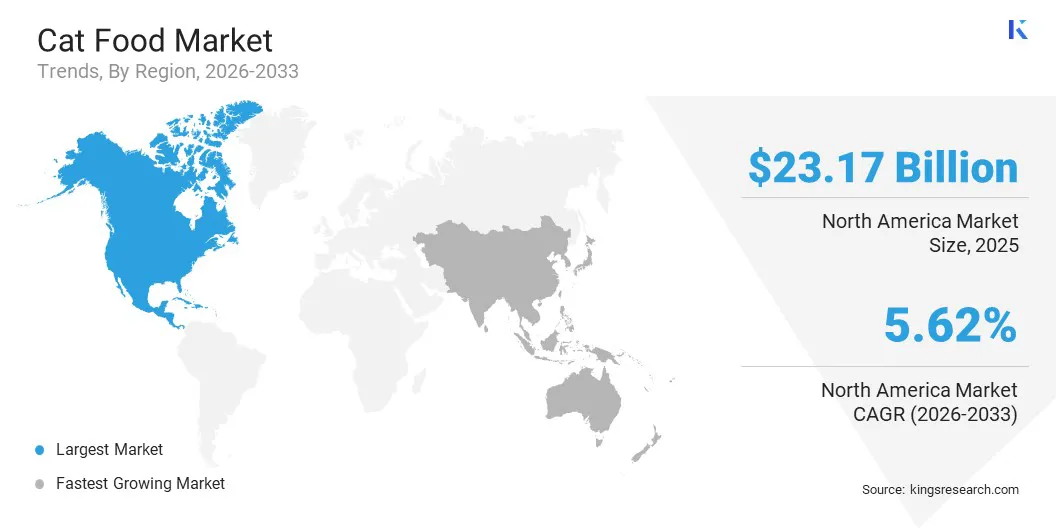
North America held the largest market share of the global cat food market in 2025. This dominance is supported by high pet ownership rates, strong consumer spending on pet care, and a marked preference for premium and natural cat food. The United States and Canada are the key contributors in this region, driven by a robust retail and e-commerce infrastructure. Established manufacturers, extensive distribution networks, and growing demand for functional and specialty products continue to reinforce North America's market leadership.
In February 2026, Nasta Pet Food, a French ultra-premium pet nutrition company, acquired Canada's FirstMate Pet Foods and parent Taplow Ventures. The move strengthens Nasta's North American platform, adds premium brands, and boosts production capacity, with the combined group expecting EUR 230 million in annual revenue and accelerated expansion.
The global cat food market is highly fragmented, with a mix of established brands and emerging players competing for market share. Leading companies focus on strategies such as partnerships, mergers and acquisitions, product innovation, and joint ventures to broaden their product offerings and strengthen their presence across regions.
In September 2025, Virbac announced the launch of Vikaly, the world's first medicated feed for cats in Europe. This innovation combines veterinary medication with renal kibble, aiming to improve treatment for cats with chronic diseases and reflecting a new approach in animal health management.
Expansion and investment remain central, with businesses dedicating resources to R&D, new manufacturing facilities, and supply chain improvements. These initiatives are aimed at meeting evolving consumer preferences, ensuring quality, and boosting operational efficiency. The dynamic nature of the industry encourages continuous innovation and strategic collaborations to maintain a competitive edge.
● Colgate-Palmolive Company
● General Mills Inc.
● Heristo AG
● Mars, Incorporated
● Nestlé S.A.
● Wellness Pet, LLC
● PLB International
● Diamond Pet Foods
● The J.M. Smucker Company
● Tiernahrung Deuerer GmbH
● Thai Union Group PCL
● Monge & C. S.p.A.
● Perfect Companion
● Simmons Foods, Inc.
● In July 2026, Nestlé announced a USD 643 million investment in a new pet food plant and logistics platform in Mantova, Italy. The facility is expected to produce super-premium wet pet food for cats and dogs from 2029.
● In June 2026, Mars opened Australia's largest cat food kitchen in Wodonga, a USD 112.6 million facility producing 290 million wet cat food pouches annually for brands like WHISKAS and DINE. The site boosts local manufacturing, features advanced technology and renewable energy initiatives.
How We Gather This Information
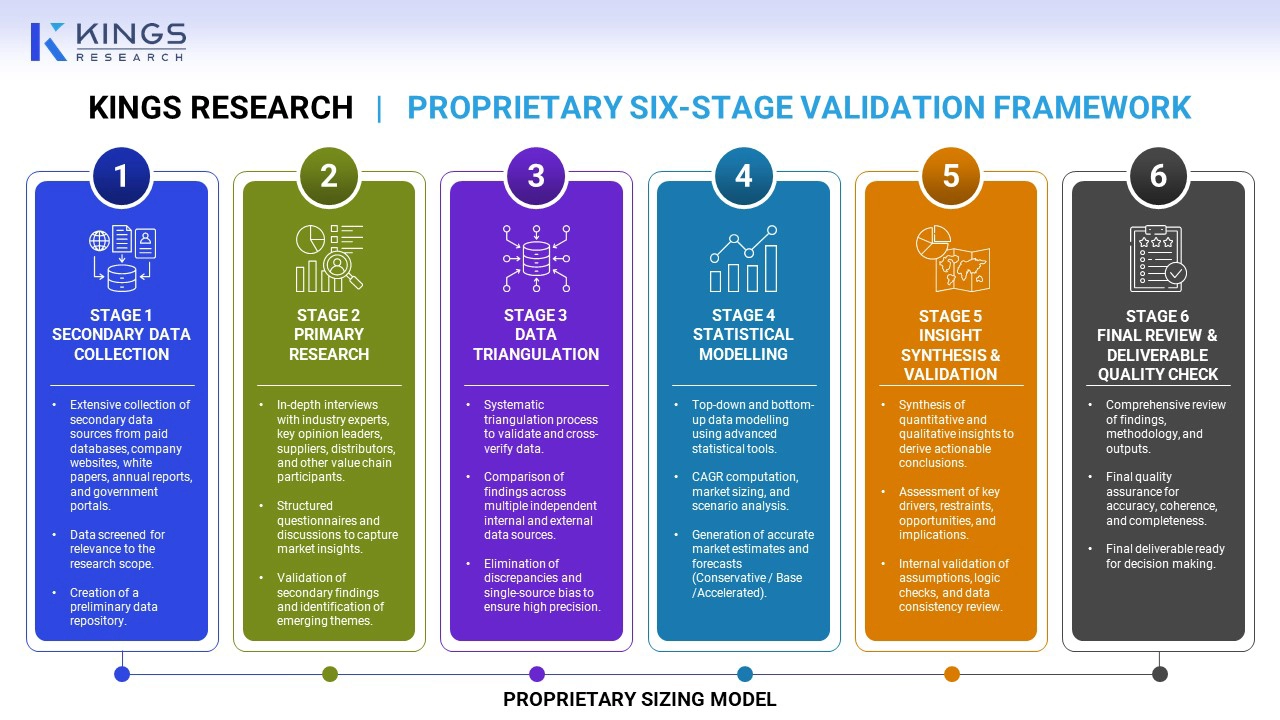
Our methodology triangulates insights from multiple independent and publicly available research databases and is further validated against regulatory filings and public company disclosures. All estimates are cross-verified; no single-source data is presented without validation.
Frequently Asked Questions

Antriksh is an experienced analyst specializing in cross-domain research across diverse industries. With a strong foundation in data analysis and statistical interpretation, he delivers insightful market reports that guide strategic decision-making. Antriksh excels in conducting primary research, with a focus on identifying trends and understanding consumer behavior. Thriving in dynamic and high-pressure environments, he combines analytical expertise with a commitment to delivering impactful outcomes. Beyond his professional pursuits, Antriksh's passion for travel fuels his curiosity and broadens his perspectives, enriching his ability to uncover unique insights that enhance his research capabilities. He is equally adept at synthesizing quantitative findings with qualitative context, which allows him to present holistic viewpoints to clients. His disciplined work ethic and intellectual agility make him a trusted partner in navigating market uncertainties. He consistently seeks out new methodologies to refine his analytical toolkit, and his ability to communicate complex insights clearly ensures stakeholders act confidently on his recommendations.
Smriti Vinodia is a market research and consumer insights professional with expertise in qualitative research, consumer behavior, and strategic market intelligence across the FMCG and FMCD industries. She has experience supporting leading brands by transforming complex consumer and market insights into actionable strategies that inform product development, innovation, positioning, and business growth. Her expertise spans qualitative consumer research, market and competitive intelligence, consumer trend analysis, and AI-enabled insight generation. She has worked across diverse research engagements, helping organizations understand evolving consumer needs, identify emerging market opportunities, and strengthen customer-centric decision-making. Combining analytical rigor with a strong understanding of consumer psychology and market dynamics, Smriti brings a strategic perspective to research and insights. She focuses on connecting consumer behavior with commercial priorities, enabling organizations to make informed decisions, develop relevant products and experiences, and build sustainable growth strategies in rapidly evolving and competitive markets.



.webp&w=128&q=75&dpl=dpl_3pUwJtNgpk6oXgXnK9PBcvvUhHi3)
