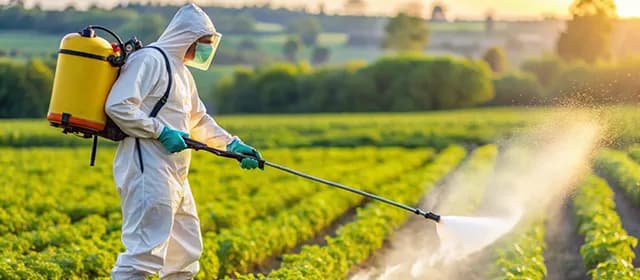


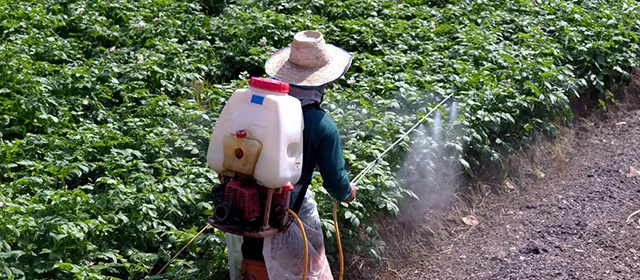
The global demand for crop protection is substantial, and herbicides remain a major component of that landscape. In 2023, the total global use of pesticides in agriculture reached approximately 3.73 million tonnes of active ingredients. According to the same data, the use of pesticides per hectare of cropland in 2023 was about 2.40 kg/ha. Furthermore, in 2023, the world’s cropland area was estimated at roughly 1,600 million hectares (1.6 billion ha).
These figures underline the scale of the market and the opportunity for innovation: when hundreds of millions of hectares are under cultivation, even modest improvements in herbicide efficiency, selectivity, or application technology can translate into large absolute impacts. According to Kings Research, the global herbicides market is projected to reach a valuation of $63.23 billion by 2031.
Herbicide technology companies thus operate in a climate where large volumes are already being used, and regulations, resistance-management concerns, and sustainability pressures are increasingly shaping demand. As we look ahead to 2026 and beyond, understanding the market dynamics at this scale helps frame why the “top 10” global players in the herbicide sector are of interest.
Top 10 Companies in the Herbicides Market Driving Agricultural Excellence in 2026
The global herbicides market plays a crucial role in ensuring agricultural productivity by controlling unwanted vegetation. With increasing global food demand, herbicides have become indispensable to modern farming practices.
Listed below are major companies leading the herbicides market and their contributions to agricultural innovation and sustainability.
1. BASF
BASF is a global leader in chemical manufacturing and a prominent name in the agricultural solutions sector. The company offers an extensive range of herbicides under its Agricultural Solutions division. BASF’s herbicide portfolio includes innovative products like “Engenia” and “Kixor” that target a wide range of weeds while ensuring minimal environmental impact. The company’s research efforts are focused on developing solutions that enhance crop yields and address herbicide resistance.
In July 2025, the International Organization for Standardization (ISO) provisionally approved the common name fendioxypyracil for a new herbicide developed by BASF SE, under CAS number 2158274-50-9. The name will be globally adopted in scientific literature, product labels, and regulatory filings once the objection period ends.
2. Syngenta Group Company
A leader in agricultural science and technology, Syngenta is renowned for its sustainable farming solutions. Its herbicide portfolio includes popular brands such as “Gramoxone” and “Callisto,” known for their efficacy and safety. Syngenta emphasizes integrated weed management practices, combining chemical and non-chemical approaches.
In November 2025, Syngenta Group launched its CROPWISE Open Platform, making its AI-powered digital agriculture ecosystem accessible to third-party developers worldwide. The initiative supports over 70 million hectares in 30+ countries and underscores Syngenta’s aim to democratize precision-farming tools while keeping farmers in control of their data.
3. Nufarm
Nufarm, headquartered in Australia, is a key player in the global herbicides market. The company offers a broad range of herbicide products that cater to diverse crops and geographies. Nufarm’s commitment to sustainability is evident in its focus on bio-herbicides and reduced-risk chemical solutions.
In November 2023, Nufarm Canada launched its proprietary Duplosan-powered suite of cereal herbicides, beginning with the first product named Oxbow, designed to help farmers manage tough, resistant weeds such as kochia.
4. FMC Corporation
FMC Corporation is a leading agricultural sciences company specializing in crop protection. Its herbicide offerings, such as “Authority” and “Anthem,” are known for their effectiveness against tough weeds. FMC invests heavily in innovation, focusing on delivering sustainable and cost-effective solutions.
In September 2024, FMC Corporation announced the launch of three innovative crop-protection products—Velzo fungicide for fruits & vegetables, Vayobel herbicide for rice, and Ambriva herbicide for wheat—aimed at addressing region-specific disease and weed-resistance challenges faced by Indian farmers.
5. Drexel Chemical Company
Drexel Chemical Company is known for manufacturing a wide array of herbicides at competitive prices. Its products cater to the needs of both large-scale commercial farms and smallholder farmers. Drexel’s portfolio is particularly strong in pre- and post-emergence herbicides.
6. UPL
UPL is a global agricultural solutions provider with a robust herbicide portfolio. The company’s offerings, such as “SAAF” and “Londax,” are designed to improve crop protection while addressing environmental concerns. UPL is also actively involved in promoting sustainable farming practices globally.
7. Kenvos Group
Kenvos Group is an emerging leader in the herbicides market, particularly in Asia and Africa. The company’s focus lies in providing cost-effective solutions tailored to local farming conditions. Kenvos emphasizes high-quality formulations that are easy to use and effective against various weed species.
8. Nissan Chemical Corporation
Nissan Chemical Corporation is a pioneer in agrochemical innovation. Its herbicides, such as “Targa” and “Sulfonylurea,” are recognized for their precision and efficiency. Nissan’s research focuses on creating herbicides that minimize environmental impact while maximizing yield.
9. Corteva Agriscience
Corteva Agriscience, formed from the merger of Dow AgroSciences and DuPont, is a powerhouse in agricultural solutions. Its herbicide brands, including “Enlist Duo” and “Rinskor,” offer advanced weed management solutions. Corteva’s integrated approach combines crop protection with digital agriculture.
10. Dhanuka Agritech Ltd
Dhanuka Agritech Ltd is an Indian agrochemical company with a strong presence in the herbicides market. Its offerings include products like “Targa Super” and “Dhanzyme Gold,” catering to a wide range of crops. Dhanuka’s focus on farmer education and sustainable practices sets it apart.
Future Perspective of Herbicides Market
The future of the herbicides market is poised for significant growth, driven by increasing global food demand, advancements in agricultural technologies, and the rising need for effective weed management solutions. Sustainable and bio-based herbicides are gaining traction as environmental concerns and regulatory pressures push for reduced chemical usage. Precision farming techniques and innovations like herbicide-resistant crops are further shaping the market. However, challenges such as herbicide resistance in weeds and stringent regulations may influence market dynamics, encouraging the development of eco-friendly and integrated weed management practices.
Bottom Line
The global herbicide sector is driven by large-scale agricultural needs and continued pressure to protect yields across millions of hectares. Leading players support market growth by improving product stewardship and regulatory compliance; investing in research for more effective, lower-dose chemistries and biological alternatives; developing precision-application technologies and digital decision tools to reduce waste; strengthening supply-chain resilience; and partnering with growers and extension services to promote integrated weed-management practices. Together, these actions aim to maintain crop protection effectiveness while reducing environmental and human-health risks and improving long-term sustainability.