


For decades, synthetic chemical pesticides have led global agriculture. They have been a reliable form of pest control and are available at a cost that biological options cannot match. As such, biopesticides have remained on the sidelines. Although backed by organic certification and regulatory approval, they have faced challenges such as degradation and inconsistent effectiveness. The synthetic options also had the advantage of faster registration, but they lacked the commercial support necessary for growth.
This equation is changing.
Government policies are limiting the use of conventional insecticides to protect endangered species. This timing is strategic as RNAi-based biopesticides are ready to come to the market. At the same time, nanocarrier delivery systems are solving degradation issues, along with regulatory changes, technical advances, and market demand, which are coming together to support the transition.
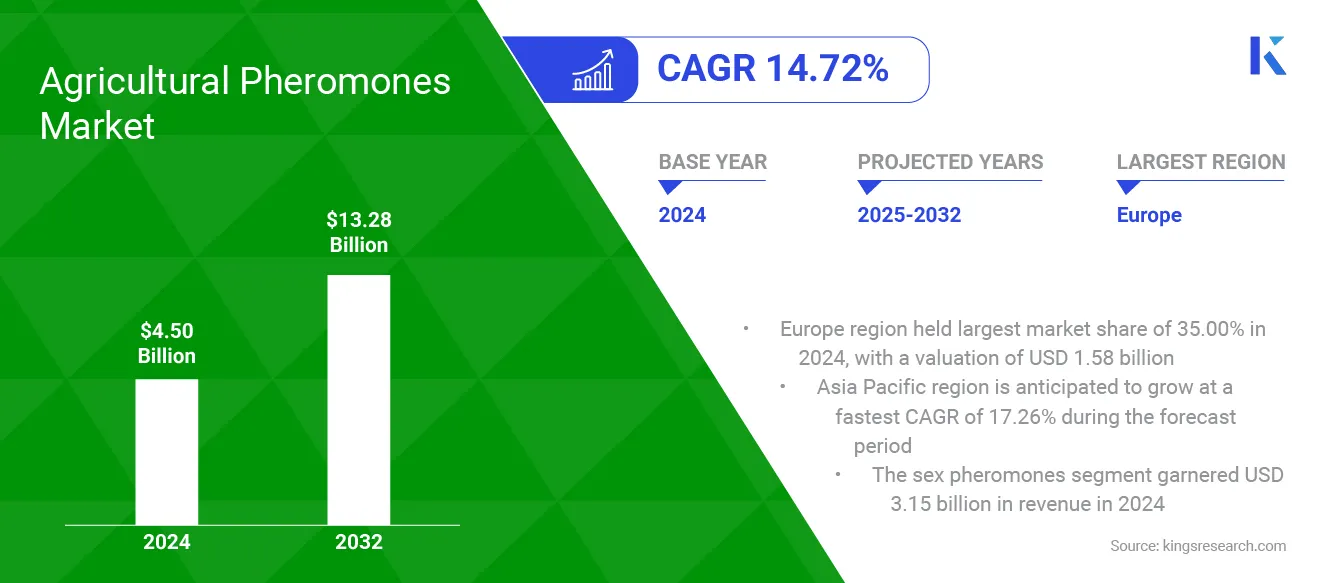
According to Kings Research, the global biopesticides market will reach USD 13.01 billion by 2031. The market will grow in line with innovations in biotechnology, organic farming, and government incentives promoting sustainable agriculture.
Following these developments, Kings Research also lists the top 10 companies ahead of them, with strong, competitive offerings.
Top 10 Companies in the Biopesticide Products Market
1. BASF
BASF is a global leader in agricultural solutions, including biopesticides. The company offers a wide range of biological crop protection products, such as Velifer, a microbial insecticide, and Serifel, a biofungicide. BASF focuses on integrated pest management (IPM) strategies, leveraging its research capabilities to develop effective biopesticide solutions. The company is also actively involved in collaborations and partnerships to enhance its biopesticide offerings and reach a wider market.
2. Bayer AG
Bayer AG is another key player in the biopesticides market. The company’s Biologicals by Bayer portfolio includes products like Serenade (a biofungicide) and BioAct (a nematicide). Bayer integrates biopesticides into conventional pest management programs to enhance crop protection while reducing environmental impact. The company has been investing in research and development (R&D) to expand its biologicals segment and address global challenges related to sustainable farming.
In April 2024, Bayer AG signed an exclusive license agreement with AlphaBio Control for a new biological insecticide aimed at arable crops such as oilseed rape and cereals. The product, potentially effective against pests like the cabbage stem flea beetle, is slated for launch in 2028, pending regulatory approval.
3. Syngenta Crop Protection AG
Syngenta is actively expanding its biopesticide offerings through investments in biological research and acquisitions. Its portfolio includes products like Taegro (a microbial fungicide) and Costar (a microbial insecticide). The company emphasizes sustainable farming solutions, combining biopesticides with digital technologies to optimize agricultural efficiency. Syngenta has been involved in developing microbial-based innovations and works closely with farmers to implement effective pest control strategies.
In January 2022, Syngenta Crop Protection AG acquired global development and commercialization rights, including patents and trademarks, for two next-generation bioinsecticides, NemaTrident and UniSpore, from UK-based biocontrol developer Bionema Limited. The move strengthens Syngenta’s sustainable pest-management portfolio by targeting resistance and expanding offerings across turf, ornamentals, and forestry.
4. Sumitomo Chemical Co., Ltd.
Sumitomo Chemical is a global leader in crop protection, with a growing focus on biopesticides. The company offers microbial-based solutions such as Aflasafe, which helps control aflatoxins in crops. Sumitomo’s subsidiary, Valent BioSciences, specializes in biological crop protection, delivering innovative solutions for pest and disease control. The company continues to invest in research partnerships to develop next-generation biopesticides that align with environmental sustainability goals.
5. FMC Corporation
FMC Corporation has a strong presence in the biopesticides market, offering microbial-based pest control solutions. Products like Presence (a biofungicide) and Quartzo (a nematicide) help farmers protect crops while maintaining soil health. FMC continues to invest in biological R&D to expand its biopesticide portfolio. Additionally, FMC has been working on innovative delivery systems for biopesticides to enhance their efficacy and ease of application in diverse agricultural settings.
6. Certis USA L.L.C.
Certis USA is a leading developer and manufacturer of biopesticides, with a comprehensive portfolio of microbial insecticides, fungicides, and nematicides. Products such as BotaniGard, Double Nickel, and MeloCon have gained traction in organic and conventional farming. Certis USA focuses on sustainable solutions tailored to specific crop needs. The company collaborates with agricultural researchers and policymakers to promote the adoption of biopesticides on a global scale.
7. Bioceres Crop Solutions
Bioceres Crop Solutions is known for its commitment to sustainable agriculture through innovative biological solutions. The company’s biopesticide lineup includes Rizoderma, a microbial biofungicide that enhances plant protection and soil health. Bioceres is expanding its reach by collaborating with global agricultural partners to promote eco-friendly pest control. It has also been investing in gene-editing technologies to develop novel biopesticide solutions that improve resistance against plant diseases.
8. UPL
UPL has positioned itself as a global leader in sustainable agricultural solutions, including biopesticides. The company offers products like Vayego, a biological insecticide, and Zeba, a soil-enhancing biostimulant. UPL is committed to advancing integrated biological solutions that improve crop productivity with minimal environmental impact. UPL also invests in farmer education programs, ensuring that growers understand the benefits and proper application of biopesticides.
9. Gowan Group
Gowan Group is a family-owned company with a strong focus on biopesticides and sustainable crop protection. The company’s biopesticide portfolio includes EcoSwing, a botanical fungicide, and Entrust, a microbial insecticide. Gowan continues to expand its biological solutions through strategic acquisitions and research investments. The company also partners with universities and agricultural institutes to develop innovative bio-based pest management solutions.
10. Corteva
Corteva Agriscience is a major player in the biopesticides market, offering microbial and botanical-based solutions for pest management. The company’s BlueN and Inatreq Active biopesticides are designed to enhance plant health and pest resistance. Corteva’s emphasis on biological research and innovation positions it as a leader in the sustainable agriculture sector. The company integrates data analytics and precision agriculture techniques to optimize the effectiveness of its biopesticide products.
Future Outlook of Biopesticides Market
The future outlook of the biopesticides market is highly promising, driven by increasing demand for sustainable agricultural solutions, stringent regulations on chemical pesticides, and growing consumer preference for organic food. The market is expected to witness strong growth due to rising concerns over pesticide residues, biodiversity conservation, and soil health improvement.
- Advances in microbial technology, RNA-based pesticides, and AI-driven precision farming are enhancing the effectiveness and scalability of biopesticides.
- Government initiatives, such as subsidies and fast-track approvals for eco-friendly crop protection solutions, are accelerating adoption.
- Key players are investing in research and development to improve formulation stability, extend shelf life, and enhance field efficacy.
However, challenges such as high production costs, limited awareness among farmers, and the need for extensive field trials may hinder rapid adoption. Despite these hurdles, the biopesticides market is poised for significant expansion, with innovations and regulatory support driving its integration into mainstream agriculture.
Conclusion
The biopesticides market is entering a phase of steady global expansion, supported by technological innovation, scientific validation, and stronger environmental policies. Ongoing research is improving microbial formulations, enhancing stability, and extending the shelf life of biological products, key factors that are making biopesticides more viable for large-scale farming. Governments and regulatory bodies, including the FAO and OECD, are promoting standardized frameworks for registration and use, helping farmers adopt biological alternatives with greater confidence.
Industry leaders are actively investing in R&D collaborations with agricultural universities, research institutions, and biotechnology startups to develop next-generation bioinsecticides, biofungicides, and bioherbicides. Many are also focusing on farmer training programs and regional partnerships to strengthen awareness and accessibility, especially in developing agricultural economies.
As these collective efforts advance, biopesticides are set to play a vital role in sustainable agriculture by reducing chemical dependency, protecting biodiversity, and supporting the global transition toward safer, environmentally responsible crop protection solutions.