
Inquire Now
Key Strategic Points
According to Kings Research, the global AI in the computer vision market was valued at USD 33.81 billion in 2025 and is projected to reach USD 170.74 billion by 2033, growing at a CAGR of 22.44% from 2025 to 2033. Growth is driven by the rapid advancement of generative AI and deep learning models, the rising adoption of automation in manufacturing and industrial settings, and the continued expansion of autonomous and driver-assistance systems in the automotive sector.
The scope of this report covers AI-based solutions used for tasks such as object recognition, tracking, quality inspection, measurement and profiling, facial recognition, and predictive maintenance across industries including automotive, manufacturing, healthcare, consumer electronics, retail, and security. Key players covered include Intel Corporation, Microsoft, Basler AG, Qualcomm Technologies, Inc., Cognex Corporation, Zebra Technologies Corporation, NVIDIA Corporation, IBM, AWS, and others.
Increasing dependency on AI and its solutions owing to the adoption of automation would drive the market substantially throughout the forecast period. Despite certain challenges such as limited access to data and ethical issues related to the use of AI, the market is projected to grow exponentially in the coming years, with increasing investments in research and development and advancements in integration capabilities.
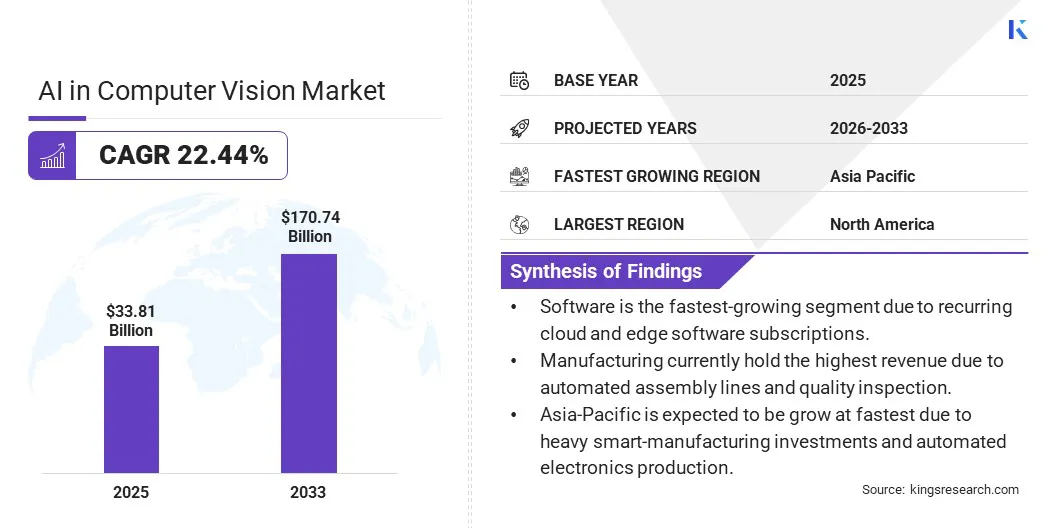
The rapid advancement and integration of generative AI and deep learning models are expanding computer vision beyond traditional object recognition. These technologies enable sophisticated applications such as synthetic data generation, anomaly detection, image understanding, and multimodal scene analysis, creating new use cases that were previously difficult to address.
The accelerating adoption of automation across manufacturing and industrial environments is driving demand for AI-powered computer vision solutions. These systems support real-time quality inspection, defect detection, process monitoring, and predictive maintenance, helping manufacturers improve operational efficiency, reduce defect rates, and minimize unplanned downtime. Quality assurance and inspection therefore remain among the leading application areas.
The growing deployment of computer vision in autonomous driving and advanced driver-assistance systems (ADAS) is further supporting market growth. Automakers are increasingly integrating cameras, vision sensors, and AI-based perception software into vehicles to enable functions such as lane detection, object recognition, pedestrian detection, and automated driving, creating sustained demand for computer vision technologies.
The expanding use of facial recognition and vision-based analytics in security, surveillance, and retail is also broadening the market's addressable applications. Organizations are adopting these technologies for access control, threat detection, loss prevention, customer behavior analysis, and store optimization, extending computer vision adoption beyond its traditional industrial applications.
Limited access to high-quality and diverse training data remains a key challenge for AI in the computer vision market. Computer vision models require large volumes of accurately labeled and representative datasets to achieve reliable performance. Inadequate, biased, or fragmented data can reduce model accuracy, increase development costs, and delay deployment, particularly in specialized industrial and healthcare applications.
Ethical and regulatory concerns surrounding AI-based visual analysis may also constrain market growth. Issues related to facial recognition bias, privacy risks, surveillance, data protection, and potential misuse of visual data are attracting greater scrutiny. The lack of consistent regulatory frameworks across countries may increase compliance requirements and slow adoption in sensitive applications.
The growing role of generative AI in computer vision workflows is a prominent trend shaping the market. Rather than only detecting a defect or recognizing an object, newer systems increasingly use generative models to simulate rare failure modes and edge cases, improving detection accuracy without requiring proportionally larger labeled datasets. This shift is a meaningful part of why the software segment is expected to grow faster than hardware over the forecast period, even though hardware currently holds the larger share: as camera and sensor hardware becomes increasingly commoditized, the differentiated value is migrating toward the software and analytics layer built on top of it.
|
Segmentation |
Details |
|
By Offering |
Hardware, Software, Services |
|
By Machine Learning Model |
Supervised Learning, Unsupervised Learning, Reinforcement Learning |
|
By Technology |
Machine Learning / Deep Learning, Generative AI |
|
By Application |
Quality Assurance & Inspection, Measurement & Profiling, Facial Recognition, Predictive Maintenance, Others |
|
By End-user |
Automotive, Manufacturing & Industrial, Healthcare & Life Sciences, Consumer Electronics, Retail & E-Commerce, Security & Surveillance, Others |
|
By Region |
North America: U.S., Canada, Mexico |
|
Europe: France, UK, Spain, Germany, Italy, Russia, Rest of Europe |
|
|
Asia-Pacific: China, Japan, India, Australia, ASEAN, South Korea, Rest of Asia-Pacific |
|
|
Middle East & Africa: Turkey, UAE, Saudi Arabia, South Africa, and the Rest of Middle East & Africa |
|
|
South & Central America: Brazil, Argentina, Rest of South & Central America |
The global market is segmented based on offerings, machine learning model, technology, application, end-user industry, and geography.
Based on offering, the market is categorized into hardware, software, and services. According to Kings Research, the hardware segment led the market in 2025, reflecting continued demand for cameras, sensors, and processing units that form the physical foundation of computer vision systems. The software segment is expected to register the fastest growth over the forecast period, as vendors increasingly differentiate on the analytics, inference, and generative AI capabilities layered on top of that hardware rather than on the hardware itself, a pattern already visible in the broader machine vision market where software-centric vendors are outpacing hardware-only players in growth.
Based on machine learning models, the market is segmented into supervised learning, unsupervised learning, and reinforcement learning. Supervised learning held the largest share in 2025, given its maturity and widespread use in labeled-data-driven tasks such as defect classification and object detection. Reinforcement learning is expected to grow at the fastest pace through 2033, as more computer vision systems move from passive recognition toward active decision-making tasks, such as robotic bin-picking and autonomous navigation, where a model must learn optimal actions through interaction rather than from static labeled examples alone.
Based on technology, the market is classified into machine learning, deep learning, and generative AI. Machine learning and deep learning led the market in 2025, remaining the foundation for most current computer vision deployments. Generative AI is expected to be the fastest-growing technology category through 2033, as vendors integrate synthetic data generation, image synthesis, and multimodal capabilities into inspection, analytics, and content-understanding workflows, extending computer vision applications beyond what conventional deep learning models can address alone.
Based on application, the market is segmented into quality assurance and inspection, measurement and profiling, facial recognition, predictive maintenance, and others. Quality assurance and inspection led the market in 2025, reflecting its role as the most established and widely deployed computer vision use case across manufacturing and industrial settings. Measurement and profiling are expected to grow at the fastest pace through 2033, driven by rising demand for precise dimensional and quality measurement in advanced manufacturing, semiconductor, and electronics production, where tolerances are tightening and manual measurement methods are increasingly insufficient.
Based on end-user, the market is segmented into automotive; manufacturing and industrial; healthcare and life sciences; consumer electronics; retail and e-commerce; security and surveillance; and others. Manufacturing and industrial led the market in 2025, reflecting the sector's long-standing reliance on machine vision for quality control and process automation. Automotive is expected to be the fastest-growing end-user segment through 2033, as the continued expansion of ADAS-equipped and autonomous vehicles drives sustained demand for in-vehicle perception systems, a trend already evident in Mobileye's and Qualcomm's continued investment in automotive vision platforms.
Based on regional analysis, the global market is classified into North America, Europe, Asia-Pacific, MEA, and South & Central America.
North America held the largest regional market size of USD 11.01 billion in 2025, representing a 32.58% share of the global market, and is projected to grow at a CAGR of 20.02% through 2033. The region's dominance reflects the strong presence of leading hardware and software vendors, advanced digital infrastructure, and early adoption of computer vision across manufacturing, automotive, healthcare, and security applications. Continued investment in generative AI integration and autonomous-vehicle perception systems is expected to reinforce the region's position through the forecast period.
.
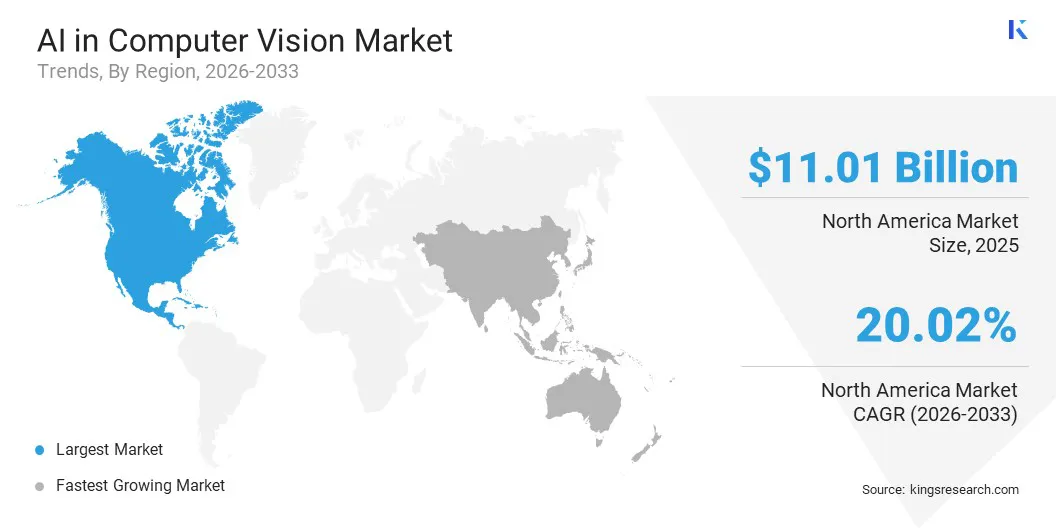
Asia-Pacific is projected to be the fastest-growing region over the forecast period, underpinned by large-scale manufacturing automation investment, government-backed AI adoption programs, and expanding electronics and semiconductor production across China, Japan, India, and South Korea. These markets are simultaneously major adopters and major producers of vision hardware components, a combination expected to accelerate regional growth faster than in more mature markets.
Europe is expected to witness steady growth over the forecast period, supported by continued investment in industrial automation and regulatory initiatives addressing AI transparency and data privacy. Strategic collaborations among automotive manufacturers, industrial equipment providers, and technology vendors are expected to continue supporting adoption of computer vision across quality assurance, predictive maintenance, and autonomous-vehicle applications. Together, Middle East & Africa and South & Central America are the smaller but fastest-growing parts of the global AI in computer vision market, driven by rising demand for automation and operational efficiency, government-backed digital transformation initiatives, and increasing adoption in manufacturing, automotive, and surveillance, with strong regional investment in AI infrastructure and advanced computing hardware reinforcing this momentum.
The global AI in computer vision market is characterized by a fragmented competitive landscape, comprising a mix of established technology vendors and specialized computer vision providers. Prominent players are focusing on several key business strategies such as partnerships, mergers and acquisitions, product innovations, and joint ventures to expand their product portfolio and increase their respective market shares across different regions.
Expansion and investments involve a range of strategic initiatives, including investments in R&D activities, new manufacturing facilities, and supply chain optimization.
How We Gather This Information
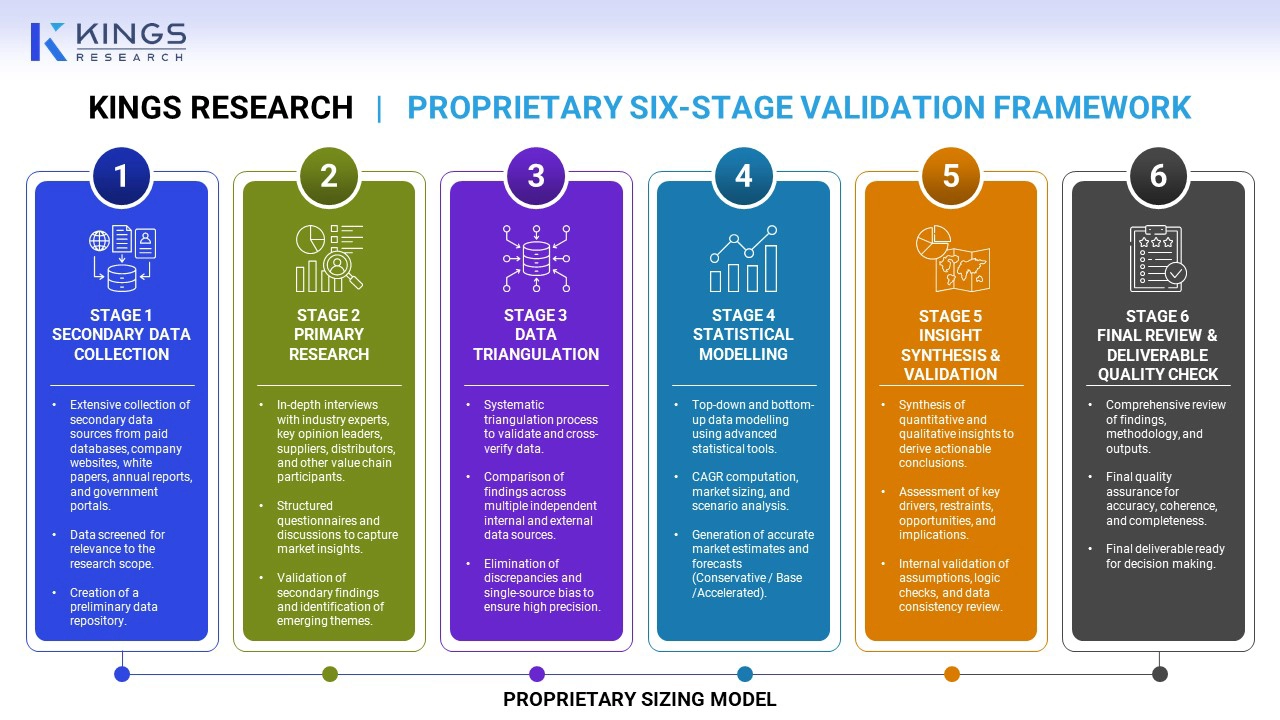
Our methodology combines insights from multiple independent and publicly available research databases and is further validated against regulatory filings and public company disclosures. All estimates are cross-verified; no single-source data is presented without validation.
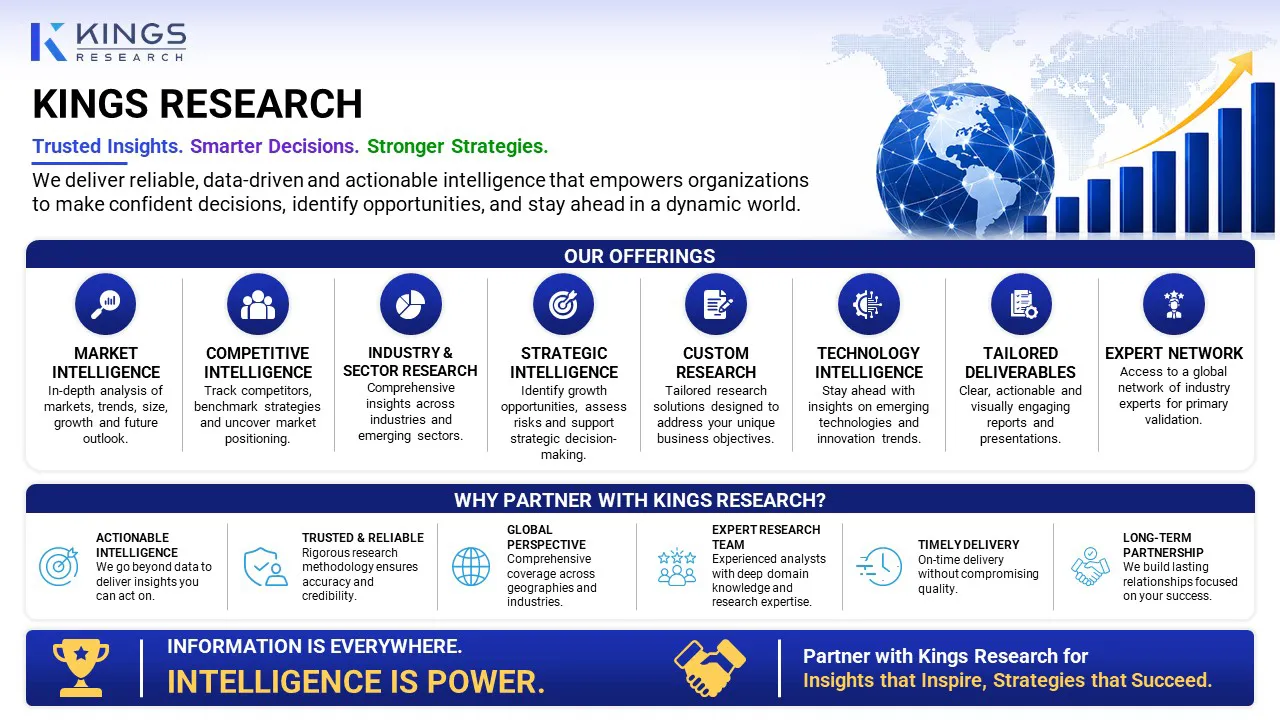
Our custom offerings deliver tailored, data-driven intelligence and strategic guidance to help organizations identify, evaluate, and capitalize on key market opportunities.
Frequently Asked Questions

Saket is a proficient research specialist with a strong emphasis on the renewable energy and BFSI sectors. His expertise lies in trend analysis and data interpretation, which allows him to extract critical insights vital for strategic decision-making. Saket’s commitment to applying advanced analytical techniques underscores his dedication to addressing complex challenges. Beyond his professional endeavors, Saket is an avid football enthusiast who thrives on the competitive dynamics of the game. This passion for teamwork and strategy mirrors his approach to research and problem-solving in his professional life. His ability to translate numerical trends into actionable business frameworks has consistently benefited stakeholders across both established and emerging markets. Saket's disciplined analytical rigor, combined with his innate strategic foresight, ensures that every project he undertakes yields clear, defensible conclusions. Furthermore, his collaborative spirit enables him to engage effectively with cross-functional teams and drive consensus during high-stakes research initiatives.
Habi is a seasoned research and consulting leader with renowned experience in guiding clients on strategic growth and transformation initiatives across global markets. He has led high-performing research teams that deliver actionable insights on market expansion, M&A strategies, opportunity assessment, new business development, and product launches. His project portfolio spans large petrochemical producers, electronic device manufacturers, lubricants companies, and other leading enterprises across diverse industrial and consumer sectors. He currently heads the research department at Kings Research, where he is responsible for setting the research agenda, mentoring analysts, and ensuring client-ready deliverables that support executive decision-making. With extensive experience in market intelligence, strategic research, and consulting, Habi brings a strong understanding of evolving industry dynamics, competitive landscapes, emerging opportunities, and business growth challenges. His expertise includes developing research frameworks, translating complex market data into actionable strategic recommendations, and working closely with senior stakeholders to address critical business questions. He has also contributed to building research capabilities, strengthening analytical methodologies, and driving a culture of quality and insight-led decision-making within research teams. His cross-industry exposure enables him to connect market trends with broader business implications and provide perspectives that help organizations identify opportunities, mitigate risks, and make informed strategic decisions.