
Inquire Now
Key Strategic Points
The shipbuilding market covers the designing and construction of marine vessels. It primarily involves the larger seagoing vessels used in commercial trade, passenger transport, offshore operations, and military applications. The industry is highly capital-intensive and cyclical, influenced by global trade patterns, geopolitical conditions, and regulatory requirements. The market is currently shaped by long-term structural trends such as decarbonization and digitalization of shipyards. It is also being shaped by the increasing demand for specialized offshore and energy-efficient vessels.
The global shipbuilding market was valued at USD 153.27 billion in 2025 and is projected to reach USD 210.39 billion by 2033, representing a CAGR of 4.062% over the forecast period. Market growth is primarily driven by rising global maritime trade, increasing demand for commercial cargo vessels, fleet modernization, expansion of naval fleets, and investments in energy-efficient propulsion systems.
Major players operating in the market comprise HD Hyundai Heavy Industries, China Shipbuilding Trading Co., Ltd., COSCO Shipping Heavy Industry Co., Ltd., Hanwha Ocean Co., Ltd., Mitsubishi Heavy Industries, Ltd., Imabari Shipbuilding Co., Ltd., Fincantieri S.p.A., SHI-MCI FZE, Damen Shipyards Group, Huntington Ingalls Industries (HII), General Dynamics NASSCO, Kawasaki Heavy Industries, Ltd., Japan Marine United Corporation, Chantiers de l'Atlantique SA, Mazagon Dock Shipbuilders Limited.
Industry players are capitalizing on major industry trends such as the growing demand for alternative-fuel powered marine vessels, increasing investments in naval fleet modernization, and adoption of smart shipbuilding technologies. The industry is further transitioning towards automation adoption, digital shipyard transformation, designing of sustainable vessels, and strategic partnerships to strengthen their competitive position and address evolving regulations and customer requirements.
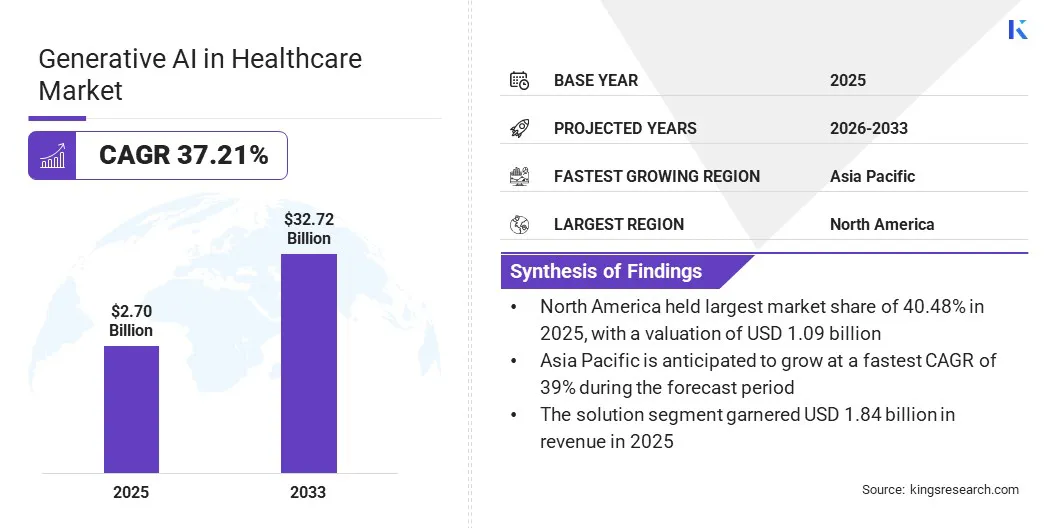
Rising marine trade and commerce and renewal of aging fleets is driving the growth of the global shipbuilding market. International trade acts as a primary structural growth driver for the global shipbuilding market. It directly fuels the demand for seaborne transportation capacity, accelerating fleet expansion, and reshaping vessel design requirements.
According to UNCTAD, the net maritime trade volumes reached 12,292 million tons in 2023, which is an increase of 2.4%, after contracting in 2022. The total seaborne trade is further projected to increase by an average of 2.4% and containerized trade by 2.7% over 2025–2029, driven by demand for major bulks such as bauxite, coal, containerized goods, grain, iron ore and oil.
Veson Nautical reported new shipbuilding orders reaching 396 in 2025, with a major share occupied by Chinese players accounting for approximately 37% of all orders, highlighting strong growth momentum in the global shipbuilding market.
Additionally, the global push for decarbonization and net-zero shipping is driving marine fleet renewals, enabling shipyards to pivot toward vessels powered by alternative fuels such as LNG, green ammonia, methanol, and hydrogen, as well as hybrid-electric systems. This further fuels the market expansion of the global shipbuilding market.
The shipbuilding industry is witnessing a severe structural crisis marked by a consolidating shipbuilding commercial base and a shortage of skilled workers. According to U.S. Department of Labor, an estimated 200,000 to 250,000 additional maritime workers comprising welders, engineers, and technicians to address the demand arising from the shipbuilding industry by 2030.
For instance, the shipbuilding production of the U.S. has dropped approximately by 96% since 1970, resulting in the sector becoming dependent on limited shipyard hubs and a diminishing workforce.
To address the challenge, the U.S. introduced the Maritime Action Plan in February 2026 which targets at revitalizing the American commercial maritime industry. The policy mentions strengthening the U.S. maritime sector by reforming workforce education and training and further providing financial and regulatory incentives for the training of shipbuilders and credentialed mariners, thus boosting market development. Additionally, shipbuilders are adopting process automation by introducing artificial intelligence (AI) and robots, to address labor shortages.
The adoption of advanced marine propulsion systems in shipbuilding emerges as a notable trend, transforming the market dynamics. The demand for maintaining balance between economic growth and efficiency with environmental responsibility drives the adoption of advanced marine propulsion systems. Global shipping sector contributes 3% of annual carbon dioxide to global greenhouse gas emissions. This empowers companies to adopt smart propulsion systems for sustainable shipping designed to optimize fuel consumption, enhance energy efficiency. It also helps achieve the International Maritime Organization’s (IMO) decarbonization goals.
The International Maritime Organization (IMO) adopted the strategy on reducing GHG emissions from ships in July 2023. The proposed framework further includes a global fuel standard (GFS) and a mechanism to price the greenhouse gases emitted from ships, enabling the shipbuilders to adopt novel marine propulsion systems powered by biofuels or hydrogen.
|
Segmentation |
Details |
|
By Ship Type |
Container, Tanker, Bulk Carrier, Passenger Vessels, Roll-on/Roll-off (Ro-Ro), Naval, Others |
|
By End User |
Commercial, Defense and Military |
|
By Region |
North America: U.S., Canada, Mexico |
|
Europe: France, UK, Spain, Germany, Italy, Russia, Rest of Europe |
|
|
Asia-Pacific: China, Japan, India, Australia, ASEAN, South Korea, Rest of Asia-Pacific |
|
|
Middle East & Africa: Turkey, U.A.E., Saudi Arabia, South Africa, Rest of Middle East & Africa |
|
|
South America: Brazil, Argentina, Rest of South America |
Based on region, the market has been segmented into North America, Europe, Asia Pacific, Middle East and Africa, and South America.
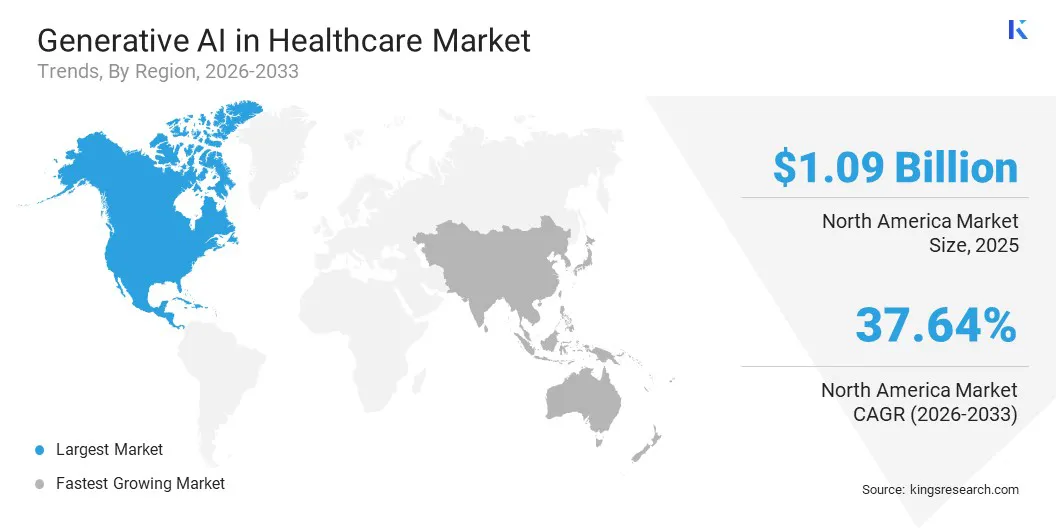
The Asia Pacific shipbuilding market share stood at 84.12% with a valuation of USD 128.93 billion in 2025. The region is designated as the central hub for shipbuilding with China, South Korea and Japan capturing a significant share of the global shipbuilding market. The strategic location, abundance of raw material, and the availability of cheap labor which accounts for more than 20% of total production costs contributes towards region growth.
Additionally, the presence of massive government backing, integrated domestic supply chains, economies of scale, strategic industrial planning and infrastructure investments. These advantages enable shipbuilders across the region to build commercial vessels faster and at lower costs compared to Western competitors, thus reinforcing the high share of Asia Pacific in global shipbuilding market.
The Europe shipbuilding market is set to grow at the growth rate of 3.85% over the forecast period. The industry handles over 80% of the external trade and 40% of its internal trade and further controls more than 40% of the global fleet. Germany accounts for the second largest share in European shipbuilding after Italy. The region is emphasizing specialized high-value vessels such as cruise ships, coastal ferries, mega-yachts, icebreakers and offshore engineering vessels owing to the domination of China, Japan and South Korea in global shipbuilding in volume.
The region is noted for complex shipbuilding, with cruise ships representing 80% of their order book. Fincantieri S.p.A. is ranked number one in Europe in manufacturing of passenger cruises followed by Meyer and Chantiers de l'Atlantique, reflecting the ultra-high value-added content of its segment.
Key players operating in the shipbuilding market, such as HD Hyundai Heavy Industries, China Shipbuilding Trading Co., Ltd., COSCO Shipping Heavy Industry Co., Ltd., Hanwha Ocean Co., Ltd., Mitsubishi Heavy Industries, Ltd., Imabari Shipbuilding Co., Ltd., Fincantieri S.p.A., SHI-MCI FZE and others, are focusing on strengthening their market position through technological innovation, strategic partnerships, and capacity expansion. These companies are investing in advanced vessel designs, digital shipbuilding technologies, automation, and environmentally sustainable solutions to address evolving regulatory requirements and demand for energy-efficient vessels.
Market participants are further pursuing mergers, acquisitions, and joint ventures to expand their global footprint, enhance production capabilities, and diversify their product portfolios across commercial, naval, offshore, and specialized vessel segments. Additionally, the companies are further increasing investments in smart manufacturing, green propulsion technologies, and supply chain optimization to improve operational efficiency, reduce construction timelines, and maintain competitiveness in the evolving global shipbuilding industry.
Frequently Asked Questions

Faizy brings over four years of experience in market research and consulting, with a proven ability to support strategic engagements across diverse industries and business environments. His work focuses on understanding complex market structures, identifying emerging opportunities, and translating research findings into clear, commercially relevant insights. With strong analytical capabilities and a structured approach to problem-solving, he evaluates industry trends, competitive landscapes, customer dynamics, and evolving business models. His expertise encompasses market research, competitive intelligence, market sizing and forecasting, industry assessment, company benchmarking, and strategic analysis. Faizy combines technical proficiency with a strong research orientation, enabling him to interpret both qualitative and quantitative information effectively. He has contributed to projects that help organizations assess growth potential, strengthen market positioning, and evaluate strategic priorities. His adaptable approach allows him to work across sectors while maintaining a consistent focus on accuracy, relevance, and delivering insights that support informed decision-making for clients and stakeholders.
Habi is a seasoned research and consulting leader with renowned experience in guiding clients on strategic growth and transformation initiatives across global markets. He has led high-performing research teams that deliver actionable insights on market expansion, M&A strategies, opportunity assessment, new business development, and product launches. His project portfolio spans large petrochemical producers, electronic device manufacturers, lubricants companies, and other leading enterprises across diverse industrial and consumer sectors. He currently heads the research department at Kings Research, where he is responsible for setting the research agenda, mentoring analysts, and ensuring client-ready deliverables that support executive decision-making. With extensive experience in market intelligence, strategic research, and consulting, Habi brings a strong understanding of evolving industry dynamics, competitive landscapes, emerging opportunities, and business growth challenges. His expertise includes developing research frameworks, translating complex market data into actionable strategic recommendations, and working closely with senior stakeholders to address critical business questions. He has also contributed to building research capabilities, strengthening analytical methodologies, and driving a culture of quality and insight-led decision-making within research teams. His cross-industry exposure enables him to connect market trends with broader business implications and provide perspectives that help organizations identify opportunities, mitigate risks, and make informed strategic decisions.