
Inquire Now
Key Strategic Points
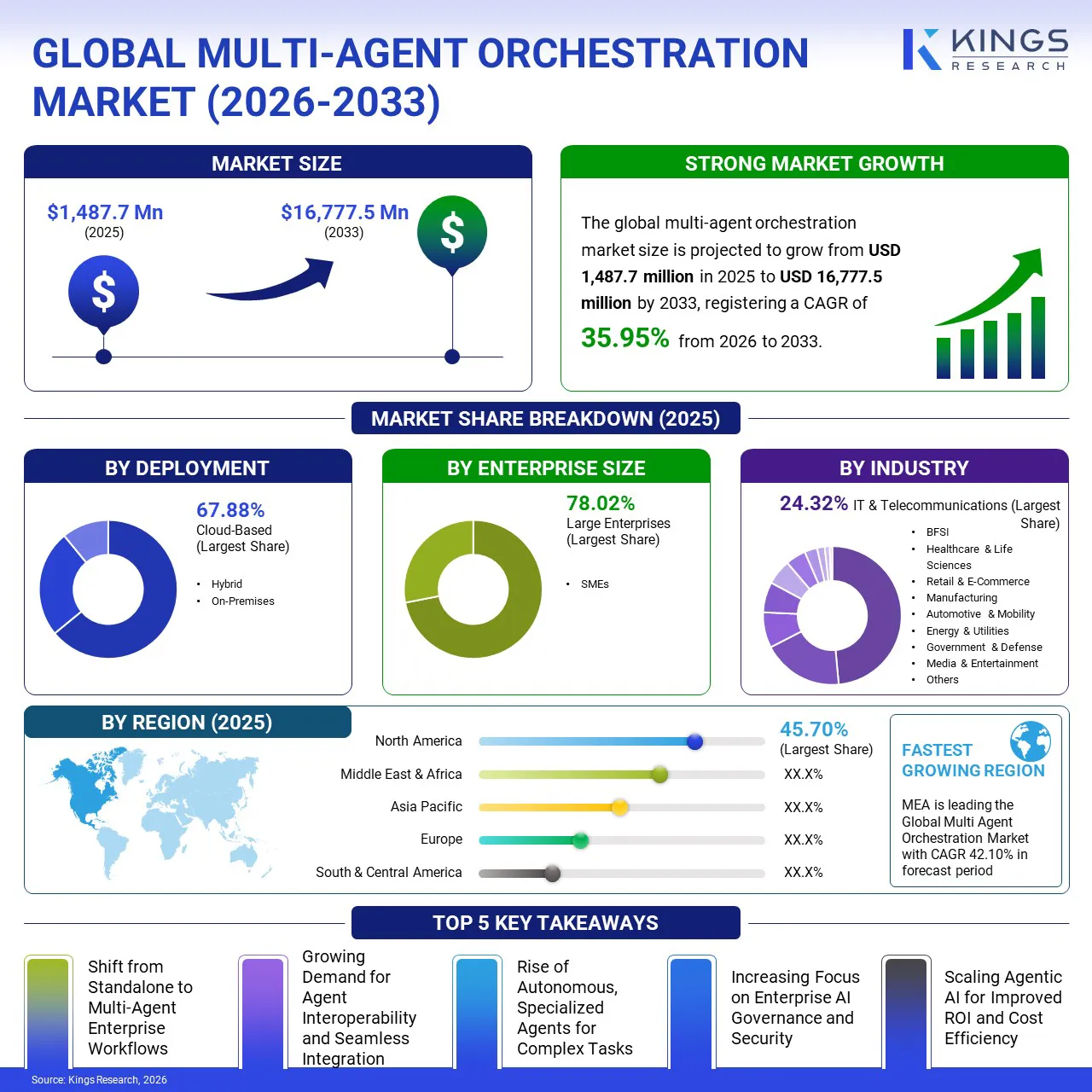
According to Kings Research analysis, the global Multi Agent orchestration market was valued at USD 1,487.7 million in 2025 and is estimated to reach USD 16,777.5 million in 2033, registering a CAGR of 35.95% over the forecast period (2026-2033).
Multi Agent orchestration involves the coordination of multiple AI agents to collaboratively handle tasks of varying complexity, from planning and information retrieval to answering questions and facilitating user interactions. Compared to isolated AI agents, Multi Agent orchestration enables AI systems to operate and adapt dynamically in real time to enhance results.
The shift by enterprises away from standalone AI agents, which face planning, scalability, and interoperability challenges, is driving demand for coordinated ecosystems powered by multiple autonomous agent-driven ecosystems. Market expansion is further supported and boosted by the rising deployment of Multi Agent orchestration systems across diverse end-use verticals, supported by growing investments and strategic partnerships.
Rising complexity in enterprise workflows is creating a strong demand for Multi Agent orchestration platforms that operate as a coordinated network of autonomous, intelligent agents to handle specific tasks. Limitations associated with LLM-based agents in reliably selecting from a broad range of actions can lead to increased planning errors.
Moreover, the probabilistic nature of LLMs further compounds errors across multi-step workflows, thereby highlighting the need for robust orchestration, coordination, and error-management capabilities. Scalability challenges, latency, and throughput limitations under high-volume workloads are further boosting demand for Multi Agent orchestration platforms, enabling market players to introduce innovative offerings designed to enhance the scalability and efficiency of Multi Agent workflows.
Multi Agent deployments lead to increased token usage, computational costs, system complexity, and communication overhead between agents. In sequential tasks, where each step depends heavily on the previous one, multiple agents can reduce efficiency due to slow coordination, introducing additional delays and costs without providing significant improvements in operational capability.
For instance, a typical AI workflow generally involves 5–15 model calls, and at standard LLM pricing, each workflow generally costs only a small fraction of a cent. However, running 10,000 workflows per day potentially can result in substantial daily costs, while additional retries and repeated processing further increase expenses.
Additionally, challenges associated with Multi Agents, including role coordination, shared-state management, and conflict or loop prevention, lead to increased development and operational complexity. Errors or failures in one agent can propagate across the entire workflow, potentially triggering retries and disrupting task execution. To address this challenge, market players are developing integrated orchestration frameworks and standardized tools that simplify agent coordination and improve workflow management.
Adoption of Multi Agent systems in e-commerce involves using specialized AI agents to manage product discovery, evaluation, personalization, price optimization, logistics, and customer interactions. Multi Agents enable personalized shopping experiences beyond those offered by traditional search and recommendation platforms, thus empowering retailers to improve customer engagement, retention, conversion, and operational efficiency. Multi Agent orchestration platform developers are launching specialized agents and delivering seamless, end-to-end shopping experiences.
Moreover, the adoption of Multi Agent frameworks, which utilize specialized agents comprising fundamental, sentiment, and technical analysts, along with bull and bear researchers, risk managers, and traders with different risk profiles, is creating new opportunities in the market. Multi Agents in finance enable accurate financial market synthesis and support informed trading decisions. Market players are developing solutions that leverage Multi Agent orchestration capabilities in financial trading.
|
Segmentation |
Details |
|
|
By Platform |
Agent Development & Orchestration Platforms, Agent Runtime & Management Platforms, Agent Governance & Observability Platforms, Others |
|
|
By Deployment |
Cloud-Based, Hybrid, On-Premises |
|
|
By Enterprise Size |
Large Enterprises, Small and Medium-sized Enterprises (SMEs) |
|
|
By Enterprise Function |
Software Development & IT Operations, Customer Service & Support, Business Operations & Workflow Automation, Sales & Marketing, Finance & Accounting, Supply Chain & Procurement, Others |
|
|
By Industry |
IT & Telecommunications, Banking, Financial Services, and Insurance (BFSI), Healthcare & Life Sciences, Retail & E-Commerce, Manufacturing, Automotive & Mobility, Energy & Utilities, Government & Defense, Media & Entertainment, Others |
|
|
By Region |
North America |
U.S., Canada, Mexico |
|
Europe |
France, UK, Spain, Germany, Italy, Russia, Rest of Europe |
|
|
Asia-Pacific |
China, Japan, India, Australia, ASEAN, South Korea, Rest of Asia-Pacific |
|
|
Middle East and Africa |
Turkey, U.A.E., Saudi Arabia, South Africa, Rest of Middle East & Africa |
|
|
South and Central America |
Brazil, Argentina, Rest of South and Central America |
|
The agent development & orchestration platform type held the largest share of 45.13%, with a valuation of USD 671.3 million in 2025. The high share is driven by the rising adoption of platforms that support AI agent development, agentic workflows, Multi Agent coordination, autonomous task execution, and enterprise system integration. These platforms further enable intelligent decision-making, adaptive workflows, security, governance, agent communication, and scalable orchestration across enterprises.
The IT and telecommunications end-use industry accounted for the largest share of 24.32% in 2025, with a valuation of USD 361.9 million. The dominance is reinforced by the adoption of collaborative Multi Agent AI systems that enable real-time network optimization across 5G, edge, and hybrid environments. Multi Agent orchestration systems support predictive maintenance, traffic steering, and fraud detection, thereby enabling telecom operators to reduce costs and downtime while improving network reliability.
The global Multi Agent orchestration market is fragmented, with competition distributed across leading global manufacturers and regional companies that maintain strong positions in their respective markets. Market players are strengthening strategic technical partnerships and pursuing mergers and acquisitions to explore untapped opportunities in the market.
Additionally, market players are increasingly focusing on developing scalable orchestration platforms that support interoperability across multiple AI agents, models, and enterprise applications.
By region, the global Multi Agent orchestration market has been segmented into North America, Europe, Asia Pacific, the Middle East and Africa, and South and Central America.
North America held the largest share of 45.70% in 2025, with a valuation of USD 679.9 million. The U.S. emerges as a premier hub for agentic AI development owing to its vast software development ecosystem, which drives innovation and deployment of artificial intelligence products and services. The AI Action Plan introduced in January 2025 establishes a national framework to guide AI infrastructure initiatives and federal policymaking across priority areas.
This establishes a growth trajectory for the deployment and utilization of multiagentic AI platforms across commercial, industrial, and government sectors in the U.S. Regulatory frameworks, including the NIST AI Agent Standards Initiative which is implemented by the U.S. government to make autonomous AI agents secure, trustworthy, and interoperable, focuses on developing industry standards, open protocols, and research around AI agent security, identity, authentication, and authorization. The framework thus supports the safe adoption of AI agents across different sectors, boosting market growth for Multi Agent orchestration.
The Middle East and Africa is anticipated to register the fastest CAGR of 42.10% over the forecast period (2026-2033). The high growth rate is attributed to the rising adoption of AI-powered shopping and financial services across the region. Increasing adoption of AI agents to enable purchases and manage decision-making is transforming traditional brand loyalty and consumer expectations around convenience and value.
The region is transforming its governance landscape by adopting regulations that provide ethical and safe use of AI across diverse end-use verticals. Regulatory frameworks such as Saudi Arabia’s National AI Risk Management Framework (SDAIA-P145) provide guidance for organizations to identify, assess, treat, and monitor AI risks using four reference pillars and a five-stage risk management cycle. The framework aims to promote the responsible, ethical, and secure use of AI across government and private-sector organizations in Saudi Arabia.
Market scenarios across Europe, Asia Pacific, and South and Central America vary significantly, driven by AI adoption, which creates a strong foundation for the Multi Agent orchestration market. Europe exhibits steady adoption and faces infrastructure, skills, and investment constraints, thereby increasing the demand for efficient AI coordination platforms. Asia Pacific, led by China, demonstrates stronger AI adoption and infrastructure investment, supporting faster Multi Agent deployment. South America remains an emerging market, with Brazil, Chile, and Uruguay leading adoption.
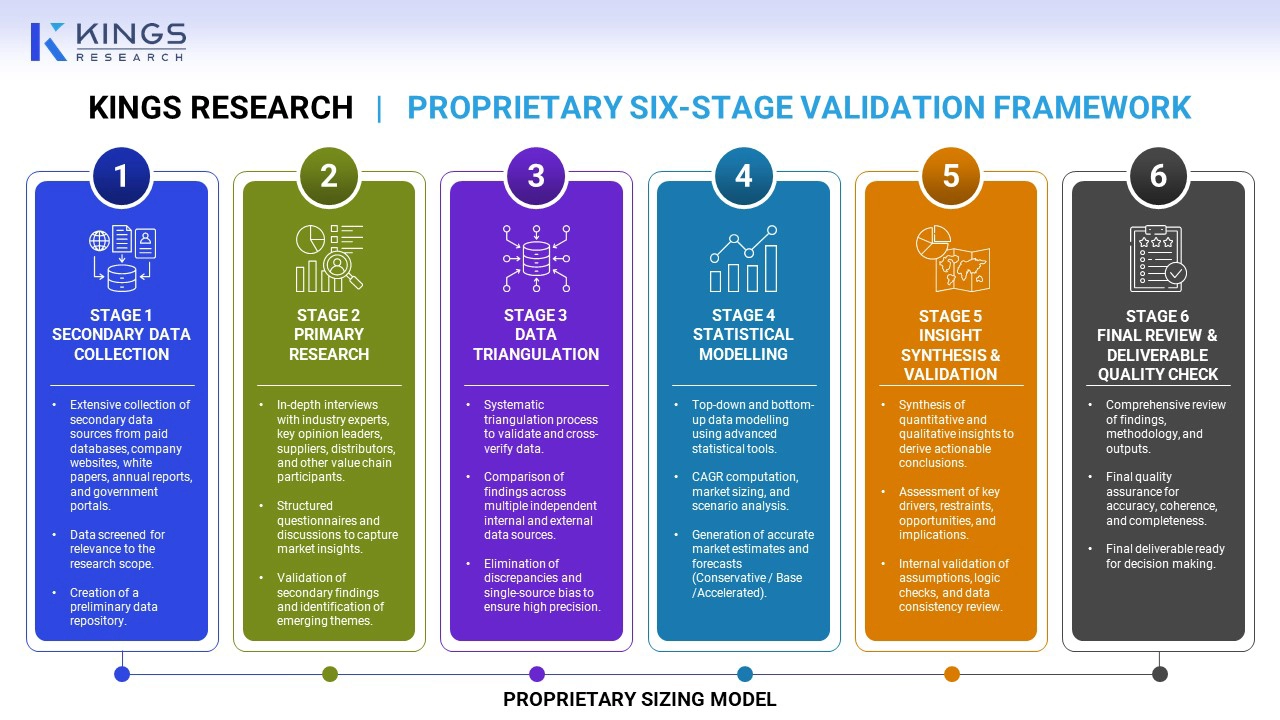
Our methodology triangulates insights from multiple independent and publicly available research databases, which are further validated against regulatory filings and public company disclosures. All estimates are cross-verified; no single-source data is presented without validation.
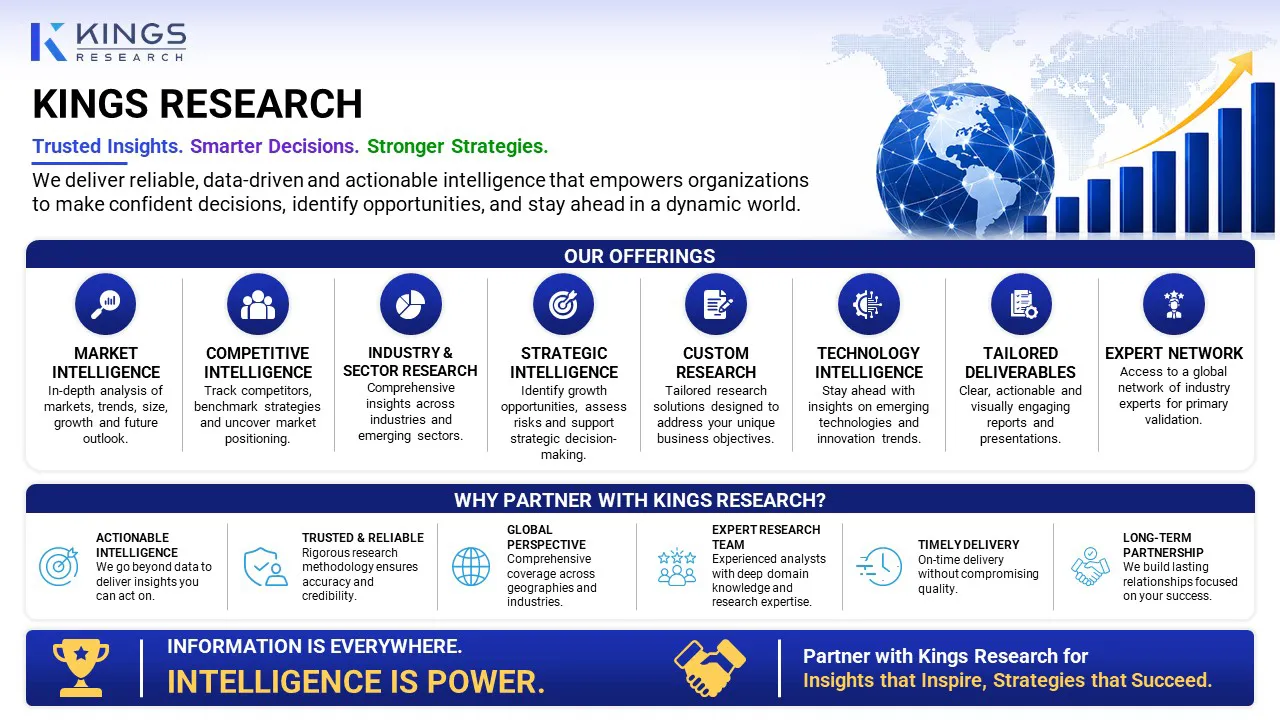
Our custom offerings deliver tailored, data-driven intelligence and strategic guidance to help organizations identify, evaluate, and capitalize on key market opportunities.
Frequently Asked Questions

Faizy brings over four years of experience in market research and consulting, with a proven ability to support strategic engagements across diverse industries and business environments. His work focuses on understanding complex market structures, identifying emerging opportunities, and translating research findings into clear, commercially relevant insights. With strong analytical capabilities and a structured approach to problem-solving, he evaluates industry trends, competitive landscapes, customer dynamics, and evolving business models. His expertise encompasses market research, competitive intelligence, market sizing and forecasting, industry assessment, company benchmarking, and strategic analysis. Faizy combines technical proficiency with a strong research orientation, enabling him to interpret both qualitative and quantitative information effectively. He has contributed to projects that help organizations assess growth potential, strengthen market positioning, and evaluate strategic priorities. His adaptable approach allows him to work across sectors while maintaining a consistent focus on accuracy, relevance, and delivering insights that support informed decision-making for clients and stakeholders.
Habi is a seasoned research and consulting leader with renowned experience in guiding clients on strategic growth and transformation initiatives across global markets. He has led high-performing research teams that deliver actionable insights on market expansion, M&A strategies, opportunity assessment, new business development, and product launches. His project portfolio spans large petrochemical producers, electronic device manufacturers, lubricants companies, and other leading enterprises across diverse industrial and consumer sectors. He currently heads the research department at Kings Research, where he is responsible for setting the research agenda, mentoring analysts, and ensuring client-ready deliverables that support executive decision-making. With extensive experience in market intelligence, strategic research, and consulting, Habi brings a strong understanding of evolving industry dynamics, competitive landscapes, emerging opportunities, and business growth challenges. His expertise includes developing research frameworks, translating complex market data into actionable strategic recommendations, and working closely with senior stakeholders to address critical business questions. He has also contributed to building research capabilities, strengthening analytical methodologies, and driving a culture of quality and insight-led decision-making within research teams. His cross-industry exposure enables him to connect market trends with broader business implications and provide perspectives that help organizations identify opportunities, mitigate risks, and make informed strategic decisions.