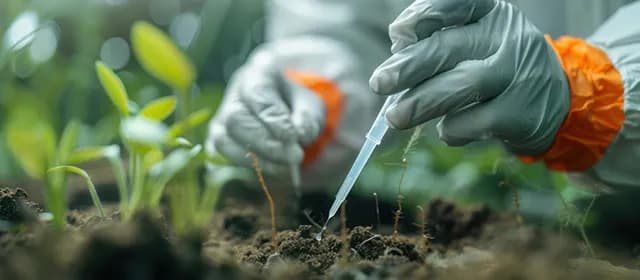



Farmers across the world are facing rising pressure to maintain soil health while meeting growing food demand. Chemical fertilizer inputs created quick solutions but also left the soil exhausted over time. Conversations are increasingly focusing on bio-fertilizers in agriculture as farmers are seeking natural ways to sustain productivity and protect land.
According to Kings Research, the global bio-fertilizers market size was recorded at USD 2,872.3 million in 2023, which is estimated to be valued at USD 3,142.8 million in 2024 and is projected to reach USD 6,458.5 million by 2031, growing at a CAGR of 10.84% from 2024 to 2031.
Agricultural experts and policymakers are encouraging solutions that are rebuilding soil ecosystems instead of exhausting them. Living microorganisms inside bio-fertilizers are restoring nutrient cycles while supporting crops naturally. Many farming communities are actively looking for sustainable inputs that maintain yield while keeping soil alive for future generations.
Growing awareness around bio-fertilizers in agriculture is further coming from farmers who are noticing declining soil fertility after years of chemical dependence. Healthy soil remains the foundation of food security. Natural microbial inputs offer a practical way to revive soil health while supporting consistent crop performance across seasons.
Research evidence strengthens this shift toward biological inputs. Studies published through the National Institutes of Health report that bio-fertilizer application can increase crop yields by 10 to 40 percent, mainly because microbial activity improves nutrient uptake and soil fertility. (Source: pmc.ncbi.nlm.nih.gov)
Understanding Bio-fertilizers and Their Role
Bio-fertilizers contain living microorganisms that help plants access nutrients already present in soil. These microbes colonize plant roots and improve nutrient absorption. Bio-fertilizers in agriculture support crops by naturally fixing nitrogen, dissolving phosphorus, and stimulating root growth without harming soil organisms or nearby ecosystems.
Farmers using biological inputs notice soil texture improving over time. Organic matter decomposes efficiently, moisture retention increases, and beneficial microbes multiply naturally. Healthy soil allows crops to grow steadily, reducing dependence on synthetic chemicals and supporting the transition to organic fertilizers that maintain productivity across growing cycles.
Experts highlight bio-fertilizers in agriculture as part of climate-friendly farming practices. Microbial activity helps reduce nutrient runoff and soil degradation. Strong soil structure protects farmland against erosion and water loss, which remains critical for regions facing unpredictable rainfall and climate challenges.
Global agricultural data also shows that biological nitrogen fixation already supplies around 100 million tonnes of nitrogen annually, reducing synthetic fertilizer needs worth nearly USD 10 billion every year worldwide.
Why Farmers Are Turning Toward Natural Solutions
Rising fertilizer prices and soil degradation push farmers to explore sustainable alternatives. Bio-fertilizers in agriculture offer an affordable solution that supports soil life while reducing input costs over time. Farmers gain confidence when crops show steady growth supported by healthier soil ecosystems.
Government programs and agricultural universities encourage biological farming inputs through awareness campaigns and training programs. Farmers attending workshops often learn simple application methods that integrate easily into existing farming practices, allowing smooth adoption without major equipment or investment changes across farms.
Increased adoption of bio-fertilizers in agriculture also aligns with consumer demand for environmentally responsible food production. Buyers prefer crops grown with sustainable practices. Farmers adopting eco-friendly inputs often gain market trust while maintaining soil health that supports farming continuity for future generations.
Another advantage emerges from nutrient management studies showing that organic soil practices, including microbial inputs, can reduce nitrogen fertilizer requirements by 40 to 50 tonnes per hectare in many cropping systems.
Types of bio-fertilizers Used on Farms
Nitrogen fixing bio-fertilizers work with crops like pulses and cereals by converting atmospheric nitrogen into plant-usable forms. Bio-fertilizers in agriculture rely heavily on these microbes because nitrogen remains one of the most important nutrients required for crop development and healthy plant growth.
Global agricultural research also confirms the measurable contribution of microbial fertilizers to soil nutrition. The Food and Agriculture Organization provides a detailed breakdown showing that bio-fertilizers in agriculture can supply significant quantities of nitrogen per hectare annually across cropping systems, demonstrating how biological nutrient fixation meaningfully reduces dependence on synthetic fertilizers.
Phosphate solubilizing microorganisms help plants absorb phosphorus locked in soil particles. Many farmers struggle with phosphorus availability despite soil reserves. Biological fertilizers unlock nutrients already present, reducing the need for heavy chemical application while encouraging sustainable nutrient cycles across agricultural fields.
Potassium mobilizing microbes also contribute to nutrient availability. Potassium improves plant resistance and overall crop quality. Bio-fertilizers in agriculture combine multiple microbial strains to support balanced nutrient supply, ensuring plants receive necessary minerals through natural soil processes instead of chemical dependency.
Benefits for Soil and Crop Productivity
Healthy soil supports crop growth naturally, and microbial fertilizers strengthen soil ecosystems over time, including protected cultivation environments such as greenhouse soil systems. Bio-fertilizers in agriculture encourage beneficial organisms to thrive, improving soil aeration and nutrient flow. Crops develop strong root systems, which support steady nutrient uptake and stable plant development throughout growing seasons.
Farmers also observe improved crop resilience when soil biological activity remains strong. Balanced microbial populations create natural protection against certain soil borne diseases. Consistent soil vitality allows crops to grow efficiently while reducing risks associated with nutrient deficiency and soil degradation.
Sustainable practices gain attention as bio-fertilizers in agriculture reduce pollution risks caused by excessive chemical fertilizer runoff. Cleaner soil and water support communities living around farming zones. Natural farming inputs also contribute to long-term agricultural sustainability while maintaining farm productivity and profitability.
Application Methods for Farmers
Farmers can apply biological fertilizers through seed treatment before planting. Seeds coated with beneficial microbes allow early root colonization once germination begins. Bio-fertilizers in agriculture become effective when microbes reach plant roots quickly, establishing nutrient exchange processes that support healthy crop establishment during early growth stages.
Soil application remains another practical approach. Farmers mix bio-fertilizers with compost or organic matter and spread them across fields before sowing crops. Microbial populations then grow within soil layers, helping crops absorb nutrients efficiently while supporting soil structure that encourages moisture retention and root expansion.
Drip irrigation systems also allow farmers to introduce microbial fertilizers directly into the soil around plant roots. Bio-fertilizers in agriculture perform effectively when applied under proper moisture conditions. Careful storage and handling also ensure microbial cultures remain active until they reach soil environments where crops grow.
Research also shows that effective bio-fertilizer programs can reduce conventional nitrogen fertilizer use by up to 52 percent without reducing crop yield, helping farmers lower chemical input dependency while maintaining production levels.
Challenges in Adoption Across Regions
Some farmers hesitate to adopt biological inputs because results take time to become visible. Chemical fertilizers deliver immediate visual growth, while natural processes build soil fertility gradually. Bio-fertilizers in agriculture require patience and awareness so farmers understand long-term soil benefits instead of expecting instant changes.
Quality control challenges also affect adoption rates. Improper storage conditions reduce microbial effectiveness, leading to inconsistent outcomes for farmers. Agricultural extension services now work toward educating farmers about selecting reliable products and applying them correctly to ensure expected soil and crop improvements.
Limited awareness across remote farming regions slows acceptance. Many farmers still lack access to training resources or demonstration programs. Continued promotion of bio-fertilizers in agriculture through government support and farmer networks can increase adoption, ensuring farmers receive the guidance necessary for a successful transition to biological farming solutions.
The Future of Sustainable Farming Inputs
Agricultural innovation continues evolving toward environmentally responsible practices supported by technology and science, while also helping farms manage carbon dioxide emissions through healthier soil systems. Bio-fertilizers in agriculture fit within future farming models that emphasize soil regeneration and sustainable productivity. Research institutions invest heavily in microbial technologies that enhance crop performance without damaging soil ecosystems.
Younger farmers entering agriculture show strong interest in sustainable solutions that protect land resources. Modern consumers value responsible farming practices, encouraging farmers to adopt natural inputs. Investment in biological agriculture also opens opportunities for rural enterprises involved in microbial fertilizer production and distribution networks.
Future farming success depends on maintaining soil health while feeding expanding populations. Bio-fertilizers in agriculture provide a pathway that supports both productivity and sustainability goals. Farmers who nurture soil life today secure agricultural resilience for future generations while strengthening food systems across communities worldwide.
The Way Forward
Sustainable farming begins with protecting soil that sustains crops season after season. Farmers exploring natural inputs now recognize the importance of nurturing soil organisms alongside crops. Conversations around biological fertilizers and agricultural biologicals continue growing as agricultural communities seek practical solutions supporting productivity without exhausting land resources.
Farmers, policymakers, and agricultural experts share responsibility in promoting environmentally sound farming methods. Education and consistent product quality encourage wider adoption of biological inputs. Strong collaboration between research institutions and farming communities ensures knowledge reaches fields where sustainable agricultural transformation truly begins.
Healthy soil ensures stable food production, farmer prosperity, and environmental protection for future generations. Adoption of natural farming inputs continues expanding across regions as farmers witness gradual soil improvement. Sustainable agriculture depends on choices made today, and biological fertilizers stand ready to support farming journeys ahead.