
Inquire Now
Key Strategic Points
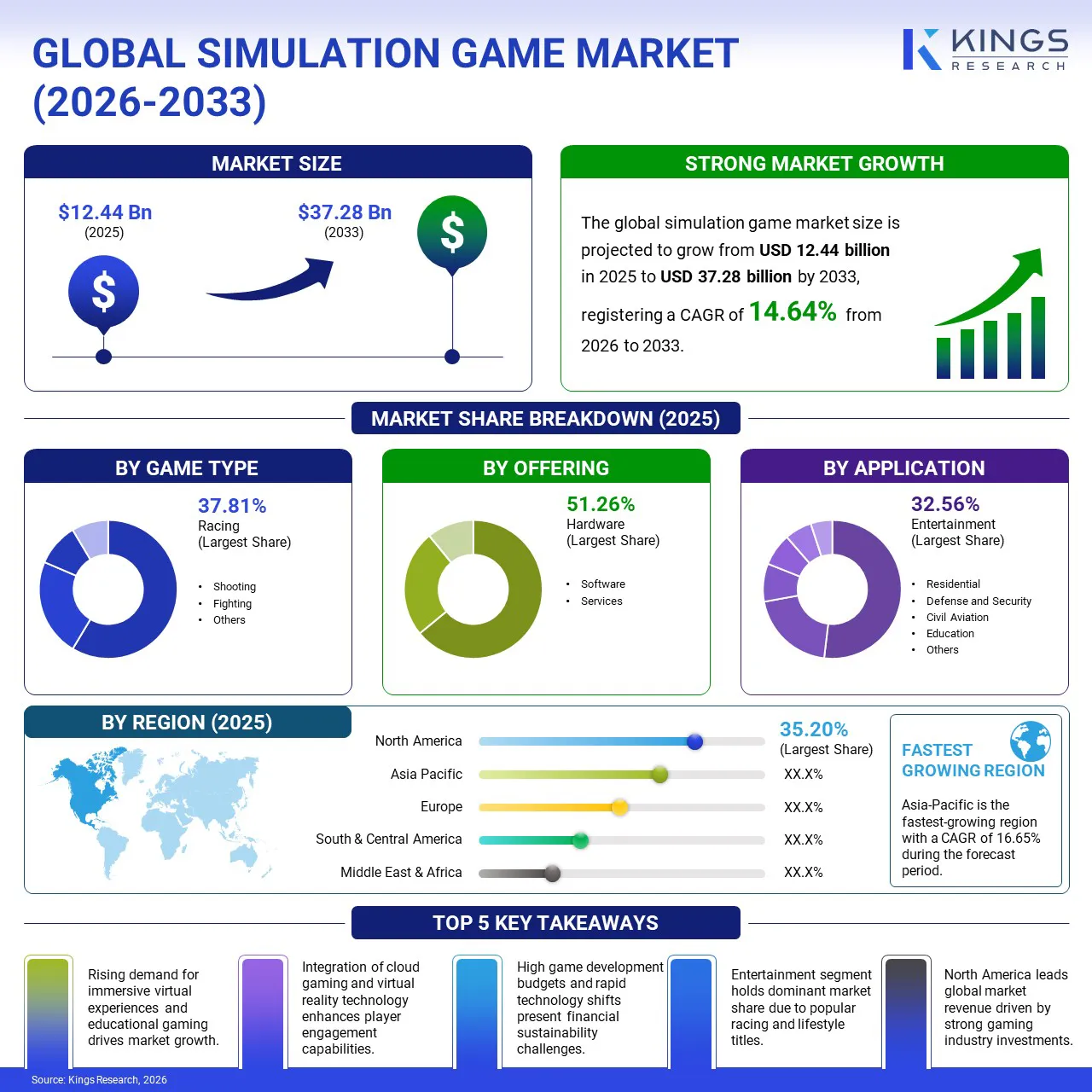
According to Kings Research, the global simulation game market, which generated USD 12.44 billion in 2025, is projected to reach USD 37.28 billion by 2033, registering a CAGR of 14.64% from 2026 to 2033. The market is experiencing strong growth due to advances in graphics processing, real-time physics, virtual reality (VR), expanding professional training applications, and the increasing adoption of digital game distribution platforms.
The simulation game market includes games and simulation software designed to replicate real-world activities, environments, and processes. Applications extend beyond entertainment to education, civil aviation, defense and security, healthcare, and professional training. Developers are increasingly integrating artificial intelligence, realistic physics, VR, AR, and high-fidelity graphics to improve environmental interaction and support more sophisticated simulation scenarios.
Rapid advances in graphics processing and rendering technologies are enabling developers to create detailed virtual environments with realistic lighting, terrain, vehicle behavior, and physical interactions. These improvements are particularly relevant to racing, flight, vehicle, and tactical simulation applications.
Hardware developments are also expanding the simulation gaming ecosystem. For example, ultra-wide curved displays such as Samsung's Odyssey Neo G9 provide high-resolution, wide-field-of-view environments that can support flight, racing, and vehicle simulation applications by improving visual coverage and peripheral awareness.
VR technology is further supporting the development of simulation applications by enabling users to interact with three-dimensional environments through head-mounted displays and motion controllers. In professional settings, aviation training, medical education, defense exercises, and other controlled training environments apply these capabilities.
Simulation game developers are also expanding partnerships with sports organizations, educational institutions, and professional training providers. These collaborations create additional applications for simulation technology while broadening revenue opportunities beyond traditional consumer gaming.
Technological advancements in graphics processing, artificial intelligence, real-time rendering, VR, and physics engines are improving the quality and functionality of simulation games. High-performance processors and advanced rendering techniques enable developers to model complex environments, vehicle dynamics, weather conditions, and other physical interactions with greater accuracy.
Real-time physics engines are particularly important for racing, flight, vehicle, and tactical simulation applications, allowing developers to reproduce variables such as acceleration, collision behavior, vehicle handling, and environmental effects.
VR and AR technologies are further expanding simulation applications by enabling users to interact directly with virtual environments. These technologies support both consumer entertainment and professional applications such as pilot training, medical education, and defense exercises.
The development of advanced game engines, including Unreal Engine 5, Unity, and proprietary engines such as Frostbite, is also improving rendering performance, physics calculations, and development flexibility.
Simulation games are increasingly being used beyond entertainment for professional training and education. Flight simulation software provides pilots and trainees with controlled environments for practicing flight procedures, navigation, emergency response, and aircraft handling without the risks associated with live aircraft operations.
In defense and security, tactical simulation environments allow personnel to practice operational scenarios, decision-making, mission planning, and coordination. Educational institutions and medical organizations are also adopting simulation-based learning, creating opportunities for partnerships between game studios, technology providers, airlines, healthcare organizations, educational institutions, and defense agencies.
High development costs and long production cycles remain significant challenges for simulation game developers. High-quality simulation titles require specialized programmers, artists, physics engineers, testing resources, and sophisticated hardware and software infrastructure. The increasing complexity of realistic physics, high-resolution graphics, VR compatibility, and multiplayer infrastructure can further increase development expenses and create barriers for smaller studios competing against well-funded publishers.
Market saturation is another challenge, as the increasing number of simulation titles makes it difficult for new games to gain visibility and build a stable player base. Smaller developers are responding by targeting specialized niches, using crowdfunding, establishing strategic partnerships, and developing distinctive gameplay mechanics. Regional content-rating requirements and regulations concerning digital monetization can also increase compliance requirements for publishers operating across multiple markets.
The growing popularity of eSports, game streaming, and live-service monetization is influencing the development and commercialization of simulation games. Platforms such as Twitch and YouTube Gaming allow players to broadcast gameplay and interact with audiences, supporting community development and player acquisition. Racing simulation games and flight combat games are particularly suitable for competitive formats because they support multiplayer competition and structured events.
Developers are also increasingly using downloadable content (DLC), seasonal updates, subscriptions, community-created content, and in-game purchases to improve player retention and generate recurring revenue. Streaming creates additional opportunities through advertising, sponsorships, subscriptions, and donations. A player retention & live-service monetization matrix can therefore be used to assess average revenue per user, DLC release frequency, community workshop participation, and monetization efficiency across racing, vehicle, life, and management simulation games.
|
Segmentation |
Details |
|
By Game Type |
Shooting, Fighting, Racing, Others |
|
By Offering |
Hardware, Software, Services |
|
By Application |
Residential, Defense and Security, Civil Aviation, Education, Entertainment, Others |
|
By Region |
North America: U.S., Canada, Mexico |
|
Europe: France, UK, Spain, Germany, Italy, Russia, and the rest of Europe |
|
|
Asia-Pacific: China, Japan, India, Australia, ASEAN, South Korea, Rest of Asia Pacific |
|
|
Middle East & Africa: Turkey, UAE, Saudi Arabia, South Africa, Rest of Middle East & Africa |
|
|
South & Central America: Brazil, Argentina, and the rest of South & Central America |
The racing segment holds a significant share of 37.81% in 2025, supported by the popularity of racing simulation titles and demand for realistic vehicle behavior. Detailed vehicles and tracks, realistic driving physics, multiple game modes, online multiplayer functionality, VR integration, competitive racing events, eSports tournaments, and regular game updates continue to support the segment.
The hardware segment has the largest share of 51.26% in 2025, supported by the increasing use of specialized simulation peripherals, including racing wheels, pedals, flight yokes, throttles, rudder pedals, and control panels, which enhance realism and provide more immersive gameplay.
The entertainment segment holds the largest share of 35.26% in 2025, supported by the broad availability of simulation titles across PCs, consoles, and mobile devices. Life management, city building, vehicle operation, racing, and sports simulation formats provide diverse gameplay options, while multiplayer functionality and online communities strengthen user engagement.
Based on region, the global market is classified into North America, Europe, Asia-Pacific, MEA, and South & Central America.
According to Kings Research, North America accounted for 35.20% in 2025, the largest share in the global simulation game market in 2025. The region's position is supported by a strong gaming culture, high disposable income, advanced gaming infrastructure, and the presence of major game publishers and development studios. The region also benefits from established PC and console gaming ecosystems and widespread adoption of advanced gaming hardware, VR systems, and high-performance displays.
According to Kings Research, Asia-Pacific is projected to register the fastest growth of 16.65% CAGR during the forecast period, making it the fastest-growing regional market. Growing gaming communities, rising disposable incomes, increasing smartphone and internet penetration, and expanding access to gaming platforms are supporting regional demand.
Japan and South Korea remain important centers for gaming development and technology innovation, while China, India, and Southeast Asian markets provide significant opportunities for future player and revenue growth.
Europe has a mature and expanding gaming ecosystem, with 199 million players and USD 34.59 billion in video-game revenue, supporting demand for simulation and other game formats. The Middle East & Africa is gaining momentum through government-backed gaming strategies, with Saudi Arabia and Dubai investing in gaming ecosystems, esports, studios, and related infrastructure. South & Central America is supported by a growing gaming audience and stronger institutional support, particularly in Brazil, where new gaming legislation is creating a clearer framework for industry development.
The simulation game market report will provide valuable insight with an emphasis on the fragmented nature of the industry. Prominent players are focusing on several key business strategies such as partnerships, mergers and acquisitions, product innovations, and joint ventures to expand their product portfolio and increase their market shares across different regions. Strategic initiatives, including investments in R&D activities, the establishment of new manufacturing facilities, and supply chain optimization, could create new opportunities for market growth.
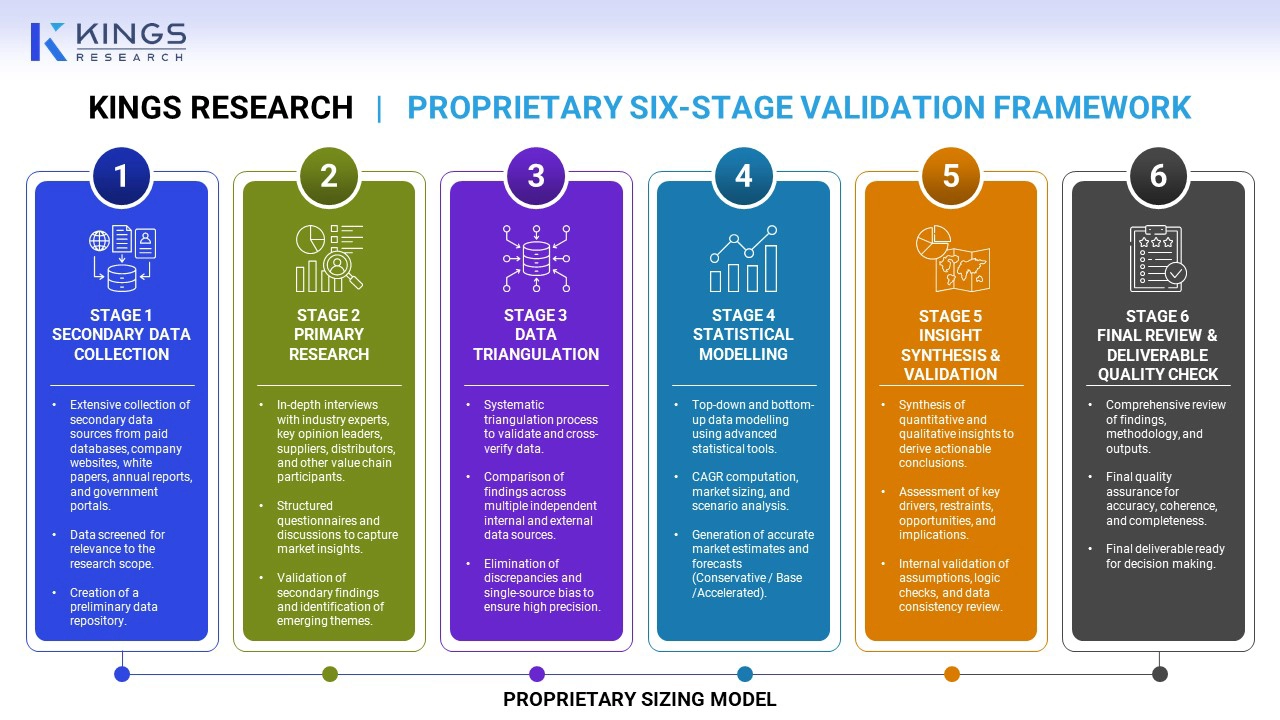
How We Gather This Information
Our methodology triangulates insights from multiple independent and publicly available research databases and is further validated against regulatory filings and public company disclosures. All estimates are cross-verified; no single-source data is presented without validation.
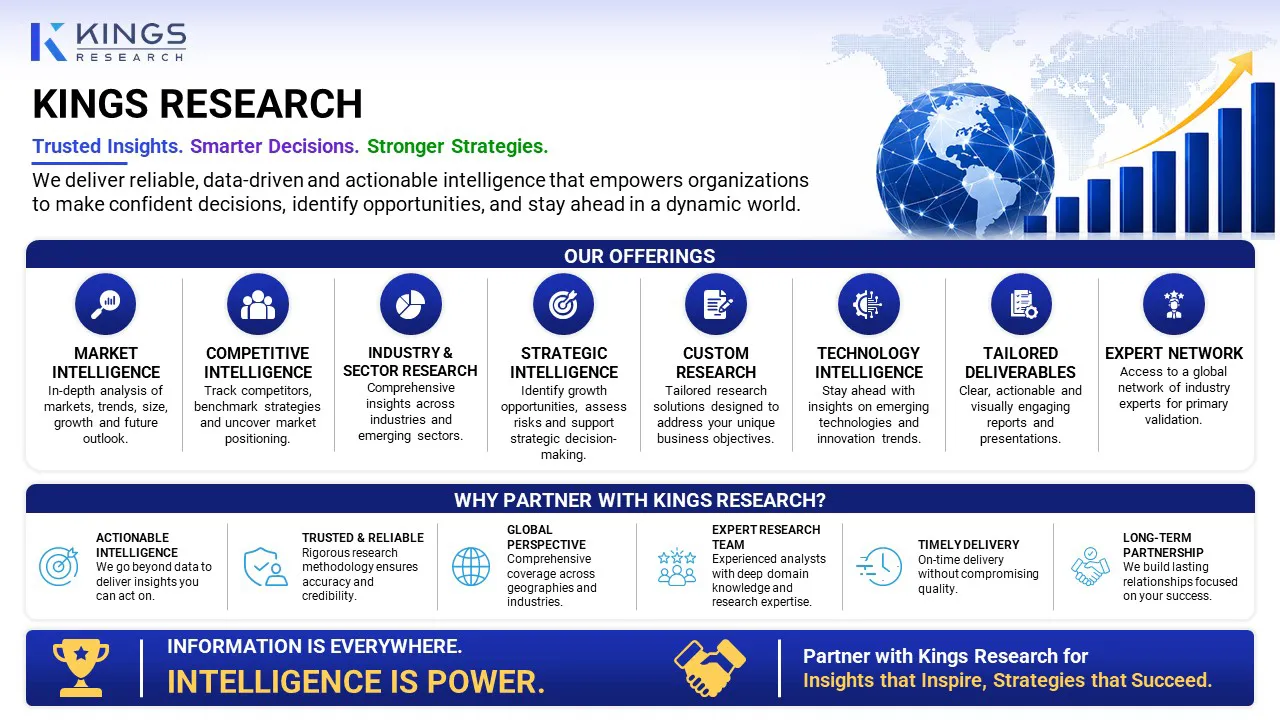
Our custom offerings deliver tailored, data-driven intelligence and strategic guidance to help organizations identify, evaluate, and capitalize on key market opportunities.
Frequently Asked Questions

Omkar is an accomplished research analyst with experience across a wide range of industries, including but not limited to pharmaceuticals, biotechnology, healthcare, chemicals & materials, energy, and consumer goods. His cross-domain expertise allows him to analyze complex market dynamics, uncover actionable insights, and provide high-value research that supports strategic decision-making. Skilled in both qualitative and quantitative analyses, Omkar synthesizes large datasets to create insightful, stakeholder-focused reports. His broad industry knowledge enables him to identify synergies across sectors, adding value to his research. Outside of work, Omkar is a passionate movie enthusiast. His love for cinema fuels his creativity and enhances his ability to think critically-skills that complement his research capabilities. Omkar’s data validation skills and cross-industry expertise make him a partner. He translates complex findings into strategic narratives. His commitment to continuous learning keeps him ahead of evolving markets, while his collaborative nature strengthens team synergy, driving stakeholder confidence and impactful outcomes.
Habi is a seasoned research and consulting leader with renowned experience in guiding clients on strategic growth and transformation initiatives across global markets. He has led high-performing research teams that deliver actionable insights on market expansion, M&A strategies, opportunity assessment, new business development, and product launches. His project portfolio spans large petrochemical producers, electronic device manufacturers, lubricants companies, and other leading enterprises across diverse industrial and consumer sectors. He currently heads the research department at Kings Research, where he is responsible for setting the research agenda, mentoring analysts, and ensuring client-ready deliverables that support executive decision-making. With extensive experience in market intelligence, strategic research, and consulting, Habi brings a strong understanding of evolving industry dynamics, competitive landscapes, emerging opportunities, and business growth challenges. His expertise includes developing research frameworks, translating complex market data into actionable strategic recommendations, and working closely with senior stakeholders to address critical business questions. He has also contributed to building research capabilities, strengthening analytical methodologies, and driving a culture of quality and insight-led decision-making within research teams. His cross-industry exposure enables him to connect market trends with broader business implications and provide perspectives that help organizations identify opportunities, mitigate risks, and make informed strategic decisions.



.webp&w=128&q=75&dpl=dpl_DPva2LrvfsBdTJm1XZj67UTrvMHL)
