


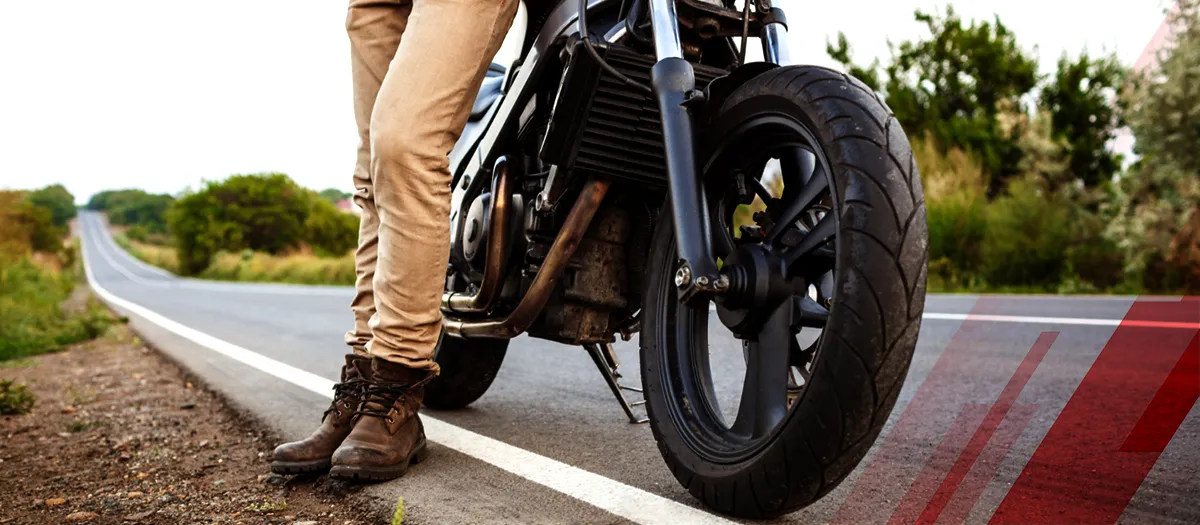
The motorcycle tires market forms an essential part of the broader two-wheeler ecosystem. Motorcycle tires directly influence how a bike performs on the road, how safely it handles corners, and how confidently it responds to braking. For riders, tires are not just replaceable parts. They are a constant connection between the motorcycle and the riding surface.
As motorcycles are used for commuting, touring, recreation, and off-road riding, tire requirements vary widely. This diversity has shaped the motorcycle tires market into a space driven by riding conditions, tire technology, and evolving user expectations rather than purely commercial factors. Kings Research estimates place the global motorcycle tires market at USD 36.31 billion in revenue by 2032.
This blog explores the motorcycle tires market, focusing on tire types, usage patterns, performance factors, and emerging trends.
The Role of Motorcycle Tires in Everyday Riding
Motorcycle tires play a critical role in balancing stability, comfort, and safety. Unlike four-wheeled vehicles, motorcycles rely on just two contact points with the road. This makes tire quality and condition especially important.
Grip and traction in motorcycle tires affect acceleration, braking distance, and cornering control. Even small changes in tread design or rubber compound can significantly alter how a motorcycle responds in wet or dry conditions. This is one of the reasons why the motorcycle tires market offers such a wide range of options.
For everyday riders, tires influence fuel efficiency, ride smoothness, and overall confidence. As a result, tire selection has become more deliberate, contributing to steady demand across different segments of the motorcycle tire industry.
Common Motorcycle Tire Types and Their Uses
The motorcycle tires market includes several tire types designed to support different riding styles and road conditions.
- Tubeless motorcycle tires are widely used today due to their ability to retain air longer after punctures. They also offer better heat dissipation, making them suitable for city riding and longer journeys.
- Radial motorcycle tires are commonly found in performance-oriented motorcycles. These tires provide improved stability at higher speeds and consistent road contact during cornering. Riders who prioritize handling and responsiveness often prefer radial construction.
How Riding Conditions Influence Motorcycle Tire Design
Riding conditions are a key factor shaping motorcycle tire design, as urban roads, highways, and unpaved trails place very different demands on traction, braking stability, and durability.
City riding environments are particularly demanding due to frequent stops, uneven pavement, and dense traffic. According to U.S. road safety data, 67% of motorcycle fatalities occur in urban areas, highlighting the risks associated with stop-and-go riding and inconsistent road surfaces. These conditions increase the importance of motorcycle tires that can maintain reliable grip during repeated braking and cornering, especially on worn or wet pavement.
Touring motorcycle tires, by comparison, are engineered for long-distance travel, where sustained speeds and load stability matter more than rapid maneuvering. Despite smoother highway surfaces, safety risks remain pronounced. In 2023, motorcyclists experienced 31.39 fatalities per 100 million vehicle miles traveled, compared to 1.13 for passenger car occupants, underscoring the need for tires that deliver consistent stability over long distances.
Off-road motorcycle tires are designed with deeper tread patterns to improve traction on loose surfaces such as gravel, sand, and mud. These design differences illustrate how motorcycle tire development is fundamentally driven by real-world riding environments rather than aesthetic or branding considerations.
Motorcycle Tire Technology and Material Advancements
Motorcycle tire technology has evolved steadily as manufacturers seek to improve safety, durability, and performance under diverse riding conditions. Modern tires increasingly rely on advanced rubber formulations that deliver improved grip without sacrificing service life.
One notable advancement is the widespread use of silica-enhanced compounds, which improve wet-road traction while preserving tread durability. This improvement is particularly important because braking performance is closely tied to tire grip. Safety research shows that motorcycles equipped with anti-lock braking systems experience 22% to 37% lower involvement in fatal crashes, demonstrating how traction-dependent technologies benefit directly from improved tire materials (Source: www.iihs.org).
In addition to material improvements, tread pattern optimization has become a central focus of tire engineering. Carefully designed grooves and sipes help disperse water, improve road contact, and enhance stability during braking. These refinements are especially relevant in urban riding conditions, where sudden braking is common.
Motorcycle Tire Replacement and Maintenance Awareness
Motorcycle tire replacement is a routine but critical aspect of ownership, with tire lifespan influenced by riding behavior, road quality, and maintenance habits. Aggressive acceleration, frequent braking, and improper inflation can significantly accelerate tire wear.
Public health data highlight the broader consequences of inadequate motorcycle safety practices. In the U.S., motorcycle crashes result in more than 200,000 injuries each year, placing a substantial burden on riders and healthcare systems (Source: www.cdc.gov). While crash outcomes depend on many factors, tire condition remains a fundamental element of vehicle control.
As safety awareness grows, riders are paying closer attention to tire pressure, tread depth, and visible wear. This shift toward preventive maintenance reflects a broader emphasis on motorcycle safety, supporting steady demand for replacement tires without reliance on aggressive marketing.
Performance vs. Practicality in Tire Selection
Motorcycle tire selection varies depending on rider priorities. Performance-oriented tires emphasize maximum grip and responsiveness, often at the cost of reduced tread life. These designs appeal to riders who value handling precision and traction above longevity.
In contrast, commuter motorcycle tires prioritize durability, puncture resistance, and cost efficiency, making them better suited for daily urban travel. Touring motorcycle tires attempt to balance these attributes by offering stable handling alongside extended tread life.
The importance of these trade-offs is reinforced by national safety data showing that motorcyclists are approximately 28 times more likely to die in a traffic crash per mile traveled than passenger vehicle occupants, highlighting the elevated risks riders face. As a result, many riders now consider practicality and safety alongside performance when choosing motorcycle tires.
The Influence of Safety Awareness on Tire Choices
Motorcycle safety awareness has increased as riders gain a clearer understanding of how equipment quality affects braking distance, stability, and overall control. Tires, in particular, are now widely recognized as critical safety components rather than simple consumables.
According to federal safety data, 34% of motorcycle operators killed in crashes were riding without a valid motorcycle license, indicating gaps in safety knowledge and compliance. In response, safety-conscious riders increasingly seek certified motorcycle tires and follow manufacturer recommendations for sizing, load ratings, and inflation.
This emphasis on quality standards has contributed to greater transparency across the motorcycle tire industry, influencing purchasing behavior toward reliable and well-documented products.
Evolving Trends in the Motorcycle Tires Market
Several long-term trends continue to influence rider preferences in motorcycle tires. One key trend is growing demand for tires that perform consistently across varying road and weather conditions, reflecting riders’ preference for reliability over specialization.
Another important shift is the rising popularity of adventure and touring motorcycles. This change is significant because over 90% of motorcycle fatalities occur on non-interstate roads, where surface conditions can change rapidly. As a result, riders increasingly favor versatile tires capable of handling both paved roads and light off-road terrain.
Digital access to safety data, rider forums, and independent reviews has further shaped the motorcycle tires market. Riders now rely more heavily on shared experiences and evidence-based guidance when selecting tires, reinforcing the role of motorcycle tires as essential safety components.
Bottom Line
The motorcycle tires market reflects the diverse ways motorcycles are used across regions and riding styles. From daily commuting to long-distance touring and off-road exploration, tires play a central role in shaping the riding experience.
Advancements in motorcycle tire technology, growing safety awareness, and changing riding preferences continue to influence tire design and selection. Rather than being driven by market forces alone, this space evolves in response to how riders interact with their motorcycles.
As motorcycles remain a practical and popular mode of transport, the importance of reliable, well-designed tires will continue to define the motorcycle tires market in a steady and meaningful way.