


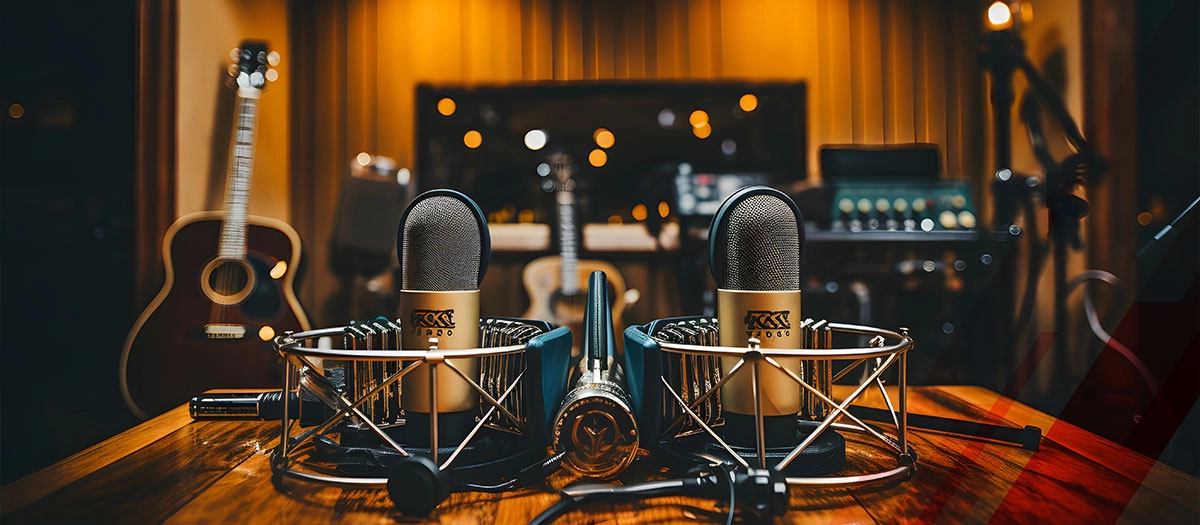
A home karaoke system has evolved from a niche entertainment setup into a mainstream household experience. What was once limited to dedicated karaoke bars is now easily accessible in living rooms, home theaters, and private entertainment spaces.
With advancements in audio technology, connectivity, and content availability, modern karaoke systems offer professional-grade performance without complex installation. According to Kings Research, the global karaoke system market is estimated to generate a revenue of $6.70 billion by 2031. This guide explains what a home karaoke system is, how it works, the key components involved, and how to choose the right system based on real usage needs.
What Is a Home Karaoke System?
A home karaoke system is an audio setup designed to play instrumental music while allowing users to sing along using microphones. The system processes vocal input in real time and blends it with background music through speakers or headphones. Lyrics are displayed on a screen such as a television, tablet, or monitor.
Unlike professional stage systems, a home karaoke system is built for convenience, compact design, and ease of use. It supports casual singing, family entertainment, small gatherings, and skill practice without requiring specialized audio knowledge.
How a Karaoke System Works
At a basic level, a karaoke system separates or suppresses the original vocal track from a song and replaces it with live vocal input from the user. The system then amplifies and mixes the sound output through speakers. Modern systems often use digital signal processing (DSP) to enhance vocals, applying effects such as echo, reverb, pitch adjustment, and noise control, before output. DSP is widely used in consumer audio systems to improve sound quality and reduce background noise.
Wireless connectivity has further simplified operation by allowing users to stream karaoke tracks directly from phones or tablets. According to the U.S. Census Bureau, 90 % of U.S. households had a broadband internet subscription as of 2021, meaning most homes can support streaming services and connected audio devices that integrate with karaoke systems. (Source: www.census.gov)
Core Components of a Home Karaoke System
- Microphones
Microphones capture the user’s voice and convert it to electrical signals that the karaoke system processes. Dynamic microphones, commonly used in home karaoke setups, handle louder vocals and reduce unwanted noise. Educational resources confirm that dynamic mics are ideal for live vocal applications due to their rugged design and noise handling.
- Speakers and Sound Output
Speakers are responsible for sound clarity and volume. Some karaoke systems use built-in speakers, while others connect to external powered speakers or a home theater amplifier. According to FCC consumer guidance, over 85 % of U.S. households use Wi-Fi routers to share broadband connections among devices, enabling seamless connectivity for smart speakers and streaming audio that can support karaoke setups. (Source: www.rsinc.com)
- Karaoke Player or Control Unit
The control unit manages song playback, audio effects, and input from microphones. It may be a dedicated karaoke machine or an app on a smartphone, tablet, or smart TV. As another technology adoption benchmark, the U.S. Census Bureau reports that 90 % of U.S. homes owned a smartphone in 2021, devices that can run karaoke apps or stream karaoke tracks. Connectivity options like USB, Bluetooth, HDMI, and Wi-Fi make these units compatible with various screens, from TVs to tablets, for lyrics display.
- Display Screen
Lyrics are typically displayed on a TV or smart device in sync with the music. HDMI connections are the most common for stable audio-visual sync. According to U.S. Census data, 64 % of U.S. households owned a tablet computer in 2021, another potential display device for karaoke lyrics, demonstrating the prevalence of screens used for media in homes.
Types of Home Karaoke Systems
There is no single format that suits all users. Home karaoke systems fall into several categories based on functionality and setup.
- All-in-One Karaoke Systems
These systems integrate speakers, microphones, and controls into a single unit. They are ideal for beginners and users who prioritize convenience. Setup time is minimal, and operation is straightforward. However, sound quality may be limited compared to modular systems.
- TV-Connected Karaoke Systems
These systems connect to an existing television and sound system. They provide better audio output and larger lyric display. Users can upgrade individual components over time. This setup is suitable for home theaters and dedicated entertainment rooms.
- App-Based Karaoke Systems
Karaoke applications turn smartphones, tablets, or smart TVs into karaoke platforms. Microphones connect via Bluetooth or USB, while music is streamed online. This option offers flexibility and access to large song libraries but depends on internet connectivity and device compatibility.
Key Features to Look for in a Home Karaoke System
Selecting the right system depends on how and where it will be used. The following features significantly affect performance and usability.
- Audio Quality and Vocal Processing
Clear vocal reproduction is essential. Look for systems with adjustable echo and reverb. Some advanced systems also offer pitch correction and vocal layering. Audio distortion at higher volumes is a common issue in low-quality systems.
- Connectivity Options
Bluetooth and Wi-Fi support allow seamless music streaming. HDMI and optical outputs ensure compatibility with modern televisions and soundbars. Multiple input ports provide flexibility for microphones and external devices.
- Song Library Access
Some karaoke systems include preloaded songs, while others rely on subscription-based streaming services. Access to a wide and regularly updated song library improves long-term value. Language support and regional song availability may also matter depending on user preferences.
- Ease of Use
An intuitive interface matters, especially for family use. Clear controls, responsive menus, and minimal setup steps reduce frustration. Remote control or app-based operation adds convenience.
Benefits of Using a Home Karaoke System
A home karaoke system offers more than entertainment. It supports skill development, social interaction, and stress relief. Singing improves breathing control, confidence, and memory. Group karaoke sessions encourage participation and shared experiences. For children, karaoke can support language development and musical interest. From a cost perspective, a home system reduces repeated spending on entertainment venues.
Home Karaoke System Setup Tips
Proper setup improves sound quality and system longevity. Place speakers at ear level and avoid corners to reduce sound distortion. Keep microphones away from speakers to prevent feedback. Adjust echo levels based on room size rather than volume alone. Stable internet connectivity is important if the system relies on streaming content.
Common Mistakes to Avoid
Many users focus only on price and overlook compatibility. A low-cost system may not work well with existing TVs or speakers. Ignoring room acoustics can also reduce sound quality. Large rooms require more powerful speakers, while small rooms benefit from controlled output. Using poor-quality microphones often results in unclear vocals, even with a good speaker system.
Home Karaoke System for Different User Needs
- For Families
Families benefit from simple systems with parental controls and multilingual song libraries. Wireless microphones reduce clutter and improve safety.
- For Enthusiasts
Serious users should consider modular systems with external speakers, mixers, and advanced vocal effects. These setups allow customization and better sound control.
- For Small Gatherings
Portability and volume output matter for social events. Battery-powered systems with Bluetooth support are suitable for flexible use.
- Maintenance and Care
Regular maintenance extends system life. Clean microphones after use and store them in dry conditions. Update firmware and applications when available. Avoid overdriving speakers at maximum volume for extended periods.
Future Trends in Home Karaoke Systems
The home karaoke ecosystem is increasingly influenced by artificial intelligence (AI) and cloud-based services, particularly for voice processing and personalization. AI-driven audio technologies such as real-time pitch correction, noise suppression, and speech enhancement are already widely deployed in consumer applications.
According to the U.S. National Institute of Standards and Technology (NIST), machine-learning-based speech and audio enhancement systems can reduce background noise by up to 50–80% in controlled environments, significantly improving vocal clarity in real-time audio applications.
Cloud computing further enables these AI features to function without high local hardware requirements. The National Institute of Standards and Technology (NIST) defines cloud computing as a model that allows “on-demand network access to a shared pool of configurable computing resources,” enabling scalable services such as real-time scoring and personalized content delivery. (Source: csrc.nist.gov)
Smart home integration is also shaping the future of karaoke systems. Many modern setups are compatible with voice assistants and mobile applications, allowing hands-free control of song selection, volume, and effects. According to the U.S. Census Bureau, 37.4% of U.S. households used at least one smart home device in 2021, including smart speakers and voice-controlled systems. infrastructure that supports voice-activated karaoke controls.
The Federal Communications Commission (FCC) further reports that the widespread adoption of Bluetooth and Wi-Fi standards has enabled seamless interoperability between consumer electronics, supporting real-time audio streaming and smart device control within home entertainment ecosystems.
Content accessibility is also expanding as streaming platforms increasingly support music-based and lyric-synchronized experiences. According to the U.S. Bureau of Labor Statistics, Americans spent an average of 2.5 hours per day on leisure and entertainment activities in 2023, with digital media consumption accounting for a significant share of that time, reinforcing demand for interactive entertainment formats such as karaoke. (Source: www.bls.gov)
In parallel, the National Telecommunications and Information Administration (NTIA) reports that 88% of internet users in the U.S. streamed music or audio online in 2023, demonstrating widespread access to cloud-hosted audio content that can support karaoke libraries and on-demand song access. (Source:www.ntia.gov)
Final Thoughts
A home karaoke system is no longer a luxury item. It is a practical and engaging addition to modern home entertainment setups. By understanding system components, features, and setup requirements, users can select a solution that matches their space, usage patterns, and performance expectations.
Choosing the right home karaoke system ensures consistent sound quality, ease of use, and long-term satisfaction. With careful selection and proper setup, karaoke can become a reliable source of entertainment and personal expression within the home.