

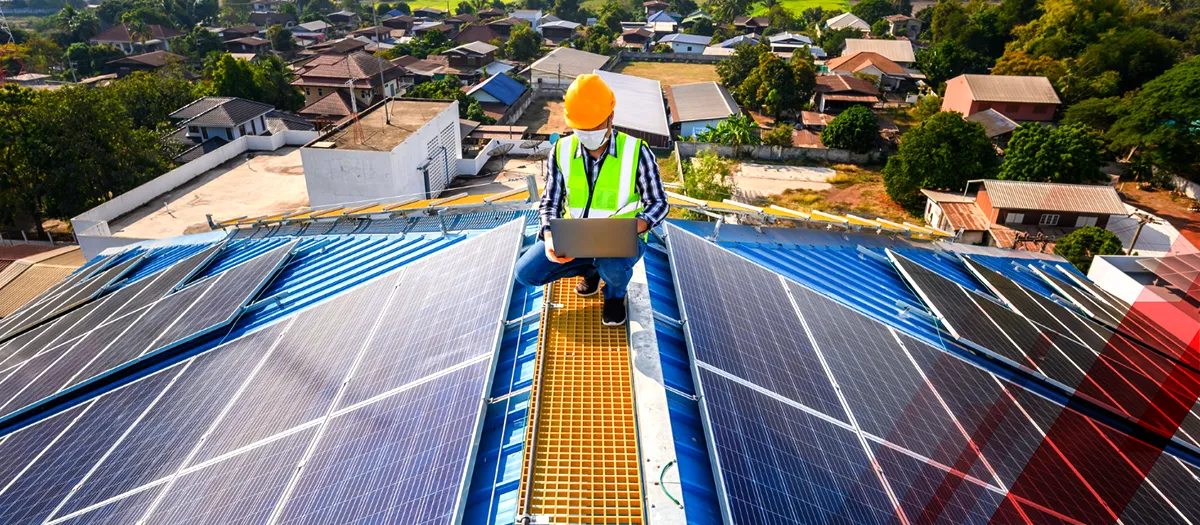
As electricity prices continue to rise and environmental concerns grow, more households are exploring solar power for home use as a reliable and sustainable energy solution. Whether you live in an urban apartment, suburban house, or rural property, installing a solar energy system can significantly reduce your electricity bills while lowering your carbon footprint.
This rising consumer interest aligns with industry projections, as Kings Research estimates that the solar power market will expand from USD 266.57 billion in 2024 to USD 410.17 billion by 2031, highlighting strong momentum across residential and distributed energy segments.
In this detailed guide, we’ll explore how solar power for home use works, its benefits, costs, installation process, how to choose among solar power companies, and the real solar power advantages and disadvantages every homeowner should consider.
Understanding Solar Power for Home Use
Solar power for home use refers to the generation of electricity through solar panels installed on residential rooftops or nearby open spaces. These panels convert sunlight into electricity using photovoltaic (PV) technology.
A typical residential solar system includes:
- Solar panels
- Solar inverter
- Mounting structures
- Wiring and safety components
- Optional home solar battery storage
When sunlight hits the panels, it generates direct current (DC) electricity. The inverter converts this into alternating current (AC), which powers household appliances. Excess energy can either be stored in a battery or exported to the electricity grid through net metering.
With improvements in solar panel efficiency and falling equipment costs, solar power for home use has become increasingly affordable.
Why Homeowners Are Switching to Solar Power for Home Use
- Lower Electricity Bills
One of the biggest motivations behind adopting solar power for home use is long-term savings. Once installed, sunlight is free. A properly sized solar energy system for home can significantly reduce monthly utility bills. By 2024, more than 5 million household solar installations had been registered in the US, indicating widespread homeowner acceptance of solar to reduce energy bills. (Source: seia.org)
According to the Ministry of New and Renewable Energy, rooftop solar installation is being actively promoted to expand residential renewable energy adoption.
- Environmental Impact
Switching to solar power for home use reduces dependence on fossil fuels and lowers carbon emissions. The International Energy Agency identifies solar photovoltaic technology as one of the fastest-growing renewable energy sources globally.
- Energy Independence
With a grid-tied solar system or hybrid solar system, homeowners gain more control over their electricity usage. Adding home solar battery storage ensures power backup during outages.
Distributed solar, including residential rooftop systems, accounted for 19% of global solar PV additions in 2023, showing the growing role of home and small-scale systems in energy supply diversification. (Source: www.iea.org)
Solar Power Advantages and Disadvantages
Before installing solar power for home use, it is important to evaluate the solar power advantages and disadvantages.
- Solar Power Advantages
The primary advantage of solar power for home use is cost savings over time. After recovering installation expenses, electricity generation becomes virtually free. Solar systems also require low maintenance and typically last 25–30 years. Additionally, homes equipped with solar energy systems may experience increased property value.
Another key benefit is environmental sustainability. Solar energy is clean, renewable, and reduces greenhouse gas emissions.
- Solar Power Disadvantages
Despite the benefits, there are some limitations. The upfront solar panel installation cost can be significant without subsidies. Solar output depends on sunlight availability, meaning performance may decrease during cloudy days or monsoon seasons.
Battery storage increases system cost. Therefore, homeowners must carefully weigh the solar power advantages and disadvantages before investing.
Types of Residential Solar Systems
Residential rooftops represent about 65% of total rooftop solar potential in the United States, indicating a vast untapped opportunity for homeowners to generate their own power. When considering solar power for home use, homeowners typically choose from three main system types.
- Grid-Tied Solar System
This is the most common option. The residential solar system remains connected to the electricity grid. Through net metering, excess energy can be exported to the grid.
- Off-Grid Solar System
An off-grid solar system operates independently from the main electricity supply and relies heavily on battery storage. It is ideal for remote locations.
- Hybrid Solar System
A hybrid solar system combines grid connectivity with battery backup, offering flexibility and energy security. The U.S. Department of Energy provides detailed technical guidance on residential solar configurations.
Cost of Solar Power for Home Use
The cost of solar power for home use depends on system size, panel type, location, and installation complexity. In India, rooftop solar installation costs typically range between ₹40,000 and ₹60,000 per kW before subsidies. Government incentives significantly lower this cost.
In the United States, residential solar adoption has increased steadily, as reported by the U.S. Energy Information Administration, reflecting growing interest in home solar systems.
Choosing Among Solar Power Companies
Selecting the right installer is critical when investing in solar power for home use. There are numerous solar power companies offering residential solar panel installation services, but not all provide the same quality or warranty coverage.
When evaluating solar power companies, consider:
- Years of experience in rooftop solar installation
- Certifications and compliance with government standards
- Warranty on solar panels and inverter
- After-sales service and monitoring support
- Transparent pricing structure
Reputable solar power companies will conduct a site assessment, calculate expected power generation, and provide a clear breakdown of system capacity and payback period.
Government Subsidies and Incentives
Governments encourage solar power for home use through subsidies, tax credits, and net metering benefits.
In India, financial assistance for rooftop solar installation is available under national renewable energy schemes. Under the PM Surya Ghar: Muft Bijli Yojana, the Government of India provides a subsidy of up to ₹78,000 for residential rooftop solar systems (for systems up to 6 kW capacity) to eligible households (Source: pmsuryaghar.gov.in). In the United States, homeowners can claim federal tax credits for residential solar systems. Checking official government portals ensures access to updated and accurate subsidy information.
Maintenance and Lifespan of Home Solar Systems
One of the biggest advantages of solar power for home use is minimal maintenance. Solar panels generally last 25–30 years, with performance warranties extending up to 25 years.
Routine cleaning and periodic inspection of wiring and inverter performance help maintain efficiency. Compared to conventional energy systems, residential solar systems require relatively low upkeep.
Is Solar Power for Home Use Worth It?
If your household consumes significant electricity for air conditioning, heating, or electric vehicle charging, solar power for home use can deliver substantial long-term savings.
Before installation, assess:
- Roof orientation and shading
- Monthly electricity consumption
- Available subsidies
- Budget and financing options
By carefully evaluating these factors and comparing solar power companies, homeowners can determine whether investing in solar power for home use aligns with their financial and environmental goals.
Bottom Line
Adopting solar power for home use is a long-term investment in sustainability, energy independence, and financial savings. While there are clear solar power advantages and disadvantages, advancements in solar technology, supportive government policies, and competitive pricing from solar power companies have made residential solar more accessible than ever.
For homeowners seeking a cleaner and more cost-effective energy solution, solar power for home use offers a practical path toward a sustainable future.