


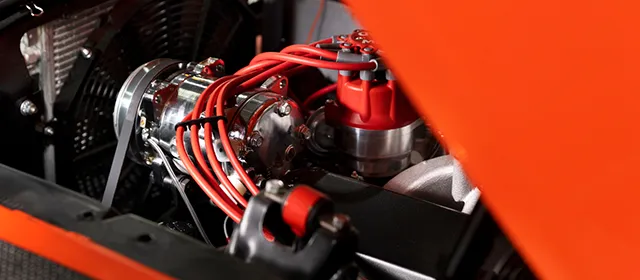
Automotive connectors are fundamental components in every modern vehicle. They provide reliable electrical and data connections between wiring harnesses, sensors, electronic control units, batteries, charging ports, and infotainment systems. As vehicles become increasingly electrified and connected, the performance, reliability, and safety of these connectors are critical.
The rapid adoption of electric vehicles and advanced driver-assistance systems is driving higher demand for specialized, high-quality automotive connectors. This is leading the automotive connectors market to record a revenue of $10.68 billion by 2032, as per Kings Research’s estimations.
Reliable connectors ensure continuous power delivery, maintain signal integrity, and support critical safety and communication functions. While the components themselves may seem small, their impact on vehicle performance, safety, and efficiency is enormous. Understanding the market forces, technical requirements, and future trends of automotive connectors requires examining global EV adoption, penetration of advanced vehicle electronics, and regulatory compliance.
Electrification Driving High-Voltage Connector Demand
Electrification of vehicles is one of the strongest forces shaping the automotive connector market. In the United States, combined hybrid electric vehicles (HEV), plug-in hybrid electric vehicles (PHEV), and battery electric vehicles (BEV) accounted for 18.7 percent of new light-duty vehicle sales in the second quarter of 2024, up from 17.8 percent in the first quarter. Within this share, BEVs alone represented 7.1 percent of the new light-duty vehicle market.
Cumulative adoption in the United States reached approximately 6.3 million light-duty EVs by the end of 2024, supported by the deployment of around 204,000 public and workplace chargers (Source: theicct.org). These numbers reflect both growing vehicle electrification and increasing demand for high-voltage powertrain interconnects, battery-pack connectors, and EV-specific harnesses. Every BEV and PHEV requires connectors that can safely handle high current and voltage, remain durable under temperature fluctuations, and maintain long-term reliability.
As electric vehicle adoption continues to accelerate, automotive connectors will increasingly need to meet stringent safety, durability, and electrical standards. High-voltage connectors now serve as essential components for in-vehicle power distribution, battery management systems, and charging interfaces, making them key drivers of technological innovation in connector design.
Rising Electronic Content and Connectivity Needs
In addition to electrification, modern vehicles are incorporating a growing number of electronic features for safety, convenience, and connectivity. Advanced driver-assistance systems (ADAS), cameras, sensors, and infotainment networks demand reliable electrical and data connections. This increase in electronic content drives the need for more complex and high-performance connectors.
Data from the Partnership for Analytics Research in Traffic Safety (PARTS) shows that by model year 2023, 10 of 14 surveyed ADAS features had surpassed 50 percent market penetration in the U.S. passenger vehicle fleet (MITRE). Five key features, including forward collision warning, automatic emergency braking, pedestrian detection, and lane departure warning, reached 91 to 94 percent penetration. This data is based on approximately 98 million vehicles sold between 2015 and 2023, covering 168 models from nine major OEMs.
The widespread adoption of ADAS features indicates increasing vehicle content in sensors, cameras, and control modules. Each new subsystem relies on high-speed data connectors, coaxial or shielded signal interconnects, and robust harness assemblies. This trend demonstrates that as vehicle electronics and connectivity increase, the demand for specialized automotive connectors grows in tandem.
Regulatory Compliance and Safety Standards Shaping Connector Design
Regulatory oversight also drives connector demand. Agencies such as the National Highway Traffic Safety Administration (NHTSA) oversee safety technology adoption and compliance in U.S. vehicles. The rapid growth of ADAS and automatic emergency braking demonstrates that connectors supporting safety-critical systems must meet high standards for environmental durability, sealing, vibration resistance, and temperature tolerance.
For example, AEB systems rose from 4 percent penetration in 2015 to 94 percent in 2023 (Source: www.mitre.org). Sensors and control modules in these systems are installed in harsh environments under the hood or near wheel wells, requiring connectors to maintain electrical and mechanical integrity over the vehicle's lifetime. Consequently, regulatory and safety compliance requirements are a major driver of automotive connector innovation and adoption.
Wiring Harness Complexity and Integration Challenges
Modern vehicles, especially EVs, contain hundreds of wires and multiple harnesses linking ECUs, sensors, batteries, motors, and infotainment systems. Academic research highlights that as vehicles integrate more electronics, wiring harnesses become increasingly complex, placing higher demands on connector design and assembly (source: arxiv.org).
The integration of multiple high-voltage, high-current, and high-speed data circuits necessitates connectors that are both mechanically robust and electrically reliable. Zonal electrical architectures, where wiring is centralized in modules or hubs rather than distributed throughout the vehicle, require high-density, multi-pin connectors capable of handling diverse loads without signal degradation.
These engineering challenges drive innovation in connector materials, contact design, insulation, and assembly processes. Connector manufacturers must balance reliability, size constraints, and electrical performance while maintaining manufacturability and cost-effectiveness. Increasingly, automation is being adopted to assemble connectors and harnesses accurately, mitigating human error and improving consistency.
High-Voltage and Data Connectors for Electric Vehicles
Electric vehicles rely on two major types of connectors: high-voltage power connectors and high-speed data connectors. High-voltage connectors transmit power from battery packs to inverters, motors, and charging systems. They must safely handle hundreds of volts and high current while withstanding heat, vibration, and environmental exposure.
High-speed data connectors transmit information between sensors, ECUs, cameras, and communication modules, ensuring real-time data flow for ADAS, safety systems, and autonomous driving features. As the number of sensors and connected devices increases, connectors must maintain signal integrity without interference, even in electrically noisy environments.
The increasing penetration of EVs, as reflected by 6.3 million cumulative EVs in the U.S. by 2024 and 204,000 deployed charging stations, confirms that both high-voltage and high-speed connectors are essential for the future of automotive electronics.
Connector Reliability and Environmental Durability
Automotive connectors must perform reliably over the vehicle lifetime, often exceeding ten years of operation. They face extreme conditions, including temperature variations, vibration, moisture, dust, and chemical exposure. The combination of regulatory safety requirements and the high penetration of ADAS features demands sealed, ruggedized connectors capable of maintaining electrical and mechanical integrity under these harsh conditions.
These requirements make connector reliability a key factor in vehicle performance and safety. Engineers must consider materials, contact resistance, environmental sealing, and vibration resistance in every connector design. Such considerations are especially critical for EVs and advanced vehicles with complex electrical and electronic architectures.
Supply Chain and Regional Demand Implications
The adoption of EVs and connected vehicles is concentrated in key regions, including the U.S., Europe, and China. The high penetration of EVs in these markets is reflected in regional EV sales and infrastructure deployment. Connector manufacturers in these regions face concentrated demand, necessitating robust production planning, quality control, and supply chain management.
High-density urban markets, regulatory requirements, and local incentives influence the deployment of connectors and wiring harnesses. Automakers increasingly source connectors capable of meeting global safety and performance standards while optimizing for localized assembly requirements.
Future Trends in Automotive Connectors
Looking forward, automotive connectors are expected to evolve along several key trends. The growth of electric vehicles, autonomous driving, and software-defined architectures will increase demand for high-voltage, high-speed, and high-density connectors. Materials and contact design will continue to advance to ensure performance under extreme electrical and environmental stress.
Automation in assembly and inspection processes will expand to maintain manufacturing consistency for increasingly complex harnesses. The future of automotive connectors will integrate durability, electrical performance, and high-speed data capabilities to support advanced vehicle technologies. As EV adoption continues to rise and ADAS features become standard, connectors will remain central to vehicle safety, efficiency, and connectivity.
Conclusion
Automotive connectors are essential components that enable vehicle electrification, connectivity, and safety. As vehicles integrate more advanced electronic systems, from high-voltage powertrains to ADAS and infotainment networks, connectors ensure reliable power and data transmission across increasingly complex wiring architectures. Their performance, durability, and design integrity directly impact vehicle safety, operational efficiency, and long-term reliability.
With the automotive industry moving toward electric and connected vehicles, the demand for high-quality connectors is set to grow steadily. Manufacturers, suppliers, and engineers must prioritize robust design, environmental resilience, and seamless integration to meet the evolving needs of modern vehicles. Automotive connectors are no longer mere hardware; they are strategic enablers of innovation, safety, and performance in the vehicles of today and tomorrow.

.webp&w=3840&q=75&dpl=dpl_DTCDzuzZgrG9H8b9yf8P7a1CSdCK "Recreational Boating Trends Shaping Outboard Engine Demand")