


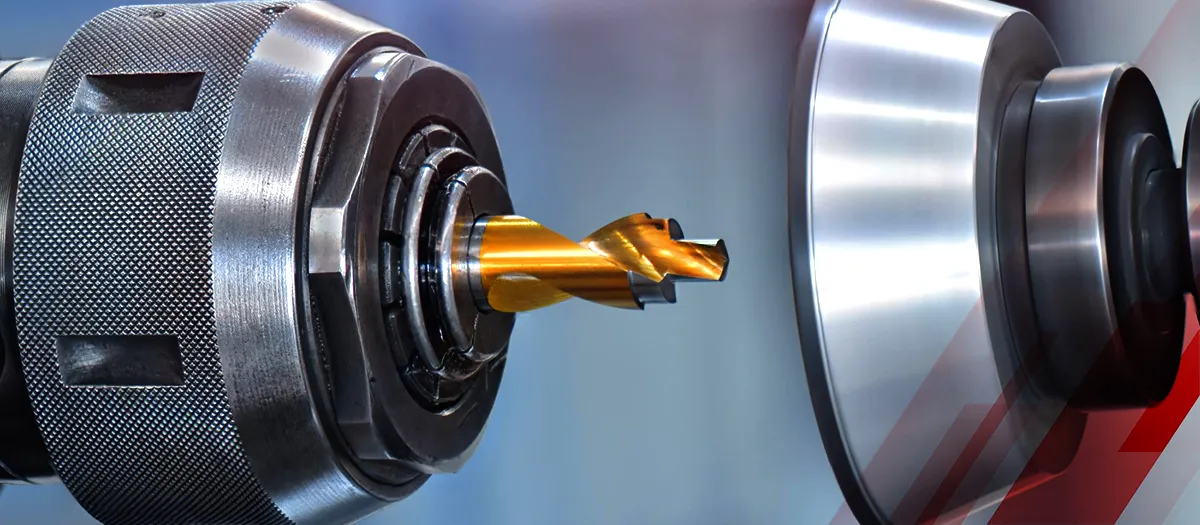
In an era defined by automation, smart factories, and advanced engineering, precision parts in industrial applications have become indispensable to modern manufacturing systems. Industrial equipment today operates under tighter tolerances, higher speeds, and more complex load conditions than ever before. As a result, even the smallest deviation in component accuracy can affect performance, safety, and efficiency.
Precision parts ensure that industrial machinery functions exactly as designed, enabling consistency, reliability, and long service life. From automated production lines and robotic systems to heavy industrial equipment and energy infrastructure, precision-engineered components form the structural and functional backbone of modern industry.
As per analysis by Kings Research, the global precision parts market is set to register $454.13 billion by 2032. Their importance continues to grow as manufacturers seek higher productivity, reduced downtime, and improved quality outcomes.
What Is Precision in Manufacturing?
To understand the role of precision parts in industrial applications, it is essential to first define what precision in manufacturing truly means. Precision in manufacturing refers to the ability to produce components that consistently meet exact dimensional, geometric, and performance specifications.
This includes maintaining tight tolerances, uniform surface finishes, and repeatable quality across large production volumes. In 2023, U.S. manufacturing contributed $2.3 trillion to the U.S. GDP, representing about 10.2% of total economic output. (Source: www.nist.gov)
Precision manufacturing relies on advanced machining technologies, skilled engineering expertise, and robust quality control systems. The objective is not only accuracy in a single part but consistency across thousands or even millions of components. In industrial environments, this level of precision ensures seamless assembly, efficient operation, and predictable system behavior over time.
What Are Precision Parts?
Precision parts are components manufactured to extremely tight tolerances using specialized machining and fabrication processes. These parts are designed to fit and function perfectly within complex mechanical systems, where accuracy directly affects system performance and reliability.
Machinists and related precision machine operators were employed in significant numbers in U.S. manufacturing, with 249,790 employed in machining roles in 2024, according to government employment data. (Source: www.bls.gov)
In industrial applications, precision parts often serve critical roles such as controlling motion, transferring power, sealing fluids, or maintaining alignment between assemblies. Because industrial equipment frequently operates continuously or under heavy loads, precision parts must also exhibit durability, dimensional stability, and resistance to wear.
Precision parts are typically produced using CNC machining, grinding, honing, and other high-accuracy manufacturing methods. Each component undergoes rigorous inspection to ensure it meets design and performance requirements before being deployed in industrial systems.
What Are Precision Components and How Are They Used?
Closely related to precision parts is the concept of precision components, a term often used to describe finished parts that form integral elements of larger assemblies. They are accurately machined elements such as shafts, gears, bearings, housings, valves, and fasteners that enable precise mechanical interaction within industrial equipment.
Precision components are widely used in motion control systems, hydraulic and pneumatic equipment, automated machinery, and high-performance production tools. Their accuracy ensures smooth operation, reduced friction, and minimal vibration, all of which contribute to longer equipment life and improved operational efficiency.
In industries such as aerospace, automotive manufacturing, and industrial automation, precision components are essential for meeting strict performance standards and regulatory requirements. Inspectors, testers, and related precision quality-control roles accounted for over 377,260 jobs in U.S. manufacturing in 2024.
What Are Examples of Precision Tools in Industrial Settings?
Industrial production environments also rely heavily on precision parts and tools to manufacture, assemble, and inspect components accurately. What are examples of precision tools? Common examples include CNC machine tools, coordinate measuring machines, precision grinders, laser cutting systems, and micrometer-based inspection equipment.
These precision tools are designed to achieve and verify extremely tight tolerances during manufacturing. Without them, producing high-precision industrial parts consistently would be nearly impossible. Precision tools not only shape components but also play a crucial role in quality assurance, ensuring that every part conforms to design specifications.
Role of Precision Parts in Industrial Applications
The significance of precision parts in industrial applications lies in their ability to ensure system accuracy and operational stability. Industrial machinery is composed of interconnected assemblies, and the performance of the entire system depends on the accuracy of each individual component.
Precision parts enable exact alignment between moving parts, reduce mechanical losses, and prevent premature wear. In automated manufacturing systems, they allow synchronized motion and accurate positioning, which are critical for maintaining production speed and quality.
In heavy-duty industrial equipment, precision parts support load-bearing functions and ensure even stress distribution. This reduces the likelihood of mechanical failure and extends the operational lifespan of machinery operating under demanding conditions.
Technological Advancements in Precision Parts and Tools
Ongoing technological advancements continue to enhance the production of precision parts and tools. Multi-axis CNC machines, digital twin technology, and automated inspection systems have significantly improved manufacturing accuracy and efficiency.
Additive manufacturing is also being adopted for certain industrial applications, particularly for complex geometries and rapid prototyping. While traditional machining remains the standard for high-tolerance components, hybrid manufacturing approaches are expanding design flexibility and reducing lead times. These innovations strengthen the role of precision manufacturing in supporting advanced industrial systems.
Importance of Precision Parts Suppliers and Manufacturing Companies
The reliability of industrial systems depends not only on design but also on the capabilities of precision parts suppliers and precision parts manufacturing companies. These suppliers play a critical role in delivering components that meet strict industrial standards and performance requirements.
Leading precision parts manufacturing companies invest heavily in advanced machining technology, skilled workforce development, and quality assurance systems. They follow internationally recognized standards to ensure traceability, consistency, and compliance across production batches.
For industrial buyers, selecting the right precision parts suppliers is essential for maintaining equipment reliability and minimizing operational risk. Trusted suppliers offer not only manufacturing expertise but also engineering support, material selection guidance, and post-production inspection services.
Manufacturing in the United States supported nearly 12.7 million jobs in late 2025, illustrating the scale of the industrial employment ecosystem where precision parts suppliers are essential. (Source: nam.org)
Materials Used in Precision Parts Manufacturing
Material selection significantly influences the performance of precision parts in industrial applications. Common materials include stainless steel, carbon steel, aluminum alloys, titanium, and engineered plastics. Each material is chosen based on factors such as mechanical strength, corrosion resistance, thermal stability, and machinability.
High-strength steels and specialty alloys are often used for industrial machinery parts subjected to heavy loads or high temperatures. Aluminum and titanium precision components are favored in applications requiring reduced weight without compromising strength. Engineered plastics are increasingly used where chemical resistance, electrical insulation, or low friction is required.
Precision manufacturing ensures that material properties are fully leveraged through controlled machining processes and surface treatments.
Future Outlook for Precision Parts in Industrial Applications
The future of precision parts in industrial applications is closely tied to trends such as Industry 4.0, automation, and smart manufacturing. As industrial systems become more interconnected and data-driven, the need for reliable, high-precision components will continue to increase.
Sustainability goals are also shaping precision manufacturing, with greater emphasis on efficient material use, energy optimization, and waste reduction. Precision parts enable optimized system performance, supporting both economic and environmental objectives. As industries evolve, precision-engineered components will remain essential to achieving accuracy, efficiency, and long-term operational excellence.

.webp&w=3840&q=75&dpl=dpl_DPva2LrvfsBdTJm1XZj67UTrvMHL "Recreational Boating Trends Shaping Outboard Engine Demand")