

Metal roofing for residential buildings has become a preferred choice among homeowners seeking durability, energy efficiency, and long-term cost savings. As residential construction standards evolve, roofing materials must meet higher expectations for performance, sustainability, and visual appeal. Metal roofing addresses these requirements while offering consistent protection across diverse climates. By 2031, the global metal roofing market is projected to achieve $32.19 billion in revenue, states Kings Research.
This blog provides an in-depth analysis of metal roofing for residential buildings, covering material types, benefits, installation practices, energy performance, maintenance, and long-term value.
What Is Metal Roofing for Residential Buildings
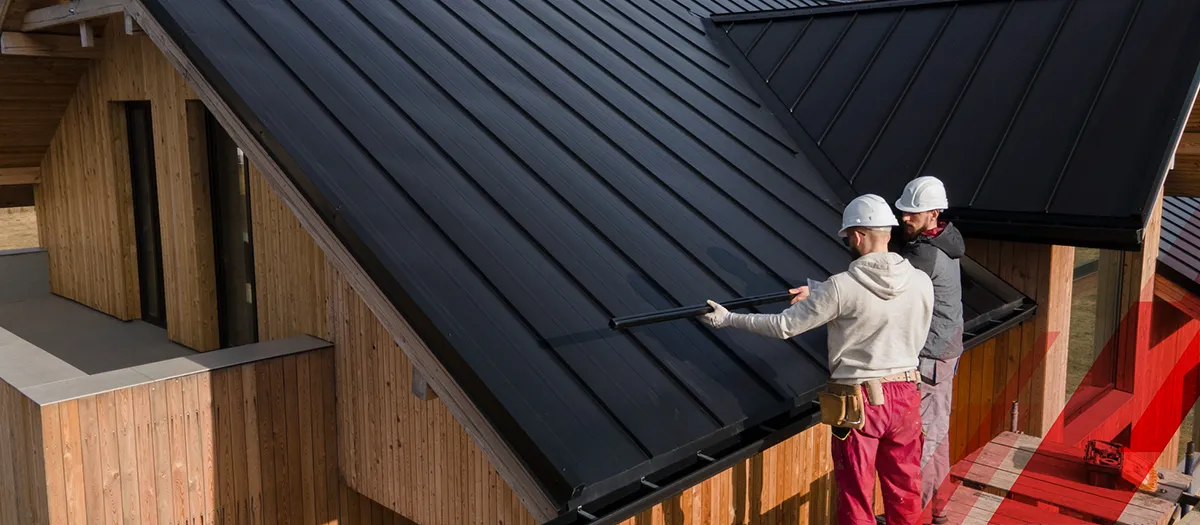
Metal roofing for residential buildings refers to roofing systems manufactured from metal materials and specifically engineered for home structures. These systems include panels or shingles made from steel, aluminum, zinc, or copper, designed to provide weather resistance and structural longevity.
Unlike traditional roofing materials, residential metal roofing systems rely on precision manufacturing and protective coatings. These coatings enhance corrosion resistance and improve thermal performance. Metal roofing panels are installed using advanced fastening systems that prevent water intrusion and accommodate thermal movement.
Metal roofing for residential buildings is available in various profiles and finishes. Homeowners can select designs that replicate traditional shingles, tiles, or slate while benefiting from metal’s superior performance.
Growing Demand for Residential Metal Roofing
The demand for metal roofing for residential buildings continues to rise due to its long service life and reduced maintenance requirements. Metal roofing now captures roughly 18 % of the total U.S. residential roofing market, reflecting homeowners’ increasing interest in durable, high-performance roofs as alternatives to traditional asphalt shingles.
Government and federal energy efficiency programs like the U.S. Environmental Protection Agency’s Energy Star and Cool Roof guidance also highlight the energy performance benefits of reflective roofing materials, including certain metal roofs. According to the EPA, residential cool roofs can reduce peak cooling demand by 11–27 % by reflecting more solar energy and lowering indoor heat gain, a statistic that supports homeowners’ decisions to invest in long-lasting, energy-efficient materials under changing climate patterns. (Source: www.epa.gov)
Homeowners are increasingly evaluating roofing investments based on lifetime value rather than short-term costs, especially as federal and utility programs emphasize energy savings and climate resilience. The U.S. Department of Energy notes that cool roofs (including reflective metal roofing options) can lower roof surface temperatures by more than 50 °F (28 °C) compared to conventional roofs, helping reduce air conditioning energy use and extend roof service life. (Source: www.energy.gov)
Types of Metal Used in Residential Roofing
Metal roofing for residential buildings is manufactured using several metal types, each offering distinct advantages. Steel is the most commonly used metal due to its strength and affordability. It is typically coated with zinc or aluminum alloys to prevent corrosion and extend lifespan. Aluminum roofing is lightweight and naturally resistant to rust, making it suitable for coastal residential buildings.
Zinc roofing offers exceptional durability and develops a protective surface layer over time. Copper roofing is valued for its longevity and distinctive appearance, although it is generally used in premium residential applications. Each metal type supports long-term performance when installed correctly and maintained according to manufacturer guidelines.
Key Benefits of Metal Roofing for Residential Buildings
Metal roofing for residential buildings offers several performance advantages that distinguish it from conventional roofing materials. One of the most significant benefits is longevity. A properly installed metal roof can last several decades, reducing the need for frequent replacements. This extended lifespan results in lower overall ownership costs.
Metal roofing also offers excellent weather resistance. It does not crack, rot, or absorb moisture, which helps maintain structural integrity over time. Fire resistance is another important advantage, as metal roofing materials are non-combustible. Homeowners also benefit from improved indoor comfort due to enhanced thermal performance and reflective properties.
Energy Efficiency and Indoor Comfort
Energy efficiency is a critical factor in residential roofing selection. Metal roofing for residential buildings supports energy savings through reflective coatings that reduce heat absorption. By reflecting solar radiation, metal roofing helps maintain more stable indoor temperatures during warmer months. DOE research also shows that choosing a cool roof can reduce annual air-conditioning energy use by up to about 15 % in residential buildings, helping lower overall energy consumption and cooling costs.
This reduction in heat gain can directly lessen the demand on air conditioning systems, significantly contributing to indoor comfort and energy savings in hot climates. In colder climates, metal roofing systems work effectively with proper insulation to reduce heat loss, minimizing energy demand for heating while still benefitting overall thermal performance.
The U.S. Department of Energy recognizes cool roofing systems, including reflective metal roofs, as effective solutions for improving residential energy efficiency. These performance benefits make metal roofing an attractive option for energy-conscious homeowners.
Durability and Performance in Residential Applications
Durability is one of the defining characteristics of metal roofing for residential buildings. These systems are engineered to withstand environmental stress without compromising performance. Metal roofing panels are tested for wind uplift resistance, impact resistance, and water penetration.
Many residential metal roofs are rated to withstand severe weather conditions, including hail and heavy snow loads. Thermal expansion and contraction are accounted for in modern fastening systems. This ensures that the roof remains secure and watertight over time, even with temperature fluctuations.
Maintenance Requirements and Practical Considerations
Metal roofing for residential buildings requires minimal maintenance compared to traditional roofing materials. Routine inspections help identify debris accumulation or surface damage, but extensive repairs are rarely necessary.
Cleaning metal roofs periodically helps maintain appearance and performance. Protective coatings reduce the risk of corrosion and color fading, even after prolonged exposure to sunlight. Because metal roofing does not support mold growth or pest infestation, it contributes to improved building hygiene and reduced maintenance costs.
Installation Best Practices for Residential Metal Roofing
Proper installation is essential to maximize the performance of metal roofing for residential buildings. Installation should always be performed by qualified professionals with experience in residential metal roofing systems.
Roof slope, ventilation design, and insulation placement must be evaluated before installation begins. Proper underlayment selection enhances moisture protection and thermal efficiency. Precision during panel alignment and fastening ensures long-term watertight performance. Following manufacturer specifications and local building codes protects warranties and ensures compliance with safety standards.
Cost Considerations and Long-Term Value
The initial cost of metal roofing for residential buildings is higher than asphalt shingles. However, the long service life and low maintenance requirements result in favorable long-term economics. Homeowners benefit from fewer repairs, reduced replacement frequency, and potential insurance incentives.
In some regions, insurance providers offer reduced premiums for homes with metal roofing due to improved fire and weather resistance. When evaluated over the full lifespan, metal roofing often delivers better value than lower-cost roofing alternatives.
Environmental Sustainability of Metal Roofing
Metal roofing for residential buildings supports sustainable construction practices. Most metal roofing materials contain recycled content and are fully recyclable at the end of their service life. The long lifespan of metal roofing reduces material waste and landfill contributions.
Fewer replacements translate to lower environmental impact over time. Metal roofing also supports renewable energy adoption. Its structural strength makes it well suited for rooftop solar panel installations, enhancing overall residential sustainability.
Comparing Metal Roofing With Traditional Residential Roofing Materials
When compared to asphalt shingles, metal roofing for residential buildings offers superior durability and weather resistance. Asphalt roofs typically require replacement every 15 to 20 years, while metal roofs can last several decades.
Tile and slate roofing provide durability but add significant structural weight. Metal roofing delivers comparable longevity with reduced load on residential structures. From a performance and lifecycle perspective, metal roofing provides a balanced solution for homeowners seeking reliability and long-term value.
Addressing Common Concerns About Residential Metal Roofing
Some homeowners hesitate to choose metal roofing due to misconceptions. One common concern is noise during rainfall. When installed with proper decking and insulation, metal roofing produces no more noise than other roofing materials.
Another misconception involves lightning attraction. Metal roofing does not increase lightning strike risk and is considered safe due to its non-combustible nature. Modern coatings also address concerns about corrosion and color fading, ensuring long-term aesthetic stability.
Is Metal Roofing for Residential Buildings the Right Choice
Metal roofing for residential buildings is well suited for homeowners prioritizing durability, energy efficiency, and low maintenance. It performs effectively across diverse climates and architectural styles.
While the upfront investment is higher, the long-term benefits often outweigh initial costs. Metal roofing provides peace of mind through consistent performance and reduced lifecycle expenses. Homeowners planning new construction or roof replacement should consider metal roofing as a reliable and future-ready solution.
Bottom Line
Metal roofing for residential buildings represents a modern approach to home protection that aligns with performance, sustainability, and long-term value. Its durability, energy efficiency, and design flexibility make it a strong alternative to traditional roofing materials.
As residential construction standards continue to evolve, metal roofing is expected to remain a preferred solution for homeowners seeking dependable and efficient roofing systems. Investing in metal roofing delivers lasting benefits that support both comfort and structural integrity.