


Blood flow problems in the veins can cause pain, swelling, and serious health issues. Many people ignore early symptoms. Over time, the condition may worsen. This is where venous stent treatment plays an important role. Kings Research estimated that the venous stent market worldwide is likely to reach $2,809.7 million by 2030.
This blog explains everything in simple terms. You will learn what a venous stent is, who needs it, how it works, and what to expect after the procedure.
What Is a Venous Stent?
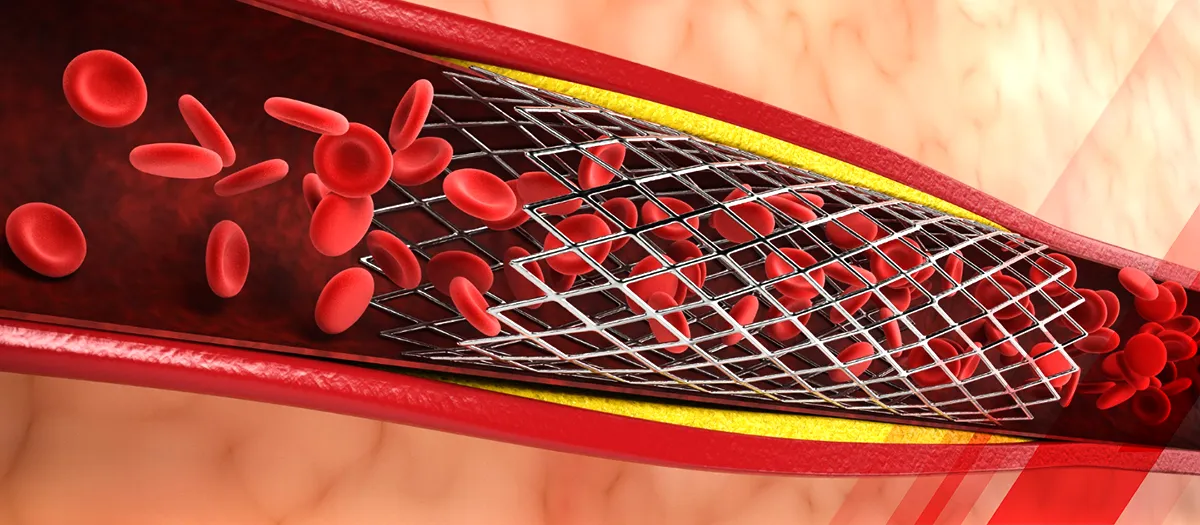
A venous stent is a small metal mesh tube. Doctors place it inside a vein. It helps keep the vein open. This improves blood flow. Veins carry blood back to the heart. Sometimes, these veins become narrow or blocked. This condition is called venous obstruction. A stent supports the vein walls and prevents collapse. Venous stents are often used in large veins. These include veins in the pelvis, abdomen, and legs.
Why Is Venous Stent Treatment Needed?
Poor blood flow in the veins can lead to many problems. These may include swelling, pain, and skin changes. In severe cases, ulcers may form.
Some common conditions that require venous stent treatment include:
- Deep vein obstruction
- Chronic venous insufficiency
- Post-thrombotic syndrome
- Iliac vein compression
These conditions reduce the quality of life. Many patients struggle with daily activities. A venous stent can help restore normal blood flow and reduce symptoms.
Data from the National Institutes of Health indicates that post-thrombotic syndrome develops in up to 20–50% of patients after deep vein thrombosis (Source: www.ncbi.nlm.nih.gov).
Symptoms That May Indicate You Need a Venous Stent
Many people live with symptoms for years. They may not know the cause. Here are some common signs:
- Persistent leg swelling
- Pain or heaviness in the legs
- Skin discoloration
- Varicose veins
- Slow-healing leg ulcers
If these symptoms continue, a medical evaluation is important. Early treatment gives better results.
The World Health Organization notes that chronic venous disease is a widespread condition globally, affecting a significant share of the adult population and often remaining underdiagnosed in early stages.
How Does Venous Stent Treatment Work?
Venous stent treatment is a minimally invasive procedure. It does not require large cuts. Doctors use imaging to guide the process. Here is how the procedure usually works:
First, the doctor inserts a thin tube called a catheter into a vein. This is often done through the groin. Then, imaging tools help locate the blockage. A balloon may be used to open the narrowed vein. After that, the stent is placed in position. It expands and stays in place permanently. The stent keeps the vein open. This allows blood to flow smoothly again.
Benefits of Venous Stent Treatment
Venous stent treatment offers many benefits. It is often preferred over traditional surgery. One major advantage is faster recovery. Patients usually return home the same day or next day. Pain is also minimal compared to open surgery.
Another benefit is long-term relief. Many patients experience reduced swelling and pain. Their mobility improves. Daily activities become easier. The procedure also has a high success rate. When done correctly, it provides lasting results.
Studies referenced by the National Institutes of Health show that endovascular stenting demonstrates high technical success rates, often exceeding 88.8% in appropriately selected patients (Source: www.researchgate.net).
Risks and Safety Considerations
Like any medical procedure, venous stent treatment has some risks. However, serious complications are rare.
Possible risks include:
- Bleeding at the insertion site
- Infection
- Blood clots
- Stent movement
Doctors take many precautions to reduce these risks. Proper patient selection is important. Following post-procedure instructions also helps.
Recovery After Venous Stent Placement
Recovery from venous stent placement is usually quick. Most patients feel better within a few days. Doctors may recommend wearing compression stockings. These help improve blood circulation. Patients may also need blood-thinning medication for some time.
Light activities can start within a day or two. However, heavy exercise should be avoided for a few weeks. Follow-up visits are important. Doctors monitor the stent and ensure proper blood flow.
Who Is a Good Candidate for Venous Stent Treatment?
Not everyone needs a venous stent. Doctors evaluate each case carefully.
You may be a good candidate if:
- You have chronic venous disease
- You experience severe symptoms
- Other treatments have not worked
- Imaging shows a vein blockage
A proper diagnosis is key. Doctors use ultrasound, CT scans, or venography to confirm the condition.
The National Heart, Lung, and Blood Institute reports that advanced imaging techniques are essential for accurately diagnosing venous disorders and guiding treatment decisions (Source: www.nhlbi.nih.gov).
Venous Stent vs Other Treatments
There are other treatments for vein problems. These include medications, compression therapy, and lifestyle changes. However, these methods may not work for severe cases. When veins are blocked, a stent offers a more direct solution.
Compared to surgery, venous stent treatment is less invasive. It involves shorter hospital stays and faster recovery. This makes it a preferred option for many patients.
Cost of Venous Stent Treatment
The cost of venous stent treatment varies. It depends on several factors. These include hospital, location, and complexity of the case.
In general, the cost may include:
- Diagnostic tests
- Procedure charges
- Hospital stay
- Medications
Insurance may cover part of the cost. Patients should check with their provider for details.
Lifestyle Changes After Venous Stent Placement
A venous stent improves blood flow. However, lifestyle changes are still important. Patients should maintain a healthy weight. Regular walking helps improve circulation. Avoid sitting for long hours.
Hydration also plays a role. Drinking enough water supports overall vascular health. Following these habits helps maintain the benefits of the stent.
Long-Term Outlook of Venous Stent Treatment
The long-term outlook is generally positive. Many patients experience lasting relief. Regular check-ups help ensure the stent remains effective. Imaging tests may be done to monitor blood flow. With proper care, venous stents can last for many years. Patients can lead a normal and active life.
Latest Advancements in Venous Stent Technology
Medical technology is improving rapidly. New venous stents are more flexible and durable. They are designed to match the natural shape of veins. This improves comfort and effectiveness.
Advanced imaging techniques also help in precise placement. This increases success rates. Ongoing research continues to improve outcomes for patients.
When to See a Doctor
Many people delay treatment. They assume symptoms are minor. This can lead to complications.
You should see a doctor if you notice:
- Ongoing leg pain
- Swelling that does not go away
- Skin changes in the legs
- Ulcers or wounds
Early diagnosis can prevent serious issues. It also improves treatment success.
Bottom Line
Venous stent treatment is a reliable solution for blocked or narrowed veins. It improves blood flow and reduces symptoms. The procedure is safe and minimally invasive.
Patients often see quick results. Recovery is smooth, and long-term outcomes are positive. With proper care and follow-up, a venous stent can greatly improve the quality of life. Timely medical advice can make a big difference.


.webp&w=3840&q=75&dpl=dpl_3pUwJtNgpk6oXgXnK9PBcvvUhHi3 "How Cloud-Based Solutions Are Transforming Modern Dental Practices in 2026")