


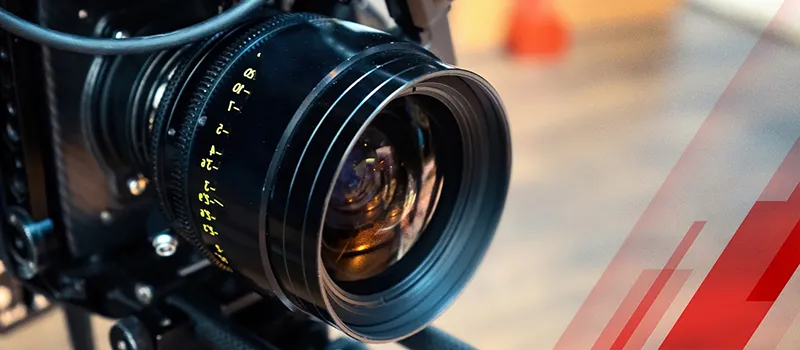
The professional video camera market operates at the intersection of streaming platform proliferation, broadcast infrastructure modernization, and content production demands across cinema, sports, and live events. Unlike consumer cameras or smartphone imaging, professional systems deliver interchangeable lens capability, broadcast-grade codecs, and integration with production workflows that define high-end video capture.
Kings Research estimates that the global professional video camera market will reach USD 43.07 billion by 2030, growing at a CAGR of 2.55% from 2023 to 2030. This growth reflects a mature market in which professional cameras are purchased mainly through capital replacement cycles, upgrades in broadcasting infrastructure, the rise of streaming platforms, and expanding corporate production needs rather than fast paced consumer demand.
Technological developments in full-frame sensors, 4K/8K resolution, HDR processing, and AI-assisted autofocus systems are enhancing camera capabilities. Manufacturers are also investing in lightweight designs, energy-efficient components, and wireless integration to streamline production workflows across studio and field environments.
Top 10 Companies in the Professional Video Camera Market
1. Canon Inc.
Canon Inc. manufactures professional video cameras spanning cinema production, broadcast, and corporate applications. The company's Cinema EOS system integrates interchangeable RF-mount lenses with full-frame and Super 35 sensors designed for film and television production.
Canon's broadcast camera portfolio serves newsgathering and live event coverage with HD and 4K systems. The company maintains strong market position through lens ecosystem integration and sensor technology development. Canon operates globally with manufacturing in Japan and distribution networks across North America, Europe, and Asia-Pacific.
In September 2024, Canon unveiled the EOS C80 cinema camera, featuring improved mobility through compact design, a 6K full-frame sensor, and comprehensive interface options for professional production workflows.
2. Sony Corporation
Sony Corporation provides professional cameras for broadcast television, cinema production, and live event coverage. The company's product range includes studio cameras, portable field cameras, and cinema systems with full-frame and Super 35 sensors. Sony emphasizes AI-based autofocus, high frame rate capture, and network connectivity for remote production.
Its broadcast cameras serve news organizations, sports broadcasters, and production facilities requiring multi-camera integration. Sony's cinema line targets independent filmmakers and commercial production through cameras offering RAW recording and wide dynamic range.
In December 2025, Sony ILCE-7V was launched in India as the latest full-frame mirrorless camera in Sony’s Alpha 7 lineup. The camera features a newly developed 33 MP partially-stacked Exmor RS sensor and BIONZ XR2 processor with integrated AI capabilities, delivering improved autofocus, subject tracking, and video/stills performance.
3. Blackmagic Design Pty. Ltd.
Blackmagic Design Pty. Ltd. is one of the leading players in the professional video camera market specializing in cinema cameras and broadcast equipment emphasizing accessible pricing for independent production.
The company's URSA and Pocket Cinema Camera lines provide RAW recording, high-resolution sensors, and DaVinci Resolve workflow integration. Blackmagic targets filmmakers, content creators, and broadcast facilities seeking affordable alternatives to traditional broadcast equipment. The company is based in Australia with global distribution through resellers and e-commerce channels.
In January 2025, Blackmagic Design unveiled the URSA Cine 12K LF Body, retaining full quality and features of the URSA Cine 12K while omitting several accessories for seasoned cinematographers and rental facilities.
4. Hitachi Kokusai Electric America, Ltd.
Hitachi Kokusai Electric America, Ltd. manufactures broadcast cameras for studio and field production, focusing on live television, sports coverage, and remote broadcasting applications. The company provides HD and 4K cameras with fiber connectivity, HDR capability, and integration with broadcast infrastructure systems.
Hitachi serves television networks, production facilities, and live event venues requiring multi-camera setups and centralized control. The company operates from Japan with regional offices supporting North American and European broadcast markets.
5. Angénieux
Angénieux specializes in professional cinema and broadcast lenses rather than complete camera systems. The company manufactures zoom lenses for film production, broadcast television, and commercial video applications.
Angénieux lenses integrate with professional cameras from major manufacturers and are used in cinema production, sports broadcasting, and documentary filmmaking. The company maintains manufacturing in France with distribution through professional equipment dealers worldwide.
6. GoPro Inc.
GoPro Inc. operates in the action camera segment serving professional applications including sports broadcasting, documentary production, and specialty cinematography. GoPro's cameras are adopted in professional contexts requiring compact, durable systems for mounting in vehicles, on athletes, and in challenging environments.
The company's products feature stabilization, high frame rates, and waterproof construction. GoPro is headquartered in the United States with global distribution through retail and online channels.
7. ZEISS International
ZEISS International manufactures cinema and broadcast lenses integrated with professional camera systems. The company provides prime and zoom lenses for film production, commercial video, and broadcast applications.
ZEISS lenses are specified for their optical quality, color rendering, and mechanical precision. The company serves cinematographers, and production companies requiring consistent optical performance across lens sets. ZEISS operates from Germany with worldwide distribution through professional equipment suppliers.
In February 2025, ZEISS introduced the Otus ML lenses for Sony E, Canon RF, and Nikon Z systems to strengthen its position in the professional imaging segment. The company targets filmmakers and photographers who need high optical performance through improved sharpness, color accuracy, and control over aberrations (source: www.zeiss.com).
8. JVCKENWOOD Corporation
JVCKENWOOD Corporation develops broadcast and professional video cameras for live production, streaming, and field recording. The company's products include studio cameras, PTZ (pan-tilt-zoom) systems, and portable cameras for newsgathering and event coverage.
JVCKENWOOD emphasizes network connectivity, remote operation, and integration with IP-based production workflows. The company serves broadcasters, corporate video departments, and educational institutions. JVCKENWOOD is based in Japan with regional operations in North America, Europe, and Asia.
9. SIGMA CORPORATION
SIGMA CORPORATION is one of the leading players in the global professional video camera market that produces cinema cameras and lenses for professional video production. The company's FP series provides compact full-frame cameras with RAW recording capability and modular design for filmmaking and commercial video. SIGMA manufactures lenses compatible with multiple camera mounts used in professional production.
The company targets independent filmmakers, content creators, and commercial production requiring flexible, high-quality imaging systems. SIGMA operates from Japan with global distribution through camera retailers and professional equipment dealers.
10. IMPERX
IMPERX specializes in industrial and scientific imaging cameras adapted for professional video applications including machine vision, broadcast, and specialized production environments.
The company provides high-speed cameras, area scan cameras, and customized imaging solutions for applications requiring precise image capture and analysis. IMPERX serves industrial inspection, medical imaging, and technical production markets where standard broadcast cameras do not meet specialized requirements. The company is based in the United States with distribution through technical equipment suppliers.
Conclusion
The professional video camera market continues expansion through increased digital content consumption, growth of live streaming and virtual events, and technological integration of AI-driven features including automated editing and intelligent scene recognition. Cinema production, broadcast television, and corporate video applications drive equipment purchases, while streaming platforms create sustained demand for high-resolution capture systems.
Leading manufacturers including Canon, Sony, and Blackmagic Design address different market segments through product positioning, broadcast systems for live production, cinema cameras for theatrical content, and hybrid platforms serving emerging streaming and corporate applications. Professional camera manufacturers continue adapting product portfolios to serve both established broadcast infrastructure and emerging content production workflows.