

Engine piston rings are small but essential components that play a decisive role in how efficiently an internal combustion engine operates. Found in gasoline, diesel, and industrial engines, engine piston rings directly affect compression, oil consumption, heat transfer, and emissions. Even minor issues related to piston rings can result in noticeable performance loss, increased fuel consumption, and long-term engine damage.
As engines become more compact, powerful, and emission-regulated, the engineering behind piston rings has evolved significantly. Kings Research forecasts the global piston rings market to generate approximately USD 3.12 billion in revenue by 2032.
This article provides a detailed, practical explanation of engine piston rings, including what they do, how they fail, common symptoms, replacement costs, and whether an engine can operate without them.
What Are Engine Piston Rings?
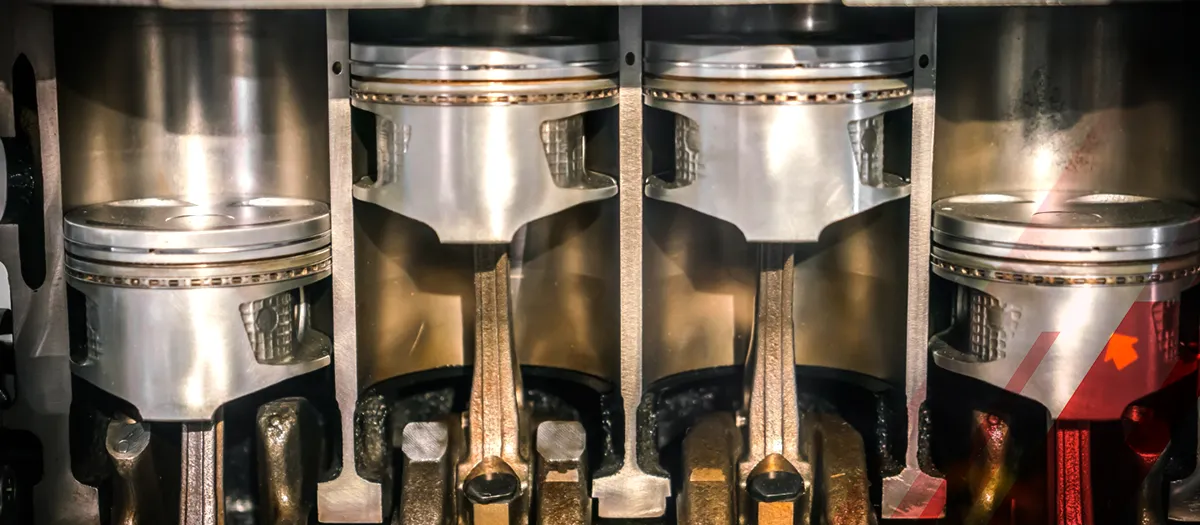
Engine piston rings are precision-engineered metal rings installed into grooves around the piston. Their purpose is to create a tight seal between the piston and the cylinder wall while allowing controlled movement during engine operation. Each piston typically contains multiple rings, arranged as a ring pack, with each ring performing a distinct function.
Despite their thin structure, engine piston rings operate under extreme mechanical and thermal stress. They must endure constant friction, combustion pressure, and high temperatures while maintaining elasticity and sealing integrity throughout the engine’s service life.
What Does a Piston Ring Do in an Engine?
A common question among vehicle owners and technicians is: what does a piston ring do in an engine? The answer involves several critical functions that directly impact engine performance and longevity.
First, engine piston rings seal the combustion chamber. This sealing prevents high-pressure combustion gases from escaping into the crankcase, a phenomenon known as blow-by. Effective sealing ensures optimal compression, which translates into improved power output and fuel efficiency. Studies from the U.S. Department of Energy indicate that mechanical friction accounts for roughly 7–10% of total fuel energy losses in passenger vehicles, with the piston ring–cylinder liner interface being a major contributor to these losses (Source: www.osti.gov).
Second, piston rings regulate engine oil consumption. Oil control piston rings scrape excess oil from the cylinder walls and return it to the crankcase while maintaining a thin lubricating film. This balance prevents oil from entering the combustion chamber and reduces exhaust smoke. According to engine tribology research published by the Massachusetts Institute of Technology, piston rings are among the primary components governing oil film thickness and friction behavior inside the cylinder, directly influencing lubrication efficiency and wear rates.
Third, engine piston rings assist in heat transfer. A significant portion of the heat absorbed by the piston during combustion is transferred through the rings to the cylinder wall, where it is dissipated by the cooling system. Academic engine studies show that a substantial share of piston heat rejection occurs through the ring pack rather than the piston crown itself, underscoring the thermal role of piston rings in preventing overheating and deformation.
Types of Engine Piston Rings
Different piston ring types are engineered to perform specific tasks within the engine. Understanding these distinctions is essential for diagnosing issues and selecting appropriate replacement components.
Compression Rings
Compression rings are positioned in the upper grooves of the piston and are primarily responsible for sealing combustion gases. These rings are exposed to the highest temperatures and pressures inside the engine. Modern compression rings are often designed with reduced tension to minimize friction while maintaining effective sealing. Standard automotive engine designs typically employ two compression rings per piston to form an effective gas-sealing barrier, reducing blow-by and pressure loss during combustion.
Oil Control Piston Rings
Oil control piston rings are typically installed in the lowest piston groove. They consist of multiple components that work together to regulate oil distribution along the cylinder wall. Proper oil control prevents excessive oil consumption and reduces the formation of carbon deposits.
Scraper or Secondary Rings
Scraper rings serve a dual purpose by assisting in gas sealing and oil control. They are commonly used as the second ring in the piston ring pack, especially in diesel engines and high-load applications.
Materials Used in Engine Piston Rings
Material selection has a direct impact on the durability and efficiency of engine piston rings. Traditional cast iron piston rings remain widely used due to their wear resistance and compatibility with cylinder liners. Educational materials archived by U.S. government-supported engineering programs note that cast iron piston rings retain elasticity and wear resistance even after prolonged high-temperature operation, making them suitable for long service life (Source: files.eric.ed.gov).
However, steel piston rings are increasingly preferred in modern engines because of their superior strength and flexibility. Advanced surface coatings further enhance piston ring performance. Chromium and molybdenum coatings improve wear resistance and reduce friction, while modern physical vapor deposition (PVD) coatings are used in high-performance and low-emission engines to extend service life.
What Are the Symptoms of Bad Piston Rings?
Understanding what are the symptoms of bad piston rings can help prevent severe engine damage if addressed early. One of the most common signs is excessive oil consumption, often accompanied by blue or gray exhaust smoke. This occurs when worn rings allow oil to enter the combustion chamber.
Loss of engine power is another key symptom. When engine piston rings fail to seal properly, compression drops, resulting in reduced acceleration and poor overall performance. According to engine operation references, increased blow-by from worn piston rings directly increases fuel consumption and exhaust emissions, as combustion efficiency deteriorates.
Additional symptoms include rough idling, increased fuel consumption, and excessive crankcase pressure. In advanced cases, fouled spark plugs, frequent misfires, and difficulty starting the engine may also indicate piston ring wear. Diagnostic tests such as compression testing or leak-down testing are typically used to confirm the condition of the rings.
Common Causes of Piston Ring Failure
Engine piston rings can fail for several reasons, most of which are related to operating conditions or maintenance practices. Inadequate lubrication is a leading cause, as insufficient or degraded engine oil increases friction and wear.
Carbon buildup is another common issue. Deposits can cause piston rings to stick in their grooves, reducing their ability to expand and seal properly. Overheating, detonation, and improper engine assembly can also accelerate piston ring failure.
Research on internal combustion engine friction shows that the piston ring–liner contact zone represents one of the highest wear and friction interfaces in the engine, making it especially sensitive to lubrication breakdown. In high-mileage engines, normal wear over time eventually reduces piston ring effectiveness, making replacement or engine overhaul necessary.
How Much Does It Cost to Replace Piston Rings in an Engine?
The answer depends on several factors, including engine type, vehicle model, labor rates, and whether additional repairs are required. Piston ring replacement is labor-intensive because it typically requires partial or complete engine disassembly. As a result, labor costs often exceed the cost of the piston rings themselves. In passenger vehicles, replacement costs can range from moderate to high, especially if cylinder honing or piston replacement is required.
In heavy-duty and industrial engines, piston ring replacement is often performed as part of a scheduled overhaul, making the cost more predictable but still significant. Preventive maintenance and early diagnosis can help reduce overall repair expenses.
Can an Engine Run Without Piston Rings?
Technically, an engine may run briefly without piston rings, but it cannot operate effectively or sustainably. Without engine piston rings, compression cannot be maintained, causing severe power loss and inefficient combustion. Oil would freely enter the combustion chamber, leading to heavy smoke, fouled components, and rapid engine damage.
Additionally, the absence of piston rings would prevent proper heat transfer, increasing the risk of piston seizure and cylinder damage. In practical terms, piston rings are indispensable for normal engine operation, and running an engine without them would result in immediate performance failure.
Importance of Proper Piston Ring Maintenance
Proper maintenance plays a crucial role in extending the life of engine piston rings. Using high-quality engine oil, following recommended oil change intervals, and maintaining effective air filtration significantly reduces wear and deposit formation.
U.S. Department of Energy research confirms that reducing friction losses in components such as piston rings directly improves fuel economy and lowers emissions, reinforcing the importance of lubrication quality and maintenance practices.
For engines operating under heavy loads or extreme conditions, regular inspection and timely servicing are essential. In fleet and industrial applications, proactive maintenance strategies help minimize downtime and ensure consistent engine performance.
Engine Piston Rings in Modern Automotive Design
Modern engines demand piston rings that can support higher combustion pressures while minimizing friction and emissions. Turbocharged and direct-injection engines, in particular, place increased thermal and mechanical stress on engine piston rings.
According to the U.S. Environmental Protection Agency, the specific power output of gasoline engines in the United States increased by approximately 190% between 1975 and 2021, reflecting improvements in combustion efficiency, materials, and friction reduction technologies, including piston ring design (Source: www.epa.gov).
To meet these demands, manufacturers are developing thinner ring profiles, optimized ring tensions, and advanced coatings. These innovations contribute to improved fuel efficiency, lower emissions, and extended engine service intervals.
Bottom Line
Engine piston rings are critical components that directly influence engine performance, efficiency, and durability. From sealing combustion gases and controlling oil consumption to transferring heat, their role is fundamental to internal combustion engine operation.
Understanding what piston rings do in an engine, recognizing symptoms of bad piston rings, knowing replacement costs, and appreciating why engines cannot run without them helps vehicle owners and professionals make informed maintenance and repair decisions. As engine technologies continue to evolve, engine piston rings will remain a key factor in achieving reliable, efficient, and compliant engine performance.

.webp&w=3840&q=75&dpl=dpl_DPva2LrvfsBdTJm1XZj67UTrvMHL "Recreational Boating Trends Shaping Outboard Engine Demand")