


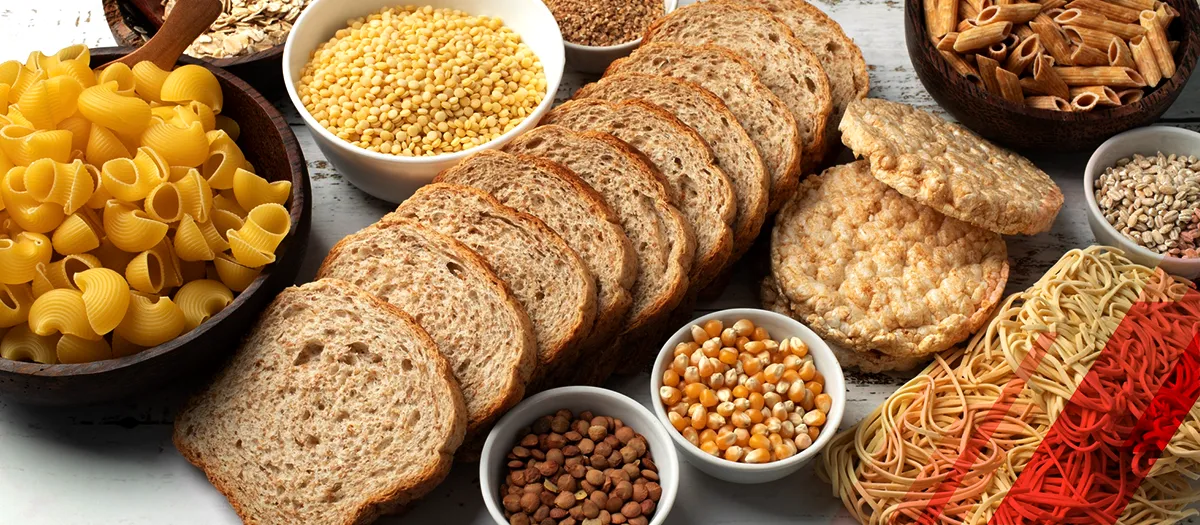
An approximate 1 in 100 people globally suffer from celiac disease, an autoimmune disorder that causes damage to the lining of the small intestine when gluten is consumed. Therefore, people suffering from celiac disease have to completely abstain from the consumption of gluten in their daily lives. Gluten is a term that represents a collection of proteins that are generally contained in certain types of grains, including rye, barley, and wheat.
Therefore, people suffering from celiac disease end up consuming gluten-free foods, which are described as food products that do not contain gluten or any of its byproducts. Even though the avoidance of gluten is an essential requirement for people suffering from celiac disease, the concept of gluten-free foods has also gained attention from the overall consumer base in the recent past. As per Kings Research, the global gluten free food market will reach USD 10.49 billion by 2031.
This blog explains what gluten-free food is, the types of foods that contain gluten, and the effect of food labeling and nutrition on gluten-free foods.
What is Gluten and Why Do Some People Avoid It?
Gluten is a family of storage proteins, mainly gliadin and glutenin, which are naturally found in grains such as wheat, barley, and rye. It is known to play an important role in the elasticity of dough, especially in bread, as it adds structure to baked goods. It is also used in the leavening of bread, which ensures that bread does not become flat after baking. This has made it a staple in various meals, but certain medical conditions require that it be avoided in the diet.
Celiac disease is an autoimmune disorder in which the immune system responds to the presence of gluten in the diet by attacking the lining of the small intestine. This interferes with nutrient absorption, and the symptoms are manifested as digestive problems as well as systemic health problems.
Gluten sensitivity, on the other hand, is another disorder in which the presence of gluten in the diet leads to symptoms such as bloating, fatigue, and pain, but without the damage to the lining of the small intestine as seen in celiac disease. Furthermore, Wheat allergy is an immune response to proteins in wheat, as opposed to gluten, which is found in all grains.
Foods That Contain Gluten
Many staple grains contain gluten, and these ingredients appear in a wide variety of everyday foods. Wheat is the most common source and includes wide varieties such as spelled, farro, durum, semolina, bulgur, and kamut. Barley and rye also contain gluten and must be avoided in a strict gluten-free diet. Triticale, a hybrid of wheat and rye, contains gluten as well.
Beyond raw grains, gluten frequently appears in processed foods. Bread, pasta, breakfast cereals, crackers, cakes, cookies, and pastries almost always contain wheat-based ingredients. Malt beverages and most beers are produced from barley and therefore contain gluten. Soy sauce, salad dressings, seasoning blends, and processed meats may contain wheat-based thickeners or fillers. Meat substitutes and packaged snack foods often use wheat protein to improve texture.
Cross-contamination also represents a major concern for individuals with celiac disease. Even foods that do not contain gluten ingredients can become contaminated when processed in facilities that also handle wheat. Shared equipment, storage containers, or manufacturing lines may introduce trace amounts of gluten, which is why certified gluten-free production environments are important for strict medical diets.
Naturally Gluten-Free Foods
A well-balanced gluten-free diet can provide complete nutrition with the emphasis on whole gluten-free products such as fruits, vegetables, legumes, nuts, seeds, fish, eggs, and poultry, as well as nine gluten-free whole grains such as quinoa, buckwheat, amaranth, millet, sorghum, and teff
Gluten-free grains include rice, quinoa, corn, buckwheat, millet, sorghum, teff, and certified gluten-free oats. These products provide similar levels of carbohydrates, fiber, and nutrients as those from wheat products. Other protein sources, such as meat, poultry, fish, eggs, legumes, nuts, and seeds, do not contain gluten.
Milk products such as milk, yogurt, and cheese do not contain gluten unless flavorings are added. Fresh fruits and vegetables are naturally gluten-free and provide essential vitamins, minerals, and fiber for good nutrition.
Cooking oils and fats, such as olive oil, butter, and coconut oil, do not contain gluten. Oats are naturally gluten-free, but often during harvesting and processing, oats come into contact with wheat. For individuals with celiac disease, oats must be certified gluten-free.
FDA Gluten-Free Labeling? What does the Standard Mean?
Since August 2014, the United States Food and Drug Administration (FDA) has required that foods with labeling claims such as 'gluten-free,' 'free of gluten,' 'without gluten,' or 'no gluten' must contain less than 20 parts per million (ppm) of gluten, as this is the lowest level that can be consistently detected by valid scientific analytical methods. The standards were expanded in 2020 to include fermented and hydrolyzed foods such as yogurt, cheese, and FDA-regulated beers and wines.
However, it should be noted that the absence of wheat does not necessarily mean the absence of gluten. This is because, although wheat may be absent, barley and rye may still be present, and all three contain gluten. Therefore, FDA regulations of food labels emphasize the total gluten level, rather than the absence of a particular type of grain. Meat, poultry, and egg products are regulated by the United States Department of Agriculture, although similar practices are used.
Key Benefits of Gluten-Free Food for Those Who Need It
Intestinal healing in individuals with Celiac disease
The removal of gluten allows the damaged villi in the small intestine to heal gradually, thereby improving the rate of nutrient absorption.
Relief from digestive symptoms
A gluten-free diet can provide relief from symptoms such as bloating, abdominal pain, diarrhea, and nausea in individuals with gluten sensitivity or Celiac disease.
Reduced inflammation
The removal of gluten stops the immune response that causes inflammation in individuals with Celiac disease.
Improved energy levels
The reduction in nutritional deficiencies, such as iron and vitamins, improves energy levels.
Benefits applicable to diagnosed conditions
The aforementioned benefits apply to individuals with Celiac disease or gluten sensitivity, but not to individuals without a medical diagnosis.
Nutritional Considerations When Going Gluten-Free
While gluten-free diets may be medically warranted for some individuals, processed gluten-free products often have nutritional content that is quite different from their wheat-based counterparts.
In fact, research has shown that processed staples of the gluten-free diet contain 36% less protein, 55% less iron, and 44% less folate than their wheat-based counterparts. This is because iron, vitamin B, and folate fortification of wheat flour is mandatory in countries such as the United States and the United Kingdom, while there is no similar requirement for gluten-free products.
In addition, manufacturers often add sugar, fat, or sodium to gluten-free products to improve taste and texture. These adjustments can increase the calorie content of processed gluten-free snacks and baked goods. For this reason, nutrition experts recommend building a gluten-free diet primarily around naturally gluten-free whole foods such as fruits, vegetables, legumes, and nutrient-dense grains like quinoa or buckwheat.
Individuals newly diagnosed with celiac disease may benefit from working with a registered dietitian. Professional guidance can help ensure adequate intake of fiber, iron, calcium, and B vitamins while transitioning to gluten-free eating patterns.
Conclusion
Gluten-free food plays a vital medical role for individuals with celiac disease, non-celiac gluten sensitivity, and certain wheat allergies. Regulatory standards such as the FDA’s 20 parts per million threshold ensure that labeled gluten-free foods meet clear safety criteria. At the same time, maintaining balanced human nutrition requires careful food selection. Diets centered on naturally gluten-free whole foods provide the most reliable foundation for long-term dietary health.