


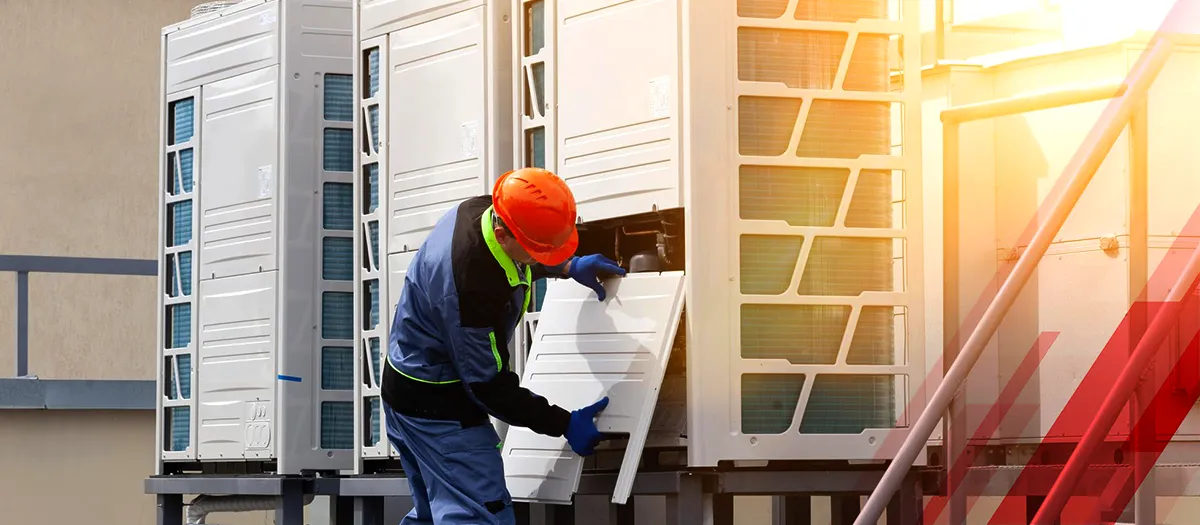
HVAC insulation plays a major role in maintaining building comfort, improving energy efficiency, and supporting the long-term performance of mechanical systems. As cooling demand increases globally and building energy codes become stricter, the importance of selecting the right HVAC insulation materials has never been greater.
As per Kings Research, the global HVAC insulation market is estimated to generate a revenue of USD 9.30 million by 2031. According to global energy assessments, space cooling is becoming one of the fastest-growing uses of electricity, which directly increases the need for well-designed insulation systems.
This blog provides a detailed explanation of HVAC insulation materials, their benefits, key trends influencing the market, and compliance standards shaping modern HVAC design.
Why HVAC Insulation Matters
Effective HVAC insulation ensures that heating and cooling systems operate efficiently by minimizing thermal loss, preventing unwanted heat transfer, and reducing the workload on HVAC equipment. Thermal insulation also supports indoor comfort by maintaining consistent supply-air temperatures and preventing condensation on pipes and ducts, especially in humid environments.
Beyond energy savings, high-performance insulation protects against mold growth, corrosion under insulation (CUI), and structural deterioration. These benefits contribute to long-term building sustainability, durability, and operational cost savings.
Key Trends in HVAC Insulation
● Rising Global Demand for Space Cooling
Cooling demand is increasing rapidly due to climate change, urbanization, and rising temperatures. The International Energy Agency (IEA) reports that around 2 billion air conditioners are currently in use globally, with energy demand for cooling rising about 4 percent annually since 2000, making it one of the fastest-growing end uses of electricity. (Source: IEA Space Cooling Overview: www.iea.org)
With rising cooling loads, HVAC insulation becomes essential to improve system efficiency and reduce electricity use in buildings.
● Focus on Energy Efficiency and Reducing Cooling Load
Buildings account for nearly 30 percent of global final energy consumption, according to the IEA’s Energy Efficiency 2025 report. Much of this demand comes from HVAC and space-cooling systems in residential, commercial, and institutional buildings. Improved HVAC insulation helps limit energy waste, reduce system operating time, and lower peak electrical demand.
● Rapid Growth in Cooling Demand in Emerging Economies
Growing populations, urbanization, and rising ambient temperatures are driving substantial increases in cooling across emerging economies like India. The India Cooling Action Plan (ICAP) projects a significant rise in cooling demand by 2037–38, increasing the need for efficient mechanical insulation in both residential and commercial buildings. (Source: c2e2.unepccc.org)
This growth makes insulation essential for energy-efficient cooling and long-term sustainability.
● Rising Need for Moisture-Resistant and Condensation-Control Insulation
The requirement to avoid condensation and corrosion is growing as chilled-water systems, VRF units, and refrigeration lines are utilized more frequently. Closed-cell insulation materials are becoming increasingly important because they help avoid mold, CUI, and equipment deterioration by preventing water vapor transmission. This is especially true in coastal areas, the Middle East, and Asia's humid climates.
● Growing Importance of Acoustic Comfort
Modern buildings are designed for thermal and acoustic comfort. HVAC systems generate noise through ducts, airflow, and mechanical vibration. Acoustic insulation materials, such as duct liners and sound-absorbing wraps, are increasingly used in commercial spaces, offices, hospitals, and residential buildings to reduce noise and improve occupant comfort.
Types of HVAC Insulation and Their Benefits
HVAC insulation is available in several material types, each designed to address specific performance needs within residential, commercial, and industrial systems. Selecting the right insulation is important because it directly affects energy efficiency, system longevity, indoor comfort, and compliance with HVAC safety standards.
- Fiberglass Insulation
Fiberglass is one of the most widely used HVAC insulation materials. It is made from fine glass fibers that trap air, which helps reduce heat transfer across ducts and mechanical components. This type of insulation performs well in both heating and cooling systems because it maintains a stable R-value even when exposed to temperature variations.
Fiberglass also provides reliable acoustic control by limiting noise generated by air movement. It is frequently used in duct liners, duct wraps, and equipment insulation due to its durability and fire-resistant characteristics.
- Mineral Wool Insulation
Mineral wool insulation, including rock wool and slag wool, is valued for its superior thermal performance and high fire resistance. Its dense structure makes it suitable for high-temperature HVAC applications such as boiler rooms, mechanical rooms, and industrial pipes.
Mineral wool also absorbs sound effectively, reducing mechanical noise and improving acoustic comfort in large buildings. It does not absorb moisture easily, which helps prevent mold growth and maintains insulation integrity over time. These properties make it a preferred choice in manufacturing plants, power facilities, and commercial high-rise buildings.
- Elastomeric Foam Insulation
Elastomeric foam insulation is a flexible, closed-cell material commonly used on chilled water lines, refrigerant pipes, and HVAC equipment that operates below ambient temperature. The closed-cell structure helps prevent condensation and moisture ingress, reducing the risk of corrosion under insulation.
Its flexibility allows installers to wrap pipes and fittings without joints or gaps. Elastomeric foam maintains consistent thermal performance in humid environments and is widely used in hospitals, pharmaceuticals, and data centers where moisture control is critical.
- Polyethylene (PE) Foam Insulation
Polyethylene foam insulation is lightweight, easy to install, and resistant to moisture. It is often used in small residential systems, duct wraps, and basic piping applications. PE foam helps minimize heat loss and prevents condensation around air conditioning lines. It offers a cost-effective solution for homeowners seeking to improve HVAC efficiency without requiring high-end industrial materials. Although less dense than elastomeric foam, it provides adequate insulation performance for light to moderate HVAC needs.
- Spray Foam Insulation
Spray foam is used when pipes, ducts, or mechanical components require complete coverage without gaps. It expands upon application, filling irregular shapes and sealing air leaks effectively. Spray foam reduces thermal bridging and supports optimal air handling efficiency. It also strengthens duct structures by adding rigidity. This type of insulation is commonly used in energy-efficient homes, retrofitting projects, and commercial buildings where airtightness is a key performance requirement.
HVAC Insulation Standards and Compliance
Compliance with insulation standards ensures safety, durability, and energy efficiency. ASHRAE 90.1 sets minimum insulation requirements for ducts and piping in commercial buildings. The International Energy Conservation Code (IECC) outlines insulation thickness, placement, and R-value guidelines for residential and commercial applications.
Fire and smoke standards such as ASTM E84 govern acceptable flame-spread and smoke-developed index ratings for insulation materials. For chilled-water and refrigeration systems, moisture-control guidelines recommend closed-cell materials to prevent condensation and corrosion.
Following these requirements helps buildings meet inspection standards, reduce operating costs, and ensure long-term system reliability.
Bottom Line
High-performance HVAC insulation materials are essential for achieving energy-efficient, sustainable, and durable buildings. With global cooling demand increasing and energy regulations tightening, insulation has become a critical component in modern HVAC system design.
By selecting the right materials, adhering to insulation standards, and implementing best practices, building owners and professionals can improve performance, reduce energy usage, and support long-term operational efficiency.