

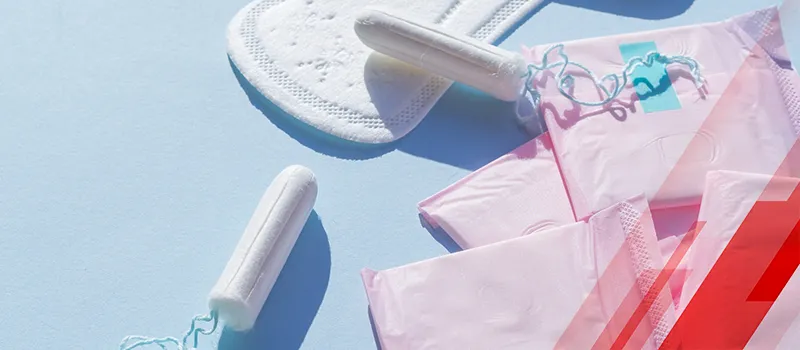
Sanitary napkins for periods are one of the most commonly used menstrual hygiene products across the world. They are designed to absorb menstrual flow, protect clothing, and support comfort and hygiene during menstruation. Despite being widely used, many people still have questions about how sanitary napkins work, which type to choose, how often to change them, and what materials are safest for long-term use.
Understanding sanitary napkins goes beyond basic usage. It includes awareness of menstrual health, skin safety, environmental impact, and personal comfort. Menstrual hygiene has also been recognized globally as an essential public health issue, supported by organizations such as the World Health Organization and UNICEF, which emphasize access to safe and hygienic menstrual products. The global sanitary napkins market is forecast by Kings Research to achieve revenues of USD 38.51 billion by 2031.
This blog explains sanitary napkins in detail, covering their uses, types, benefits, safety considerations, and how to choose the right product based on individual needs.
What Are Sanitary Napkins?
Sanitary napkins are absorbent pads worn inside underwear during menstruation to collect menstrual blood. They are typically made of layered materials that include a soft top sheet, an absorbent core, and a leak-proof bottom layer. Some sanitary napkins also come with wings that fold around underwear for added protection and stability.
Sanitary napkins for periods are external menstrual products, meaning they do not need to be inserted into the body. This makes them a preferred option for many people, especially beginners, adolescents, and those who are uncomfortable using internal menstrual products. Their ease of use and wide availability have made sanitary napkins a standard choice for menstrual hygiene.
Why Sanitary Napkins Are Important for Menstrual Hygiene
Using sanitary napkins plays a vital role in maintaining menstrual hygiene. Proper menstrual hygiene helps reduce the risk of infections, skin irritation, and unpleasant odors. Clean and absorbent sanitary napkins for periods help keep the vaginal area dry and minimize prolonged contact with moisture.
Poor menstrual hygiene practices are associated with increased risk of reproductive and urinary tract infections, particularly when absorbent materials are not changed frequently or are unhygienic (Source: www.unicef.org).
Menstrual hygiene is also closely linked to overall health, confidence, and daily productivity. When people have access to reliable sanitary napkins, they are more likely to attend school, work, and social activities without discomfort or anxiety. This is why awareness around sanitary napkins and menstrual health continues to grow globally.
Globally, an estimated 500 million women and girls lack access to adequate menstrual hygiene management, including safe and hygienic absorbent materials (Source: www.worldbank.org).
Types of Sanitary Napkins Available Today
Sanitary napkins are available in different types to suit varying menstrual needs. Regular sanitary napkins are designed for light to medium flow days and provide balanced absorbency and comfort. For heavier flow days, heavy-flow sanitary napkins offer higher absorbent capacity and longer length to prevent leaks.
Ultra-thin sanitary napkins are designed for those who prefer a lightweight and discreet feel while still ensuring protection. Overnight sanitary napkins are longer and more absorbent, offering extended coverage during sleep. There are also organic sanitary napkins made from natural fibers, which are increasingly popular among users who are concerned about skin sensitivity and chemical exposure.
A survey supported by the National Institutes of Health found that product preference varies significantly by flow intensity and duration, with absorbency and comfort being the most cited selection factors (Source: pmc.ncbi.nlm.nih.gov).
Choosing the right sanitary napkins for periods depends on flow intensity, daily routine, and personal comfort preferences.
Materials Used in Sanitary Napkins
Most sanitary napkins are made using a combination of cotton, cellulose fibers, superabsorbent polymers, and breathable back sheets. The top layer is usually soft and designed to allow quick absorption, while the core locks in moisture to keep the surface dry.
In recent years, awareness around the materials used in sanitary napkins has increased. Many users now look for chemical-free sanitary napkins, fragrance-free options, or organic sanitary napkins made with biodegradable materials. These alternatives are often chosen to reduce the risk of rashes, itching, and long-term skin sensitivity.
Research indicates that prolonged exposure to moisture and synthetic materials can contribute to contact dermatitis and skin irritation during menstruation.
Understanding the materials used in sanitary napkins for periods helps users make informed decisions that support comfort and health.
How to Use Sanitary Napkins Correctly
Using sanitary napkins correctly is essential for maintaining hygiene. A sanitary napkin should be placed securely inside clean underwear, ensuring it covers the area where menstrual flow occurs. The adhesive strip helps keep the napkin in place, while wings, if present, add extra support.
Sanitary napkins for periods should be changed every four to six hours, or more frequently during heavy flow. Prolonged use of a single napkin can lead to moisture buildup, odor, and bacterial growth. Proper disposal is equally important; used sanitary napkins should be wrapped and disposed of in designated bins rather than flushed.
The Centers for Disease Control and Prevention recommends changing menstrual absorbent products regularly to reduce infection risk and maintain genital hygiene.
Correct usage habits ensure that sanitary napkins remain safe and effective throughout the menstrual cycle.
Benefits of Using Sanitary Napkins
One of the main benefits of sanitary napkins is ease of use. They require no insertion and can be changed quickly, making them suitable for people of all ages. Sanitary napkins for periods are also widely available in stores, pharmacies, and online platforms, ensuring accessibility.
Another advantage is the variety of options available. From thin daily-use napkins to highly absorbent overnight pads, users can select products tailored to their needs. Sanitary napkins also allow users to visually monitor menstrual flow, which can be helpful in understanding cycle patterns and identifying changes.
Educational research supported by UNESCO shows that access to menstrual hygiene products is associated with improved school attendance and participation among menstruating students.
These benefits make sanitary napkins a reliable choice for menstrual care across different lifestyles.
Sanitary Napkins and Skin Safety
Skin safety is a common concern when using sanitary napkins regularly. Some individuals may experience rashes or irritation due to friction, synthetic materials, or fragrances. Choosing breathable sanitary napkins for periods and changing them regularly can help prevent these issues.
Cotton-based and organic sanitary napkins are often recommended for sensitive skin, as they reduce exposure to potential irritants. Maintaining proper personal hygiene, such as washing the external genital area with water and mild soap, also supports skin health during menstruation.
Being mindful of skin reactions and product quality is essential for long-term comfort.
Environmental Impact of Sanitary Napkins
Conventional sanitary napkins are largely single-use products and can take years to decompose. This has raised concerns about their environmental impact. As awareness grows, many people are exploring eco-friendly sanitary napkins made from biodegradable materials.
Disposable hygiene products contribute significantly to municipal solid waste streams, emphasizing the importance of sustainable material innovation and proper disposal practices (Source: sbmurban.org).
While sanitary napkins for periods remain a practical choice for many, proper disposal and responsible consumption can help reduce environmental harm. Some brands now focus on sustainable packaging and plant-based materials to address these concerns.
Balancing convenience, hygiene, and environmental responsibility is becoming an important part of menstrual product choices.
How to Choose the Right Sanitary Napkins for Periods
Choosing the right sanitary napkins depends on several factors, including flow level, daily activity, and skin sensitivity. Light-flow days may require thin sanitary napkins, while heavy-flow days call for high-absorbency options. Overnight sanitary napkins are ideal for uninterrupted sleep without leakage.
Users with sensitive skin may benefit from fragrance-free or organic sanitary napkins. It is also helpful to try different types to understand what feels most comfortable. Reading product labels and understanding absorbency ratings can make the selection process easier.
Public health guidance from the Office on Women's Health emphasizes selecting menstrual products that match individual flow patterns and comfort needs to support overall menstrual health (Source: www.womenshealth.gov).
The right sanitary napkins for periods should provide confidence, comfort, and reliable protection.
Common Myths About Sanitary Napkins
There are several myths surrounding sanitary napkins that can cause confusion. One common misconception is that all sanitary napkins cause rashes, which is not true when high-quality products are used and changed regularly. Another myth is that thicker napkins are always better, whereas modern ultra-thin options can be equally effective.
Some believe sanitary napkins are unsafe for long-term use, but when used correctly and hygienically, they are a safe menstrual care option. Clearing these myths helps promote healthier and more informed menstrual practices.
Final Thoughts
Sanitary napkins for periods continue to be an essential menstrual hygiene product for millions of people worldwide. Their convenience, variety, and accessibility make them suitable for different needs and lifestyles. With growing awareness around materials, skin safety, and sustainability, users now have more choices than ever before.
Understanding how sanitary napkins work, how to use them properly, and how to choose the right type empowers individuals to manage menstruation with confidence and comfort. Menstrual health is a natural part of life, and access to safe sanitary napkins plays a key role in supporting overall well-being.