


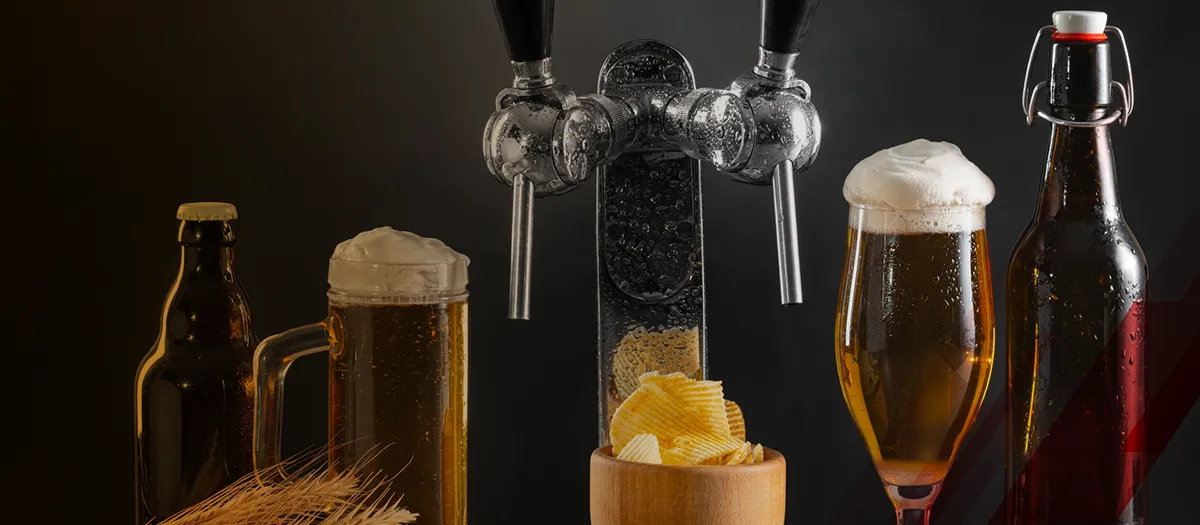
Non-alcoholic beer has moved from being a niche alternative to becoming a respected segment of the global beverage industry. Once viewed as a compromise, it is now recognized as a deliberate lifestyle choice.
Consumers today are more conscious about health, productivity, and balance, and this shift has directly influenced beverage preferences. Non-alcoholic beer offers the familiar taste and social experience of beer without the intoxicating effects of alcohol. Kings Research indicates that the global non-alcoholic beer market will achieve revenues of $35.96 billion by 2031.
This article explains how it is made, how it tastes, who consumes it, and how it fits into modern wellness and social trends. Let’s get started!
What Is Non-Alcoholic Beer
Non-alcoholic beer is a brewed beverage that resembles traditional beer in flavor, aroma, and appearance but contains very little or no alcohol. In most regions, non-alcoholic beer contains less than 0.5 percent alcohol by volume, while some products are fully alcohol-free.
Unlike soft drinks or flavored malt beverages, non-alcoholic beer follows the same core brewing process as regular beer. The difference lies in how alcohol is limited or removed. This distinction is important because it preserves beer characteristics such as malt complexity, hop bitterness, and fermentation-derived aromas.
How Non‑Alcoholic Beer Is Made
- Traditional Brewing Foundation
Non‑alcoholic beer begins with the same ingredients used in standard beer production, water, malted grains, hops, and yeast, and follows typical brewing steps like mashing, boiling, hopping, and fermentation.
- Alcohol Reduction and Removal Methods
Producers use a range of techniques to limit alcohol formation or remove it after fermentation. For example, “non‑alcoholic beverages (NABs)” are defined by U.S. regulators as beverages with alcohol by volume (ABV) < 0.5%, and labelling must reflect this if the term non‑alcoholic is used legally.
Regulatory labeling policy also clarifies that “non‑alcoholic” may be used on labels only if the product contains less than 0.5% alcohol by volume (ABV). Membrane filtration, vacuum distillation, and arrested fermentation are common ways to achieve these low levels while preserving flavor.
Modern Brewing Innovation
Advances in yeast selection and fermentation control have improved non‑alcoholic beer quality by limiting alcohol formation during fermentation and emphasizing flavor compound development. Studies indicate that non‑alcoholic beverage consumers report adopting these drinks partly to reduce alcohol consumption or to support moderation efforts
. In a U.S. survey, 28.44% of adult alcohol consumers reported using non‑alcoholic beverages (including non‑alcoholic beer) in the past year, and nearly 68% said such consumption helped reduce their alcohol intake. (Source: pmc.ncbi.nlm.nih.gov)
Taste and Sensory Profile
High‑quality non‑alcoholic beers can deliver balanced malt profiles, hop character, and proper carbonation similar to regular beer. Modern methods, such as specialized yeast and controlled dealcoholization, help preserve aroma and mouthfeel.
Health and Wellness Considerations
- Reduced Alcohol Intake
U.S. federal nutrition guidance emphasizes that lower alcohol consumption is better for health and that adults who choose to drink alcohol should do so in moderation (e.g., ≤2 drinks per day for men, ≤1 drink per day for women).
- Alcohol Content Regulations
Products labeled as non‑alcoholic can contain trace amounts of alcohol (typically under 0.5% ABV), and federal labeling laws require that this ABV limit be disclosed for accuracy and consumer clarity.
Who Drinks Non‑Alcoholic Beer
While comprehensive nationwide statistics on non‑alcoholic beer only are limited in federal publications, research among U.S. adults who drink alcohol shows notable non‑alcoholic beverage use: 28.44% reported past‑year use, with a majority citing reduced alcohol consumption as a motivation.
Non‑Alcoholic Beer and Social Culture
Non‑alcoholic beverages, including non‑alcoholic beer, are part of broader public health conversations about reducing alcohol harm. Recent U.S. national survey data show changing behaviors: only about 54% of U.S. adults say they drink alcoholic beverages, the lowest level in decades, partly due to increasing concern about alcohol’s health effects. (Source: apnews.com)
Popular Styles of Non-Alcoholic Beer
- Non-Alcoholic Lager
Non-alcoholic lager is light, crisp, and refreshing. It appeals to a broad audience and pairs well with food.
- Non-Alcoholic IPA
Non-alcoholic IPA emphasizes hop aroma and bitterness. Advances in brewing have made this style especially successful in alcohol-free form.
- Non-Alcoholic Wheat Beer
This style offers soft mouthfeel and subtle fruit notes. It is often unfiltered and refreshing.
- Specialty and Craft Variants
Craft brewers now produce seasonal and experimental non-alcoholic beers. These include dry-hopped versions, dark malts, and botanical infusions.
The Global Market Perspective
Non-alcoholic beer has seen strong growth across Europe, North America, and parts of Asia. Regulatory support, wellness trends, and improved product quality have driven adoption.
Many established breweries have expanded their non-alcoholic portfolios. At the same time, new brands focus exclusively on alcohol-free brewing. This competition has raised quality standards across the segment.
Quality and Authenticity Factors
When evaluating non-alcoholic beer, several indicators signal quality. These include transparent labeling, clear brewing methods, and balanced flavor profiles. Reputable producers invest in research, sensory testing, and controlled production environments. This commitment enhances trust and aligns with EEAT principles.
Food Pairing and Consumption Occasions
Non-alcoholic beer pairs well with a wide range of foods. Light lagers complement grilled vegetables and lean proteins. IPAs match spicy dishes and rich flavors. Wheat beers work well with salads and seafood. Consumption occasions include lunches, work events, fitness recovery, and social gatherings. Its versatility is a key advantage.
Common Myths About Non-Alcoholic Beer
- Alcohol Content Clarification
Federal regulations make clear that beverages labeled non‑alcoholic may still contain up to less than 0.5% ABV.
- Substitution vs. Gateway
Scientific discussions like those in public health research note that non‑alcoholic beers are consumed both as alternatives to alcoholic drinks and part of broader “sober curiosity” behavior patterns, potentially aiding reduced drinking.
Regulatory and Labeling Standards
- U.S. Federal Labeling Rules
The Alcohol and Tobacco Tax and Trade Bureau (TTB) and federal regulations allow the term “non‑alcoholic” only if the product contains less than 0.5% ABV, and such labeling must appear on malt beverage products that meet those criteria. (Source: https://www.ecfr.gov/current/title-27/chapter‑I/subchapter‑A/part‑7/subpart‑E/section‑7.65)
- Consumer Protection and Health Guidance
Federal dietary guidance encourages moderation and acknowledges a health benefit to adults who choose not to drink alcohol at all.
Sustainability and Brewing Practices
Many non-alcoholic beer producers focus on sustainable brewing. This includes water efficiency, renewable energy use, and recyclable packaging. Because non-alcoholic beer often requires additional processing, efficiency improvements are critical. Innovation in this area continues to evolve.
The Future of Non-Alcoholic Beer
The future of non-alcoholic beer looks promising. Flavor innovation, consumer education, and broader availability will continue to drive growth. As social norms evolve, non-alcoholic beer is expected to become a standard option rather than an alternative. This normalization supports long-term market stability.
Bottom Line
Non-alcoholic beer represents a meaningful evolution in modern beverage culture. It delivers taste, authenticity, and social inclusion without alcohol-related drawbacks. Through advanced brewing methods, careful ingredient selection, and consumer-focused innovation, non-alcoholic beer has earned its place alongside traditional beer.
Its continued growth reflects changing values around health, balance, and choice. For consumers seeking a refined, responsible, and enjoyable beer experience, non-alcoholic beer is no longer a compromise. It is a confident and informed choice.