


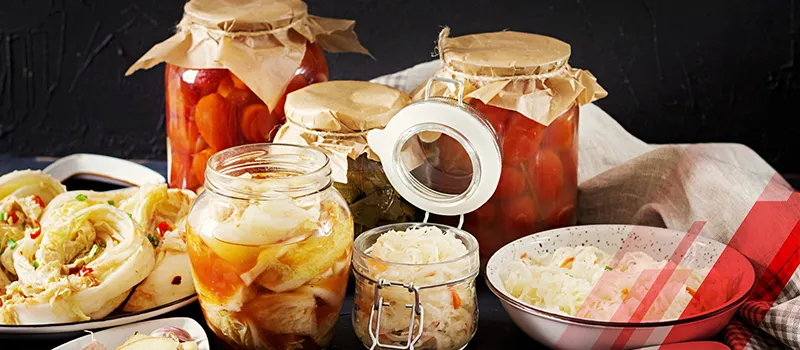
Sauerkrauts have been a part of traditional diets for centuries, valued for its long shelf life, tangy taste, and nutritional benefits. Today, interest in fermented foods is growing rapidly, and many people are searching for how to make sauerkraut at home using simple, natural methods. Homemade sauerkraut is not only affordable but also allows full control over ingredients, taste, and fermentation time. According to Kings Research, this is boosting its popularity, which is driving the global sauerkraut market to generate $16,346.6 million in sales by 2030.
If you have ever wondered why sauerkraut is so popular or how you can prepare it safely in your own kitchen, this guide will walk you through everything you need to know. From understanding fermentation to choosing the right cabbage and storing your finished jar, this article covers the process in detail while helping you build confidence to try it yourself.
What Is Sauerkraut and Why Is It So Popular?
Sauerkraut is finely shredded cabbage that undergoes natural fermentation with salt. During fermentation, beneficial bacteria convert the natural sugars in cabbage into lactic acid, which gives sauerkraut its signature sour flavor. This traditional preservation method has been used in Europe and parts of Asia for hundreds of years.
According to the U.S. National Library of Medicine, lactic acid fermentation creates an acidic environment that naturally inhibits harmful microorganisms while supporting beneficial bacteria growth. (Source: www.ncbi.nlm.nih.gov)
One reason many people search for how to make sauerkraut at home is the growing awareness of fermented foods and their role in everyday diets. Homemade sauerkraut contains live cultures, has no artificial preservatives, and can be customized with spices and vegetables. Compared to store-bought versions, home-fermented sauerkraut is fresher and often richer in flavor.
Research published by the National Institutes of Health notes a renewed interest in fermented vegetables within modern Western diets due to their traditional preparation and minimal processing.
Ingredients Needed to Make Sauerkraut at Home
Learning how to make sauerkraut at home does not require complicated ingredients. In fact, the process relies on just two basic components.
Fresh cabbage is the most important ingredient. Green cabbage is commonly used because it ferments well and has the right balance of sugar and moisture. Red cabbage can also be used, resulting in a slightly earthier flavor with a vibrant color.
Salt plays a critical role in fermentation. Non-iodized salt, such as sea salt or kosher salt, is recommended because iodine can interfere with fermentation. Salt helps draw water out of the cabbage and creates an environment where beneficial bacteria can thrive while preventing harmful microbes.
Optional ingredients like caraway seeds, garlic, ginger, or carrots can be added for flavor, but they are not essential for beginners.
How to Make Sauerkraut at Home Step by Step
Understanding the step-by-step process is key when learning how to make sauerkraut at home successfully.
Start by removing the outer leaves of the cabbage and setting one aside. Cut the cabbage into quarters and remove the core. Shred the cabbage finely using a knife or grater. Place the shredded cabbage in a large bowl and sprinkle salt evenly over it.
Massage the cabbage with clean hands for several minutes. This step helps release moisture and forms a natural brine. As you continue massaging, the cabbage will soften, and liquid will collect at the bottom of the bowl.
Once enough liquid has formed, pack the cabbage tightly into a clean glass jar. Press it down firmly so that the cabbage is completely submerged in its own brine. Place the reserved cabbage leaf on top to keep the shredded cabbage below the liquid level.
Cover the jar loosely to allow gases to escape and keep it at room temperature away from direct sunlight. This is where fermentation begins.
Fermentation Time and What to Expect
A common question when searching for how to make sauerkraut at home is how long fermentation takes. Fermentation time can vary depending on temperature and personal taste.
In general, sauerkraut starts fermenting within 24 hours. Small bubbles may appear, and the smell will become pleasantly sour. After three to seven days, the flavor becomes tangy but mild. Many people prefer fermenting for two to four weeks for a deeper, more complex taste.
Research indicates that vegetable fermentation typically begins within 24–48 hours under proper room-temperature conditions. (Source: ucanr.edu)
It is normal to see foam or white residue on the surface during fermentation. This is usually harmless yeast and can be skimmed off. As long as the cabbage remains submerged and smells fresh and sour, the sauerkraut is fermenting properly.
Common Mistakes to Avoid When Making Sauerkraut
Even though how to make sauerkraut at home is a simple process, a few common mistakes can affect the final result.
Using too little salt may lead to spoilage because harmful bacteria are not properly inhibited. Using too much salt can slow fermentation and make the sauerkraut overly salty. Measuring salt carefully is important for consistency.
Another mistake is not keeping the cabbage submerged in brine. Exposure to air can cause mold growth. Always ensure the cabbage stays below the liquid level throughout fermentation.
Finally, storing the jar in a very hot or very cold environment can disrupt fermentation. A stable room temperature is ideal for the best results.
Health Benefits of Homemade Sauerkraut
Many people interested in how to make sauerkraut at home are also curious about its potential benefits. Fermented cabbage is naturally rich in fiber and vitamins such as vitamin C and vitamin K. The fermentation process enhances nutrient availability and creates beneficial compounds.
According to the USDA, one cup of sauerkraut provides over 35% of the recommended daily intake of vitamin C and approximately 23% of daily vitamin K needs. (Source: https://nutrivore.com/foods/sauerkraut-nutrients/)
Homemade sauerkraut also contains live bacteria when unpasteurized. These naturally occurring cultures are the reason fermented foods have been valued in traditional diets for generations. Unlike commercially processed sauerkraut, homemade versions are not heat-treated, which helps preserve these natural qualities.
How to Store Homemade Sauerkraut Properly
Once your sauerkraut has reached the desired flavor, proper storage is essential. Transfer the jar to a refrigerator to slow down fermentation. Cold storage helps preserve taste and texture for several months.
Research indicates that fermented foods can be kept for up to three months at 41°F in a refrigerator. (Source: buncombe.ces.ncsu.edu)
When learning how to make sauerkraut at home, it is important to use clean utensils each time you scoop from the jar. This prevents contamination and extends shelf life. Always make sure the remaining sauerkraut stays submerged in brine during storage.
Different Variations of Sauerkraut You Can Try
After mastering how to make sauerkraut at home, experimenting with variations can make the process more enjoyable. Adding grated carrots gives a slightly sweet flavor and extra color. Garlic and ginger add depth and warmth. Spices like juniper berries or mustard seeds introduce traditional European notes.
Red cabbage sauerkraut is another popular variation. It follows the same method but has a slightly firmer texture and a visually appealing purple hue. These variations allow you to customize flavor while keeping the fermentation process unchanged.
Is Homemade Sauerkraut Safe for Beginners?
Safety is a common concern for those searching how to make sauerkraut at home for the first time. When prepared correctly, sauerkraut is considered safe due to the acidic environment created during fermentation.
Clean equipment, fresh ingredients, and proper salt levels are the foundation of safe fermentation. Trust your senses, sauerkraut should smell sour and fresh, not rotten or unpleasant. If mold appears in colors other than white or if the smell is off, it is best to discard the batch.
Why Learning How to Make Sauerkraut at Home Is Worth It
Making sauerkraut at home is a rewarding process that connects modern kitchens with traditional food practices. It requires minimal ingredients, no special equipment, and offers consistent results when done correctly.
By learning how to make sauerkraut at home, you gain control over flavor, fermentation time, and ingredient quality. Whether you enjoy it as a side dish, topping, or ingredient in cooked meals, homemade sauerkraut adds depth and character to everyday food.
With patience and practice, even beginners can confidently prepare sauerkraut that rivals store-bought versions in taste and quality.