

The rapid advancement of defense technology has positioned military robotics at the center of modern warfare strategies. Understanding the types of military robots is essential for analyzing how armed forces improve operational efficiency, enhance battlefield awareness, and reduce risks to human personnel.
Military robots are now deployed across land, air, sea, and cyber domains, supporting missions that range from surveillance to combat and logistics. The worldwide military robots market is on track to achieve USD 32.47 billion by 2032, as estimated by Kings Research.
As defense organizations prioritize automation and artificial intelligence, military robotics technology continues to evolve. These unmanned and autonomous systems are reshaping how conflicts are monitored, managed, and executed. The growing reliance on robotic warfare reflects a strategic shift toward precision, speed, and data-driven decision-making.
Overview of Military Robots in Modern Defense Operations
Military robots are machines designed to perform defense-related tasks with limited or no direct human presence. These systems rely on advanced sensors, communication networks, and autonomous navigation capabilities. The increasing use of unmanned military robots reflects the need to operate effectively in high-risk and hostile environments.
Modern military robots support intelligence, surveillance, and reconnaissance missions, assist combat units, and enhance logistical operations. Their deployment reduces human exposure to danger while improving mission accuracy. The diversity in design and function explains why the different types of military robots play specialized roles in contemporary defense systems.
Ground-Based Types of Military Robots Used in Combat Zones
Ground-based platforms are among the most widely deployed types of military robots in land warfare. These systems, commonly referred to as unmanned ground vehicles (UGVs), operate in complex terrains such as urban environments, deserts, and mountainous regions. Their primary mission is to support troops through reconnaissance, threat detection, and hazardous task execution.
The U.S. Army has historically deployed more than 6,000 UGVs, primarily for explosive ordnance disposal (EOD), route clearance, perimeter security, and reconnaissance missions, according to defense research published by the National Defense University. These robots are equipped with cameras, robotic arms, and thermal sensors, enabling remote neutralization of explosive threats without direct human involvement.
Aerial Military Robots and Unmanned Aerial Vehicles
Aerial platforms represent one of the most visible types of military robots, particularly due to their role in surveillance and precision strikes. Unmanned aerial vehicles, commonly known as military drones, operate without onboard pilots and can be controlled remotely or autonomously.
Military drones are critical for intelligence, surveillance, and reconnaissance missions. Their ability to cover large geographic areas enables continuous monitoring of enemy activity. Armed unmanned aerial vehicles further contribute to combat operations by executing targeted missions with high accuracy. The integration of autonomous military robots in airspace continues to expand as navigation and sensor technologies improve.
Naval and Underwater Military Robots in Maritime Defense
Naval operations have increasingly incorporated robotic systems to strengthen maritime security and underwater situational awareness. Among the different types of military robots, unmanned surface vehicles (USVs) and autonomous underwater vehicles (AUVs) play a vital role in protecting territorial waters and monitoring undersea threats.
According to U.S. defense research institutions, autonomous naval robots are now routinely used for mine countermeasures, coastal patrol, seabed mapping, and submarine detection, significantly reducing the risks associated with deep-sea and contested maritime operations. These systems enhance force protection while extending the Navy’s operational reach.
Humanoid and Anthropomorphic Military Robots
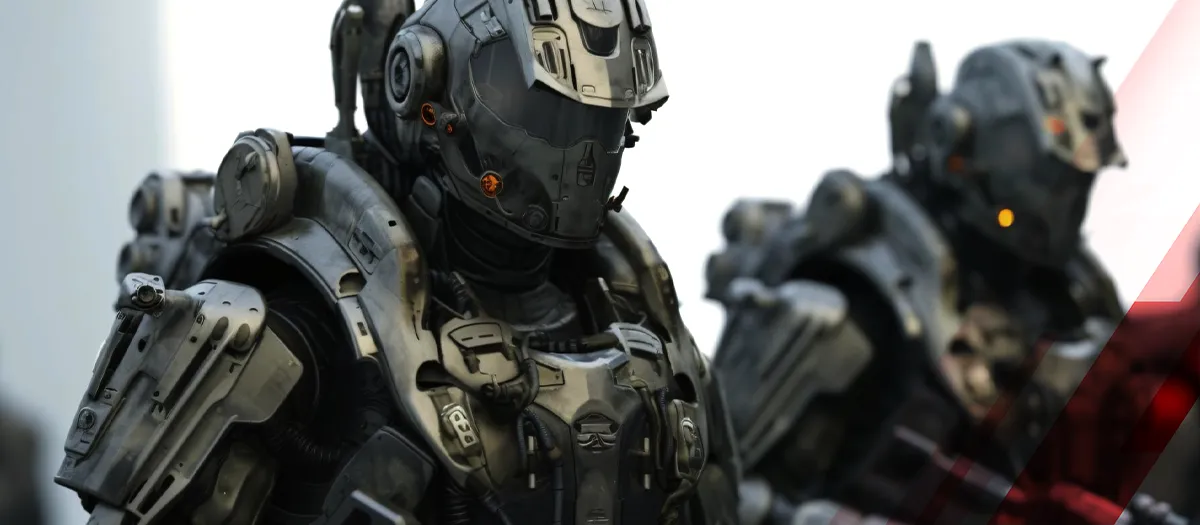
Humanoid platforms represent a specialized and emerging category within the broader types of military robots. Designed to replicate human movement and dexterity, these systems are primarily explored for environments built for human use.
U.S. defense research programs indicate that humanoid robots are currently being evaluated for disaster response, hazardous material handling, and logistics support, rather than frontline combat. Their development reflects long-term research investments rather than immediate battlefield deployment.
Autonomous Combat Robots and Weapons Systems
Autonomous combat platforms are among the most debated types of military robots due to ethical and legal considerations. These systems are designed to detect threats, analyze battlefield data, and support engagement decisions using artificial intelligence.
While many autonomous weapons systems operate under human supervision, their growing capabilities raise questions about accountability and control. Defense organizations continue to develop frameworks that balance operational efficiency with compliance to international humanitarian law. Autonomous military robots are expected to remain a critical focus area in future defense strategies.
Logistics and Support Military Robots
Not all military robots are designed for combat. Logistics and support systems form a crucial category within the types of military robots, ensuring sustained operational effectiveness across extended missions.
According to U.S. defense research publications, autonomous vehicles are increasingly used to transport ammunition, food, fuel, and medical supplies to forward operating bases, while robotic medical platforms assist with casualty evacuation and remote triage. These applications reduce exposure to hostile fire and improve operational efficiency.
Surveillance and Reconnaissance Robots
Surveillance and reconnaissance systems are foundational to modern defense operations. Among the various types of military robots, ISR platforms provide real-time intelligence across land, air, and maritime domains.
The U.S. Department of Defense formally classifies unmanned aerial systems into five operational groups, based on size, altitude, and mission capability. This classification standardizes the deployment of robotic surveillance assets across the armed forces and supports persistent battlefield awareness.
AI-Driven Military Robotics Technology
Artificial intelligence is a defining driver in the evolution of military robotics technology. AI enables robotic systems to analyze data, adapt to dynamic environments, and coordinate with other platforms in real time.
The U.S. National Defense Strategy explicitly identifies AI, autonomy, and unmanned systems as core technologies shaping future warfare, underscoring the long-term strategic importance of AI-driven military robots in multi-domain operations. (Source: www.congress.gov)
Ethical and Strategic Implications of Military Robots
The increasing deployment of military robots introduces complex ethical and strategic considerations. Issues related to autonomous decision-making, civilian protection, and accountability remain central to global defense discussions.
Understanding the types of military robots requires acknowledging these challenges. Defense organizations are actively developing policies to ensure responsible use and compliance with international regulations. Ethical deployment is essential for maintaining legitimacy and stability in modern warfare.
The Future of Military Robotics and Warfare
The future of warfare is closely linked to advancements in robotics and automation. Emerging technologies such as swarm robotics, enhanced autonomy, and human-machine collaboration are expected to redefine the types of military robots in active service.
Defense forces worldwide are investing heavily in research and development to maintain technological superiority. As military robotics technology evolves, these systems will play an increasingly central role in shaping defense capabilities and strategic outcomes.
Bottom Line
The expanding role of robotics underscores the strategic importance of understanding the types of military robots and their applications. From unmanned ground vehicles and military drones to autonomous combat systems and support platforms, each category contributes to modern defense operations. These robotic systems enhance efficiency, improve safety, and strengthen battlefield awareness.
As technological innovation continues, military robots will remain a cornerstone of modern warfare. A clear and informed understanding of their roles is essential for analyzing future defense trends and global security dynamics.