


There were over 20.9 million flex fuel vehicles on U.S. roads in 2022, according to the U.S. Department of Energy’s Alternative Fuels Data Center (AFDC). A flex fuel engine powers these vehicles, allowing them to run on gasoline, ethanol, or blends of both. The sector is also poised for tremendous growth over the forthcoming years. According to Kings Research, the global flex fuel engine market is projected to reach $109.14 billion by 2030.
In line with these developments, this blog explains what a flex fuel engine is, how it works, its benefits, and the key considerations drivers should understand.
What is a Flex Fuel Engine?
A flex fuel engine powers a flexible fuel vehicle (FFV), which the U.S. Department of Energy (DOE) defines as a vehicle designed to run on more than one fuel. In most cases, the engine operates on gasoline blended with ethanol, with both fuels stored in the same tank. The most common ethanol blend used in the United States is E85, which contains up to 51% to 83% ethanol.
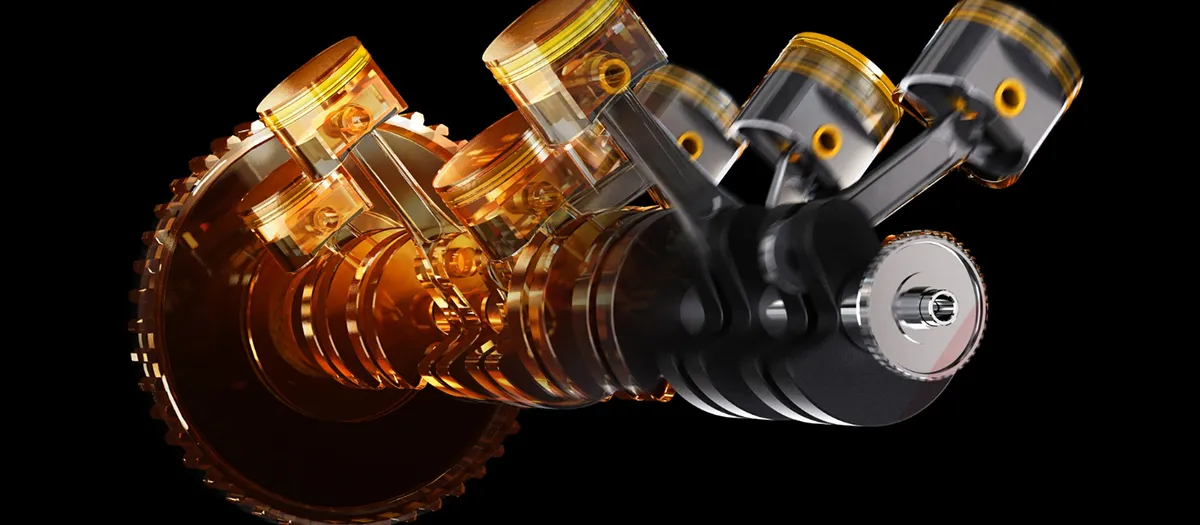
Mechanically, a flex fuel engine closely resembles a conventional gasoline engine. The main differences lie in ethanol-compatible fuel system materials and engine control calibration. Ethanol can be more corrosive than gasoline, so FFVs use specially designed fuel lines, seals, and injectors to ensure durability.
A Brief History of Flex Fuel Vehicles
The development of the flex fuel engine spans several decades and multiple countries.
1970s (Brazil’s Proálcool Program)
Brazil launched the National Alcohol Program in 1975 following the global oil crisis. The program promoted ethanol production from sugarcane and supported vehicles capable of operating on ethanol blends.
1980s - 1990s (U.S. Development)
In the U.S., flex fuel technology expanded under the Alternative Motor Fuels Act of 1988, which encouraged automakers to produce vehicles capable of using alternative fuels. The DOE supported research into ethanol-compatible engines and fuel systems.
2000s - Present (Mass Adoption)
By the mid-2000s, major automakers including Ford, General Motors, and Chrysler began producing large numbers of FFVs.
How Does a Flex Fuel Engine Work?
A flex fuel engine automatically adjusts to different fuel blends without requiring driver input. Inside the vehicle, the engine control module (ECM) monitors the ethanol-to-gasoline ratio in the fuel system. Sensors detect the fuel composition and transmit data to the ECM, which then modifies engine parameters.
The ECM adjusts ignition timing, fuel injection volume, and the air-fuel ratio to ensure efficient combustion. Ethanol contains a higher octane rating than gasoline, which allows the engine to tolerate higher compression levels and improved combustion stability.
However, ethanol has lower energy density than gasoline, meaning vehicles running on E85 require more fuel volume to travel the same distance. This difference explains why fuel economy often decreases when drivers switch from gasoline to high-ethanol blends.
Types of Flex Fuel Engine Systems
Different flex fuel engine configurations are used depending on vehicle design and performance requirements.
Port Fuel Injection Systems
The most common configuration in a flex fuel engine uses port fuel injection (PFI). In this design, fuel injectors spray fuel into the intake ports before it enters the combustion chamber. The engine control module adjusts injector timing and duration based on the ethanol concentration in the fuel. Many legacy FFVs in North America rely on this architecture.
Direct Injection Systems
Some newer vehicles combine flex-fuel capability with direct-injection technology. In this configuration, fuel is injected directly into the combustion chamber at high pressure.
Dual Fuel Systems
In some commercial and heavy-duty applications, vehicles may use dual-fuel systems that store two fuels in separate tanks. These vehicles can operate using gasoline, diesel, natural gas, or ethanol, depending on configuration. The engine control system manages the blending and combustion process to optimize performance and efficiency.
However, drivers must consider an important trade-off. Vehicles running on E85 typically experience 15–27 percent lower fuel economy than when running on gasoline. Whether E85 reduces operating costs depends largely on the price difference between ethanol blends and gasoline at the pump.
How to Identify a Flex Fuel Capable Vehicle
Many drivers already own vehicles with flex-fuel engines without realizing it. Several simple checks can confirm compatibility.
- Fuel Filler Cap: Most flex fuel vehicles feature a yellow fuel filler cap indicating that the vehicle can use E85 or other ethanol blends.
- Door Label or Owner’s Manual: A label inside the driver’s door frame or information in the owner’s manual may list the vehicle as “FFV,” “Flex Fuel,” or “E85 compatible.
- VIN Decoder: Drivers can also verify compatibility by entering their vehicle identification number in the AFDC VIN decoder tool:
Flex Fuel Policy and Incentives
Government policy plays an important role in supporting the flex fuel engine ecosystem.
- Renewable Fuel Standard: The Renewable Fuel Standard (RFS) is administered by the U.S. Environmental Protection Agency. The program requires a minimum volume of renewable fuels, including ethanol, to be blended into transportation fuel each year. This requirement helps sustain the market for ethanol fuels used in flex fuel vehicles.
- Alternative Motor Fuels Act: The Alternative Motor Fuels Act of 1988 helped accelerate early adoption of flex fuel vehicles in the United States. The law provided incentives for automakers producing FFVs and allowed manufacturers to receive fuel economy credits under Corporate Average Fuel Economy (CAFE) regulations.
- Clean Fuel Production Credit: The Inflation Reduction Act introduced the Section 45Z Clean Fuel Production Credit, which supports the production of low-carbon fuels beginning in 2025.
Conclusion
A flex fuel engine represents a mature automotive service already used by millions of drivers. Flex fuel vehicles can operate on gasoline, ethanol, or blended fuels without engine modification, offering flexibility in how vehicles are powered. Their practical value depends on ethanol availability, fuel pricing, and government policies that support renewable fuel production. As these factors evolve, flex fuel technology will continue to play a role in the broader transportation fuel landscape.

.webp&w=3840&q=75&dpl=dpl_DPva2LrvfsBdTJm1XZj67UTrvMHL "Recreational Boating Trends Shaping Outboard Engine Demand")